
Best Comfort Shoes for Flat Feet 2026: Support Guide
Disclosure: We may earn a commission when you buy through links on this page, at no extra cost to you. As an Amazon Associate I earn from qualifying purchases. Learn more

Choose the best comfort shoes for flat feet with firm arch support, a stable heel and cushioning that eases tired feet through long days.
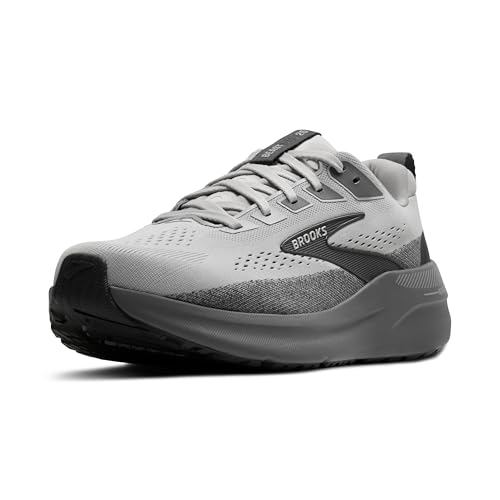
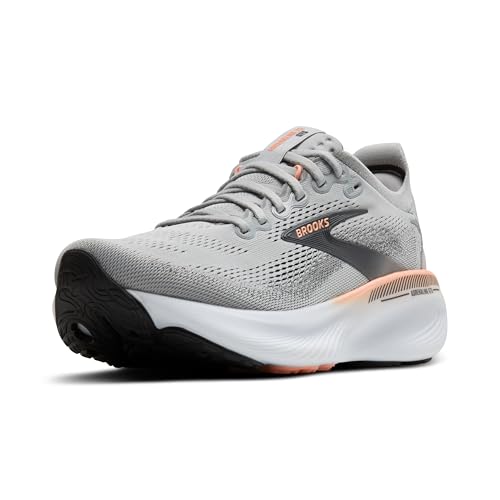
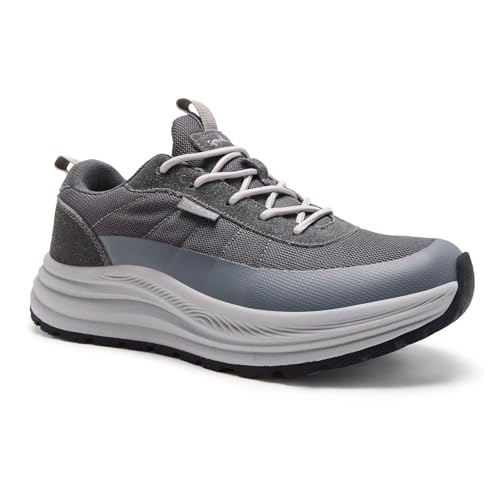
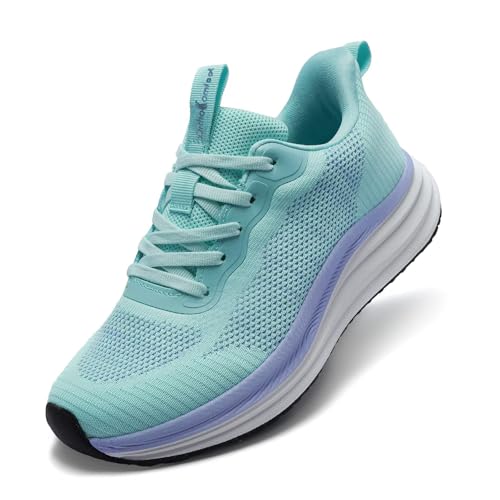
Flat feet need shoes that support rather than simply cushion, so the best comfort shoes for flat feet combine firm arch support, a stable heel, and motion guidance. Without support, the arch collapses inward with each step, which can strain ankles, knees, and lower legs over long days. The product table below helps you compare those features before you buy.
Not all flat feet behave the same way. Some arches are flexible and reappear when you sit, while others stay flat in every position. Flexible flat feet often feel better in supportive shoes, while rigid or painful flat feet need a professional assessment. This guide covers general comfort and support, not diagnosis or treatment.

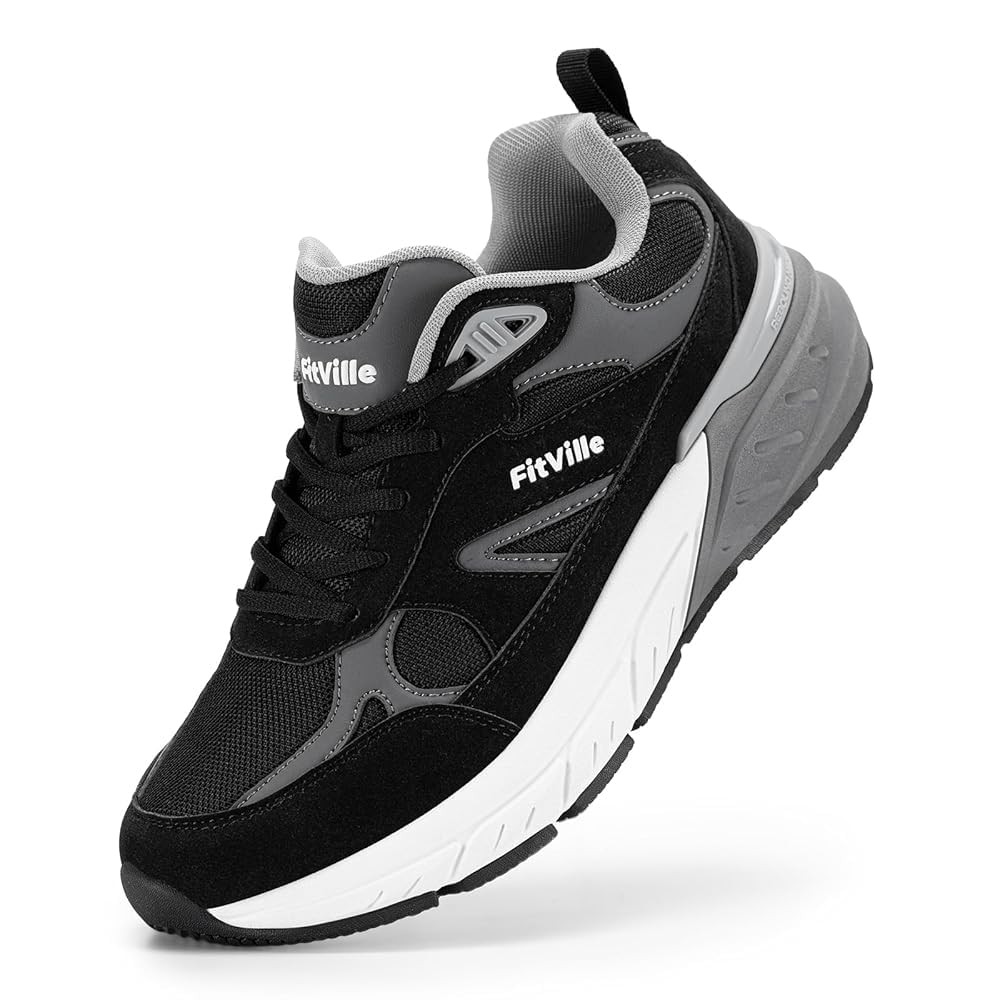
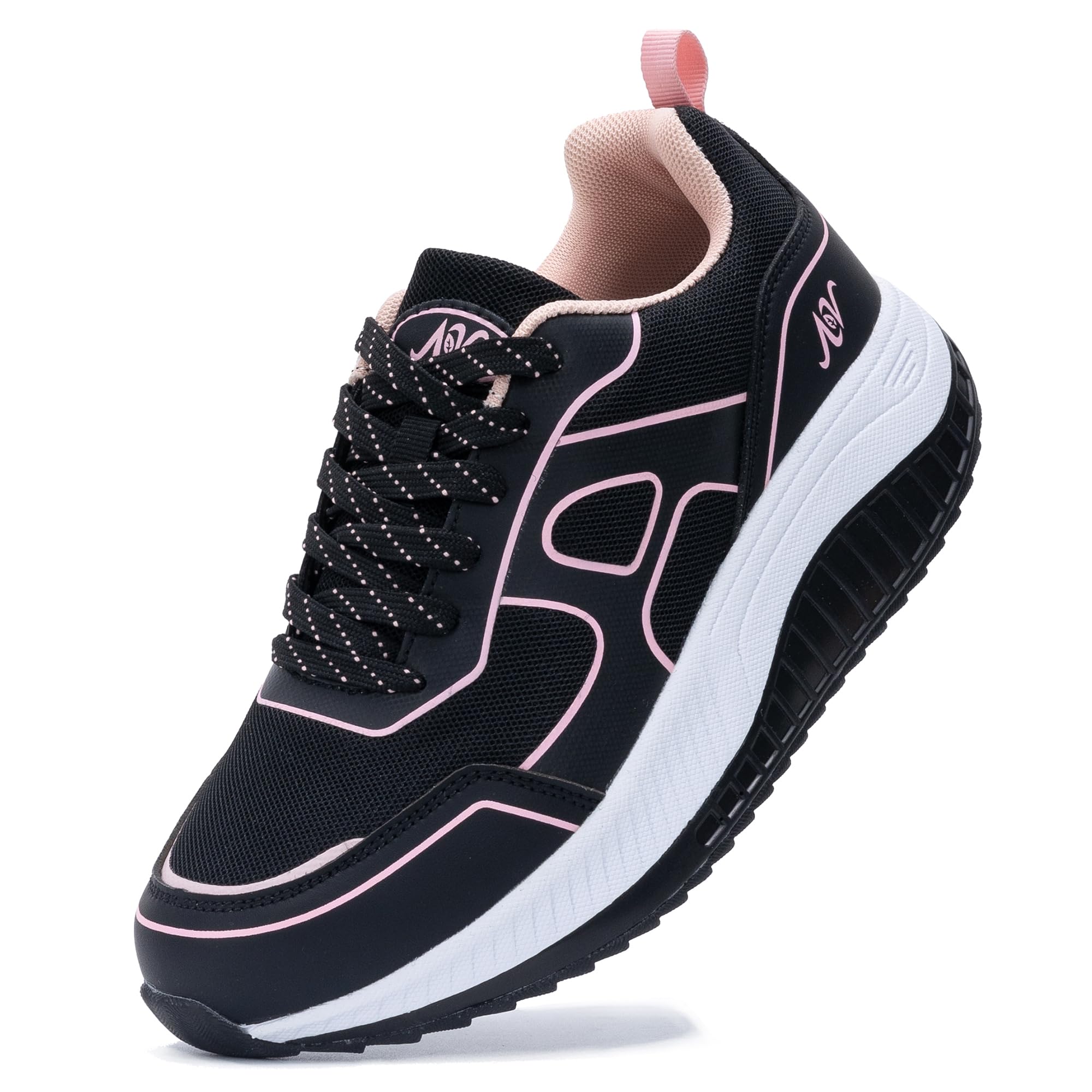
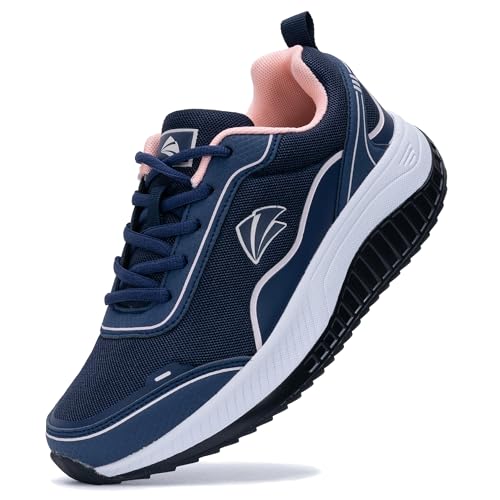
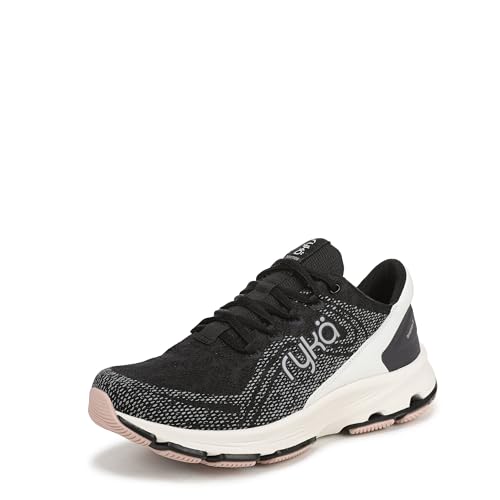
Who Should Buy Supportive Comfort Shoes
Supportive comfort shoes suit people with flat feet who tire quickly, ache after standing, or visibly roll inward when walking. They also suit workers on hard floors, since a stable base reduces end of shift fatigue. Runners and gym goers with flat feet do better in sport specific support that matches their activity.
Shoes are not a substitute for medical care when flat feet cause persistent pain, swelling, or sudden changes. Children with flat feet usually need no special shoes unless a clinician advises otherwise, since young arches develop naturally. If pain persists, worsens, or affects only one foot, talk with your clinician or podiatrist.
Key Features of the Best Comfort Shoes for Flat Feet
Arch Support and Stability
Firm arch support that matches your arch height matters more than soft cushioning alone, because soft foam collapses under a flat foot. Medial posts or firmer foam on the inner side slow inward rolling and guide the foot straighter. A structured heel counter holds the heel upright, which helps the whole leg line up. Removable insoles leave room for custom orthotics if a clinician prescribes them.
Cushioning and Fit
Cushioning should absorb impact without feeling unstable, since overly soft shoes let flat feet roll further inward. Flat feet often spread wider under load, so a roomy toe box and a wide size option suit many wearers. Try shoes late in the day, walk on a hard floor, and check that the arch support sits under your arch rather than too far forward. A shoe that feels supportive at first but pinches within an hour fails the real test of a long day.
Outsole and Durability
A broad, stable outsole resists the uneven wear that flat feet cause, especially on the inner heel. Durable rubber lasts longer on hard floors, while deeper tread suits outdoor paths. Look at the wear pattern on your old shoes: heavy inner heel wear signals overpronation that firmer support should address.
Matching Shoes to Your Activity
Walking, running, and gym work stress feet differently, so one pair rarely does everything well. Running and walking shoes need cushioning plus motion control, while gym shoes need lateral stability for side to side movement. For travel days, pack a supportive pair even when space tempts you toward light flats, and break the pair in before you leave. Long city walking days punish unsupported flat feet quickly.
Getting the Most From Supportive Shoes
Wear supportive shoes for daily activities rather than saving them for bad days, since occasional use gives little benefit. Break new pairs in gradually and alternate with a second pair to extend their life. Stretch calves and feet gently, because tight calves add to flat foot strain for many people. Judge a pair over several weeks, not on the first afternoon, and keep a short note of how your feet feel at the end of each day.
Plan to replace shoes every six to twelve months with daily wear, because support foam compresses and loses firmness. Check for a collapsed arch, uneven heel wear, and shoes that lean inward when set on a table. Those signs mean the support has stopped working, even if the upper still looks fine.
Mistakes to Avoid
- Choosing soft, flat shoes that feel cosy but let the arch collapse further.
- Buying support that sits in the wrong place, which can ache more than no support at all.
- Skipping the return policy, even though support shoes need real walks on hard floors to judge fairly.
- Ignoring persistent pain, swelling, or one sided changes that need professional assessment.
- Forgetting to check insole removability when you use custom orthotics.
Related Buying Guides
Readers comparing options may also find our guides to the best shoes for flat feet and the best shoes for people with flat feet useful. For sport specific picks, see the best running shoes for flat feet, the best gym shoes for flat feet, and the best athletic shoes for flat feet.
Frequently Asked Questions
Do flat feet need arch support shoes?
Many people with flat feet feel better in shoes with firm arch support and stability features, since support slows inward rolling and spreads pressure. Flexible flat feet often benefit most, while rigid or painful flat feet need professional assessment first. Some people with painless flat feet feel fine in neutral shoes, so support is a comfort choice, not a universal rule. Try supportive shoes for a few weeks and judge by fatigue and comfort, not by labels alone.
Are soft cushioned shoes bad for flat feet?
Very soft, unstructured shoes can worsen flat foot fatigue, since soft foam collapses under load and lets the arch roll inward further. That does not mean cushioning itself is bad, since impact absorption helps tired feet greatly. The best combination pairs firm support with well placed cushioning, giving stability without harshness.
Should I use orthotics for flat feet?
Over the counter insoles help many flat feet by adding arch support that shoes alone lack, especially when shoes have removable insoles. Custom orthotics suit persistent pain, severe overpronation, or specific medical needs, and need a clinician or podiatrist assessment. Orthotics support comfort, but they do not replace assessment for ongoing problems.
What warning signs need a podiatrist?
Seek prompt care for persistent foot pain, swelling, numbness, sores that do not heal, or sudden changes in one foot. Pain that worsens with activity, stiffness after rest, or difficulty walking also deserves professional assessment. People with diabetes should seek care sooner for any foot sore or colour change, since healing can be slower.
How long do support shoes for flat feet last?
Support shoes often last six to twelve months of daily wear, depending on weight, activity, and surfaces. Support foam compresses over time, and worn shoes can tilt inward, quietly increasing strain. Replace them when support fades or wear tilts the shoe, since worn support helps far less than it appears.
Final Thoughts
For flat feet, firm arch support, a stable heel, and well placed cushioning matter more than softness alone. A wide fit and a durable outsole complete a shoe that stays supportive through long days. Use the product table above to compare support, cushioning, and fit features.
Wear supportive shoes consistently, watch for warning signs, and seek professional advice for persistent pain. With the right pair, the best comfort shoes for flat feet can turn tiring days into comfortable ones.


