
Best Combination Locks for Gates: Everything to Know Before Your First Purchase for 2026
Disclosure: We may earn a commission when you buy through links on this page, at no extra cost to you. As an Amazon Associate I earn from qualifying purchases. Learn more

Shopping for the best combination locks for gates for the first time? Learn the terms, compare options, and avoid rookie mistakes with this easy guide.
Buying your first gate lock sounds simple until you face shackle sizes, dial counts, and weather ratings with no idea which ones matter. A gate lives outdoors, gets pulled and rained on, and must open easily for you while staying shut for everyone else. This friendly guide explains the best combination locks for gates from the ground up, in plain language, so a first time buyer can choose with confidence.
We will cover how these locks work, the few specifications that truly decide fit and security, and the mistakes that leave new buyers with a lock that does not fit their gate. Keep your gate measurements nearby, and compare the comparison table below as you read.



Combination Locks 101: The Basics
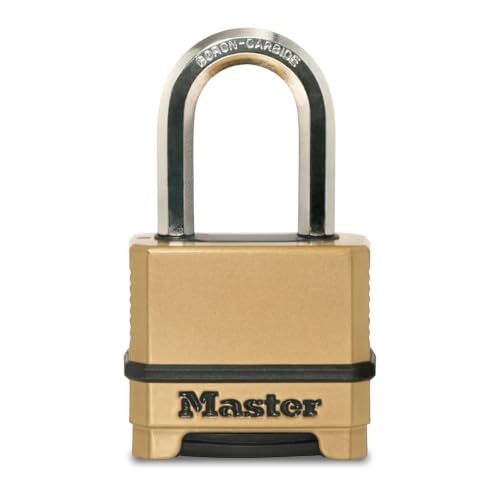
A combination lock opens when you enter a set code or turn dials to the right numbers, so no key is needed. That is its biggest gift at a gate, because family members, gardeners, and delivery helpers can share a code instead of copying keys. Inside, the dials or wheels align openings that free the shackle, the U shaped metal loop that passes through your gate chain or latch.
Two main styles serve gates. Padlock style combination locks hang from a chain or hasp and can move between gates. Built in gate locks mount on the gate itself and suit frequent daily use. Codes are usually three or four digits or letters, and many models let you set your own code. More dials mean more possible combinations, which slows guessing, but the lock body and shackle still decide how well it resists force and weather.
Key Specs Explained in Plain English
Features That Matter for Gates
Gates demand more from a lock than a locker or a gym bag does. The lock sits outside in rain, sun, and dust, and it may be pulled, twisted, or struck. Look for weather sealing around the dials, drainage that keeps water from pooling inside, and smooth dial action you can manage with cold or gloved hands. Gate movement matters too, since gates sag and shift over time. A padlock on a short chain tolerates that movement, while a rigid mount can bind. If your gate is timber, our guide to the best locks for wooden gates explains mounting points that suit wood.
Intended Use and Who It Is For
Start by naming your gate and its users. A side garden gate opened twice a day by family needs a different lock from a driveway gate used by staff, tenants, or delivery drivers. More users mean more code sharing, so choose a code you can change easily when someone moves away or a worker finishes a job. Think about light as well, because dials that are easy to read in daylight can be hard to read at night. Large, clear numbers help children, older relatives, and anyone arriving after dark.
Key Performance Specs
Three numbers deserve your attention. Shackle clearance is the space inside the U, and it must fit your chain link or hasp with room to close without forcing. Shackle diameter shows thickness, with thicker shackles resisting cutting better, though very thick shackles may not fit small fittings. Body width hints at internal strength, and a body around 40 to 55 mm suits most home gates. For a wider view of the category beyond gates, see our guide to the best combination locks and compare how gate needs differ from indoor use.
Build Quality and Materials
Hardened steel is the standard for a good shackle, because softer metals cut far more easily. The body may be brass, steel, or strong alloy, and each can serve well if the finish resists rust. Brass handles coastal and wet air well, while coated steel adds strength at a lower price. Sealed dial covers and protected seams keep grit out of the mechanism. Spin the dials before you buy if you can; smooth, positive clicks signal careful assembly, while grinding or loose wobble suggests a short working life ahead.
Price vs Value
Budget locks, often around $10 to $20, suit low risk garden gates where the goal is keeping a gate latched and honest visitors out. Mid range locks, around $20 to $40, add hardened shackles, better sealing, and smoother dials, and they are the right spend for most homes. Premium locks, above $40, bring thicker shackles, stronger bodies, and better warranties for exposed or high value gates. Judge value by fit, material, and weather protection rather than code length alone, since a long code on a weak body adds little real security.
Rookie Mistakes to Avoid
- Buying before measuring the chain, hasp, or latch, then finding the shackle is too small or too thick to close.
- Choosing the cheapest lock for an exposed gate, where rain and rust can seize an unsealed mechanism within one season.
- Setting an obvious code such as a birth year or 1234, which is the first thing a stranger will try.
- Sharing the code widely and never changing it, even after builders, sitters, or former tenants no longer need access.
- Forgetting to test the lock at night and with gloves, when small, stiff dials become surprisingly hard to use.
Most of these mistakes cost little to avoid at buying time and a lot to fix later, so measure first and choose once. Buyers who are still deciding between lock styles for the gate itself may find our guide to the best lock for gates a useful next read.
Getting Started: Setup and First Use
Read the manual before first use, because the code setting method differs between brands and a wrong step can lock in a code you did not intend. Set your code while the lock is open, write it in a safe private place, and test the lock several times before fitting it to the gate. Scramble the dials after each test to confirm it stays locked. Fit the lock, close the gate gently, and confirm the shackle seats fully without lifting or forcing the gate. Clean and inspect regularly from the first month onward, checking for rust, grit in the dials, and smooth opening, and share the code only with people who need it now. If your gate stands in a very exposed spot, our guide to the best outdoor locks for gates covers heavier weather protection in more depth.
Frequently Asked Questions
What features matter most in combination locks for gates?
Weather resistance, a hardened shackle that fits your fittings, and dials you can read and turn easily matter most. A gate lock lives outside and gets used in poor light and bad weather, so sealing and legibility beat extra features. Choose a resettable code so you can change access when needed. Body material and warranty come next, since they predict how long the lock will keep working smoothly outdoors.
Are expensive combination locks worth it?
They are worth it when your gate protects valuable items, stands in a public place, or faces harsh weather. Premium locks buy thicker shackles, stronger bodies, and better sealing, which are real gains outdoors. For a quiet side gate in a low risk area, a solid mid range lock gives most of the benefit for less money. Spend in line with what the gate protects, not out of general worry.
How much should I spend on a combination lock?
Most home buyers should plan on about $20 to $40 for a gate lock that balances security, weather protection, and smooth dials. Spend around $10 to $20 only for low risk garden use, and more than $40 when exposure or value justifies it. Include the cost of a suitable chain or hasp if your gate lacks one. A lock that does not fit your fittings is wasted money at any price, so measure first.
What features matter most when buying combination locks?
Beyond gates, the same basics apply: a code you can reset, solid materials, and a size that fits the job. For any lock, check how many dials it has, whether the code setting steps are clear, and whether parts feel firm rather than loose. Outdoor use adds weather sealing to that list. Buyers comparing general outdoor options can also read our guide to the best locks for outside gates for placement and exposure tips.
How do I maintain a combination lock?
Keep the dials clean and dry, and work the mechanism every few weeks so it never sits seized in one position. Use only a lubricant the maker allows, and use it sparingly, since excess oil traps grit. Wipe off road salt and mud after storms if your gate sits near a street. If dials grow stiff or the shackle sticks, clean first and force nothing, because forced turns can damage the wheels inside.
Final Thoughts
Measure your fittings, choose hardened materials with real weather sealing, and set a code you can change and remember. Those three steps do more for gate security than any extra feature on a box. When they are in place, the best combination locks for gates give you keyless access that family and trusted helpers can use without fuss. Compare your short list with the product table above, confirm the shackle size one last time, and buy the lock that fits your gate, your weather, and your budget.


