Best Color Sandals for Summer for 2026: Budget, Midrange, and Premium Guidance
Disclosure: We may earn a commission when you buy through links on this page, at no extra cost to you. As an Amazon Associate I earn from qualifying purchases. Learn more

Learn how to choose the best color sandals for summer by budget, with guidance on fit, support, straps, colors and value for warm weather wear.
Sandal prices stretch from a few dollars at a discount rack to well over one hundred dollars for leather and support focused designs. That wide range leaves many buyers unsure where extra money actually helps and where it only pays for decoration. Choosing best color sandals for summer gets easier once you know what each price tier usually delivers in straps, cushioning and color choice.
This guide breaks down the tiers, the features worth paying for, and the colors that earn their place across a whole season of outfits. Start with the comparison table below, then check your budget against the tier notes before you fall for a shade.

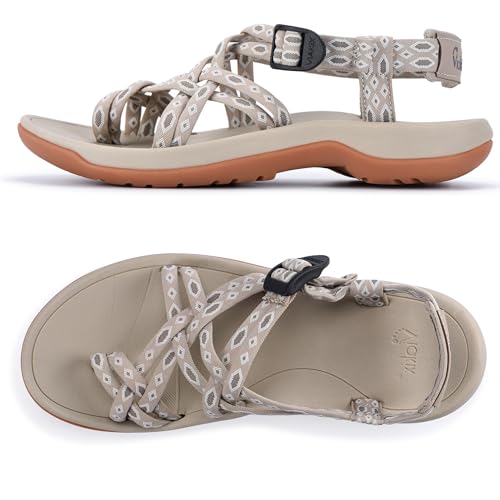

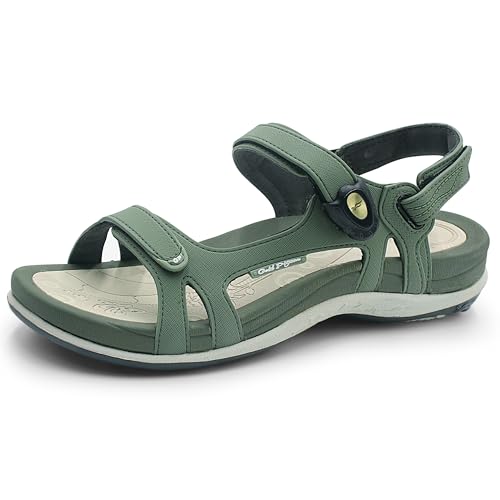
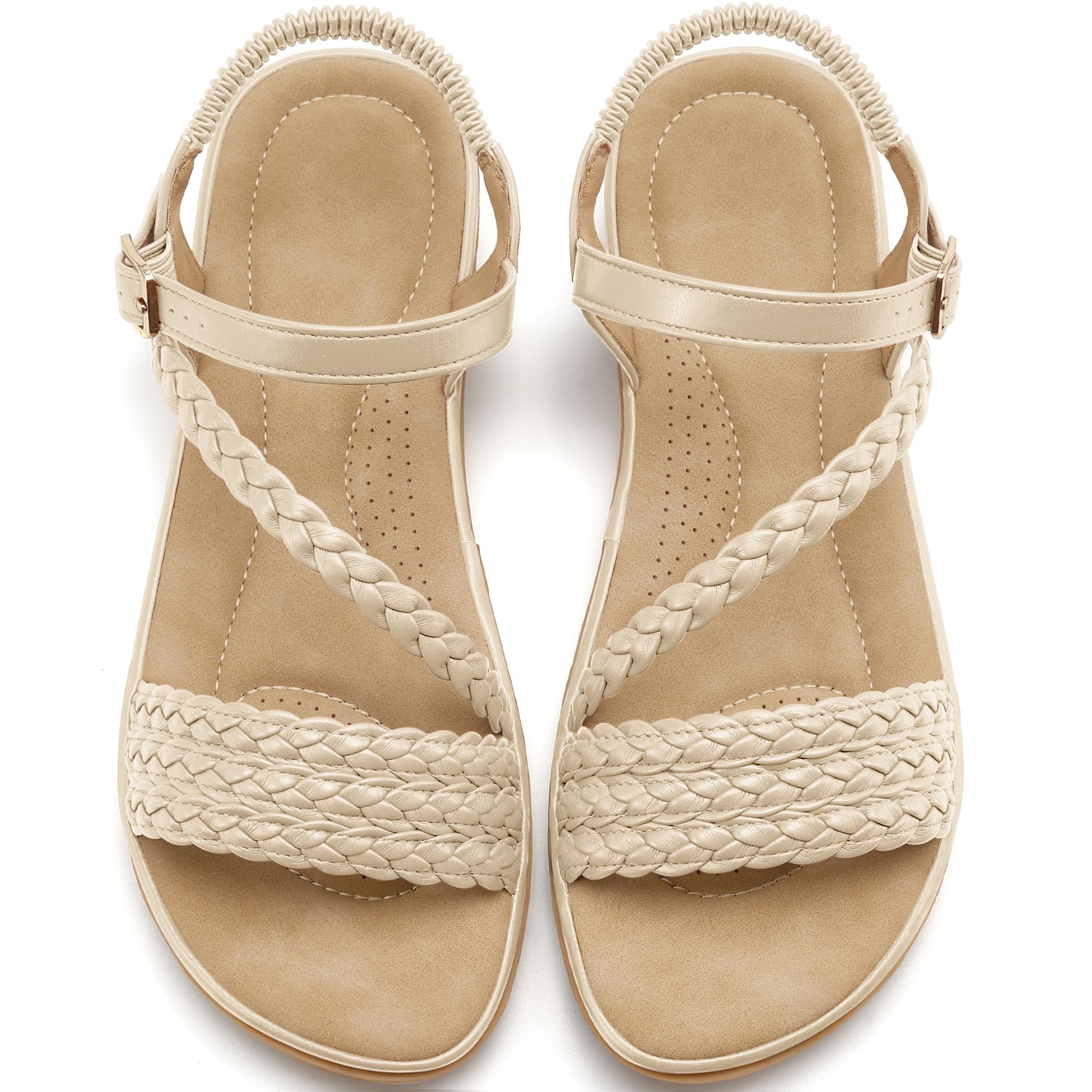


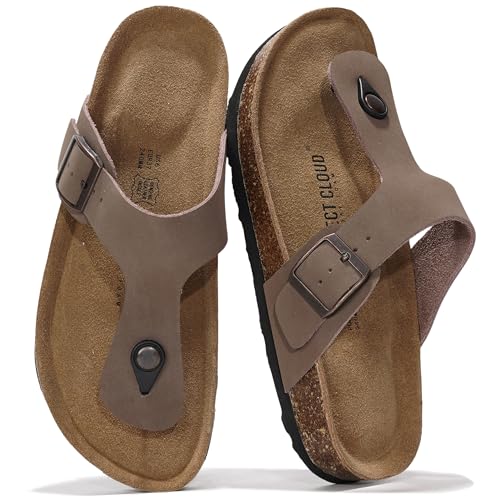

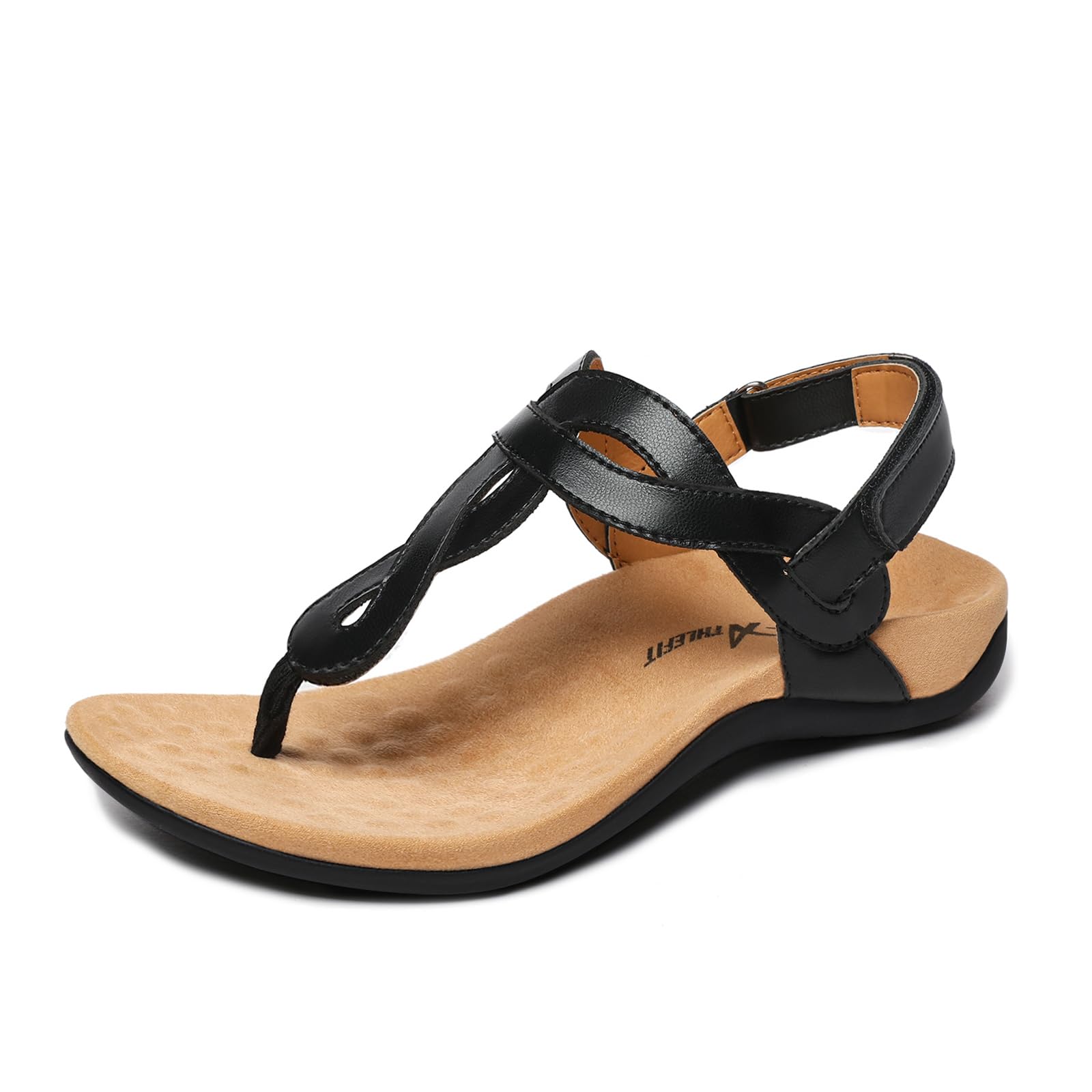
What Your Money Gets You at Each Price Tier
Budget Tier: What to Expect
Around $20 to $40, you generally get simple construction, flat soles and straps that feel fine for short outings. Colors are plentiful because synthetic materials dye easily, so this tier is ideal for a fun shade you would tire of at a higher price. Durability is the main trade off, since thin soles compress and tread wears smooth faster. Buy for light use, keep expectations modest, and inspect stitching and strap anchors before the return window closes.
Midrange Tier: The Sweet Spot for Most Buyers
Around $40 to $80, footbeds gain real shape, straps adjust in more places, and materials feel softer against the skin from the first wear. You also gain color staying power, because better dyes and leather finishes resist fading in sun and after splashes. This tier covers most summer plans, from market days to casual dinners, without forcing you to baby the shoes. For most buyers, one well chosen midrange pair in a versatile color beats two cheap pairs that pinch.
Premium Tier: When Spending More Pays Off
Above about $80, spending more pays off when it buys support you can feel, leather that molds to your foot, and construction that survives years of heat and walking. Premium colors tend toward classic and metallic shades that pair with more outfits, which raises the value per wear across a wardrobe. If you have foot pain, stand for long shifts, or travel with a single pair, this tier deserves a close look. If your use is light and mostly at the beach, the extra spend adds little.
Features Worth Paying For (and Ones to Skip)
Features That Matter for Summer
Summer asks for breathability, quick drying straps and colors that tolerate sun, sand and sunscreen. Open designs ventilate naturally, but strap linings still matter, because rough linings plus sweat equal friction and blisters. Light colors reflect heat on the footbed in strong sun, while dark footbeds can feel hot on bare soles at midday. Choose one versatile anchor color, such as tan, metallic gold or navy, and add a bright second pair only if your budget tier allows it without cutting fit quality.
Arch Support and Foot Type
Arch support matters if you walk or stand for hours, because a flat footbed lets your foot tire and roll inward over time. Flat feet usually feel best with a firm contoured footbed, while high arches often need cushioning that fills the space under the arch without a hard ridge. If you use custom inserts in closed shoes, ask a clinician whether an open sandal can meet your needs for long days. For walking focused options, see our guide to the best summer sandals for walking.
Durability and Expected Lifespan
A daily worn summer pair typically lasts two to four seasons before cushioning flattens or tread smooths, and premium leather pairs can run longer with basic care. Check where straps anchor into the sole, because that joint fails first when glue or stitching is weak. Rinse off sand and salt, dry pairs away from direct heat, and rotate two pairs if you walk daily, since a rest day lets footbeds recover. Treat lifespan as part of price, because a pair lasting four summers can cost less per season than a cheap pair replaced yearly.
Fit, Sizing, and Toe Box
Fit sandals late in the day, when heat and walking have swollen your feet to their summer size. Your toes should lie flat with room to spread, your heel should stay inside the footbed edge, and straps should hold the foot without squeezing. If you shop for general warm weather styles first, see our guide to the best summer sandals for fit basics across strap types. Between sizes, adjustable straps usually make the larger size the safer choice for swollen evening feet.
Water Resistance for Wet Days
Full waterproof construction is rarely worth paying for in an open sandal, because water enters freely by design. Pay instead for straps and footbeds that tolerate getting wet, dry overnight and keep grip on wet stone or pool decks. Leather needs drying time and can stain, while many synthetics handle daily splashes with no fuss. If support is your main concern for wet and dry days alike, see our guide to the best supportive summer sandals. For simple color coordination across materials, see our guide to the best color for sandals.
Long Term Costs to Factor In
Your real cost includes more than the purchase price. Factor in a second pair for rotation if you walk daily, simple care items such as a soft brush and leather conditioner for leather straps, and replacement when tread wears smooth. A generous return window has value too, because exchanging a size costs less than keeping a poor fit. Add these costs across the seasons you expect to wear the pair, and a midrange or premium purchase often looks closer to budget options than the tag suggests.
For a season of wear, the best color sandals for summer are versatile shades such as tan, navy, or soft metallics that go with most outfits.
Color Sandals: Your Questions Answered
What features matter most in color sandals for summer?
Fit, footbed support and strap comfort matter most, with color versatility close behind. A shade such as tan, navy or a soft metallic pairs with most summer clothes, so you wear the pair often enough to justify its tier. Quick drying materials and decent tread follow, because summer brings pool decks, sudden rain and dusty paths. Decoration you cannot feel, such as heavy ornaments that pull straps out of line, is the first thing to skip.
Are expensive color sandals for summer worth it?
They are worth it when you walk far, stand long or need support that budget footbeds lack. The extra money should show up as shaped cushioning, durable straps and an outsole that lasts several seasons. If a premium pair only adds gems or logos over a flat sole, it is not worth the jump. Try premium and midrange pairs back to back indoors, and pay more only if your feet can feel a clear difference.
Can I wear color sandals for summer all day?
Yes, if the pair fits well, supports your arch and has already passed a gradual break in at home. Start with a few hours, check for hot spots, and build up across several days before a full day of sightseeing or work. Carry a backup pair or bandages on the first long outing, just in case heat swelling changes the fit. Stop and rest if you feel sharp pain, numbness or swelling, and ask a clinician about persistent foot pain.
Do I need waterproof sandals for summer?
No, most summer wear needs water tolerance, not full waterproofing. Choose straps that dry fast and a footbed that does not turn slick when wet, and you will handle beaches, boats and rain showers well. Leather dress sandals are the exception, so keep those for dry plans and switch to synthetic straps for wet days. Dry any pair fully before storage to prevent odor and strap damage.
How should color sandals for summer fit?
They should fit with heel and toes inside the footbed, straps snug without digging, and the arch support meeting your arch gently. Shop in the afternoon and walk indoors on hard floors, not only carpet, to feel the true cushioning. Your foot should not slide forward when you step down a slope or stair. If straps leave deep marks within minutes, try another size or style rather than loosening them until the foot swims.
How long is the break in period for summer sandals?
Plan on three to five short wears across about a week for most pairs. Leather straps take the longest to soften, while padded synthetic straps often feel good sooner. Cushioning should feel supportive from day one, because a footbed that feels dead flat indoors will not improve outdoors. Return any pair that still rubs the same spot after a week of gradual wear, since that pattern points to a fit fault.
The Bottom Line
Pick your tier by how many hours and seasons you will actually wear the pair, then spend inside that tier on fit, support and a color you will reach for daily. The product table above will help you compare best color sandals for summer options against those checks, so your money lands on comfort and versatility rather than decoration alone.