
Best Color Combinations for Shoes for 2026: Which One Fits the Way You Use It?
Disclosure: We may earn a commission when you buy through links on this page, at no extra cost to you. As an Amazon Associate I earn from qualifying purchases. Learn more
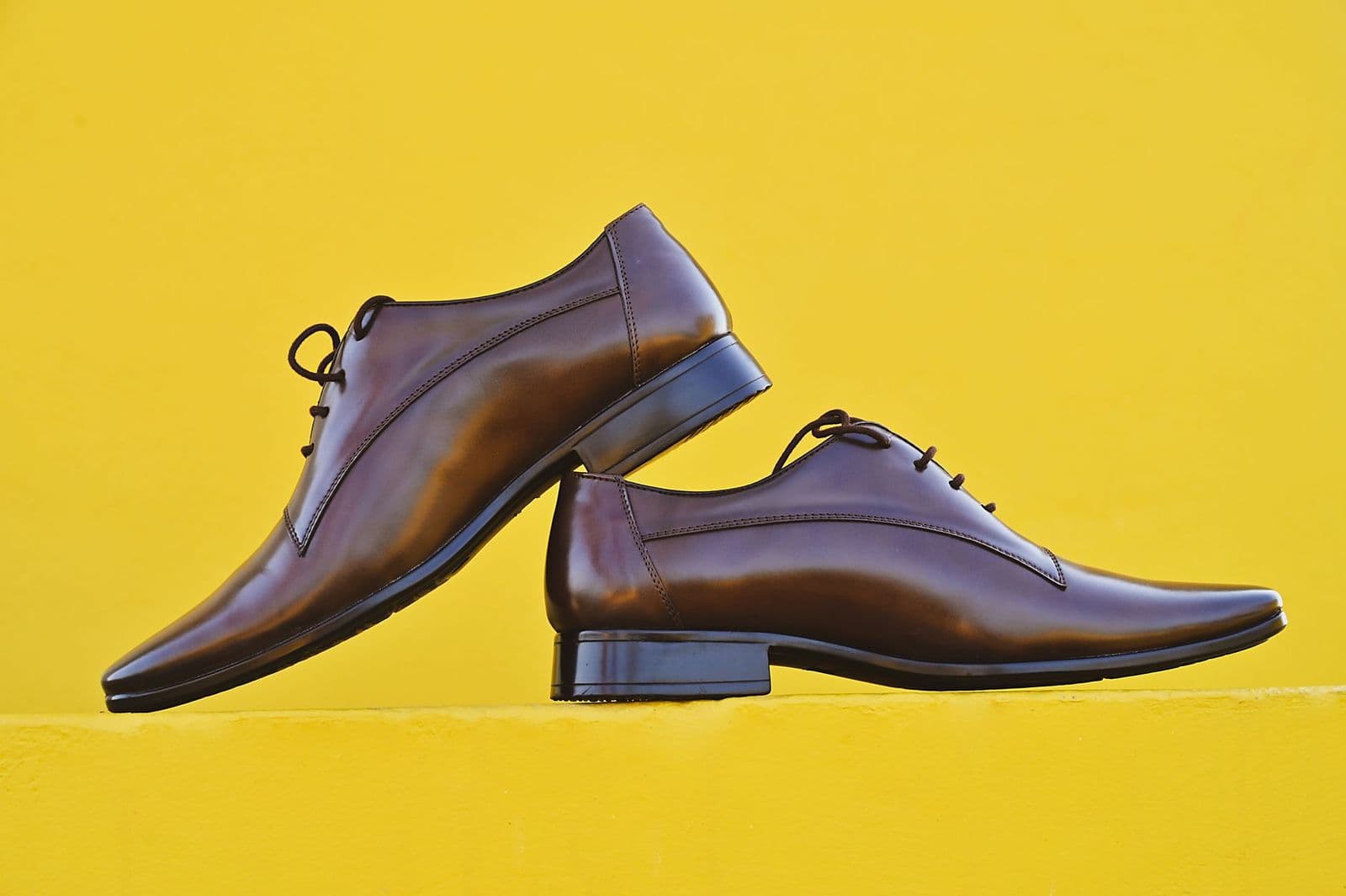
Choose the best color combinations for shoes for work, weekends and events by matching shoe colors to your wardrobe.
There is no single color pairing that works for every closet. A combination that looks sharp with navy trousers can fight with black ones, and the pair you love for weddings may sit unused on workdays. The best color combinations for shoes depend on how you actually dress: your most worn clothing colors, your settings, and how many pairs you rotate.
This guide starts with use cases instead of swatches. You will find which combinations serve daily wear, small closets, and people who dress up often, then the features that make a combination hold together, like contrast level, material finish, and season. Then match your wardrobe to the sections that follow.
Who Needs Which Color Combinations?
For Weekend Beginners
If you are building a shoe rotation from scratch, start with combinations that forgive mistakes. A neutral base shoe, such as brown leather with tan laces or all white sneakers, pairs with nearly everything you already own and teaches you contrast gradually. Add one accent combination next, like navy shoes with white soles, which adds interest without clashing. Beginners should avoid combinations built on two strong colors, such as red shoes with green clothing, until they know which tones dominate their closet.
For Small Closets and Easy Storage
A small closet rewards combinations that multiply outfits. Two tone shoes, for example black uppers with gum soles or gray uppers with white soles, visually count as two colors in one pair and stretch a limited wardrobe. Choose combinations that cross seasons, like medium brown with cream, instead of a summer only pastel pairing. One well chosen two tone pair can replace two single color pairs, which matters when storage space, travel weight, or budget limits how many shoes you keep.
For Frequent or Serious Dressers
If you dress for offices, events, or client facing work most days, build combinations by dress code. Black shoes with black soles stay formal, oxblood with dark brown detailing bridges business and casual, and suede in taupe or sand softens suits without breaking them. Serious dressers should hold contrast low near formal settings and save bold combinations, like white shoes with bright clothing, for social wear. Quality of finish matters more at this level, since polished leather and clean stitching are what make a quiet combination look expensive.
What Makes a Combination Work
Base Color and Wardrobe Match
The base color of a shoe does most of the pairing work. Warm bases like brown, tan, and oxblood sit naturally with khaki, olive, cream, and warm denim. Cool bases like black, navy, and gray sit naturally with charcoal, white, and blue based clothing. Count the dominant temperature in your wardrobe before choosing. A practical rule: the shoe base should repeat a color already present in at least three of your regular outfits. If it matches nothing you own, even a beautiful combination becomes a pair you admire and never wear. Our guide to the best colors for shoes breaks down individual shades in more depth.
Contrast and Accent Details
Contrast is the difference between the shoe and the outfit, and between parts of the shoe itself, like upper, sole, and laces. Low contrast combinations, such as brown shoes with brown soles under tan trousers, lengthen the leg line and read calm and formal. High contrast combinations, such as white soles under dark uppers or white shoes under black trousers, draw the eye down and read casual and energetic. Laces are the cheapest accent to change: swapping laces shifts a combination from quiet to bold without buying another pair.
Material, Finish, and Season
The same colors behave differently across materials. Brown polished leather reads formal, brown suede reads relaxed, and brown canvas reads weekend only. Matte finishes soften contrast, while glossy finishes sharpen it, so a black combination in patent leather feels dressier than the same pairing in nubuck. Season matters too. Light combinations in canvas and pale suede suit spring and summer but stain and look out of place in winter slush, while dark leather combinations carry through the cold months with only basic care.
Fit, Sizing, and Toe Box
Color cannot rescue a bad fit, and some combinations hide fit problems better than others. Light colors reveal creasing and toe pressure marks sooner, which is one more reason to size carefully in white or cream pairs. Measure your feet in the afternoon, leave about a thumb width of space at the front, and check that the widest part of your foot sits in the widest part of the shoe. If you are between sizes, go up in stiff leather and stay true to size in soft canvas, which gives a little as it breaks in.
Common Mistakes to Avoid When Buying Color Combinations
- Buying a striking combination first and a versatile one never, which leaves you with shoes that match two outfits.
- Matching shoe color exactly to one garment, which looks forced and fails the moment that garment is in the wash.
- Ignoring sole color, even though a bright white sole changes the formality of the whole shoe.
- Judging colors only under store lighting, which runs cooler than home and daylight and hides warm tones.
- Forgetting maintenance, since light combinations demand cleaning supplies and habits you may not keep.
Setup and Care Tips
Build your rotation around combinations, not single pairs. Wear each pair on alternate days so materials dry and hold their shape, and store shoes away from direct sunlight, which fades one shoe faster if light hits them unevenly. Clean light colored pairs after muddy or wet outings rather than weekly, since dried stains set into canvas and suede. Keep a small kit matched to your combinations: a brush for suede, cream polish for leather in your base colors, and spare laces in both quiet and bold tones so you can restyle a pair in minutes. Cedar shoe trees also help smooth leather pairs hold their shape overnight, which keeps creases from cutting across two tone panels and spoiling the line of the combination.
Frequently Asked Questions
What features matter most in color combinations for shoes?
The base color matters most, because it decides which half of your wardrobe the shoe can join. Contrast level comes second, since it sets formality more than hue does. Third is finish, because matte and glossy versions of the same color read as different shoes. One detail many buyers miss: metal eyelets and buckle color count as part of the combination, and gold toned hardware warms a pairing while silver toned hardware cools it.
Can I wear the same color combination all day?
Yes, color places no limit on wear time, but material does. A leather combination on a structured shoe handles a full day better than a thin canvas pairing, which is built for shorter casual wear. If a combination you love only comes in a light summer shoe, enjoy it for evenings and weekends rather than forcing it through long workdays, and keep a sturdier neutral pair for the heavy schedule.
Are expensive color combinations worth it?
Price buys material quality more than color itself. Expensive pairs hold dye evenly, so combinations stay true at the seams and creases where cheap pairs fade unevenly and start to look like a different combination. If your budget is limited, spend it on your most worn neutral combination and buy the bold seasonal pairing cheap, since that pair will be out of rotation before its lower quality shows.
How should color combinations fit with formal outfits?
Keep contrast low and finishes consistent. Black shoes with dark clothing, brown shoes in a shade darker than your trousers, and matching belt and shoe tones form the safe formal framework. A useful check is the photograph test: in a black and white photo, formal combinations nearly disappear into the outfit, while casual combinations stand out as a separate block. If your shoes jump out in the imagined photo, the pairing is probably too casual for the setting.
How long does it take for colors to settle in?
New leather colors deepen slightly over the first few weeks as oils move and the surface takes its first polish, so judge a combination after about ten wears rather than on day one. Suede moves the other way, lightening with brushing and sun. If a pairing looks almost right out of the box, wear will usually push it closer. If it clashes clearly on day one, wear will not rescue it, and exchanging early is the better move.
Our Verdict
Choose the base color your wardrobe can support, set contrast to match your most formal regular setting, and let finish and season refine the final pairing. Beginners and small closets should start neutral and two tone, while frequent dressers can justify quieter premium finishes. Work through the sections above, and you will settle on the best color combinations for shoes that your real outfits, not just your taste, can carry every week.


