Best Color Sandals for Pale Skin: Everything to Know Before Your First Purchase for 2026
Disclosure: We may earn a commission when you buy through links on this page, at no extra cost to you. As an Amazon Associate I earn from qualifying purchases. Learn more

Shopping for the best color sandals for pale skin for the first time? Learn the terms, compare options, and avoid rookie mistakes with this easy guide.
If shopping for sandals feels confusing, you are not alone. Strap styles, footbed shapes and color names pile up fast, and pale skin adds one more question because some shades can make fair legs look washed out while others add welcome warmth. Finding best color sandals for pale skin is really about two simple skills, reading color against your undertone and checking fit the right way.
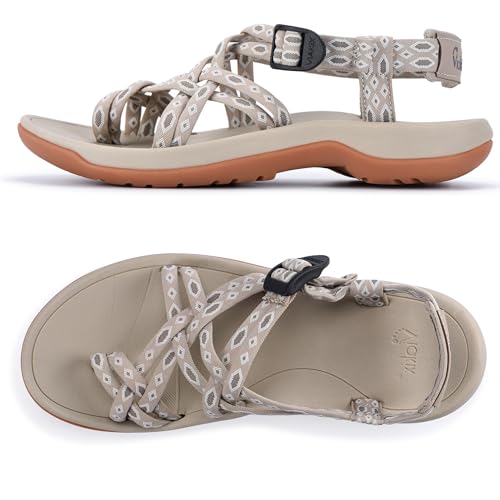
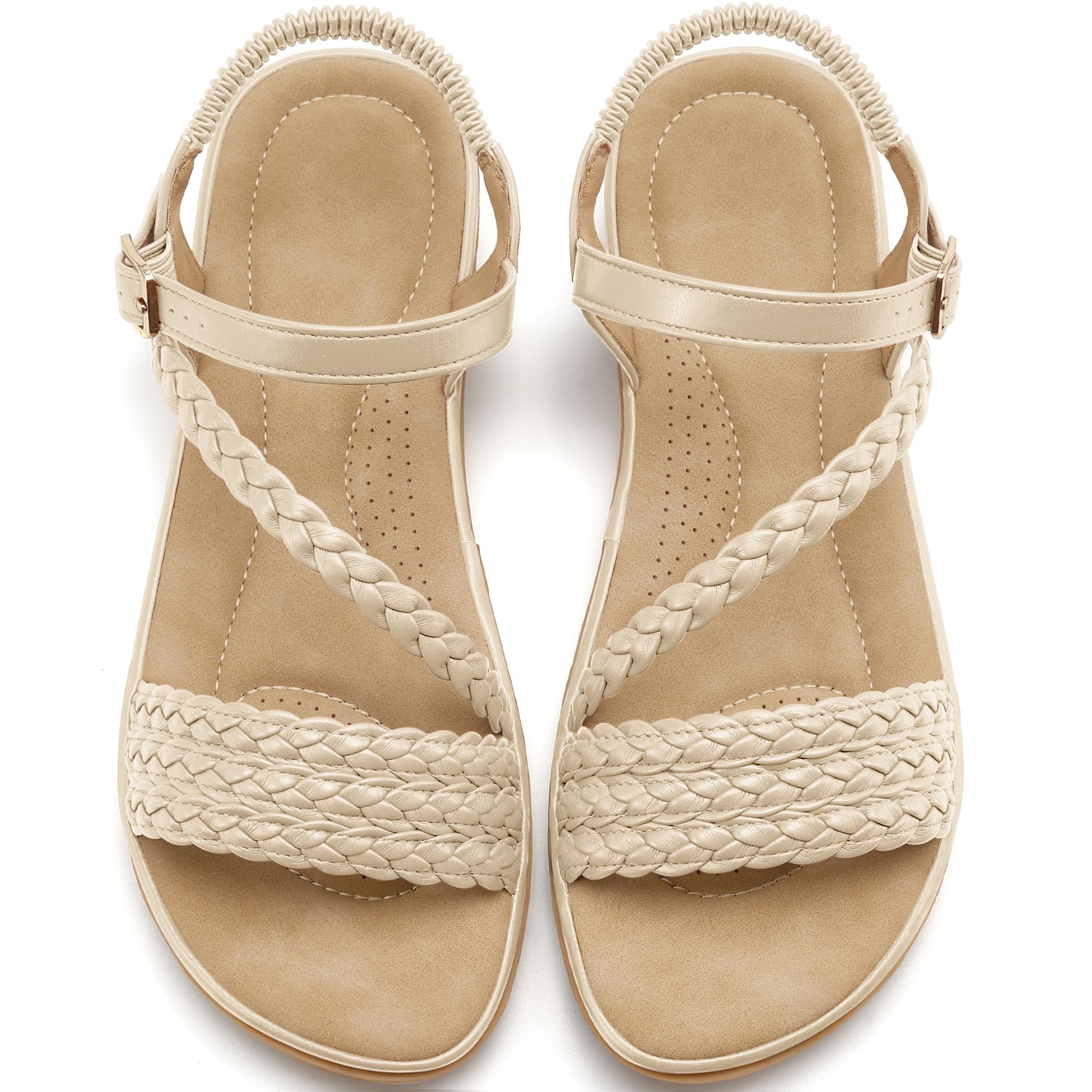
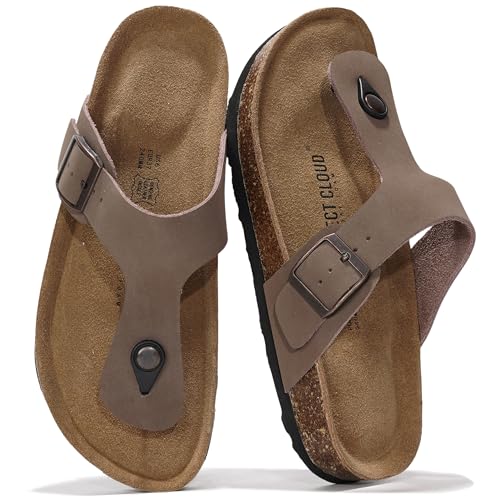
This guide starts with the basics in plain language, then explains each spec and what level to choose. You will learn which colors flatter fair skin, how a sandal should fit, and which extras you can skip. Start with the comparison table below, then work through the sections in order if this is your first pair.




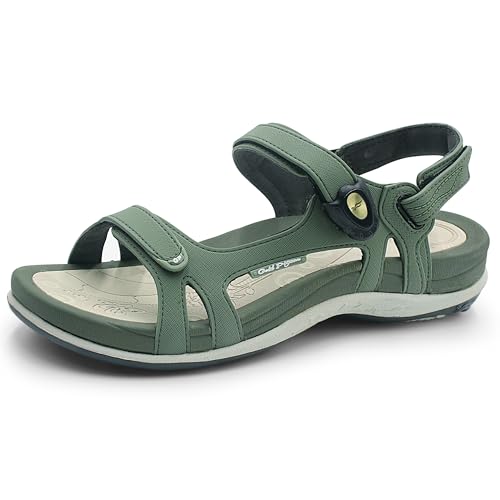

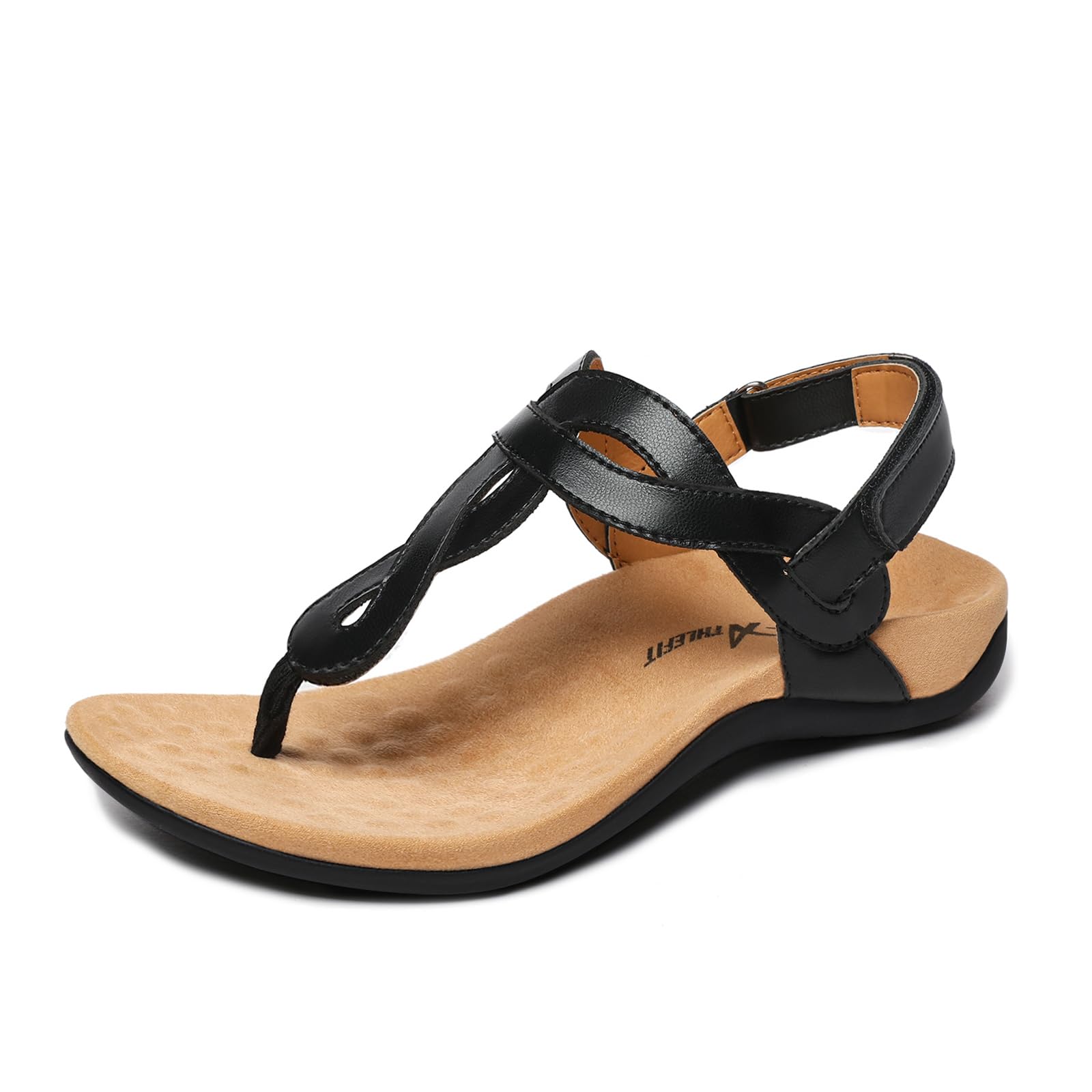
Color Sandals 101: The Basics
A sandal holds your foot with straps over an open sole, so air reaches most of your skin and the shoe feels cooler than a closed shoe in warm weather. The main parts are the upper straps, the footbed your sole rests on, the midsole cushioning beneath it, and the outsole that grips the ground. Color sits in the straps and sometimes in the footbed, and that strap color is what frames your foot and ankle against your skin.
For fair skin, strap width and placement change the color effect as much as the shade itself. Wide straps show more color and create a stronger contrast line, while narrow straps look softer and let more skin show. Keep that in mind as you compare shades, because the same tan can look bold in a wide slide and gentle in a thin strappy style.
Key Specs Explained in Plain English
Features That Matter for Pale Skin
Your undertone decides which sandal colors flatter you most. If the veins at your wrist look blue or purple and silver jewelry suits you, you likely lean cool, and shades such as soft silver, pewter, rose, dusty blue and cool taupe will harmonize well. If your veins look greenish and gold jewelry suits you, you likely lean warm, and shades such as gold, bronze, camel, coral and warm tan add healthy color. Stark white and very pale nude can drain cool fair skin, while a nude matched close to your own tone lengthens the look of your legs. For a wider view of shade families, see our guide to the best color for sandals.
Fit, Sizing, and Toe Box
Measure and try sandals in the afternoon, when feet are at their largest after a day of standing and walking. Your heel should sit fully inside the back edge of the footbed, and your toes should rest inside the front edge with a small margin, never hanging over. The toe area should let your toes lie flat and spread a little, because cramped toes rub against straps and cause blisters. If you fall between sizes, most open sandals fit better in the larger size, especially when straps adjust with buckles or hook and loop closures.
Weight and Flexibility
A light sandal tires your legs less on long days, but the sole still needs enough substance to protect you from sharp ground and hot pavement. Flex the sandal by hand before you wear it outside. It should bend at the ball of the foot, where your own foot bends, and it should resist twisting hard through the middle. A sole that folds in half like cloth offers little support, while a board stiff sole fights your stride and can strain your calves on hills.
Upper Materials and Breathability
Leather straps soften with wear, mold gently to your foot and handle dressier outfits well, though they need time to dry after rain. Synthetic straps dry faster, often cost less and come in the widest range of metallic and pastel shades that suit fair skin. Fabric and knit straps feel soft at once and rarely bite on the first wear, but they can hold moisture after a wet walk. Whatever material you choose, check that strap edges feel smooth against your skin, because pale skin often shows red rub marks quickly.
Break In Period and Comfort Out of the Box
Most sandals need a short break in period while straps soften and the footbed learns the shape of your sole. Wear a new pair around the house for an hour or two a day across several days before you plan a long outing. Cushioning should feel comfortable from the first steps, since deep softness that bottoms out will only get worse. If a strap cuts or a seam presses in the same spot each time, exchange the pair rather than hoping the problem will vanish, because fit faults rarely fix themselves.
Water Resistance and Membranes
Most summer sandals are open by design, so full waterproof membranes matter less here than in closed shoes. What matters is whether the straps and footbed tolerate splashes, poolside use and sudden rain without staining or staying soggy for hours. Leather can spot and stiffen after soaking, while many synthetic straps shrug off water and dry by morning. If you expect regular wet use at the beach or lake, choose quick drying straps and a textured outsole, and rinse sand and salt away after each outing.
Rookie Mistakes to Avoid
- Buying by dress size logic. Sandal sizes vary by brand, so measure your foot in inches and check the brand size chart every time.
- Choosing stark white for every outfit. Bright white can make fair skin look paler by contrast, while soft ivory, silver or blush often looks warmer.
- Ignoring strap rub points. Walk indoors on carpet first and return any pair that leaves red lines within twenty minutes.
- Wearing a new pair all day at once. Skipping the break in period is the fastest route to blisters on a trip or event day.
- Forgetting sun care. Open straps expose new skin lines to the sun, so apply sunscreen to your feet and reapply after swimming.
Getting Started: Setup and First Use
When your sandals arrive, adjust every strap so the foot sits centered and secure without pinching, then walk on a clean indoor floor to confirm the fit. Keep the box and return paperwork until you have worn the pair indoors on two separate days without hot spots. On your first outdoor wear, choose a short flat route and carry simple adhesive bandages in case a strap surprises you. For seasonal shade ideas beyond fair skin needs, see our guide to the best color sandals for summer, and for general quality markers across styles, see our guide to the best rated sandals.
Keep undertone in mind, because the best color sandals for pale skin echo your warm or cool tone and avoid the stark white that can wash fair skin out.
Color Sandals: Your Questions Answered
What features matter most in color sandals for pale skin?
Undertone match, strap comfort and a supportive footbed matter most. Choose shades that echo your cool or warm undertone so the color adds life rather than glare, and pick smooth strap edges because fair skin shows friction marks fast. After color, check arch support and outsole grip, since a flattering sandal you cannot walk in all afternoon fails its main job. Adjustable straps help you fine tune fit as feet swell in heat.
How should color sandals for pale skin fit?
They should fit with your heel and toes fully inside the footbed edges and straps snug without digging. Leave a small margin of about a quarter inch beyond your longest toe so downhill steps do not push toes past the sole. The ball of your foot should sit in the widest part of the footbed, and the arch support, if present, should meet your arch without pressing a hard ridge into it. Walk, turn and step up a stair indoors to check the fit before you keep the pair.
How often should I replace my color sandals?
Replace sandals when the outsole tread smooths out, the footbed stays compressed, or straps stretch so much that your foot slides. For a pair worn most days each summer, that often means after two or three seasons, while occasional dress sandals can last far longer. Faded color alone is a style choice, not a safety issue. Cracked straps or a sole separating from the footbed are clear stop signs, because a strap failure mid step can twist an ankle.
How long is the break in period for color sandals?
Most pairs settle within three to five short wears across about a week. Leather straps usually need the full range as they soften and shape to your foot, while soft fabric straps may feel right on the first day. Increase wear time gradually and stop for the day if a hot spot forms, then try again after the skin calms. If pain, numbness or blisters keep returning in the same spot, the fit is wrong and you should see a clinician or a qualified shoe fitter for advice.
Are expensive color sandals worth it for pale skin?
They can be worth it when the extra cost buys better strap materials, real arch support and a footbed that holds its cushioning. Higher prices do not improve color match by themselves, since undertone fit depends on shade choice, not budget. Spend first on fit and comfort, then choose your favorite flattering shade within the pairs that pass those checks. A modest pair in the right bronze or rose will look better on you than a costly pair in a shade that fights your skin.
Final Thoughts
Match the shade to your undertone, insist on smooth straps and a footbed that supports a full afternoon of walking, and give any new pair a gradual break in at home. Those three checks will lead you to best color sandals for pale skin that you reach for all season. Use the product table above to compare the shades and strap styles that fit your short list.