Best Color Combinations for Bedroom Wardrobes by Budget: A Smart Guide for 2026
Disclosure: We may earn a commission when you buy through links on this page, at no extra cost to you. As an Amazon Associate I earn from qualifying purchases. Learn more
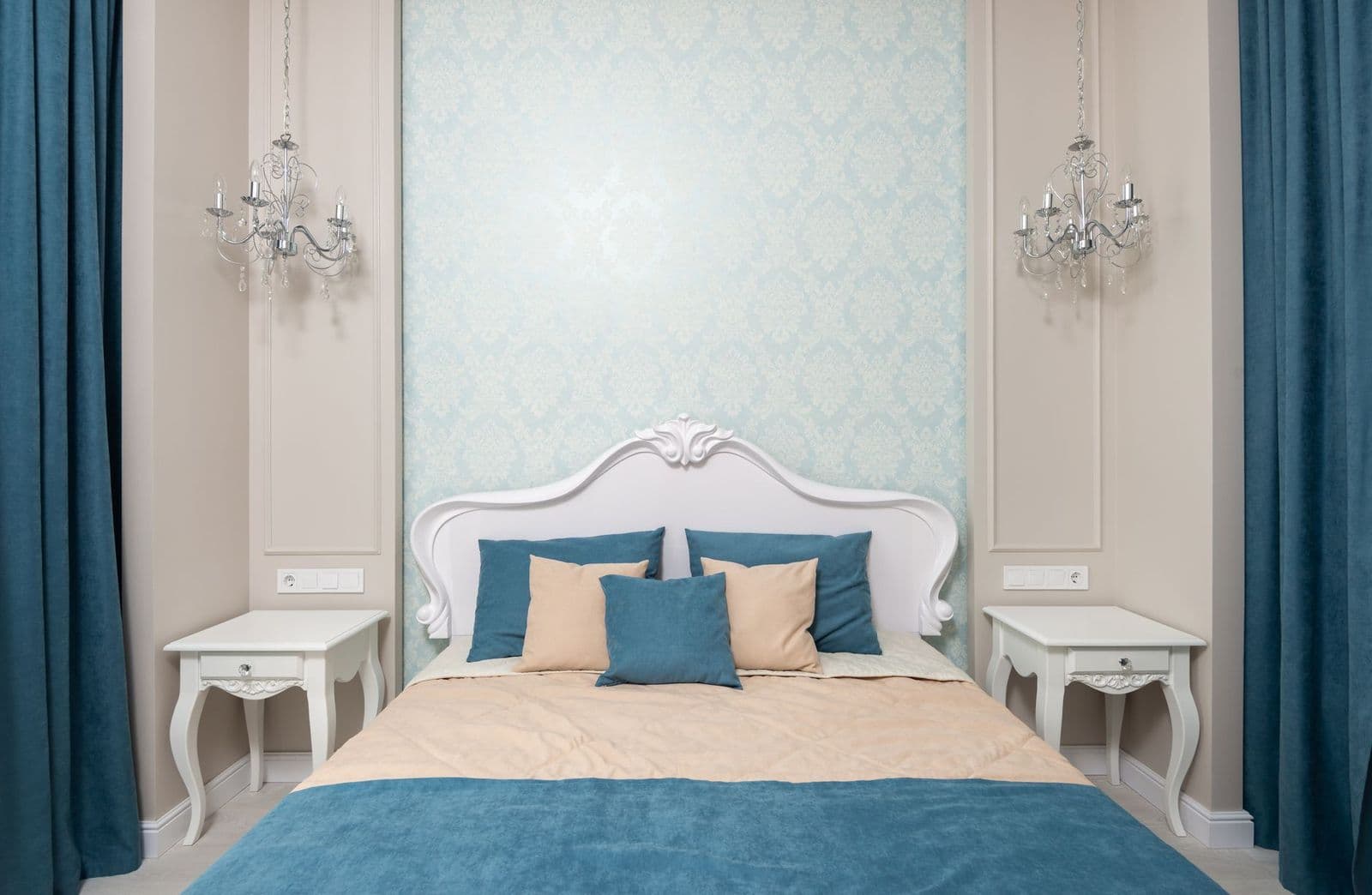
Choose the best color combinations for bedroom wardrobes by budget, with pairing rules for doors, walls, handles and lighting.
Wardrobes cover more wall area than almost any other bedroom furniture, so their color decides whether the room feels calm, cramped, bright, or heavy. Budgets stretch from a simple paint refresh to custom fitted joinery, and the smartest spending depends on which surfaces you change. This guide to the best color combinations for bedroom wardrobes pairs colors by budget tier, so you know where money improves the result and where it does not.
Work through the budget levels and pairing rules before you order doors, paint, or handles you will look at every day.
Color Schemes by Budget
Budget Approach: Paint, Film, and Handles
For about $50 to $300, you can transform existing wardrobes with paint or vinyl wrap in a fresh color, plus new handles in a matching metal. A soft white or warm greige door with brushed brass or matte black handles suits nearly every bedroom and hides minor door imperfections well. This route works best when the wardrobe structure is sound.
The limits are durability and coverage. Paint on busy sliding doors wears at the edges, and wrap can lift in humid rooms if the surface prep is rushed. Spend your care on cleaning, sanding, and priming rather than on premium paint brands; preparation decides how long a budget finish looks crisp.
Midrange Approach: New Doors and Two Tone Design
For about $300 to $1,500, replacement doors and panels open up real two tone design. Pair a mid tone door, such as sage, slate, or warm oak, with lighter side panels or a contrasting interior that shows when doors open. New soft close hinges and coordinated handles complete the built in look without replacing the whole unit.
This tier suits bedrooms you plan to keep for years, because the color sits on factory finished surfaces that resist wear far better than home paint. Measure carefully and order one sample door first if the service allows it, since mid tone colors shift the most under bedroom lighting.
Premium Approach: Fitted Joinery and Layered Color
Premium budgets, often about $1,500 to $5,000 or more for fitted work, buy exact color matching across doors, frames, and surrounding trim, plus premium finishes such as real wood veneer or deep matte lacquer. Designers often layer three tones here: the wardrobe color, a calmer wall color, and a metal accent repeated in lamps and handles.
Pay premium prices when the wardrobe wall is the focal point of the room or when awkward alcoves demand custom sizes. Insist on seeing large finish samples in your room and on written warranty terms for the finish, because color regret at this level is expensive to undo.
What Each Budget Changes in the Room
Budget Level: What to Expect
Expect color change without construction change. You keep the same doors, layout, and interior, and you gain a fresher palette and updated handles. Light neutrals are the safest budget colors because they hide brush marks and blend with most wall colors you may choose later.
Budget work rewards patience more than spending. Thin coats, full drying time, and careful masking produce a finish that looks close to professional. If your doors are damaged or badly warped, though, no color will rescue them, and saving toward replacement doors is the wiser move.
Midrange Level: The Usual Sweet Spot
Most bedrooms land here. Factory finished doors give consistent color across every panel, resist daily knocks, and allow genuine two tone schemes that paint alone rarely achieves cleanly. You also gain quieter hinges and better handles, which make the wardrobe feel new, not just look new.
Choose this tier when the wardrobe carcass is solid and the room layout works. Spend the largest share on the doors you see daily, and keep the interior simple in white or pale gray, which makes clothing colors easier to judge in the morning.
Premium Level: When Spending More Pays Off
Spending more pays off in precision: doors that align perfectly, color matched trim, veneer grain that runs consistently, and finishes that shrug off cleaning. It also buys design help, which matters because premium schemes often use deeper colors that need balancing with walls, bedding, and light.
It does not pay off when the room will be repainted or the home sold soon, since taste specific colors rarely return their cost. If resale is near, premium construction in a broadly loved neutral beats bold custom color at the same price.
Details That Make a Color Scheme Work
Intended Use and Who It Is For
Start with who uses the room. A main bedroom rewards calm, layered color that supports sleep, such as warm white with oak, or sage with cream. A guest room can carry a bolder pairing, since visitors enjoy character and nobody tires of it nightly. Kids rooms need forgiving mid tones that hide marks.
Renters and short stay owners should favor reversible changes: paint, wrap, and handles. Owners settling in for a decade can justify fitted color. Matching the permanence of the work to the length of your stay is the simplest way to avoid wasted spending.
Features That Matter for Bedroom Wardrobes
Light response is the feature most people miss. North facing rooms cool every color, so warm whites and honey oak keep wardrobes from looking gray and dull. South facing rooms intensify color, so muted versions of your favorite shade usually land better than the vivid sample on a card.
Finish sheen matters as much as hue. Matte doors hide fingerprints and small dents and feel modern, while satin reflects a little light and wipes clean more easily. On large wardrobe walls, even a small sheen difference changes how strong the color appears across the day.
Ease of Use and Setup
The easiest color change is the one you finish. Paint and wrap projects suit confident beginners over a weekend, while door replacement needs accurate measuring and basic tools. Fitted joinery belongs to professionals, because small errors show in long door lines and shadow gaps.
Whichever route you choose, test the full combination at real scale first: one painted door, one handle fitted, viewed morning and evening. Color relationships change with area, and a pairing that sings on a sample card can shout when it covers an entire wall of doors.
Maintenance and Long Term Costs
Dark and very light doors both show dust and fingerprints quickly; mid tones and wood looks are the low effort middle path. Matte finishes hide marks but can burnish shiny where hands push daily, so keep a matching touch up supply from the original batch for invisible repairs.
Handles and hinges are the main wear costs over time, and both are cheap to refresh. The broader color pairing principles in our guide to the best color combinations for shoes show how a dominant tone, a support tone, and one accent work at small scale too, and the same rule of three appears in our guide to the best mountain bike color combinations for outdoor gear.
Upkeep Over the Years
Beyond the first change, budget for touch up paint or spare wrap, replacement handles as fashions shift, and eventual refinishing if sun fades one door more than its neighbors. Fitted wardrobes may need hinge adjustment and door realignment over the years, small jobs that keep long color lines looking straight and intentional.
Lighting is a hidden long term cost with real color impact. Warm bulbs can yellow a cool gray wardrobe, while daylight bulbs can make warm white look stark. If you change your lighting later, retest your palette before repainting anything; often new bulbs alone restore the balance you thought you had lost.
Color Combinations: Your Questions Answered
What features matter most in color combinations for bedroom wardrobes?
Light response, sheen, and contrast with the walls matter most. A combination that works in a bright showroom can fail in a dim bedroom, so judge large samples at home across the day. Keep contrast gentle for sleep spaces: wardrobe and wall should differ clearly, but not fight. Handles then add the small, sharp accent that finishes the scheme.
Are expensive color combinations worth it?
They are worth it when they buy fitted precision, durable factory finishes, and a layered palette designed for your light. They are not worth it for bold, personal colors in a home you may sell soon, because buyers discount taste specific joinery. If your stay is short, premium construction in a neutral color is the safer spend.
What are the most timeless wardrobe and wall pairings?
Warm white doors with pale greige walls, oak with soft white, and sage with cream have stayed popular for years because they flex with changing bedding and art. Gray with white is timeless but can feel cool in north facing rooms. Timeless pairings share moderate contrast and muted saturation, which is why they survive trend cycles.
How much should I spend on a color combination?
Match the spend to the wardrobe condition and your stay length. About $50 to $300 refreshes sound doors with paint and handles, about $300 to $1,500 replaces doors for a lasting two tone result, and higher budgets suit fitted work in a long term home. Never spend premium money covering structural problems that color cannot hide.
How do I maintain a wardrobe color combination?
Dust doors weekly with a soft cloth, clean marks with a mild solution, and touch up chips early before they spread. Keep the original paint or finish code written inside a door, because matched touch ups later depend on it. Check handles and hinges twice a year; tight hardware keeps doors aligned and the color lines clean.
How long does a wardrobe color finish last?
A careful paint finish lasts about 3 to 5 years before edges and handles zones need attention, while quality factory finished doors can look fresh for 10 years or more. Sun exposure is the main variable; one sunlit door may fade ahead of the rest. Curtains or blinds during peak sun hours even out the aging.
Final Thoughts
Let your light choose the temperature, let contrast stay gentle, and let one accent repeat quietly across handles and decor. The best color combinations for bedroom wardrobes respect all three rules at whatever budget you set, which is why they still feel right years later. Test the styles you like against your room light and wall color, and commit to the pairing you enjoyed at both morning and evening viewings.