Best Comfortable Blankets 2026: Buying Guide for Every Sleeper
Disclosure: We may earn a commission when you buy through links on this page, at no extra cost to you. As an Amazon Associate I earn from qualifying purchases. Learn more

Choose the best comfortable blankets for warm, cool and all season sleep by fabric, weight, size and care.
Blankets seem simple until weight, warmth, and fabric start pulling in different directions. A cover that feels cloud soft in a photo can feel heavy at 2 a.m., and a light one can leave you cold by January. This guide to the best comfortable blankets explains the main choices in plain language so you can match a blanket to your sleep style, your room, and your washing routine.
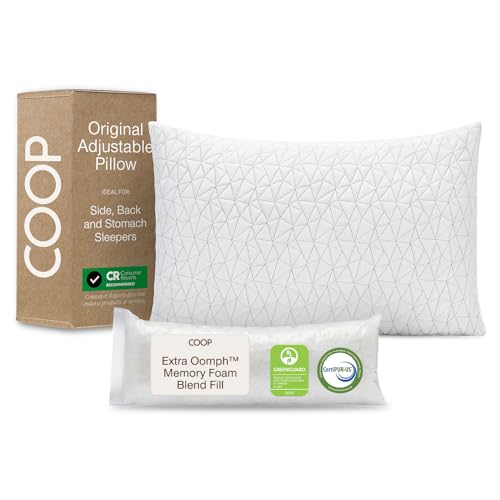
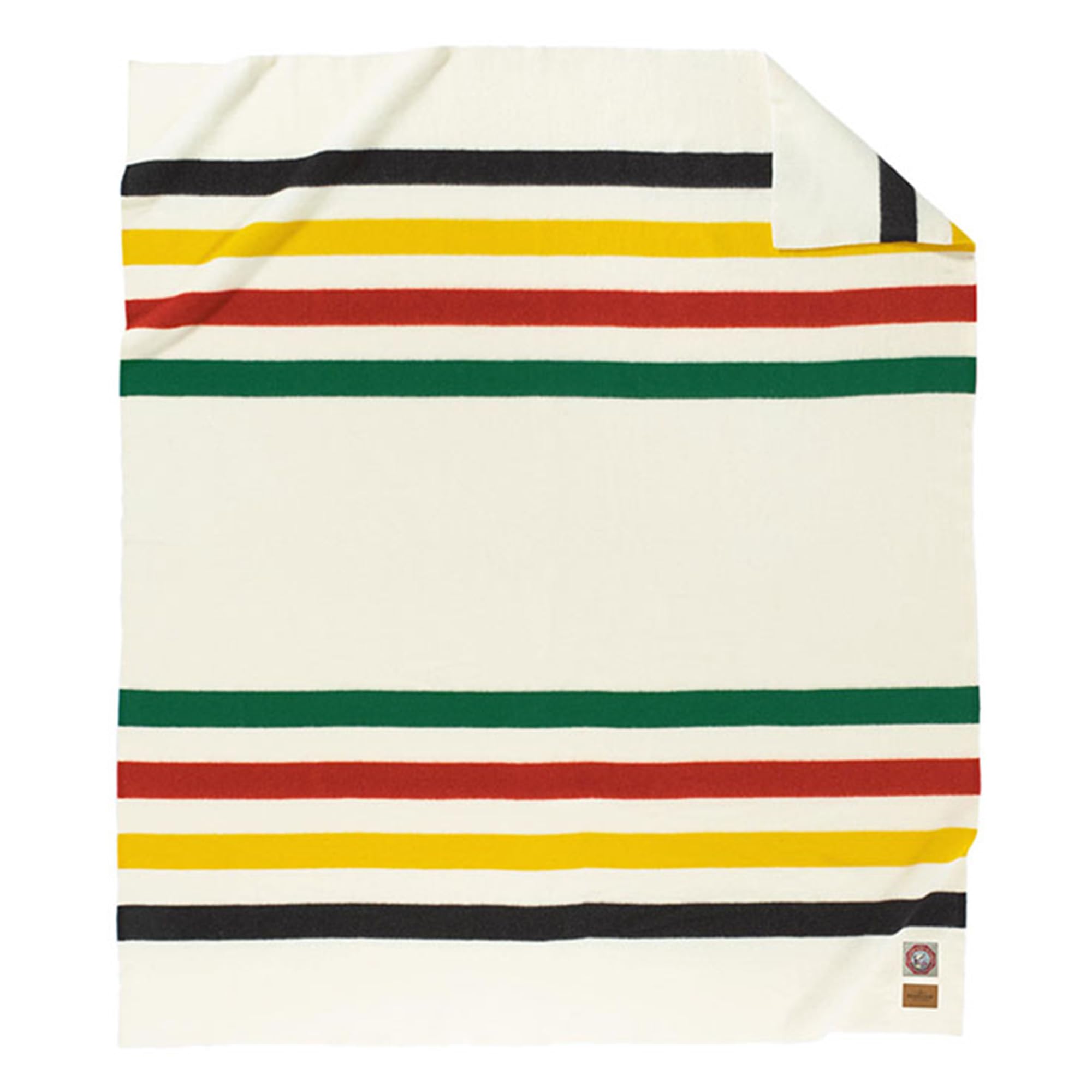
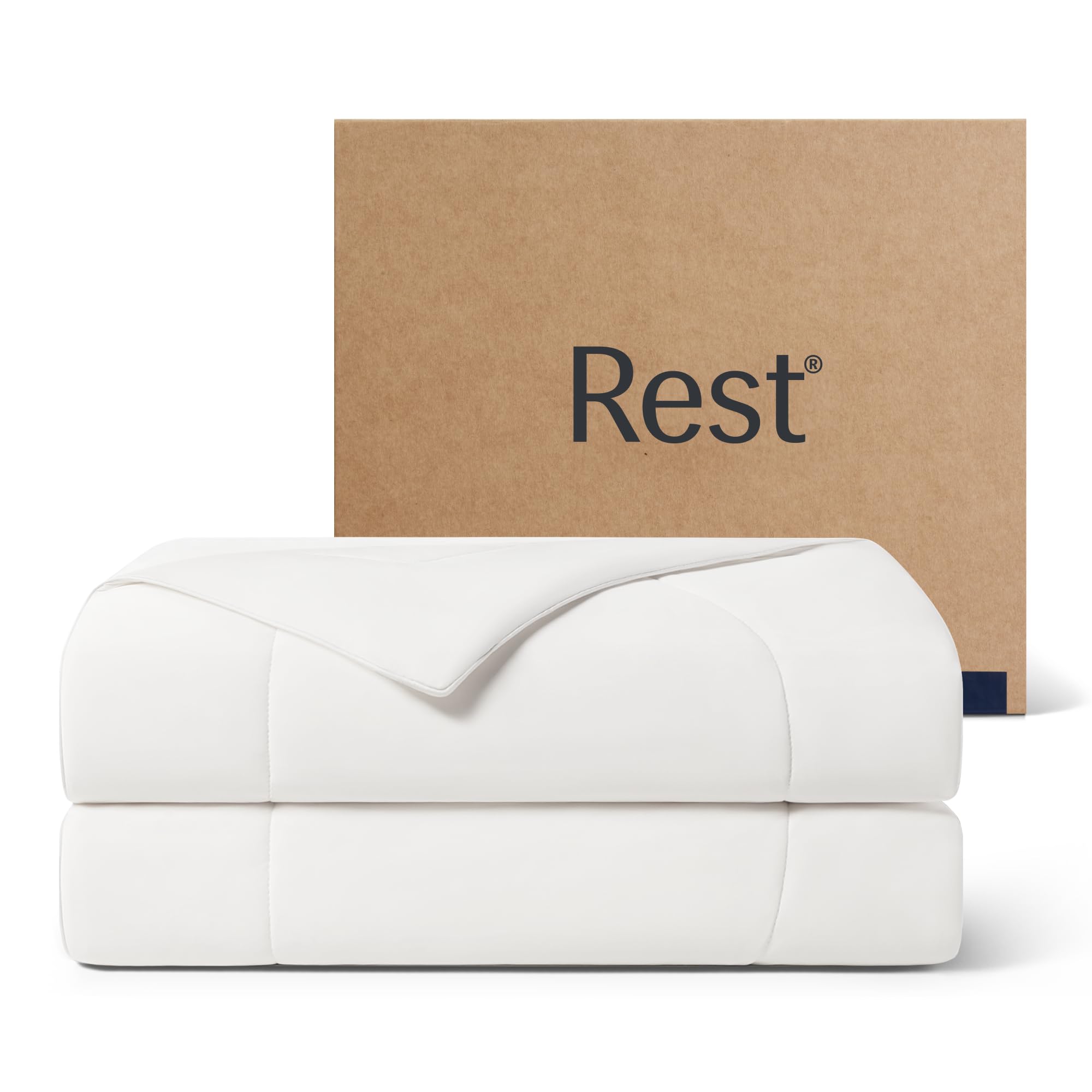
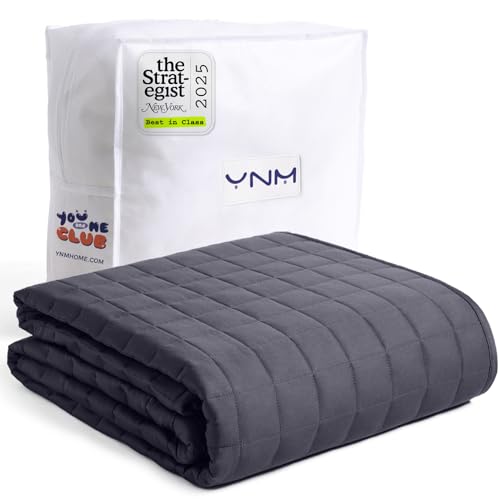
The product table below shows the main types side by side, from fleece throws to weighted and cooling styles. The sections that follow explain what each choice means in daily use.





Who Should Buy Which Type of Blanket
For Warm Sleepers
Warm sleepers do well with open weaves, cotton, bamboo, and linen blends that let air move. A lighter weight avoids trapped heat, and cooling blankets with a smooth, thin surface feel cool to the touch for longer. Look for fabric that dries quickly after washing, because a damp, heavy blanket is miserable on a hot night.
For Cold Sleepers
Cold sleepers need a denser fill, a brushed or sherpa surface, or a layered design that holds warmth without feeling stiff. Wool blends and thick fleece add warmth, and a larger size stops cold gaps at the edges. Check the weight first, because a very heavy blanket feels restful to some people and restrictive to others.
For Shared Beds
Two sleepers rarely agree on temperature. A size that covers both people with room to spare matters most, followed by a medium weight blanket plus a second light layer so each person can add or remove warmth. Washable fabrics matter here, since a shared blanket is used every night.
For the Couch and Reading Corner
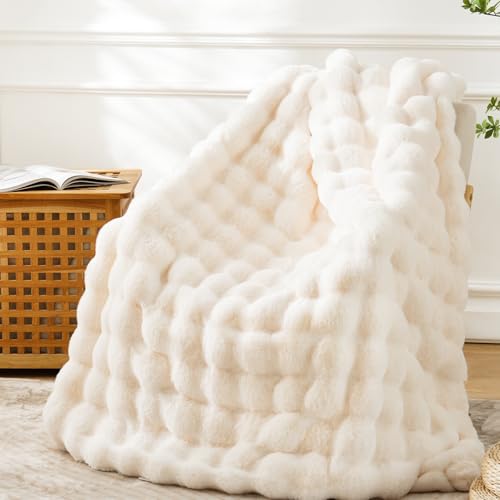
A throw does a different job from a bed blanket. It should feel soft against bare arms, drape over your lap and legs without dragging on the floor, and shrug off pet hair and the occasional spill. Faux fur, sherpa, and chunky knit throws suit this role, and a smaller size that you can fold quickly is easier to live with than a bed sized cover.
Key Features of the Best Comfortable Blankets
Fabric Feel
Fabric decides most of the comfort. Cotton feels familiar and breathes well, bamboo derived fabric feels smooth and cool, wool adds warmth, and fleece feels soft at once but can trap heat. Touch matters more than a label, so read the fiber mix and the weave description before you decide, and watch for surfaces that shed or pill after a few washes.
Weight and Drape
Weight changes how a blanket settles on the body. Light blankets suit warm rooms, medium weights suit most sleepers, and heavy blankets suit cold rooms and people who like a snug, pressed feel. Drape matters too, because a blanket that falls well around the shoulders keeps out drafts.
Size and Coverage
Size should match the bed plus extra drop on each side. A blanket that is too small pulls and exposes feet, while a very large one can bunch and overheat one sleeper. Measure the mattress and allow for a tuck at the foot if you like a tidy finish. Throw sizes vary widely, so check the listed length and width rather than relying on the name.
Care and Durability
Care decides whether comfort lasts. Machine washable blankets suit daily use, while wool and delicate blends may need gentler cycles. Check whether the blanket keeps its shape after washing, and whether the edges and stitching look strong enough for regular use.
Main Types of Comfortable Blankets Compared
Light Cotton and Linen
Light cotton and linen blankets suit summer and warm bedrooms. They breathe well, wash easily, and layer neatly over a sheet. They give little insulation on their own, so pair them with a warmer layer in cold months.
Fleece, Sherpa, and Faux Fur
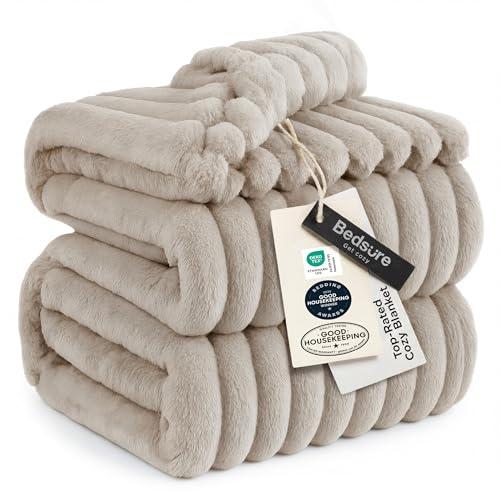
These brushed surfaces feel soft at once and warm up quickly. They suit cold sleepers and winter use, but they can feel too warm in a heated room. Choose a medium pile if you want softness without bulk, and shake out fuzzy styles before the first wash so loose fibers do not end up in the machine.
Wool and Weighted Styles
Wool blankets hold warmth and breathe better than many synthetics. Weighted styles add a snug, settled feel that some sleepers love, though a heavy blanket is not right for everyone. Check the maker guidance on suitable body weight, avoid very heavy designs if you move a lot at night, and never use a weighted blanket for babies or small children. If you have a health condition or any doubt, ask your doctor first.
Cooling Comforter Blankets
Cooling blankets use thin, smooth, or specially woven fabrics to move heat away from the body. They suit hot sleepers who still want something over them, and they work well as a summer layer on top of a sheet. They give less warmth in winter, so keep a second blanket nearby.
Checks Before You Order
Before you order, check the return and washing guidance, the exact size in inches, and the fiber mix. Think about allergies, pets, and how often the blanket will be washed. A good choice balances warmth, weight, and care rather than chasing the softest sample alone. Keep the receipt and the care label until you have washed the blanket once and slept under it for a few nights.
Look closely at the stitching and edges in photos, since thin binding and loose seams are the first places a budget blanket fails. If a listing never names the fabric, treat that as a warning and move on to a clearer one.
Care and Long Term Use
Wash a new blanket before first use if the label allows it, and follow the temperature guidance exactly. Dry it fully before storing, and fold it loosely so the fill stays even. Rotate between two blankets when possible, since rest between uses helps the fabric recover. Repair a loose seam early, because a small tear grows quickly with nightly use.
Bulky blankets store well in a breathable cotton bag or on a closet shelf. Vacuum storage bags save space, but leaving a blanket compressed for months can flatten thick fill, so use them only for off season storage and fluff the blanket afterward. For related ideas, see our guides to the best quality blankets, the best heated blanket, and the best throws and blankets.
Frequently Asked Questions
How do I choose a blanket weight for my room?
Start with the room temperature and your own warmth. A light blanket suits a warm room, a medium blanket suits a cool room, and a heavy blanket suits a cold room or a sleeper who feels the cold. If you share a bed, a medium blanket plus a light extra layer gives both sleepers more choice. Give a new weight several nights before you decide, because first impressions can change.
Are natural fabrics better than synthetics for sleep?
Natural fabrics often breathe better and feel cooler, while synthetics often cost less and wash more easily. Cotton and bamboo suit warm sleepers, wool suits cold sleepers, and fleece suits people who want instant softness. The best choice depends on your room, your skin, and how often you wash the blanket. Read the fiber mix rather than trusting a single fabric claim.
What size blanket should I buy for a shared bed?
Buy one size larger than the bed when two people share it, so each sleeper has enough cover. A blanket that only just covers the mattress will pull during the night and leave one side exposed. Allow extra drop on each side and check the stated size, since sizes vary between makers.
How often should I wash a blanket?
Wash a blanket used every night every few weeks, and wash it sooner after illness, spills, or heavy pet use. Follow the label for temperature and drying, and avoid harsh bleach on colored fabrics. A clean blanket smells fresher and keeps its fill even. Keep a spare blanket ready so washing never leaves the bed bare.
Can one blanket work all year round?
One medium blanket can work all year if you add or remove layers with the seasons. Use it alone in mild weather, add a light cover in winter, and swap to a lighter blanket in hot weather. Layering gives more control than a single very heavy blanket.
Final Thoughts
The right blanket matches your warmth, your room, and your washing routine. Compare fabric, weight, size, and care before you buy, and use the product table above to check the main types at a glance. A calm, well matched choice will serve you far better than a rushed purchase based on softness alone.
When you weigh fit, fabric, and care together, the best comfortable blankets become an easy decision. Choose the one that suits your daily life, and keep the care label handy.