Best Collapsible Storage Bins in 2026: Types, Features and Buying Guide
Disclosure: We may earn a commission when you buy through links on this page, at no extra cost to you. As an Amazon Associate I earn from qualifying purchases. Learn more

Compare the best collapsible storage bins by fold style, closure and capacity, with tips on load limits, stacking and care for closets, garages and moves.
A rigid bin earns its space all year, even during the months it sits empty. Collapsible bins solve that problem, because they fold down to a fraction of their open size when you do not need them. Finding the best collapsible storage bins for your home means matching the fold design, material, and capacity to what you actually store. This guide compares the main types by closure style, materials, and fit, and the comparison table below sums up how each stacks up.
Instead of naming individual models, we walk through the three build styles worth considering, the features that separate a sturdy bin from a flimsy one, and the mistakes that lead to cracked walls.





The Main Types at a Glance
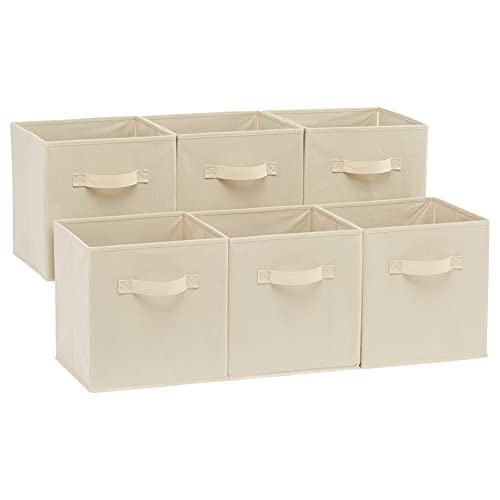
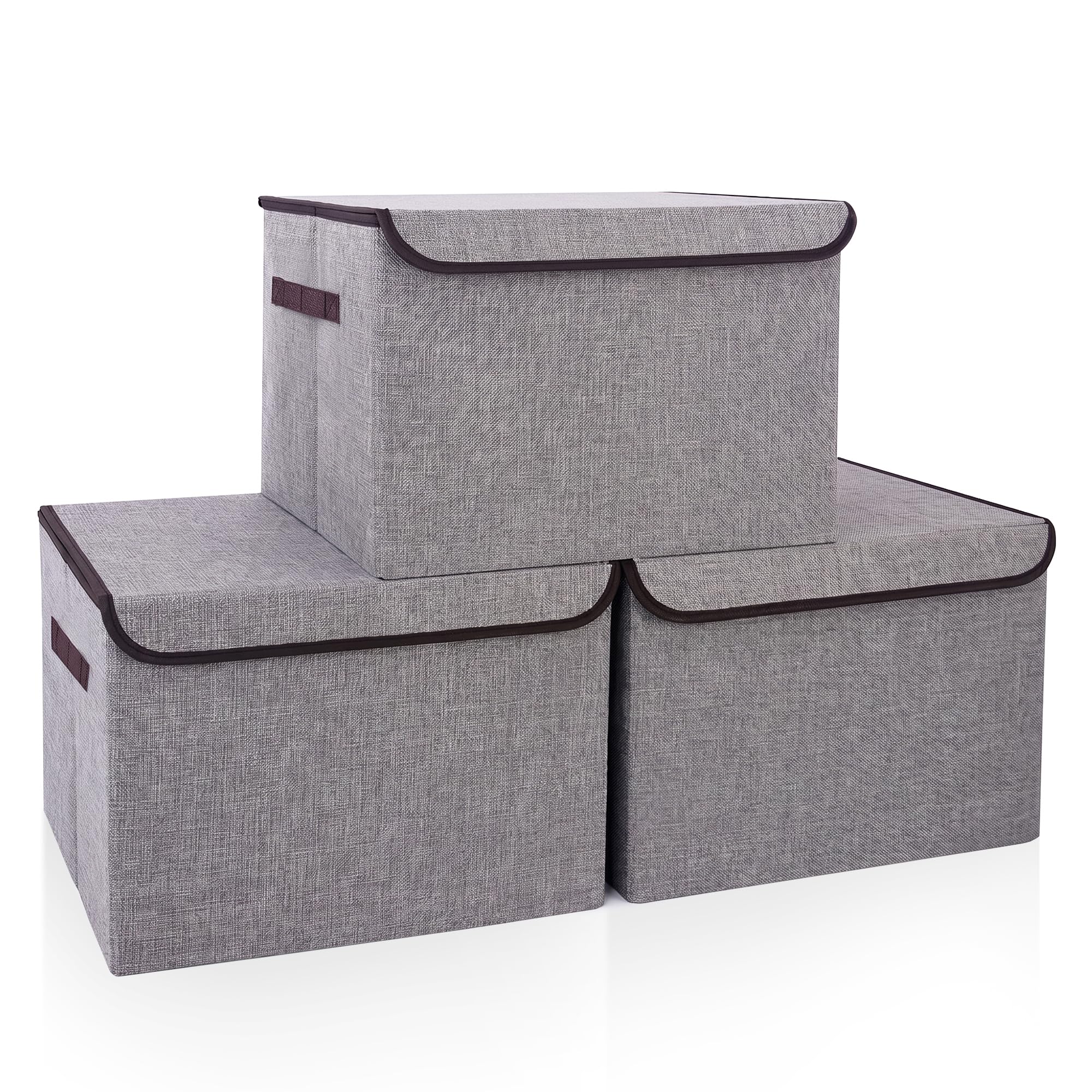
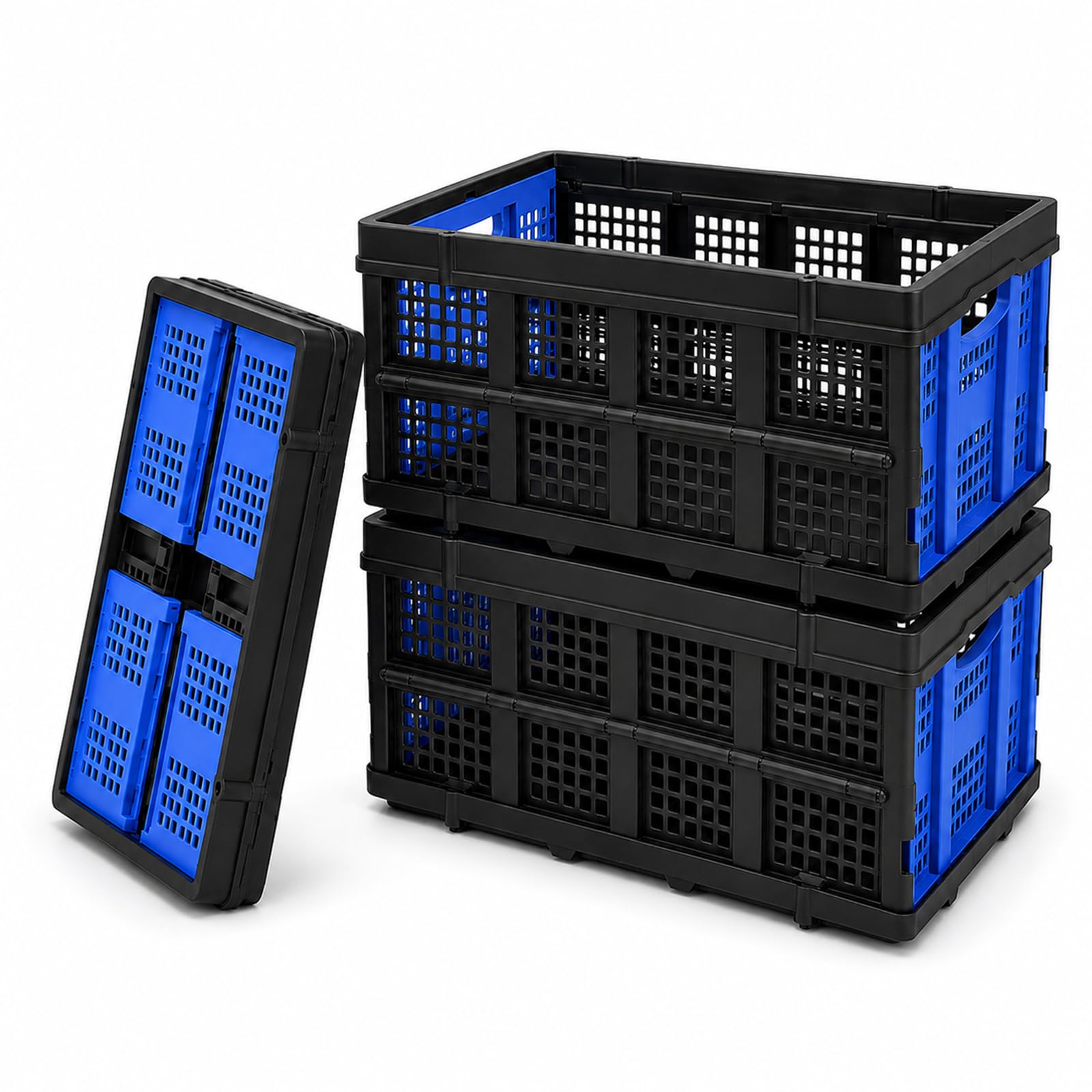
Collapsible bins come in three broad styles, and each one folds in a different way. Hinged plastic crates fold flat when the side walls collapse inward, and they stack neatly when open. Fabric bins use removable boards or wire frames, so the whole bin folds like a thick mat. Collapsible totes pair rigid rims and bases with flexible sides, a middle ground that carries heavier loads than fabric while still shrinking for storage.
Your choice starts with what goes inside. Heavy tools and books point you toward hinged crates or framed totes. Linens, toys, and off season clothing suit fabric bins, which weigh less and treat shelf edges gently. If you are still deciding between collapsible and fixed designs in general, our guide to the best storage bins covers the wider field.
Three Build Styles Compared
Hinged Plastic Crates
This is the classic folding design. The walls pivot on hinges and lock upright with clips or interlocking edges, then fold flat in seconds when you release them. Because the structure is rigid when open, crates stack well and protect contents from being crushed by bins above. The trade off is weight and noise, since hard plastic clatters and adds heft before you load anything. Crates suit garages, pantries, and car trunks, where durability matters most.
Fabric Bins With Support Panels
Fabric bins hold their shape with a stiff base board and, on larger sizes, side panels you can remove or fold. Empty, they compress to a slim package that slides into a drawer or stands behind a door. They are the lightest option and the kindest to painted shelves and wood furniture. The limits are load and moisture, because fabric walls bow under heavy items and absorb spills instead of wiping clean. Choose this style for closets and cube storage units where light weight counts most.
Collapsible Totes With Rigid Frames
Totes combine a firm top rim, a solid base, and sides that fold down in sections, often with a lid that latches. That frame gives you real carrying strength, so a loaded tote travels from room to car without the walls folding inward on your hands. They cost more than crates or fabric bins, and the folded height is thicker than a flat crate. For households that haul seasonal gear to a storage unit often, the sturdier frame justifies the extra money.
How to Compare Collapsible Storage Bins
Five criteria do most of the work when you compare options. Start with the closure, since a latching lid keeps dust out and lets you stack with confidence, while an open top suits items you grab daily. Next look at materials, because wall thickness and hinge quality decide whether a bin survives hundreds of fold cycles. Then check capacity and fit against your shelves, consider cleanup, and weigh all of that against price.
How to Choose the Right Storage Bins
Size and Form Factor
Measure the shelf, closet bay, or trunk space first, then shop for bins that fill it without forcing. Small bins of about 10 to 20 quarts corral cables, craft supplies, and bathroom extras. Midsize options around 30 to 45 quarts handle folded clothes and toys, while large bins of about 60 quarts and up swallow blankets and seasonal decorations. Collapsible designs list two heights, open and folded, and the folded height decides whether empties can stash on top of a wardrobe or under a bed.
Type and Where Each One Works
Clear walls help when you store mixed items and want to spot contents at a glance, though clear plastic shows scuffs sooner. Stackable shapes with flat lids make the most of vertical space in a garage or pantry. Under bed sizes trade height for length, so confirm the clearance beneath your frame before ordering. For damp prone areas such as basements, sealed plastic beats fabric. If your main project is a full garage sort out, our guide to the best storage bins for garage goes deeper on load ratings and shelf fit.
Features Worth Paying For
Lids matter most when bins stack or sit in dusty spaces, and latching lids add security for transport. Handles decide how a loaded bin feels in your hands, so look for grips molded into the frame or reinforced with stitching rather than thin cutouts that bite. Wheels help only on large bins that live on the floor, since a rolling base adds folded bulk. Reinforced corners and thick hinges are worth paying for on any bin you plan to fold often, because those parts take the stress of every cycle.
Closures, Dust, and Material Safety
Few collapsible bins seal fully airtight, and that is fine for clothes, toys, and tools, where a snug lid that keeps dust and light out is enough. If you need true moisture protection for paper records or photos, place items in sealed inner bags first. For plastic bins used near food, such as pantry overflow, check the product details for food contact ratings and BPA free construction, since many storage grade plastics are not rated for food at all. On fabric bins, a removable liner makes washing far easier.
Heat and Cold Limits
Collapsible storage bins are built for rooms, garages, and attics, not for the freezer, microwave, or oven. Thin hinge sections can turn brittle in deep cold and warp near sustained heat, so avoid storing loaded bins against a hot water heater or in a car trunk through a heat wave. Containers rated to move between freezer and microwave are food storage products with different materials, and they belong to a separate purchase decision.
How Much Should You Spend?
Small fabric bins and simple crates often cost under $20 each, and they serve light duty closets well. The middle band, about $20 to $50, buys thicker walls, better hinges, and lids that latch instead of resting loose. Above about $50 you are paying for framed totes with strong load ratings and refined folding hardware. Buying a matched set usually lowers the cost per bin and guarantees clean stacking.
Collapsible vs Other Storage Bins: Pros and Cons
The core advantage is simple. A collapsible bin that stands 12 inches tall when open may fold to about 3 inches, so a stack of empties takes one shelf instead of a whole closet bay. That flexibility suits renters, small apartments, and anyone whose storage needs swell during holidays and shrink after. The trade offs are strength and lifespan, because every hinge and fold line is a weak point that a solid molded bin does not have.
Rigid bins still win for permanent heavy storage, long term stacking under load, and rough transport. When a move is the project, sturdier fixed designs often make more sense, and our guide to the best storage bins for moving explains what survives a truck ride. Choose collapsible when the bin must disappear between uses, and rigid when it stays full for years.
Common Mistakes to Avoid
- Buying by open capacity alone and forgetting the folded size, so empty bins end up stored in the space you meant to free.
- Stacking loaded fabric bins more than two high, which bows the walls and can spill contents when you pull the bottom bin out.
- Forcing a hinge that resists instead of checking for a trapped item, which cracks the joint over time.
- Storing damp items in a closed bin, which traps moisture and leaves mildew on fabric walls.
- Mixing sizes from different sets on one shelf, which wastes space because lids and rims no longer align for stacking.
- Using a collapsible bin as a step stool, since folding walls are rated for storage loads, not body weight.
How to Make Your Collapsible Bins Last Longer
Fold and unfold each bin along its intended lines, supporting the base with one hand while you release the walls with the other. Wipe plastic walls with a damp cloth and mild soap, then dry fully before folding, because grit left in a hinge grinds the joint with every cycle. Fabric bins need spot cleaning only, and support boards should come out before any wash so they do not warp. Store folded bins flat and out of direct sun, since ultraviolet light makes plastic brittle. For clothing rotations, our guide to the best storage bins for clothes pairs well with these steps.
FAQ
Are collapsible storage bins strong enough for books and tools?
Yes, within limits, and the frame style decides how much weight is sensible. Hinged crates and framed totes with load ratings of about 30 to 50 pounds handle books and hand tools comfortably. Fabric bins are a poor match, because the walls bow and the base board can crack under a concentrated load. Keep the heaviest bin at the bottom of any stack and lift with two hands under the base.
How many times can you fold and unfold a collapsible bin?
There is no universal cycle rating, but hinge design is the best clue to longevity. Thick hinges with metal pins or generous living hinges in flexible plastic tolerate years of seasonal use, while thin snap joints on bargain bins may loosen within a year of weekly folding. When a wall no longer clicks upright on its own, or a bin needs force to stay open, retire it to light duty or replace it.
Do collapsible storage bins keep out pests and moisture?
They discourage casual pests but do not seal them out completely. A latching lid blocks dust and makes it harder for insects to wander in, yet folding seams leave small gaps that a determined moth or mouse can pass. For woolens and keepsakes, add sealed inner bags inside the bin, and store bins off a basement floor on shelving so ground moisture stays below the contents.
Can collapsible storage bins go in an attic?
Most can, provided you respect heat. Attics in hot climates can exceed the comfort range of thin plastic, which softens and lets stacked bins lean over a long summer. Reserve attic space for heat tolerant contents such as decorations and luggage, keep stacks low, and avoid placing bins directly under a sun baked roof section. Paper, candles, and electronics belong in a climate controlled room instead.
How do you clean a collapsible storage bin after a spill?
Open the bin fully and shake out loose debris outside. Wash plastic walls with warm water and a small amount of dish soap, working a soft brush along the hinge lines where residue collects, then rinse and air dry with the walls open so no moisture hides in the folds. For fabric bins, blot the spill quickly and let the bin dry standing open before you fold it away.
Should you buy a matched set or mix sizes?
A matched set stacks straighter and looks calmer on open shelves, and most sets include two or three sizes that share the same footprint, which wastes less shelf depth. Mixing sizes makes sense when your storage spots vary, such as a low under bed gap beside a tall closet shelf. If you mix, group bins by footprint on each shelf so every stack still rises in stable columns.
Final Thoughts
The right choice comes down to three questions. What will the bin hold, how heavy is that load, and where will the folded bin live when empty? Hinged crates answer for garages and heavy loads, fabric bins answer for closets and light items, and framed totes answer for hauling between rooms or buildings. Measure your space, favor strong hinges and a lid that latches, and the best collapsible storage bins for your home will keep earning their keep season after season. Before you order, check the product table above to confirm folded height and capacity line up with your shelves.