Best Collapsible Food Storage Containers: Buyer's Guide for 2026
Disclosure: We may earn a commission when you buy through links on this page, at no extra cost to you. As an Amazon Associate I earn from qualifying purchases. Learn more

Compare the best collapsible food storage containers by seals, lid styles, sizes, heat safety and fridge fit.
A crowded kitchen cabinet changes how you shop for storage. If rigid boxes already spill out every time you open the door, the best collapsible food storage containers give you usable capacity when food is inside and a much smaller footprint when the containers are empty. You press the walls down, stack the flat shapes, and free a shelf or a drawer for other daily tools.
This guide helps you match size to your household, choose a lid style for your routine, and set a sensible budget. Use the comparison table below to see the main types side by side. If you want a broader starting point, see our guide to best food storage containers for rigid options as well.
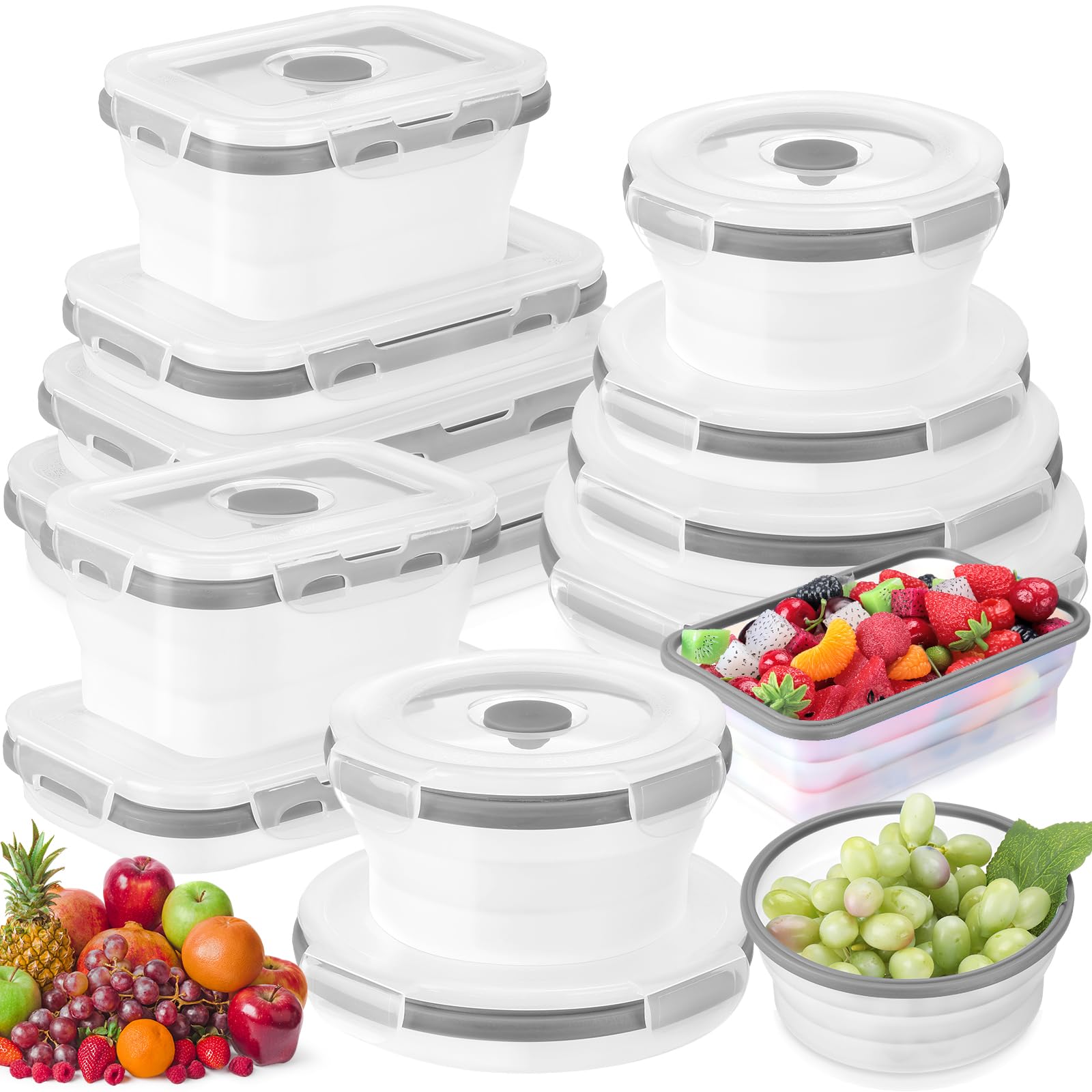

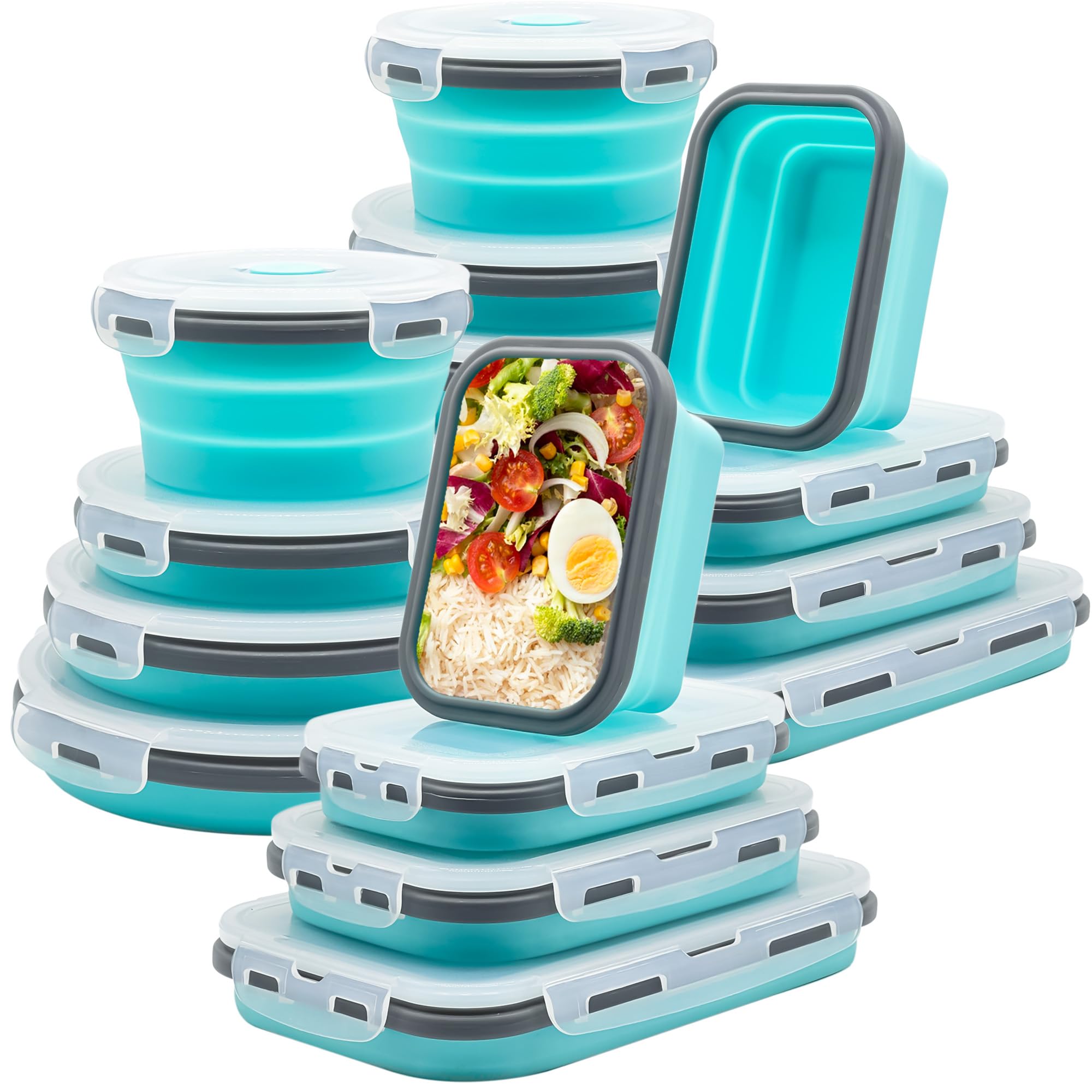
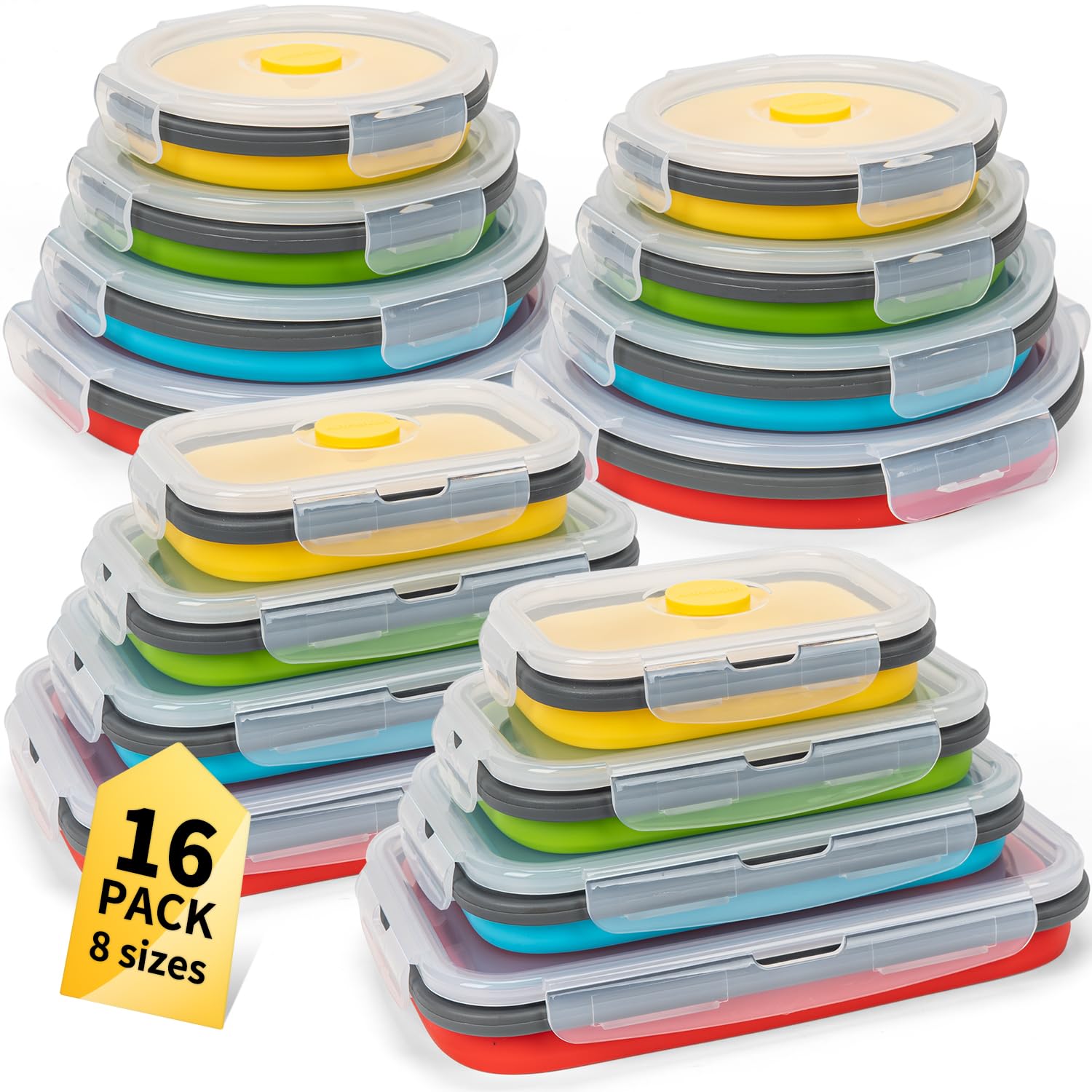

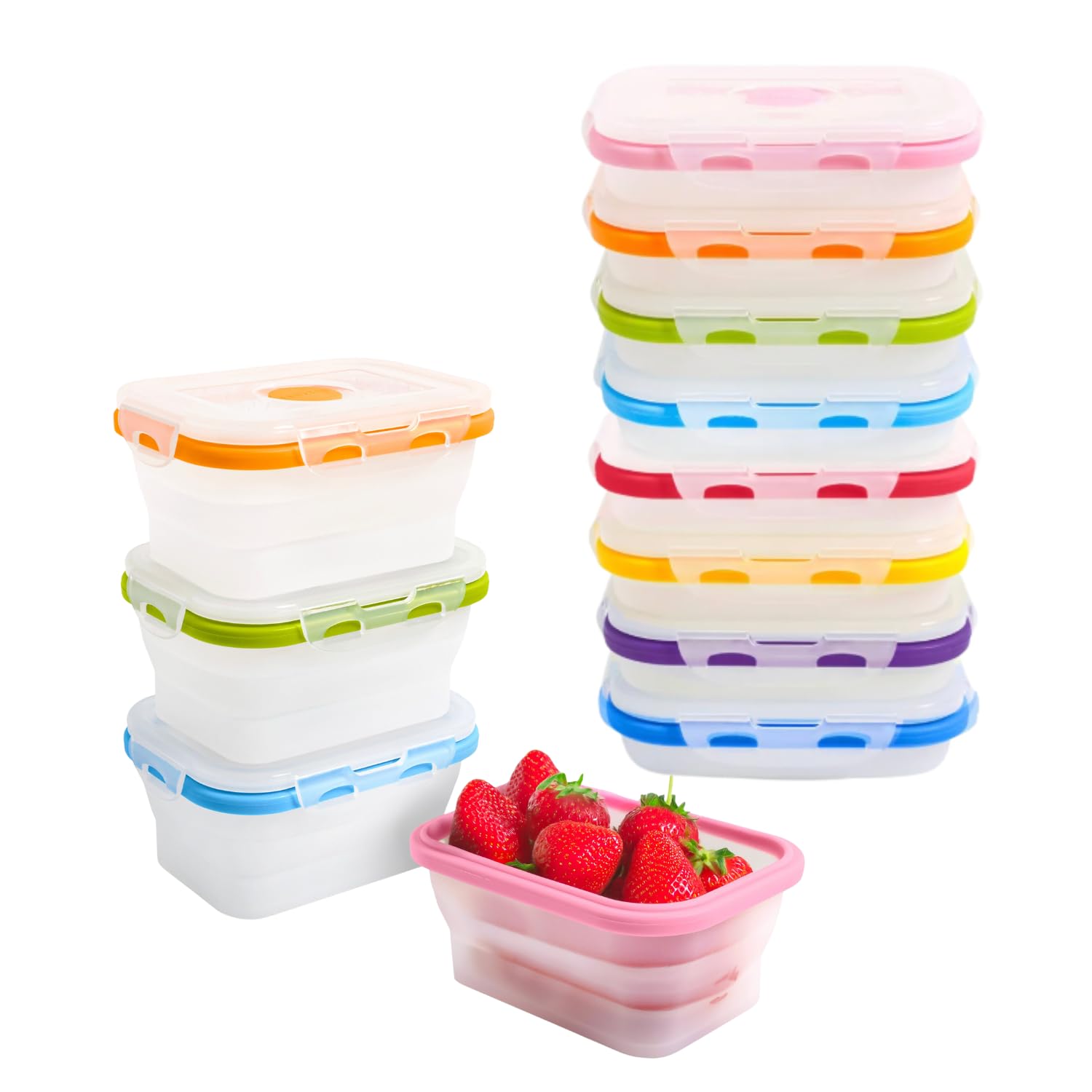


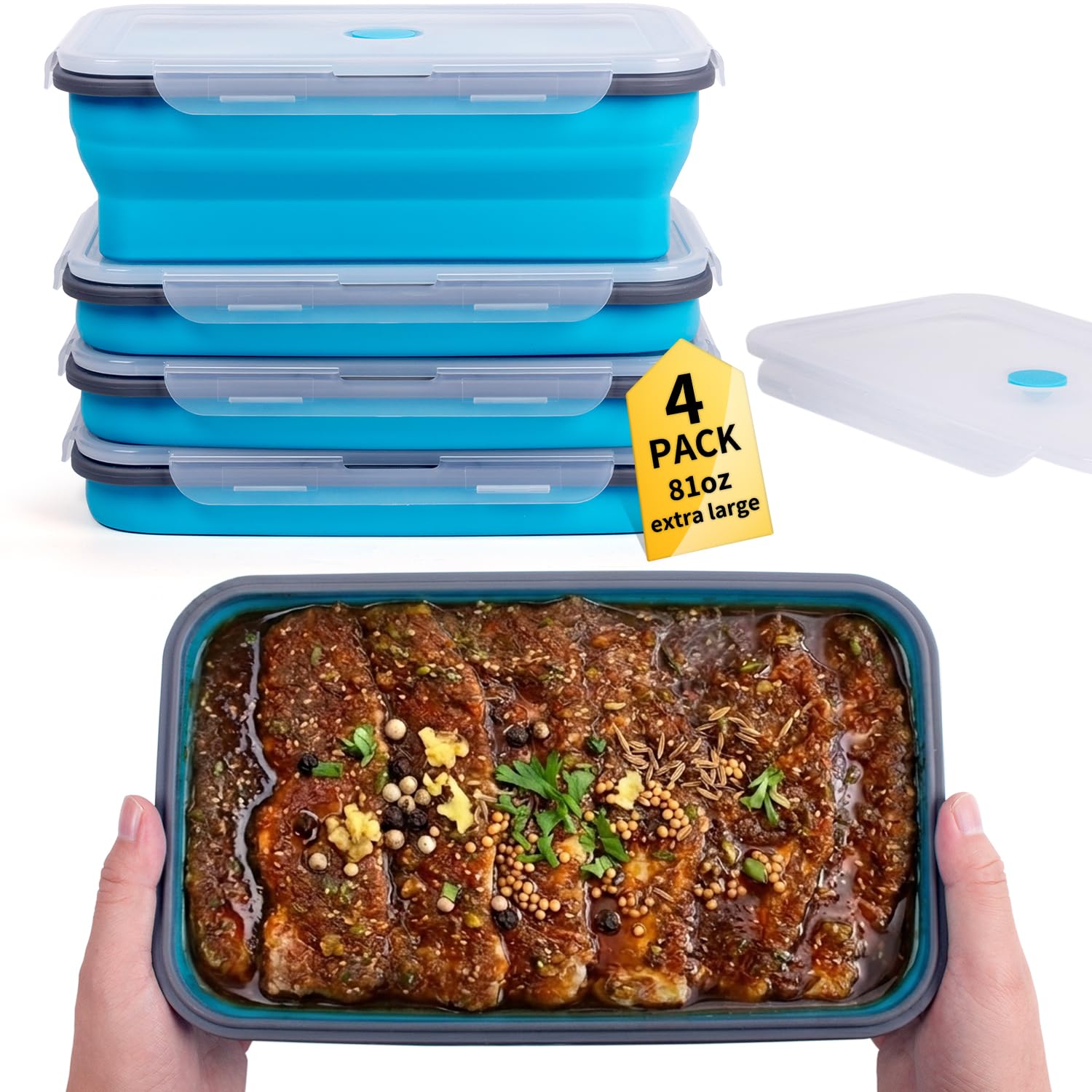
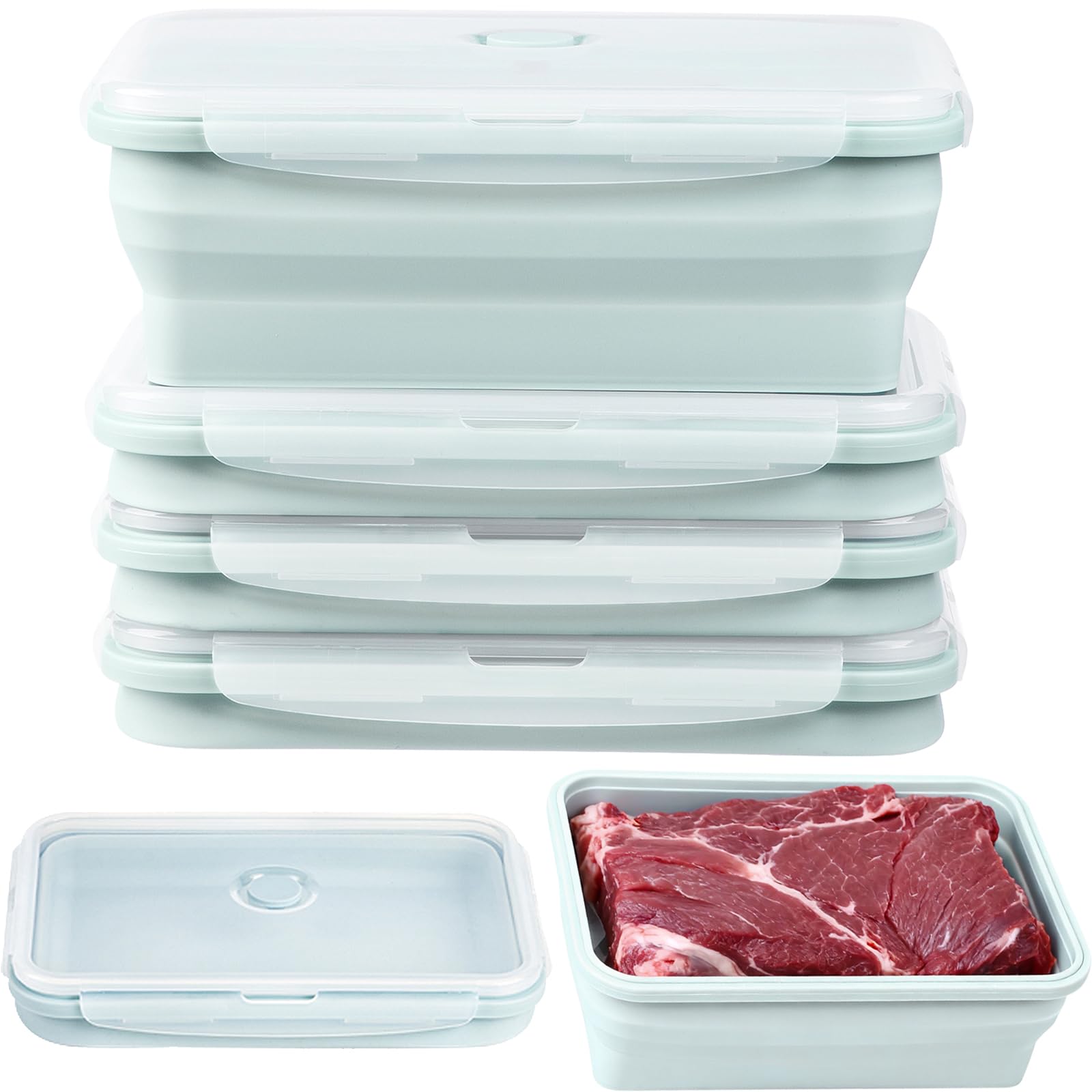
Quick Answer: Three Types That Cover Most Homes
Most buyers need only a few sizes that collapse cleanly, seal well, and survive the fridge, freezer, and dishwasher. The three types in the product table cover small apartments, family kitchens, and lunch routines. Round silicone bowls suit single servings and work bags. Rectangular containers with a firm rim and hard lid stack better for meal prep. Very flat rectangular sets suit tight drawers, where height matters more than maximum capacity.
Before You Buy: A Quick Checklist for Choosing Food Storage Containers
Collapsible containers solve a space problem, but they add trade offs in stability, sealing, and cleaning. Working through size, type, features, materials, heat limits, and price prevents the common regret of buying a set that does not fit your shelves or portions.
Size: Match It to Your Space
Start with the portions you store most often, not the largest meal you cook once a month. A 1 cup size handles sauces and small snacks. A 2 cup size fits a single lunch portion. A 4 cup size holds soup or stew for a family meal. Measure your fridge shelf height and the drawer where empty containers will live, both open and collapsed. A mixed set usually serves a home better than many copies of one size.
Which Type Fits Your Routine
Silicone is the main material for collapsible walls because it folds without cracking and returns to shape when you pull the base down. Some designs add a rigid rim to give the lid a firm edge, which helps with liquids. Others stay fully soft, lighter to pack but less steady on a shelf. If leftovers are your main use, a firm rim and rectangular shape feel more secure. Our guide to best food storage containers for leftovers covers portion and sealing needs for that routine.
Features Worth Paying For and Ones to Skip
A lid that locks on all four sides and a small steam vent are worth paying for because you use them weekly. A vent lets steam escape in the microwave so the lid does not pop off. Labels help when you freeze similar meals at once. Dividers often reduce usable space and slow cleaning in a collapsible wall, so skip them unless you pack dry snacks apart daily. Extra tiny dressing lids also tend to get lost.
Seal Quality and Materials Free of BPA
A good seal uses a silicone gasket inside the lid and even pressure around the rim. Look for food grade silicone walls and lids or rims stated as BPA free. If you are weighing material safety and heat tolerance more broadly, the comparison in glass vs plastic food storage gives helpful context, even though collapsible models rely on silicone rather than glass for the folding part.
Freezer, Microwave, and Oven Safety
Most silicone bodies tolerate the freezer and microwave well, but the plastic lid is often the limit. Many lids are not oven safe and should be removed or set ajar before reheating. Check the stated range for each part, and leave head room for liquids that expand when frozen. For batch cooking, our guide to best food storage containers for freezer covers labeling and portions that pair well with collapsible sets. Never use one on a direct flame unless the maker states that use clearly.
Realistic Budget Ranges
Expect about $15 to $25 for a small starter set, which suits one or two people trying the format. A family set with mixed sizes and locking lids often costs about $25 to $50. Larger or thicker walled sets can reach about $50 to $100, and that money should buy a stronger rim, a better gasket, and replacement lids that are easy to order. Thin walls and a loose lid make a low price a poor saving.
Types of the Best Collapsible Food Storage Containers Compared
Round Silicone Bowls for Lunches and Single Servings
Round bowls collapse into a short disk and fit well in a lunch bag or shallow drawer. They feel natural for soup, yogurt, and cut fruit. The trade off is fridge efficiency, since round shapes leave gaps on a rectangular shelf and stack less neatly when full. Choose this type if portability matters more than perfect stacking. A firm lid matters here because bags tip over, so favor one that snaps firmly around the whole rim.
Rectangular Containers With a Firm Rim for Meal Prep
Rectangular containers use fridge space with fewer gaps, and a firm rim keeps the opening stable while you spoon in hot food. They suit meal prep, stacked leftovers, and family portions. When empty, they collapse to roughly a third of their open height, though the hard lid still takes normal drawer space. Choose this type as your main home set if you cook in batches. It is the most balanced option for most kitchens.
Extra Flat Sets for Small Kitchens and Travel
Extra flat sets focus on collapsed height. Walls fold very low, lids are slim, and a set can sit in a narrow drawer that would never hold rigid boxes. The compromise is sturdiness, since thinner walls flex more when you lift a full container by one edge. Choose this type for studio apartments, dorm rooms, and camping kits where space is the hard limit. Support the base when you carry liquid, and avoid overfilling past the inside line.
How We Evaluate Collapsible Containers
Our process uses five criteria. Seal and freshness come first, judged by gasket design and lid pressure. Materials come next, with attention to food grade silicone and clear safety statements for every part. Capacity and fit follow, including open and collapsed height. Cleaning matters because folds can trap food and odor. Value comes last, weighing price against lid quality and replacement parts. We rely on maker specifications and patterns in verified buyer feedback.
Collapsible Compared With Rigid Containers: What Works and What Does Not
The clear win is storage space. A collapsed set can free a full shelf, which matters in small homes where you cannot add cabinets. Walls also travel well and do not crack when dropped the way hard plastic can. On the other side, they feel less rigid when full, can hold odors from curry or garlic if not washed promptly, and lids still need normal space. If you prefer oven use for reheating, the options in best glass food storage containers may suit you better.
Many homes keep rigid containers for the pantry and oven serving, and use collapsible ones for the fridge, freezer, and food on the go. That mix gives stability where you need it and space savings where space is tightest.
Common Mistakes to Avoid
- Buying the largest set on sale without measuring fridge shelves and drawers, so full containers do not fit where you planned to store them.
- Filling a container to the very top before freezing, so expanding food pushes the lid up and breaks the seal.
- Putting a plastic lid in the oven or leaving it sealed tight in the microwave, so heat warps the lid or builds pressure inside.
- Lifting a full container by one corner of the rim, so the soft wall flexes and liquid spills over the low side.
- Storing empty containers fully sealed while still damp, so trapped moisture creates a stale smell inside the folds.
- Choosing only one size for every food, so small portions rattle in large boxes and large portions get split across many small ones.
Cost of Ownership and Care
Ownership cost stays low when the lids last. Replacement lids and gaskets are the parts you are most likely to need, so favor designs where the maker sells them on their own. Wash the containers soon after use, pull the walls fully open, and scrub the fold lines with a soft brush so sauce and oil do not settle in the creases. For a full routine on stains and odors in all container types, see how to clean food storage containers. A short soak in warm water with baking soda helps lift lingering smells from silicone. Dry every part fully before you collapse and stack it, and store lids loosely rather than sealed tight.
Inspect walls and rim every few months. Small tears near a fold, a gasket that no longer sits flat, or a rocking lid signal that a piece should be retired from liquid use, though it can still hold dry snacks. Avoid sharp knives inside, since cuts in silicone grow and weaken the wall.
FAQ
Are collapsible food storage containers worth it for a small kitchen?
Yes, if cabinet or drawer space is your main limit. A collapsed set can take roughly a third of the height of the same set left open, so you gain room without giving up capacity at meal time. They are less worthwhile if you have ample cabinets and mostly reheat food in the oven, since rigid glass handles that job better. Start with a small mixed set and add pieces only after a month of real use shows which sizes you reach for.
How do you remove odors from collapsible food storage containers?
Wash the container fully open so every fold is exposed, then soak it in warm water with a spoon of baking soda for about an hour before rinsing. Sunlight on a clean, dry container for a short period can also reduce a lingering smell from foods such as onion or curry. Avoid scented cleaners, since silicone can hold fragrance as easily as it holds food odor. If an odor survives two washes and a soak, reserve that piece for dry goods only.
How long do collapsible food storage containers last with daily use?
A well made silicone container often lasts several years of weekly use when you avoid cuts, direct flame, and harsh scrubbing pads. The lid and its gasket usually wear out first, since they flex and heat more often than the body. Checking the seal with water every few months helps you spot wear early. Replacing a lid or gasket, when the maker offers spares, extends the life of the whole piece and costs less than a new set.
Are expensive collapsible food storage containers worth the extra cost?
Paying more can be worth it when the extra money buys a thicker wall, a firm rim, and a gasket that seals evenly, because those parts decide whether liquids travel safely. It is not worth it when the price only adds extra tiny pieces, decorative colors, or dividers you will not use. Compare the cost per size you will actually use, not the total piece count on the box, since lids and small dressing pots inflate that number quickly.
Can collapsible food storage containers go in the dishwasher?
Most silicone bodies and many plastic lids are stated as dishwasher safe, and the top rack is the safer place for lids so heat does not warp them. Open the container fully before loading so water reaches the folds, and remove the gasket now and then for a separate wash. Hand washing takes only a minute and can be gentler on the gasket. Check the care note for your exact set, since lid materials vary more than silicone bodies do.
Final Thoughts
Choose the type that matches your tightest space and your most common portion, get the seal and lid right, and keep the set small enough that every piece earns its place. The product table above sums up the three types, so you can compare height, shape, and lid style at a glance before you order. For most homes, the best collapsible food storage containers are the rectangular firm rim style for daily fridge use, with a round bowl or two added for lunches away from home.