Best Collab Shoes: 2026 Buying Guide for Collectors
Disclosure: We may earn a commission when you buy through links on this page, at no extra cost to you. As an Amazon Associate I earn from qualifying purchases. Learn more

Compare the best collab shoes by base models, fit, authenticity checks and price ceilings.
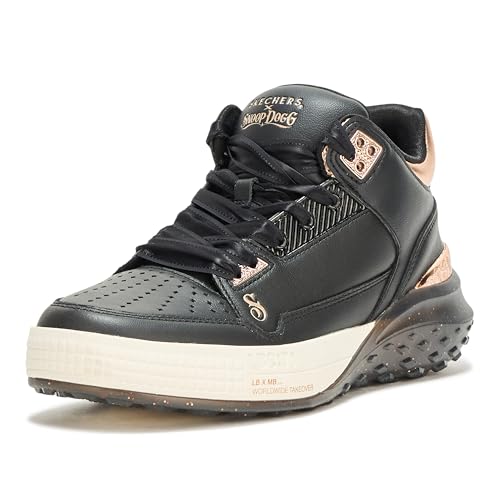
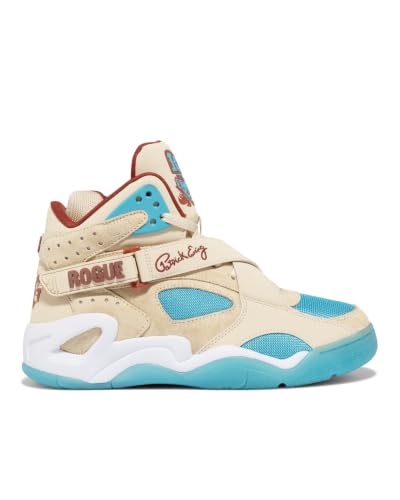
Collaboration shoes, often called collabs, pair a footwear brand with a designer, artist, athlete, or another brand. The best collab shoes for you balance the story and styling you love with the comfort and durability you actually need. This guide explains how to judge limited releases without overpaying for hype alone.
Collabs range from subtle color updates on familiar models to bold redesigns with new materials and tooling. The base model underneath matters most for comfort, since a striking color cannot fix a poor fit. The comparison table below outlines common collab types, and the sections that follow explain pricing, authenticity, and care.



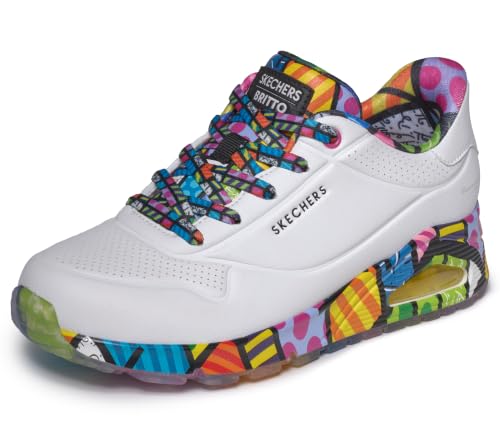
Who Should Buy Collab Shoes
Collectors and fans
Collectors value the story, packaging, and rarity behind a release, and they often keep pairs unworn or lightly worn. If collecting drives your purchase, research the collaboration history and production numbers before paying a premium. Store collectible pairs away from sunlight and moisture to protect materials and colors.
Everyday wearers who love the look
Many buyers simply love a collab color or design and want to wear it daily. In that case, judge the base model for fit, cushioning, and outsole durability first. A daily wear collab should earn its place through comfort, not just appearance, since worn shoes lose resale appeal quickly.
Key Features of the Best Collab Shoes
Base model and fit
Identify the base shoe underneath the collaboration, since its last, cushioning, and sizing carry over. Read fit notes for that model and try it in a regular color when the collab sells out in your size. Limited sizing runs mean you may need to act fast, but never buy the wrong size hoping it will stretch.
Materials and construction
Collabs sometimes upgrade materials to premium leather, suede, or special textiles, while others change only colors. Premium materials can improve feel and aging, but they may also need more care and weather protection. Check whether the upper, lining, and outsole differ from the standard model or merely look different.
Price and resale reality
Retail prices for collabs often exceed standard models, and resale prices swing with hype and restocks. Set a personal ceiling before a release and avoid panic buying at inflated prices. Remember that worn pairs resell for far less, so daily wear value matters more than speculative resale hopes.
Price Tiers and What They Deliver
Collabs around $90 to $150 usually offer color updates on popular everyday models. Collabs around $150 to $250 often add premium materials, special packaging, and limited numbering. Collabs above $250 tend to involve high fashion or rare materials, where story and scarcity drive most of the premium.
Living With Your Choice Day to Day
Protect suede and light colors before first wear, rotate pairs, and clean gently with products suited to the material. Buy from authorized sellers or trusted platforms with authenticity checks, since popular collabs attract counterfeits. If foot pain persists in a new pair, talk with your clinician rather than blaming the collaboration itself.
A Final Check Before You Order
Research the base model before release day, including fit notes, cushioning character, and common sizing advice from owners. Collaboration hype moves fast, and buyers who research early avoid panic purchases in the wrong size. Try the base model in a regular colorway when possible, since fit carries over exactly. Knowing your size in the base model turns a frantic release into a calm decision.
Set a firm price ceiling before the release, including shipping and any platform fees, and stick to it when resale prices spike. Hype fades, restocks happen, and new colorways follow popular releases more often than collectors admit. A ceiling protects you from regret spending driven by countdown timers and social pressure. The right pair at the wrong price still feels wrong weeks later.
Verify the seller carefully, especially for sold out releases where counterfeits flood the market. Authorized retailers, brand stores, and platforms with authentication checks offer the safest routes. Compare box labels, stitching, materials, and packaging against trusted references, and keep receipts and photos. A bargain far below market price for a sold out collab usually signals a fake.
Decide before buying whether the pair is for wearing, collecting, or both, since the answer changes how you treat it. Wearers should prioritize fit and comfort over pristine boxes, while collectors should plan storage away from sunlight and moisture. Mixed goals cause regret, such as wearing a collectible once and then mourning its lost condition. Clear intent makes the purchase satisfying either way.
Mistakes Worth Avoiding
Do not buy the wrong size hoping it will stretch or shrink into fit, since limited releases rarely allow exchanges. Leather stretches slightly, but knit and synthetic uppers hold shape, and no material fixes a full size error. Missed size is better than wrong size, since a wrong size pair gathers dust or causes pain. Wait for restocks or other colorways rather than forcing a poor fit.
Do not pay inflated resale prices on impulse during release hype, since prices often settle within weeks as supply and demand clarify. Watch the market calmly, set alerts at your ceiling price, and walk away when prices exceed it. Patience saves money more reliably than speed, and most collabs return through restocks or similar releases. Hype rewards sellers, not rushed buyers.
Do not store collectible shoes in damp, sunlit, or airtight plastic conditions, since moisture breeds mold, sunlight fades colors, and sealed plastic traps humidity. Use a cool, dry, ventilated space with shoe trees or stuffing to hold shape. Inspect stored pairs periodically for yellowing soles and material separation, since early detection allows care. Proper storage preserves both enjoyment and value.
Do not treat collab shoes as investments, since most releases lose value once worn and many lose value even unworn as tastes change. Buy pairs you love wearing or displaying, and treat any resale gain as a bonus. Spending money you cannot afford on speculation risks financial strain for fashion returns. Enjoy the culture, but keep the budget grounded in reality.
One More Check Before You Decide
Join release calendars and brand newsletters for collaborations you genuinely want, since early notice beats frantic last minute hunting. Set alerts only for releases that fit your style and size, avoiding impulse buys driven by general hype. Research past releases from the same partners to judge whether quality and comfort match the story. Informed collectors buy fewer pairs and enjoy each one more.
Document your collection with photos, purchase dates, and receipts, whether you wear pairs or keep them stored. Records help with insurance claims, resale listings, and warranty questions, and they track which pairs need care. Photograph labels and boxes alongside the shoes, since box condition matters for collectors. Simple documentation protects both enjoyment and value over years of collecting.
Frequently Asked Questions
What is a collab shoe?
A collab shoe results from a partnership between a footwear brand and a designer, artist, athlete, celebrity, or another brand. The partner influences colors, materials, storytelling, and sometimes the design itself. Some collabs rework a classic model deeply, while others only recolor it. The base model underneath still determines fit and comfort.
Are collab shoes more comfortable than regular shoes?
Comfort depends on the base model, not the collaboration name on the box. A collab on a well cushioned runner will feel like that runner, while a collab on a stiff fashion shoe will feel stiff. Check the base model fit and cushioning before buying. Paying more for a story does not add arch support or softness.
How can I avoid fake collab shoes?
Buy from the brand, authorized retailers, or resale platforms with strong authentication checks. Compare box labels, stitching, materials, and smell against known genuine pairs, and be wary of prices far below market. Keep receipts and photos of labels for any future resale. If a deal looks too good for a sold out release, it probably is.
Should I wear collab shoes or keep them unworn?
Wearing them brings the enjoyment you paid for, while keeping them unworn preserves resale value and condition. Many buyers wear one pair and keep another, though that doubles the cost. Decide before buying whether you value daily enjoyment or collection value more. There is no wrong answer, but regret usually comes from mixing the two goals.
Do collab shoes hold their value?
Some collabs gain value through rarity and cultural demand, while many others fall back near retail or below once hype fades. Restocks, new colorways, and changing tastes all affect prices unpredictably. Treat resale as a bonus, not a plan, and buy pairs you would happily wear even if values drop. Never spend money you cannot afford on speculation.
Final Thoughts
Judge the base model first, set a price ceiling, and buy from trusted sellers. The product table above can orient you among collab types, but fit and comfort decide daily satisfaction. Enjoy the story, but let your feet cast the deciding vote.
When the shortlist is down to two or three options, let the base model, the price ceiling and the seller decide which of the best collab shoes to buy.