Best Coleman Portable Grill: Buyer's Guide for 2026
Disclosure: We may earn a commission when you buy through links on this page, at no extra cost to you. As an Amazon Associate I earn from qualifying purchases. Learn more

Compare the best coleman portable grill by size, fuel, folded dimensions and cleanup for cookouts on the go.
Picture a small balcony, a folding table, and four people waiting on burgers while the sun drops. That scene is exactly where a portable grill earns its place, and Coleman builds more sizes and styles for it than most brands. Finding the best coleman portable grill for your home comes down to three things: where you will cook, how many people you usually feed, and what you can store when dinner is over.
This guide walks through the Coleman lineup by household size, storage space, and budget, so you can match a style to your routine instead of guessing. Use the comparison table below to scan cooking areas and fuel types side by side, then read on for the details that decide which one fits your patio, balcony, or campsite.



Quick Answer: Match the Grill to Your Household
Coleman portable grills fall into a few clear families. Compact tabletop models suit one or two people and tight storage. Larger folding models with legs and wheels suit families who cook in the yard and still want to roll the grill into a garage corner afterward. If you are still comparing brands and formats, our guide to the best portable grill covers the wider field before you narrow in on Coleman.
Before You Buy: A Quick Checklist for Choosing a Portable Grill
Which Type Fits Your Routine
Coleman sells tabletop grills that sit on any sturdy surface, folding grills with legs that stand on their own, and wheeled models built to move between the yard and a vehicle. Tabletop styles take the least storage space and work well on balconies and picnic tables. Standing styles free up your table for plates and prep, and wheeled styles suit households that grill in different spots around the home. Pick the format around your weekly routine first, because a grill that is annoying to set up will sit unused no matter how well it cooks.
Features Worth Paying For, and Ones to Skip
A locking lid matters if you ever carry the grill by car, since it keeps the grate and parts from rattling loose in transit. Grease management, usually a removable tray or cup, saves real cleanup time and is worth having on any model you use weekly. Ignition that works without matches is a genuine convenience, not a gimmick. On the skip side, extra side shelves add folded size you may not have room for, and a second burner only helps if you regularly cook two foods at different heat levels at once.
Fuel Type and Running Cost
Most Coleman portable grills run on propane, using small one pound canisters or a larger refillable tank with an adapter hose. Canisters are simple and tidy for occasional cooking, while a tank lowers the cost per cookout for frequent grillers. A one pound canister typically gives you about an hour or so of cooking, so heavy users feel the refill trips add up. If propane is your plan, our roundup of the best propane portable grill options explains tank setups in more depth. A few Coleman models use charcoal instead, which costs less per session in fuel but asks for more cleanup time and ash handling.
Cooking Area and Heat Output
Cooking area is listed in square inches, and it decides how much food fits in one batch. Around 150 to 200 square inches handles burgers for two to four people. Around 250 to 300 square inches suits five or six people without constant batch cooking. Heat output is listed in BTU, but on a small grill the burner layout matters as much as the number. A single burner over a small grate heats evenly by design, while a wide grate on one burner can leave cooler edges. Match the grate size to your usual headcount and treat BTU as a rough guide rather than the deciding number.
Build Materials and Rust Resistance
Grates on Coleman portables are usually porcelain coated steel or cast iron. Porcelain coated steel is lighter and easier to clean, which suits a grill you carry often. Cast iron holds heat well and sears nicely, but it weighs more and needs oiling to stay free of rust. Lids and bodies are typically painted or powder coated steel, so storing the grill dry and covered does more for its lifespan than any coating can. If you grill near the coast or leave the grill outdoors, favor lighter coated parts you can wipe down and store inside.
Realistic Budget Ranges
Small tabletop Coleman grills often land under $100, and they cover couples and small families well. Folding models with legs, wheels, and larger grates usually run about $100 to $250, which is where most households find the best balance of size and portability. Premium portable setups with multiple burners and larger cooking areas can reach about $250 to $400. Spending more mainly buys cooking space, a sturdier stand, and better heat control, not a different kind of cooking, so buy for the headcount and storage you actually have.
Coleman Portable Grill Styles Compared
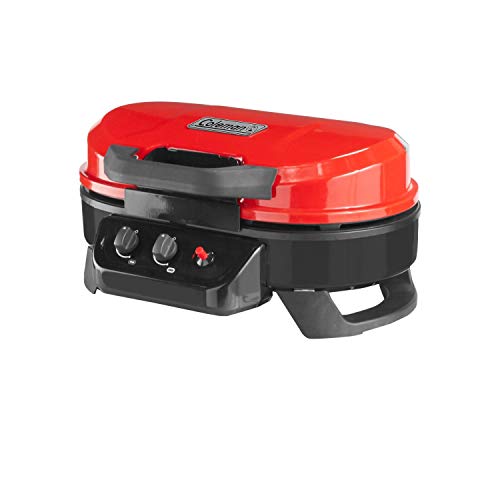
Think of the lineup as three styles rather than a ladder of good to better. Compact tabletop grills are the lightest and cheapest, and they fit apartment balconies, dorm patios, and small households that grill a few times a month. Folding stand grills add legs and sometimes wheels, giving you a full height cooking station that still collapses for storage, which suits most family yards. Larger wheeled grills with two or three burners cook for a crowd and hold steady heat zones, and they suit bigger households that host often and have garage space to spare.
Your trips away from home shape the choice too. A compact tabletop model is the natural fit for tent sites and picnic shelters, and our guide to the best portable grill for camping explains what matters when you cook outdoors away from home. Bigger folding models with wheels shine at parking lot gatherings, where the guide to the best portable grill for tailgating covers the features that help most. Choose the style by where the grill will live and travel, not by the largest grate you can afford.
How We Compare Coleman Portable Grills
We compare models on the factors that change daily use: cooking area against your headcount, how evenly the burner heats the grate, how the grease system handles a fatty cookout, and how small the grill folds for storage. We also weigh assembly time out of the box, since a portable grill that takes an hour to build often stays in the box. Running costs count as well, including canister use per cookout and the price of replacement grates and trays. These comparisons use manufacturer specifications and patterns in verified buyer feedback, so treat the guidance as a buying framework, not measured results.
The Best Coleman Portable Grill Lineup Explained
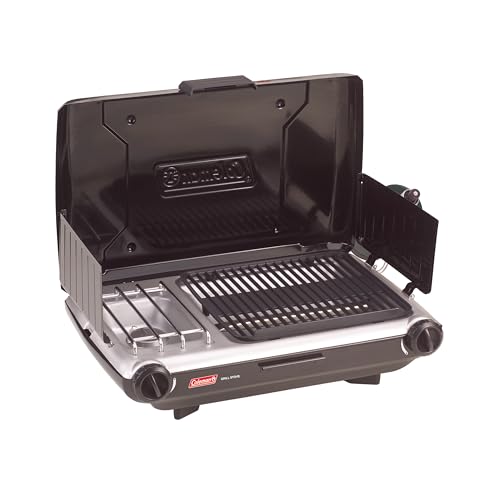
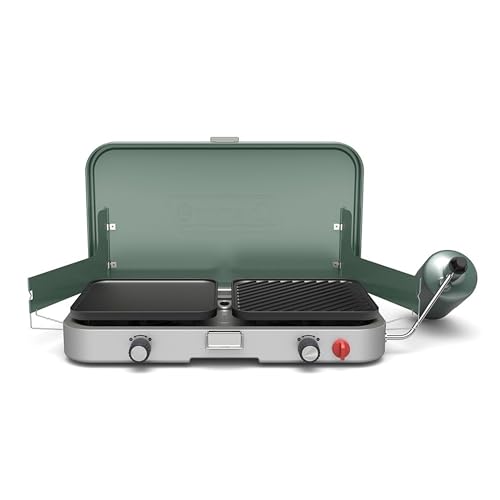
Coleman groups its portable grills under a few long running families. The RoadTrip family covers the bigger folding and wheeled models with stands, aimed at families and group cooking. Smaller tabletop lines focus on compact propane cooking for one to four people. Grill and griddle combos add a flat plate option, which helps with breakfast foods and vegetables that would fall through a grate. Names and trims change over time, so shop by the style and specs in this guide rather than by family name alone.
Before your first cookout on any model, read our walkthrough on how to use a portable grill for safe setup, lighting, and shutdown steps. A short practice run at home, with no guests waiting, teaches you the ignition, the heat zones, and how long the grill takes to cool before it goes back into storage.
Common Mistakes to Avoid
- Buying a grate sized for holiday crowds when you cook for three people most weeks, which leaves you heating empty space and burning extra fuel.
- Ignoring folded dimensions, so the grill does not fit the closet, trunk, or storage bin you planned for it.
- Skipping the grease tray check, because a missing or tiny tray turns every fatty cookout into a messy cleanup.
- Forgetting the cost of canisters and replacement grates, which quietly adds up over a few seasons of regular use.
- Storing the grill outdoors uncovered, since rain on coated steel leads to rust that shortens its life fast.
Cost of Ownership and Care
Beyond the purchase price, budget for propane canisters or tank refills, a cover if the grill lives outside, and a replacement grate every few years if the coating wears. Cleaning is simple when you do it warm. Burn off residue on high heat for a few minutes after cooking, let the grate cool until it is safe to touch, then brush it and empty the grease tray once it is fully cool. Our step by step guide on how to clean a portable grill covers deep cleaning before storage season. Wipe the exterior, check the burner ports for blockages, and store the grill dry with the lid closed to keep insects and moisture out of the burner tubes.
FAQ
Which Coleman portable grill should I buy for a family of five?
Look at the larger folding styles with about 250 to 300 square inches of cooking area, since that size fits a full batch of burgers or chicken pieces for five people without a second round. A model with a stand saves your patio table for serving, and two burners help when part of the group wants food cooked at lower heat. Measure your storage spot before ordering, because these models fold long rather than small.
Is Coleman a good portable grill brand?
Coleman has sold outdoor cooking gear for decades, and its portable grills are widely available, which makes replacement grates, trays, and regulator parts easier to find than parts for lesser known brands. That parts availability is a practical reason to favor the brand if you plan to keep the grill for years. Quality varies by price tier, so judge each style on its grate material and grease system rather than on the name alone.
How long does a Coleman portable grill last?
With dry storage and regular cleaning, a portable grill in this class commonly serves for about five to ten years of seasonal use. The parts that wear first are the grate coating, the igniter, and the regulator hose, and all three are usually replaceable. A grill stored outdoors without a cover can show rust within a couple of seasons, so storage habits influence lifespan more than the purchase price does.
Can a Coleman portable grill use a large propane tank?
Many Coleman portable grills accept a larger refillable tank through an adapter hose sold for that purpose, and this lowers fuel costs for people who grill weekly at home. Check your model documentation for the approved hose type, and keep using small canisters for trips where carrying a tank is impractical. Never store a connected tank indoors, and check hose connections with soapy water for leaks before the first cookout of the season.
Is a portable grill worth it if I already own a full size grill?
It can be, if your full size grill is more than you want to fire up for two people on a weeknight. A portable model heats faster, uses less fuel for small meals, and travels to parks and campsites. It also works as a second cooking surface during gatherings, handling vegetables or sides while the main grill runs meat. If you never cook away from home and always feed a crowd, the overlap may not justify the storage space.
Final Thoughts
The right choice depends on your household, your storage space, and how often you cook away from home. Compact tabletop styles serve small homes with little fuss, folding stand models fit most families, and the largest wheeled styles earn their size when you host often. Review the product table above once more with your headcount and storage measurements in hand, and the best coleman portable grill for your home should be an easy call. Prices and availability can change, so check the product page before ordering.