
Best Cold Tablets for Runny Nose: A Buyer Checklist for 2026
Disclosure: We may earn a commission when you buy through links on this page, at no extra cost to you. As an Amazon Associate I earn from qualifying purchases. Learn more

Run through this checklist for the best cold tablets for runny nose, covering antihistamines, dosing, drowsiness, safety checks, and value for money.
A runny nose can come from a cold, from allergies, or from both at once, and each cause responds to different ingredients. Buying the first box you see often means paying for a formula built for congestion or cough instead. This checklist helps you judge the best cold tablets for runny nose by cause, ingredient, drowsiness, and safe dosing before you spend anything.
Work through the criteria below, then compare your shortlist with the product table. Five minutes of label reading at the shelf is worth more than any claim printed on the front of the box.


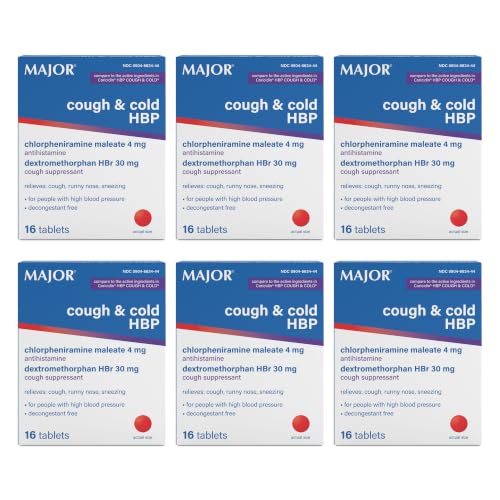

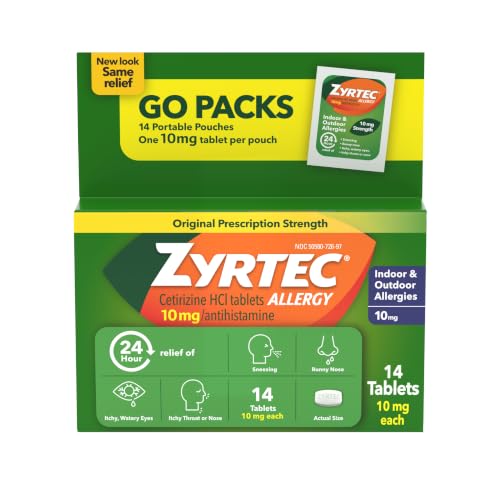


How to Judge Cold Tablets for a Runny Nose
Judge each product on whether its active ingredients actually target a runny nose, whether the dosing schedule fits real life, and whether the warnings are clear enough to use the product safely. A tablet can be excellent for congestion and still fail here, because a stuffy nose and a runny nose are different problems. A product is a good fit when the label names the symptom plainly, the dose is simple, and the drowsiness profile matches when you plan to take it.
Features That Matter for Runny Nose
A runny nose from a cold responds best to an antihistamine, which reduces sneezing and drainage. Look for that ingredient class named on the drug facts panel rather than relying on front of box claims. Older antihistamines often work well for cold symptoms but commonly cause drowsiness, while newer ones cause less drowsiness yet may help allergy driven symptoms more than cold driven ones. Match the ingredient to your cause first, then check strength per tablet and how many tablets make one dose.
Identifying the Cause Before You Buy
Colds usually bring a mix of sore throat, mild aches, and drainage that changes over several days. Allergies tend to add itchy eyes, repeated sneezing fits, and clear drainage that persists while exposure continues. If symptoms arrive with a fever and body aches, a broader formula from our guide to the best cold and flu tablets may fit better than a runny nose product alone. Knowing the cause prevents the most common buying mistake: treating allergy drainage with a cold formula for a week with no change.
Drowsiness and Daytime Use
Drowsiness is the deciding factor for anyone who drives, works, or cares for children during the day. If the label warns against driving after a dose, plan that tablet for the evening only. For daytime, choose a formula whose label carries no drowsiness warning, and test your first dose at home before relying on it at work. Never mix a drowsy cold tablet with alcohol or sleep aids. This single check prevents most unpleasant surprises with runny nose medicine.
Dose Strength and Schedule
Prefer a schedule you can follow while unwell: one or two tablets every six to eight hours beats a dose every four hours. Confirm the maximum number of tablets in 24 hours and write your dose times on the box, a simple habit that prevents accidental double dosing. Check whether the product is approved for your age group, since many formulas are not for young children. If two products look equal, the one with the clearer dosing chart is the safer purchase.
Tablet Size and Ease of Swallowing
Large uncoated tablets are a real barrier for some people, especially children and older adults. Coated caplets and smaller tablets cost little more and improve the odds you will complete the dosing schedule correctly. If swallowing is difficult, ask a pharmacist about liquid or dissolving formats of the same ingredient rather than crushing tablets, because some coatings control how the medicine is released. Comfort is a legitimate buying criterion, not a luxury, when you feel ill.
Extra Ingredients: Helpful or Not
Many runny nose tablets bundle a pain reliever or decongestant. Those extras help only if you also have aches or congestion; otherwise they add side effects and interaction risks without benefit. A decongestant can also thicken drainage in some people, which works against your goal. Compare single purpose options in our guide to the best cold tablets if your only symptom is drainage. The shortest ingredient list that covers your symptoms is usually the wisest buy.
Price and Pack Size
Runny nose tablets typically cost about $5 to $15 per box. Compare cost per day of labeled dosing, not cost per box, since tablet counts and dose sizes vary. A large box is poor value if it expires before your household uses it, so check the date and your likely need. Store brands with matching drug facts panels usually offer the best value. Keep one unopened box at home before cold season so you are not shopping while already unwell.
Three Formula Styles to Consider
Each style below suits a different situation, and none of them requires paying for ingredients you do not need.
An Antihistamine Tablet for Cold Drainage
The most useful style for most adults is an antihistamine based tablet with a clear six to eight hour schedule and honest labeling about drowsiness. It covers cold driven drainage and sneezing for most adults at about $7 to $12 per box. The trade off is evening planning if the formula causes drowsiness. Choose this style when your runny nose arrives with a sore throat and general cold symptoms, and keep a non drowsy option in reserve for workdays.
A Store Brand Antihistamine
For value, a store brand antihistamine tablet with a drug facts panel matching a branded equivalent is hard to beat, often around $4 to $8. You give up coated formats and day and night box combinations, but the active relief is the same per labeled dose. This style suits households that get one or two colds a year and want a cabinet staple. Check the expiration date carefully, since the savings vanish if half the box expires unused.
A Larger Pack for Allergy Season
Heavy use here means frequent allergy seasons or a household where several adults share one supply. A larger count box of a non drowsy antihistamine, around $12 to $20, lowers the cost per dose and avoids mid season shortages. Readers whose symptoms center on a blocked, heavy head may also compare our guide to the best tablets for head cold. The limitation is commitment: confirm the ingredient works for you with a small pack before buying the largest size.
Quick Buyer Checklist
- Is a runny nose your main symptom, rather than congestion or cough?
- Does the drug facts panel list an antihistamine as an active ingredient?
- Have you checked whether the formula causes drowsiness?
- Does the dosing schedule fit your work and sleep routine?
- Are you avoiding duplicate ingredients from other medicines you take?
- Is the product approved for the age of the person taking it?
- Will you use the box before its expiration date?
Red Flags to Watch For
Avoid products whose front labels promise to cure a cold, since cold tablets manage symptoms only. Be cautious with formulas that hide drowsiness warnings in fine print, with maximum doses that are hard to calculate, and with long ingredient lists aimed at symptoms you do not have. Treat missing drug facts panels on imported or marketplace products as a hard stop. Finally, avoid buying adult strength tablets for children because a smaller dose was unavailable; ask a pharmacist for the correct product instead.
Picking the Right Cold Tablets for Different Uses
Hay Fever Tablets for a Runny Nose
When drainage comes from hay fever, the best hayfever tablets for runny nose are usually non drowsy antihistamines taken once daily. Check three things: whether the label covers seasonal allergies by name, whether one dose lasts a full day, and whether it can be taken preventively before pollen exposure. Allergy drainage often lasts weeks, so pack size and cost per day matter more here than with a short cold. If eye itching dominates, ask a pharmacist about pairing guidance.
How to Make Your Supply Last Longer
Store tablets in their original box in a cool, dry cabinet rather than a steamy bathroom, since moisture degrades tablets over time. Keep the dosing chart with the box so anyone in the household can check the schedule. Note the opening date on seasonal allergy packs. Do not transfer tablets into unlabeled containers, and keep all medicine out of reach of children. A once a year cabinet review, discarding expired products safely, keeps your supply reliable when you need it most.
Frequently Asked Questions
What features matter most in cold tablets for runny nose?
The antihistamine ingredient and its drowsiness profile matter most. Confirm the ingredient targets sneezing and drainage, then decide whether you need an alert daytime option or can accept an evening only formula. A point often missed is onset: some tablets begin working within an hour, while once daily allergy tablets build their best effect over several days of regular use. Match the product to how quickly you need relief today.
How much should I spend on cold tablets for a runny nose?
Most people spend about $5 to $12 for a fully suitable box. Pay toward the top for non drowsy formulas or coated caplets you will actually take correctly. Pay less by choosing store brands with matching drug facts. Spending more does not buy a cure or faster healing; it buys convenience, format, and suitability. If symptoms persist beyond ten days, spend the next dollar on a medical visit rather than a third box of tablets.
Can I take runny nose tablets every day?
Follow the label limit for cold products, which is typically a short course of several days rather than open ended use. Allergy antihistamines are often labeled for daily use through a season, which is a different pattern. Daily use beyond the label deserves a conversation with your doctor, since a persistent runny nose can signal allergies, sinus problems, or irritation that tablets alone will not solve. Track how many days you have dosed on the box itself.
Should I choose a tablet or a nasal spray for a runny nose?
Tablets suit whole body symptoms like sneezing plus drainage, and they are easier for people who dislike sprays. Sprays act locally and can work well for nose only symptoms, but decongestant sprays carry strict day limits on their labels. Some people use an antihistamine tablet as the base and add a saline spray for comfort, which adds no drug interactions. If you also have a cough, compare our guide to the best tablets for cough and cold before combining products.
How long should a runny nose from a cold last?
A cold driven runny nose usually improves within seven to ten days, often shifting from clear and watery to thicker before it clears. See a doctor if drainage lasts beyond ten days without improvement, returns after getting better, or comes with facial pain, high fever, or one sided symptoms. Those patterns can indicate a sinus infection or another condition that needs different care. Talk with your clinician about your personal needs, especially for children and older adults.
Can children take the same runny nose tablets as adults?
No, children need products and doses labeled for their exact age, and some antihistamines are not recommended for young children at all. Never estimate a child dose by splitting adult tablets unless a clinician directs it. For children under six, ask a pediatrician or pharmacist before using any cold tablet, since guidance is stricter for this group. Keep adult and child products in separate cabinet spots to prevent mix ups during a tiring night.
Final Thoughts
Match the antihistamine to your cause, respect the drowsiness warning, and buy the clearest labeled box your budget allows. Allergy sufferers should plan for daily non drowsy coverage, while cold sufferers need only a short, simple course. With those checks done, the best cold tablets for runny nose for your household will be easy to spot, so compare your finalists in the product table above and confirm the label one last time at the shelf.


