
Best Cold Tablets: How to Read Labels and Choose Wisely in 2026
Disclosure: We may earn a commission when you buy through links on this page, at no extra cost to you. As an Amazon Associate I earn from qualifying purchases. Learn more

Learn how to read cold tablet labels, compare formats and match the best cold tablets to your main symptoms, with safety checks for common health conditions.
Cold tablets come as swallow tablets, coated caplets, fast dissolving tablets, and chewables, and the box front rarely tells you which symptoms the product actually targets. Choosing the best cold tablets starts with the drug facts panel on the back, because that panel lists the active ingredients, what each one is for, and who should not take it. This guide covers label reading, tablet formats, and the questions to ask a pharmacist, and the product table gives you a starting shortlist.
A cold has no cure, and tablets only ease symptoms while your body recovers. That makes the goal modest: pick a product that fits your main symptoms, your other medicines, and your daily schedule, and follow the label directions exactly. Anything beyond that is marketing.





Reading the Drug Facts Panel
The active ingredients section is the part that matters. A pain and fever reducer, a decongestant, an antihistamine, and a cough suppressant each do a different job, and combination tablets include two or more of them. Compare the ingredient names across boxes, because products with different brand names often share identical actives. The panel also lists a purpose for each ingredient, warnings about who should avoid the product, and the directions for use. Check all three before you buy.
Look at the inactive ingredients too if you have allergies, avoid certain dyes, or need a particular tablet coating. Some people prefer dye free options, and the label states whether the product contains them.
Tablet Formats Compared
Standard tablets and caplets
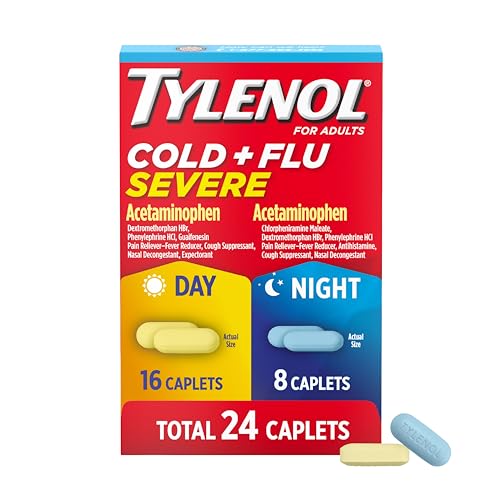
These are the most common format and usually the cheapest per dose. Caplets have a smooth coating that many people find easier to swallow than a plain tablet. Choose them if you do not mind swallowing with water and want a straightforward product.
Fast dissolve tablets
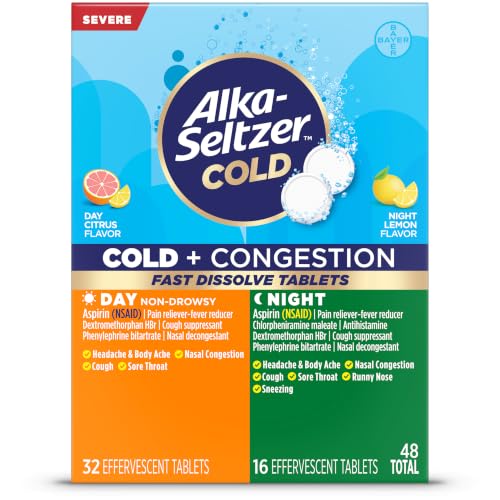
Fast dissolve tablets are dropped into water or placed on the tongue, depending on the product. They suit people who dislike swallowing pills and often come in day and night versions. Read the directions carefully, since the preparation differs from product to product.
Chewable and quick dissolving tablets
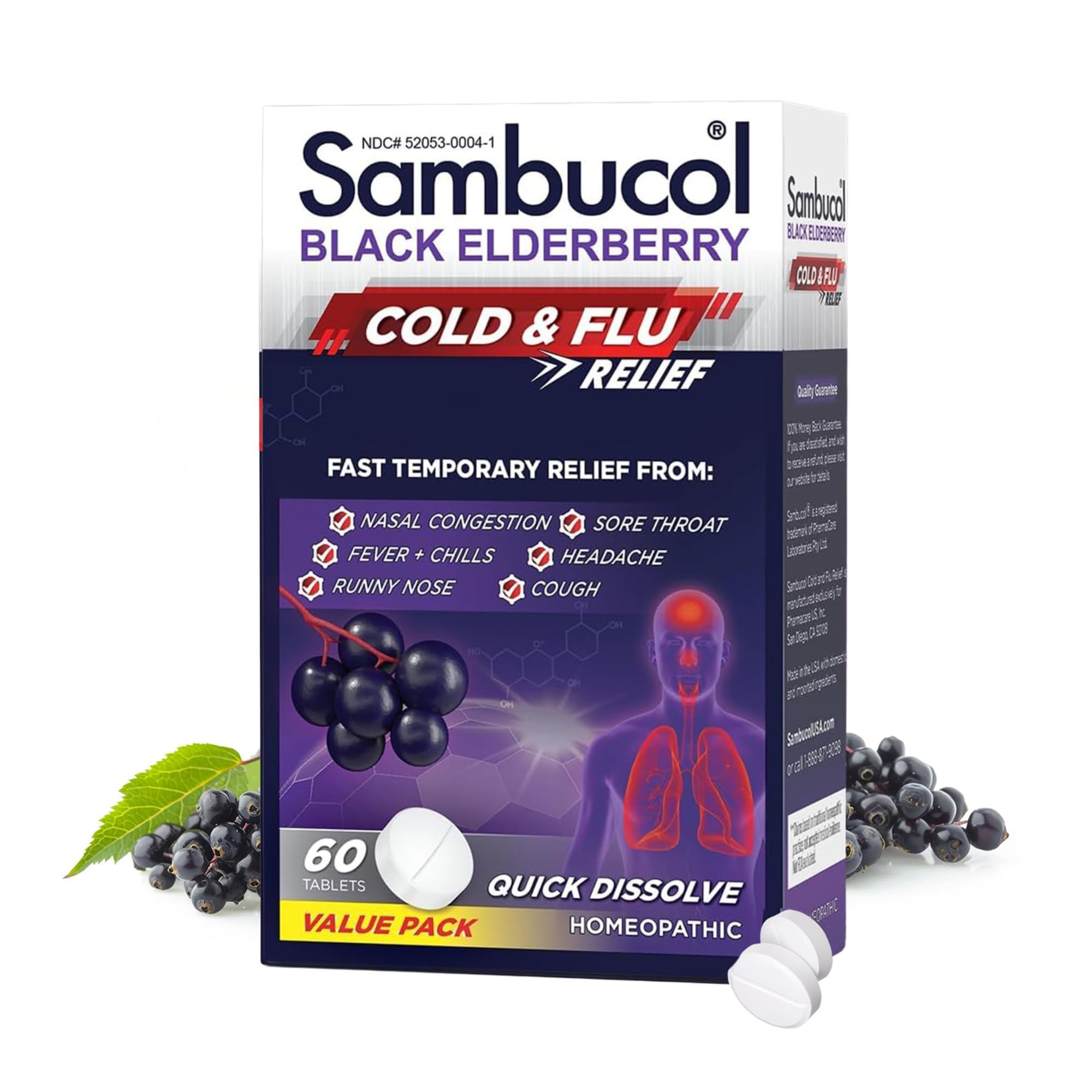
Chewables and quick dissolving tablets taste sweet, which some adults find easier than a pill and which appeals to people who dislike a medicine aftertaste. Many products in this category are homeopathic or herbal and are labeled differently from conventional medicines, so read what the label says the product is and is not intended to do, and ask a pharmacist if you are unsure.
Matching Tablets to Symptoms
Before you buy, write down which symptoms bother you most. If your nose is blocked, look for a product with a decongestant, and if you are sneezing with a runny nose, look for an antihistamine. If aches and fever are the main problem, a pain reliever is the key ingredient, and if your cough is the problem, a cough suppressant or expectorant is relevant. Buying a product that covers every symptom means taking ingredients you may not need, so choose the simplest one that fits. For a closer look at one common combination, see best cold and flu tablets, and for a broader view of relief options read best cold relief tablets.
Who Should Be Extra Careful
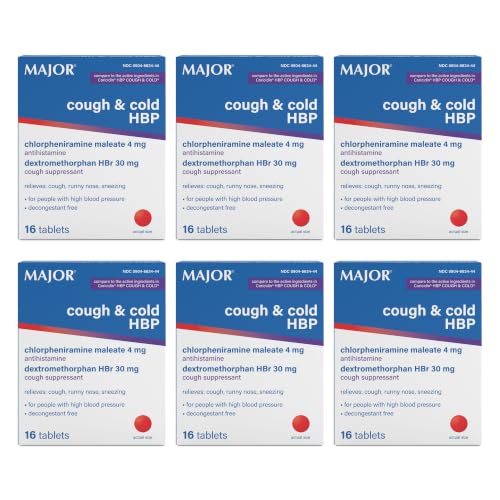
People with high blood pressure, heart disease, glaucoma, thyroid problems, or prostate trouble should talk with a pharmacist or doctor before using decongestants. Anyone who takes prescription medicines, is pregnant, or is breastfeeding should do the same. Some boxes are made without decongestants for people with high blood pressure, and the label says so clearly. Products for adults are not suitable for children, so ask a pediatrician or pharmacist about children, and keep all medicines out of reach of young children.
Price and Pack Size
Cold tablets range from a few dollars for a store brand box to well over $20 for a multipack or specialty formula. Compare the price per labeled dose rather than the price per box, since tablet counts differ. Store brands often list the same active ingredients as famous brands at a lower price, which makes them a sensible default if the panel matches. Buy only the amount you expect to use before the printed expiry date.
Storing Cold Tablets Safely
Keep tablets in their original packaging, in a cool, dry place away from bathrooms and kitchens, where heat and steam can degrade them. Store them out of reach of children and pets, check the expiry date each autumn, and dispose of old medicine through a pharmacy take back program or the method your local authority recommends. Do not move tablets into unlabeled containers, since you may forget what they are and when they expire.
Common Mistakes
- Taking two products that share the same active ingredient, which can double the amount you take.
- Buying a combination tablet for one symptom, then taking ingredients you do not need.
- Ignoring the drowsiness warning on night formulas.
- Using tablets for longer than the label allows instead of speaking to a clinician.
- Choosing by box design or advertising instead of the drug facts panel.
When to See a Professional
Cold symptoms usually improve gradually over several days. Seek prompt medical care for trouble breathing, chest pain, confusion, a stiff neck, a high fever that does not ease, or symptoms that get worse after starting to improve. Talk with your doctor if symptoms last much longer than a typical cold or if you are unsure whether a product is safe for you. This guide gives general information only and does not replace professional advice.
Related Guides
For a nearby topic, read best tablets for head cold and best tablets for cough and cold, which cover products aimed at specific symptom groups.
Frequently Asked Questions
What is the difference between cold tablets and cold and flu tablets?
The difference is usually the ingredient mix. Cold and flu products often add a pain and fever reducer to cover aches, while basic cold tablets may focus on congestion or sneezing. Read the active ingredients rather than the product name to see what you would actually be taking.
Can I take cold tablets with other medicines?
Some cold ingredients interact with other medicines, including blood pressure medicines and some antidepressants. Bring a list of everything you take to a pharmacist, who can check quickly and suggest a suitable product.
Are store brand cold tablets as good as name brands?
If the drug facts panel lists the same active ingredients in the same strengths, a store brand should work the same way. Differences are usually in the coating, flavor, and inactive ingredients, which matter if you have allergies or trouble swallowing.
Do cold tablets shorten a cold?
Most cold tablets ease symptoms and do not make the illness shorter. Rest, fluids, and time are what help you recover. If you feel worse instead of better after several days, talk with a clinician.
How long can I keep an open box?
Check the expiry date printed on the box or blister pack, store the tablets as directed, and discard any that look discolored, crumbly, or damp. Keep the label with the tablets so you always know what they are and when they expire.
Final Thoughts
The best cold tablets for you are the ones whose active ingredients match your main symptoms and whose warnings fit your health and other medicines. Read the drug facts panel, choose the simplest product that works, and follow the label directions. Use the product table as a shortlist and ask a pharmacist when anything is unclear.


