
Best Cold & Flu Tablets: A 2026 Safe Buying Guide
Disclosure: We may earn a commission when you buy through links on this page, at no extra cost to you. As an Amazon Associate I earn from qualifying purchases. Learn more

Cold and flu tablets differ in active ingredients, warnings, and who can use them safely. Learn how to read labels and choose wisely with pharmacist guidance.
A cold can bring congestion, aches, fever, and a cough all at once, which tempts buyers to grab the strongest box on the shelf. The best cold & flu tablets for you depend on your main symptoms, other medicines you take, and health conditions that limit certain ingredients. This guide explains label reading and safety checks so you can discuss options with a pharmacist or clinician.
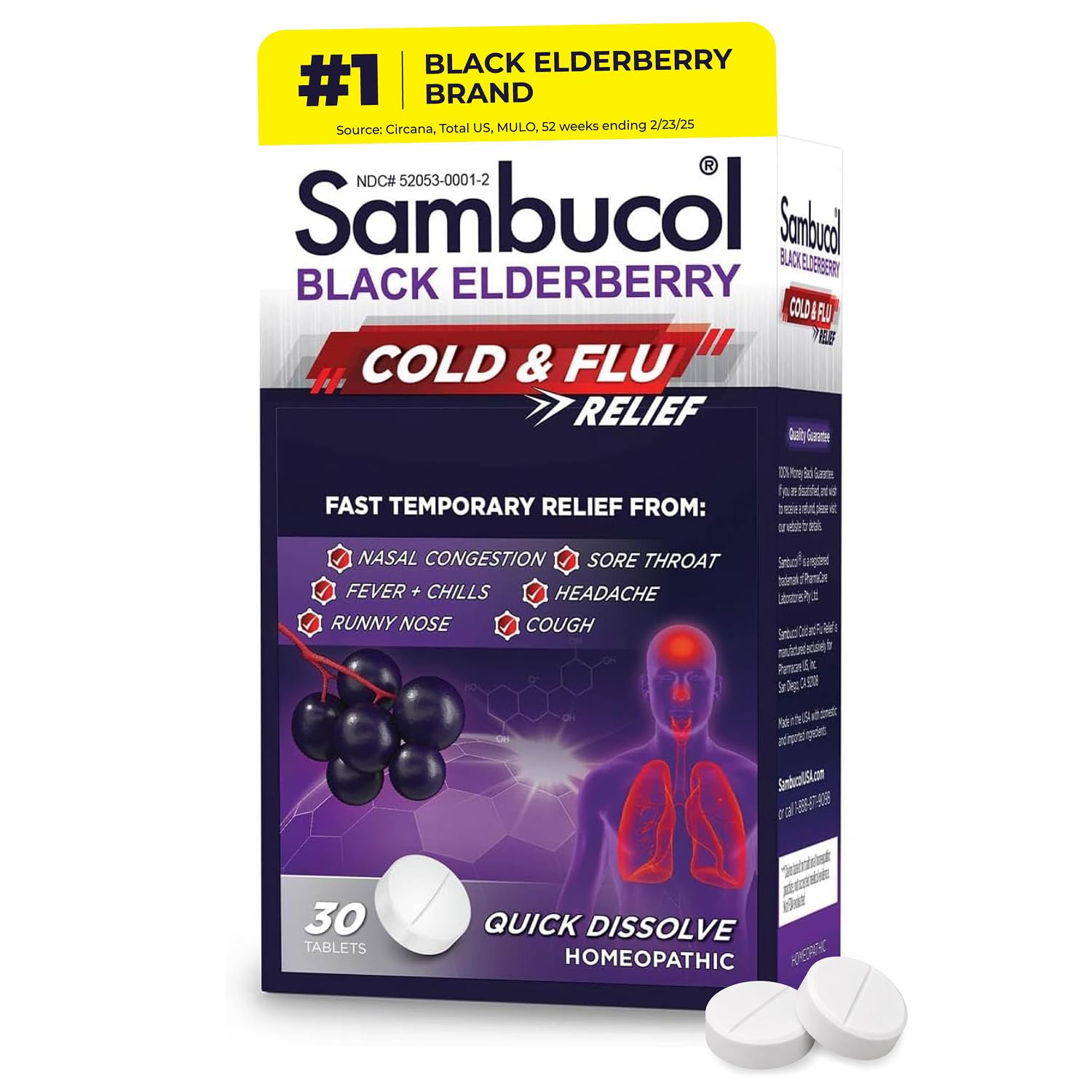
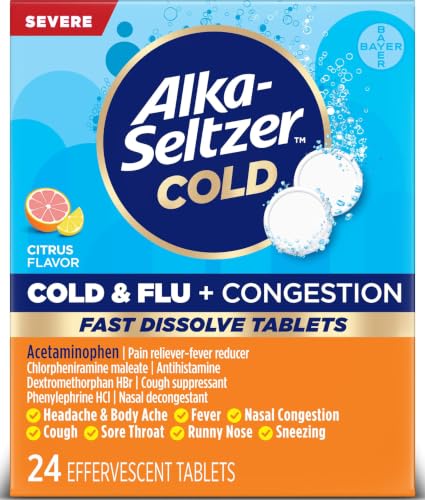
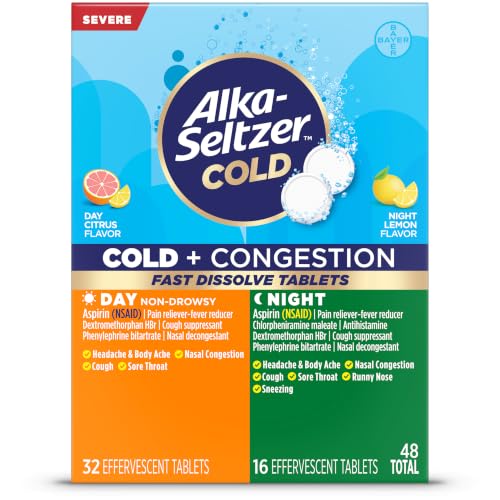
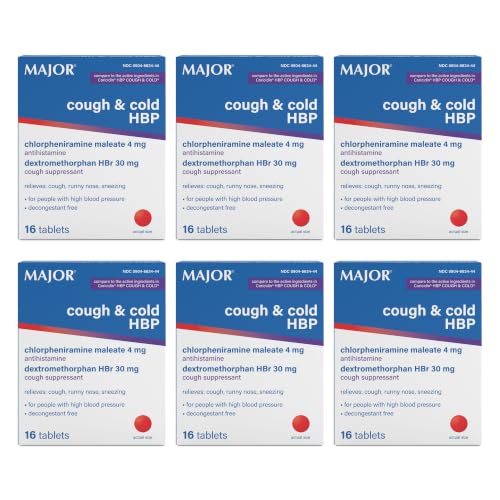
Tablets combine different active ingredients, such as pain relievers, decongestants, and cough suppressants, in varying strengths. Some ingredients suit daytime use while others cause drowsiness, and some interact with blood pressure medicines or other conditions. The product table shows common tablet types, and the sections that follow explain how to match them to symptoms safely.

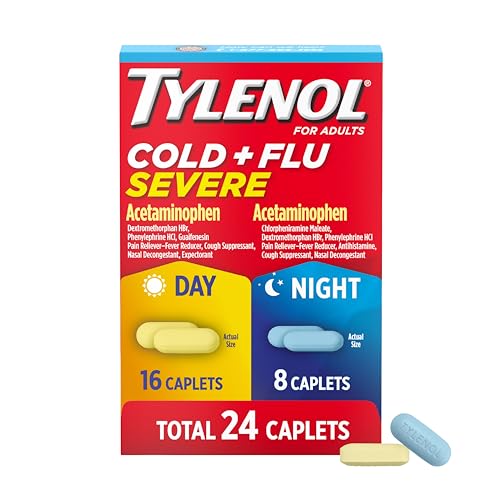


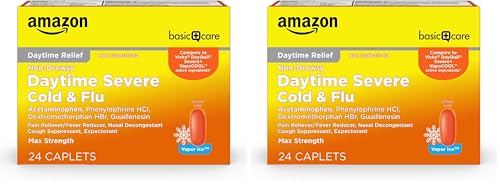

Who Should Consider Which Ingredients
Congestion focused symptoms
Decongestants can ease a blocked nose, but they can raise blood pressure and disturb sleep in sensitive people. If you have high blood pressure, heart disease, or take certain medicines, ask a pharmacist before choosing a decongestant product. Saline rinses and steam can help milder congestion without added drug risks.
Pain and fever focused symptoms
Pain relievers reduce aches and fever, but different types carry different risks for the stomach, liver, and kidneys. Never combine multiple products that share the same active ingredient, since accidental doubling is a common mistake. Read every label, including combination products, and keep a list of what you have taken and when.
Key Features to Compare
Active ingredients and dose
Check the active ingredient panel, not just the front of the box, and note the dose per tablet and the maximum daily dose. Combination tablets may include ingredients you do not need, which adds risk without benefit. Choose the simplest product that covers your main symptoms, and follow the label dose exactly.
Daytime versus nighttime formulas
Nighttime formulas often add sedating ingredients to aid sleep, which can impair driving and morning alertness. Daytime formulas avoid those ingredients but may still cause restlessness through decongestants. Plan around your schedule, avoid alcohol with sedating products, and never drive after taking a nighttime formula.
Warnings and interactions
Labels warn about pregnancy, breastfeeding, liver disease, glaucoma, prostate problems, and interactions with other medicines. Bring a full medicine list, including supplements, to the pharmacy and ask about conflicts. If you take regular prescription medicines, a pharmacist check takes minutes and can prevent serious interactions.
Price Tiers and What They Deliver
Store brand tablets around $4 to $8 often match brand name active ingredients at lower cost. Midrange packs around $8 to $14 may add easier dosing, coated tablets, or multipacks for families. Premium packs above $14 rarely offer stronger medicine, so compare active ingredients rather than paying for packaging or flavor claims.
Living With Your Choice Day to Day
Take tablets with water, track doses on paper or on your phone, and store them away from children and pets. Seek prompt medical care for difficulty breathing, chest pain, confusion, a fever that persists beyond a few days, or symptoms that worsen suddenly. Rest, fluids, and time help most colds, and tablets only ease symptoms while your body recovers. Talk with your clinician if you are unsure whether a product suits you.
Related Guides Worth Reading
Readers weighing nearby options often look at best cold and flu tablets next, since it covers a closely related choice in more detail.
If you want to compare a related category before deciding, best cold and flu tablets with pseudoephedrine walks through the key differences.
For a different angle on a similar buying decision, best flu tablets is worth a look alongside this guide.
A Final Check Before You Order
Read the full drug facts panel in the store, not just the front claims, and compare active ingredients across boxes that look different. Many products share identical ingredients under different brand names and prices, so the panel reveals true value. Note the dose per tablet, the dosing interval, and the maximum daily dose before buying. A calm two minute label read prevents most accidental doubling and unnecessary ingredients.
List every medicine and supplement you take, including occasional pain relievers and herbal products, and show the list to the pharmacist. Interactions hide in combination products, where a second pain reliever or decongestant duplicates something you already take. Pharmacists check interactions quickly and can suggest a simpler product that covers your symptoms with fewer risks. Bring the list even when you feel rushed, since the check costs minutes.
Match the product to the time of day you need it, since nighttime formulas can impair next morning alertness and driving. Daytime formulas avoid sedating ingredients but may disturb sleep if taken late through decongestants. Plan doses around work, driving, and childcare, and avoid alcohol with sedating products. Timing matters as much as ingredient choice for safe symptom relief.
Buy the smallest pack that covers your illness when trying a new product, since unused combination tablets expire and tempt future misuse. Store tablets in their original packaging with the label intact, away from children, pets, and bathroom humidity. Note the expiry date and discard old products safely rather than guessing doses from faded boxes. Small, fresh supplies beat a large, stale medicine cabinet.
Mistakes Worth Avoiding
Do not combine two cold products without checking for shared ingredients, since doubling a pain reliever or decongestant is the most common home medicine error. Check every product you take during the illness, including headache tablets and sleep aids, for overlapping actives. When in doubt, choose one product and ask a pharmacist before adding another. One well chosen product beats two overlapping ones.
Do not exceed the labeled dose hoping for faster relief, since higher doses increase side effects without shortening a cold. Pain relievers strain the liver and stomach at excess doses, while decongestants raise blood pressure and disturb sleep. Track doses and times on paper or on your phone, especially when fever makes thinking fuzzy. If symptoms do not improve on labeled doses, seek medical advice rather than increasing them.
Do not ignore warning signs while self treating, since colds usually improve gradually over days. Seek prompt care for breathing difficulty, chest pain, confusion, persistent high fever, or symptoms that worsen after initial improvement. Children, older adults, and people with chronic illness should seek advice sooner. Tablets ease discomfort, but they cannot replace medical care when illness turns serious.
Frequently Asked Questions
How do I choose between cold tablets?
Start with your worst symptom, then read the active ingredient panel to find a product that targets it without adding ingredients you do not need. Check warnings for your health conditions and other medicines, and ask a pharmacist when anything is unclear. Avoid buying the strongest combination by default, since extra ingredients add side effects. The simplest matching product is usually the safest choice.
Can I take cold tablets with other medicines?
Some cold ingredients interact with blood pressure medicines, antidepressants, blood thinners, and other common drugs. Combination products make accidental doubling easy, especially when two products share a pain reliever. Bring a full list of medicines and supplements to the pharmacy for a check. When in doubt, ask before taking, since a short conversation prevents most problems.
Are daytime and nighttime tablets different?
Nighttime tablets often add a sedating antihistamine to help you sleep through congestion and coughing. That ingredient can cause grogginess, dry mouth, and impaired driving the next morning. Daytime tablets skip the sedating ingredient but may include a decongestant that disturbs sleep if taken late. Match the formula to the time of day and avoid alcohol with nighttime products.
When should I seek medical care for a cold?
Seek prompt care for trouble breathing, chest pain, confusion, severe headache, a stiff neck, or a fever that lasts beyond a few days. Children, older adults, pregnant people, and those with chronic illness should seek advice sooner when symptoms worsen. Cold tablets ease discomfort but do not treat flu complications or bacterial infections. If you feel markedly worse instead of gradually better, get checked.
Do cold tablets shorten a cold?
Most cold tablets relieve symptoms such as pain, congestion, and cough, but they do not shorten the illness itself. Rest, fluids, and good sleep support recovery, while overuse of combination products can add side effects. Antiviral flu medicines exist but work only early in flu illness and need a clinician prescription. Focus on symptom relief, safety, and knowing when to seek care.
Final Thoughts
Read the label, match the product to your main symptom, and check interactions before you buy. The product table above can orient you, but a pharmacist or clinician gives the final safety check. If symptoms worsen or do not improve, talk with your clinician promptly.
Keep this checklist beside you while you compare, and let the best cold & flu tablets details above guide a choice you will enjoy living with.


