Best Cold Brew Coffee Machines: What Each Price Tier Buys in 2026
Disclosure: We may earn a commission when you buy through links on this page, at no extra cost to you. As an Amazon Associate I earn from qualifying purchases. Learn more

Compare steep time, filter design, and batch size to choose cold brew coffee machines that make smooth coffee without fuss or grit every morning.
Cold brew tastes smooth because time, not heat, does the extraction. When you shop for best cold brew coffee machines options, the real differences are steep time, filter design, batch size, and how easy the maker is to clean. The product table gives a quick side by side view of the main cold brew maker types, so you can match the maker to how much coffee you drink.
A good cold brew maker should make concentrate or ready to drink coffee without grit, without a messy filter, and without taking over your fridge. It should also suit your coffee habit, whether that is one glass a day or a batch for the week.

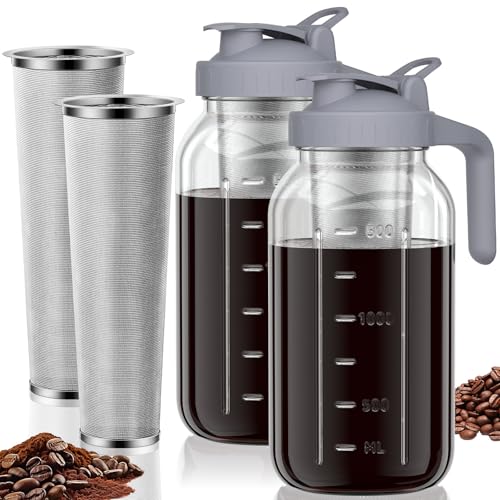
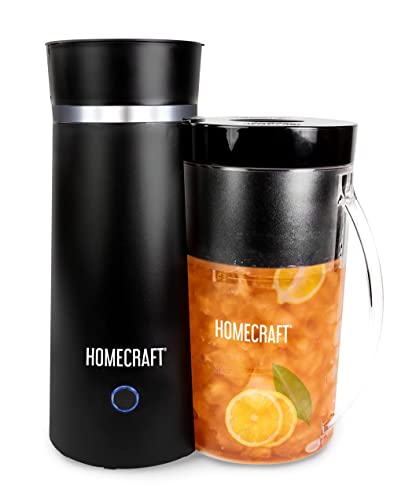
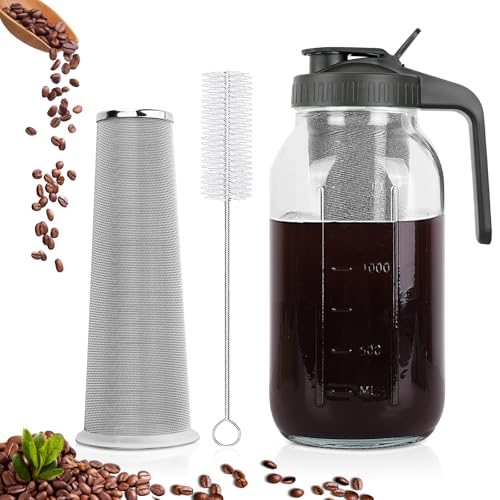
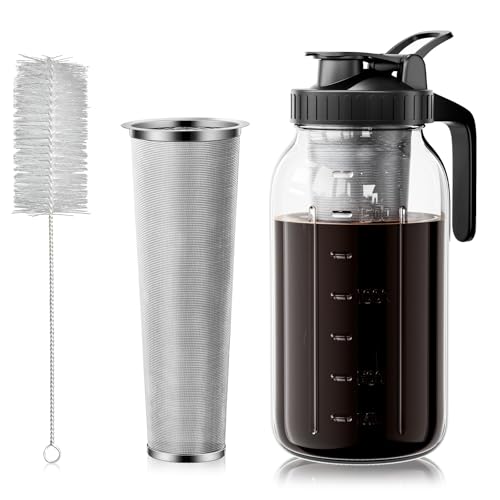
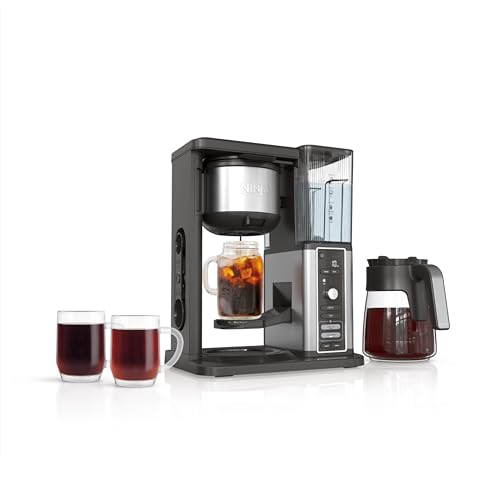

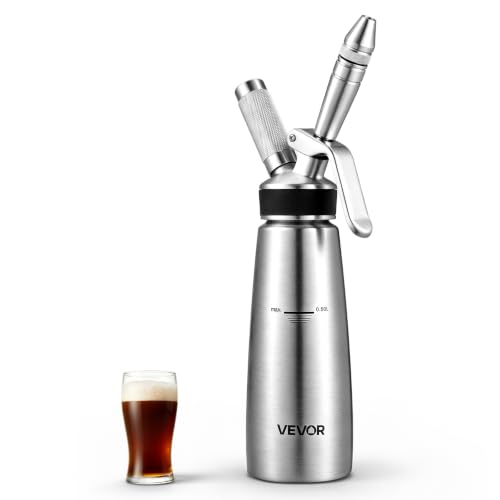
This guide explains immersion makers, drip towers, and electric cold brew makers, plus grind, ratio, and cleaning. It also explains what each price tier buys, so you do not pay for features you will never use.
Types of Cold Brew Makers Compared
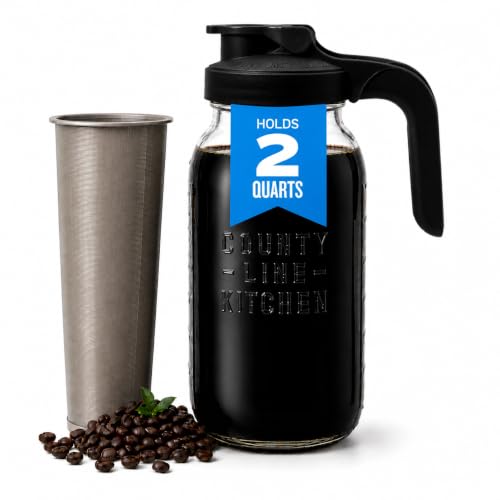
Immersion makers are the simplest type: coarse coffee steeps in cold water in a jar or pitcher, then a filter separates grounds from liquid. They are affordable, quiet, and easy to understand, and they suit most home users. Their main limits are fridge space and the need to plan ahead, since steeping takes many hours.
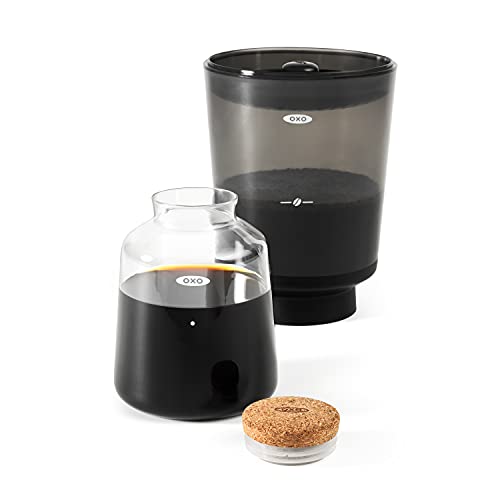
Slow drip towers pass water drop by drop through coffee, which can produce a cleaner, brighter cup and a striking look on a counter. They cost more, need more care, and suit enthusiasts who enjoy the ritual. Electric cold brew makers speed the process with agitation or pressure, but they cost more and may not taste exactly like a long steep, so taste preference matters.
Grind, Ratio, and Steep Time Basics
Use a coarse grind for immersion cold brew, similar to raw sugar, because fine grounds over extract and slip through filters, leaving bitterness and grit. A common starting ratio is roughly one part coffee to four parts water for concentrate, or one part coffee to eight parts water for ready to drink coffee, adjusted to taste. Weighing coffee and water gives more consistent results than scoops alone.
Steep time usually ranges from 12 to 24 hours at room temperature or in the fridge, with longer steeps giving stronger, sweeter results up to a point. Taste the brew at intervals rather than following a clock blindly, since bean, grind, and water all shift the result. If coffee tastes harsh, try a coarser grind or a shorter steep before changing beans.
Batch Size, Storage, and Cleaning
Choose batch size by fridge space and drinking habit. A small maker suits one or two daily drinkers, while a large maker suits households or weekly batch prep. Cold brew concentrate usually keeps well in a sealed container in the fridge for about a week, while diluted coffee is best within a few days. Always use clean containers and refrigerate promptly.
Cleaning matters more than many buyers expect, because coffee oils turn stale and filters clog. Look for a maker with a removable filter, wide mouth for scrubbing, and parts that rinse easily. Avoid makers with narrow tubes or fixed filters that trap grounds, since they become a chore after the first few batches.
What Each Price Tier Usually Buys
At a lower price, around $25 to $50, you get a simple jar or pitcher with a mesh filter, which makes excellent cold brew with a little patience. You give up precise drip control and sometimes finer filtration, but taste is often very close to pricier options.
In the middle range, around $50 to $120, filters improve, glass and steel quality rises, and batch sizes become more practical. Above that range, you pay for drip towers, electric speed, or premium materials, which suit enthusiasts more than everyday drinkers. For most homes, a well designed immersion maker is the best value.
A Final Check Before You Buy
Tasting as you go is the best way to dial in cold brew, because bean, roast, and water vary too much for a single recipe to suit everyone. Start with a coarse grind and a standard ratio, then change one variable at a time, such as steep time or grind size, and note the result. Changing everything at once makes it impossible to know what helped, while a patient approach quickly reveals your preferred balance.
Water quality matters more than many brewers expect, since chlorine and heavy mineral flavors carry into a long steep. Filtered water usually gives a cleaner cup, and consistent water helps you judge bean changes fairly. If your tap water tastes strongly of chlorine, let it stand or filter it before brewing, and use the same water for tasting comparisons.
Storage habits affect flavor as much as brewing does, because coffee oils oxidize and stale flavors develop in an open container. Store concentrate in a sealed glass container in the fridge, use it within about a week, and dilute only what you will drink. Label the container with brew date and ratio, so you can repeat a good batch without guessing.
Cleaning deserves a routine, not an occasional deep clean, since stale oils build up in filters and jars and sour the next batch. Rinse filters promptly, wash jars with warm soapy water, and dry fully before storing. A maker that is easy to clean will be used far more often than a beautiful maker that is a chore to wash.
Related Guides to Compare
For beans and brewing context, see best coffee for cold brew and best coffee machine makers. For other brewing methods to compare, see best espresso coffee machines, best grind and brew coffee machines, and best drip coffee machines.
Frequently Asked Questions
How long should cold brew steep?
Most immersion cold brew steeps for 12 to 24 hours, with 16 hours a good starting point for many beans. Shorter steeps taste lighter and brighter, while longer steeps taste stronger and sweeter until bitterness appears. Taste at intervals and note your preferred time for your beans and grind.
Is cold brew less acidic than hot coffee?
Cold brew often tastes less acidic because cold water extracts fewer sharp compounds, but actual acidity varies by bean, roast, and ratio. Taste, not a claim, should guide you. If you have stomach sensitivity, start with a diluted serving and see how you feel before drinking concentrate straight.
Can I use regular ground coffee for cold brew?
You can, but a coarse grind works much better for immersion brewing. Fine ground coffee over extracts, passes through filters, and leaves sediment. If you only have pre ground coffee, use a paper filter stage after steeping to catch fine particles and keep the cup clean.
How do I dilute cold brew concentrate?
Start with equal parts concentrate and cold water or milk, then adjust to taste. Strong concentrate can also be poured over ice, which dilutes it as it melts. Keep notes on your ratio, since a small change makes a big difference in strength and sweetness.
Why does my cold brew taste bitter?
Bitterness usually comes from too fine a grind, too long a steep, or stale beans. Try a coarser grind first, then shorten steep time by a few hours. Fresh beans, clean equipment, and filtered water also help, since old oils and chlorine can add harsh flavors.
Final Thoughts
Choose a maker that fits your fridge, your batch size, and your patience for cleaning, then dial in grind and steep time. Use the product table to compare maker types before you buy.
Cold brew rewards simple habits: coarse grind, measured ratio, and a clean filter. With those in place, best cold brew coffee machines shopping ends with smooth coffee on tap all week.