
Best Coffee Tables Under $400: A Complete Buying Guide
Disclosure: We may earn a commission when you buy through links on this page, at no extra cost to you. As an Amazon Associate we earn from qualifying purchases. Learn more
Three hundred dollars buys you function. Four hundred dollars buys you choices. That extra room in your budget is often the difference between a table that feels like a placeholder and one that actually holds up to the daily grind of feet, drinks, and stacked books. If you're browsing best coffee tables under 400 and wondering whether the jump is worth it, the short answer is yes, as long as you know what to prioritize. This guide walks through the materials, sizing rules, and features that actually matter at this price point, plus a few traps worth sidestepping.


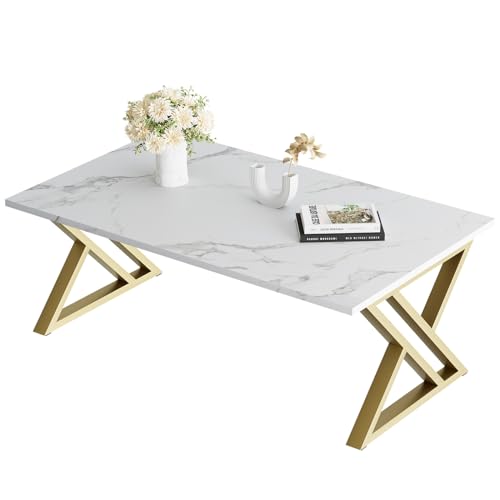
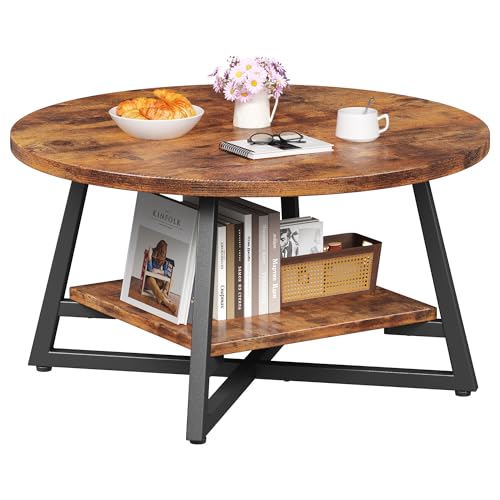
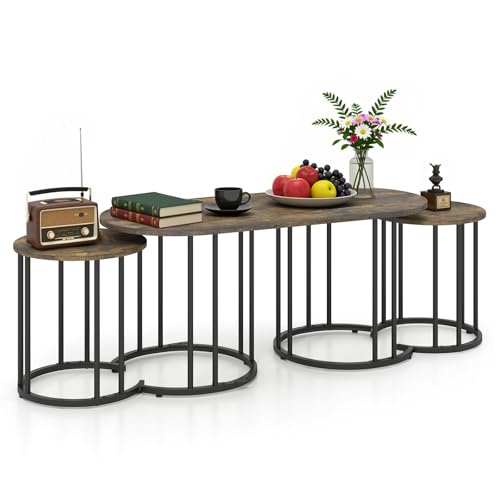
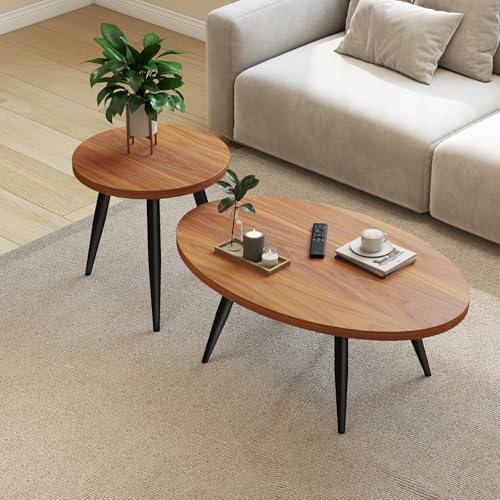
What a $400 Budget Actually Buys in a Coffee Table
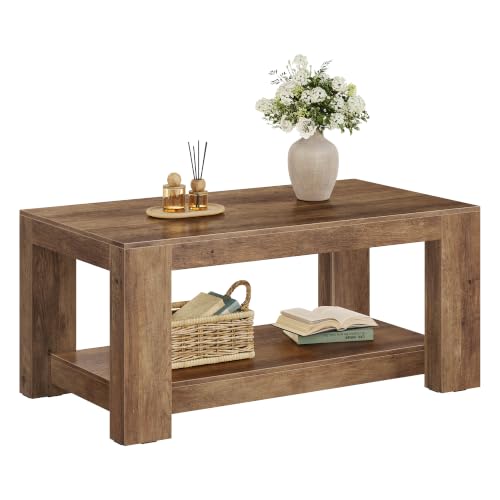
At this price, you're stepping out of the territory where nearly everything is engineered wood with a printed finish. A $400 budget typically gets you solid wood legs paired with a veneer or engineered wood top, or in some cases a fully solid wood build in a smaller size. That matters because the core material determines how well a table survives years of coffee mugs, remote controls, and the occasional pair of feet.
Solid wood costs more to produce but can be sanded and refinished if it gets scratched or dinged, which means one table can realistically last a decade or more. Veneer, a thin layer of real wood glued over a manufactured core, looks nearly identical to solid wood and resists warping better, though it can't handle heavy sanding if it's damaged. Engineered wood alone, the kind you'll find in most sub-$150 pieces, tends to swell or chip if moisture gets under the surface.
Hardware quality also improves noticeably in this range. Look for these signs of sturdier construction when you're comparing options:
- Metal drawer glides or hinges instead of plastic parts
- Corner joints that are screwed or doweled, not just glued
- A tabletop that doesn't flex when you press down in the center
- Legs that feel solidly attached with no wobble when the table is empty
If you compare these details against options in a best coffee tables under 100 search, the difference in joinery and finish quality is usually obvious within the first few minutes of browsing.
Storage, Lift-Tops, and Other Features Worth Paying For
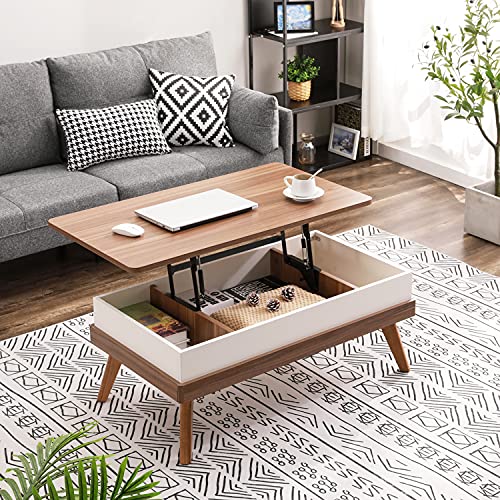
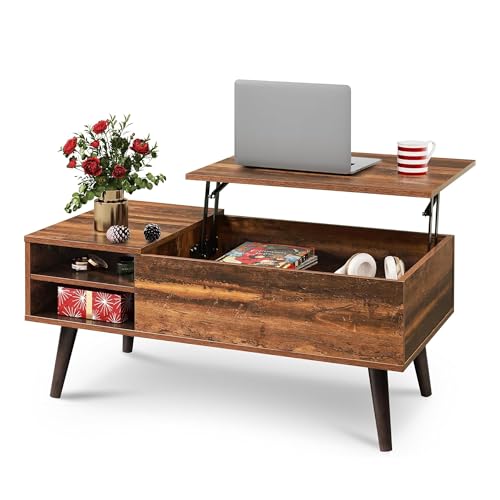
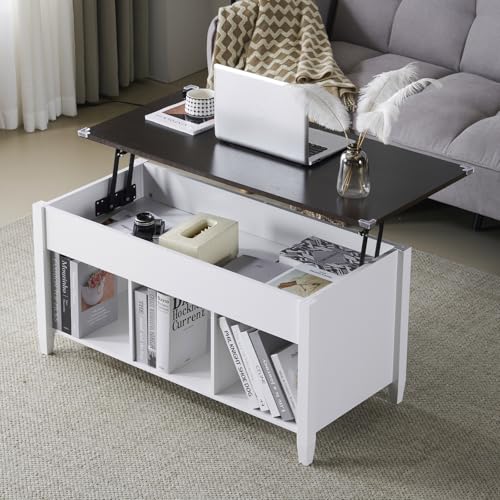
Once you're past pure material quality, a $400 budget starts unlocking features that were simply too expensive at lower price points. Lift-top tables, where the surface rises to laptop or eating height, are common in this range and genuinely useful if you work from the couch or eat dinner in front of the TV. Just know that the lift mechanism adds weight and is usually the first part to loosen if the table gets moved often.
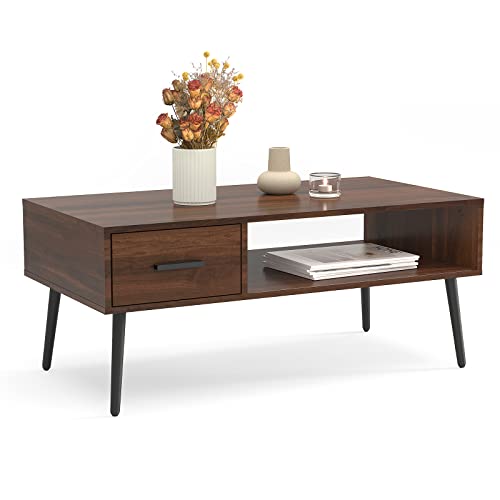
Hidden storage is another common upgrade, whether that's a single shelf, a drawer, or a fully enclosed compartment under a lift top. For anyone short on space, that storage can replace a side cabinet entirely and keep remotes, chargers, and coasters out of sight. If hidden storage combined with a rising surface is your main priority, it's worth comparing a few dedicated best lift top coffee table picks before settling on a shape.
Nesting tables, two or three coordinated pieces that tuck under one another, are also more common at this price than below it. They're a smart pick for small apartments since you can pull the smaller table out for extra surface area during guests, then tuck it away again. Round and rectangular shapes both show up at this tier in similar numbers, so shape becomes more about your room layout than what your budget can afford.
Getting the Size Right for Your Sofa and Room
No amount of material upgrade matters if the table is the wrong size. The general rule is that your coffee table should measure about two-thirds the length of your sofa, so a 90-inch sofa pairs well with a table in the 55 to 65-inch range, while a compact 72-inch loveseat needs something closer to 45 to 50 inches. Height should land close to your sofa's seat height, usually 16 to 18 inches, so the surface doesn't feel like it's towering over your knees or sitting too low to reach comfortably.
Leave at least 14 to 18 inches of clearance between the table edge and any seating. That's enough room to walk through without kicking the table, and enough room to bend down and set a plate on the surface without banging your shins. This is one area where shoppers researching best coffee tables under 400 tend to go wrong, picking a table based on how it looks online rather than measuring their actual floor space first.
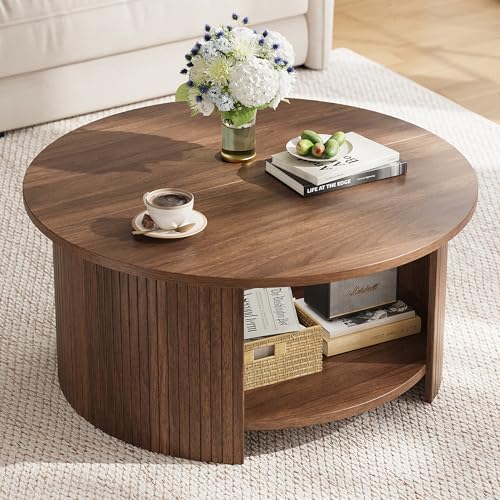
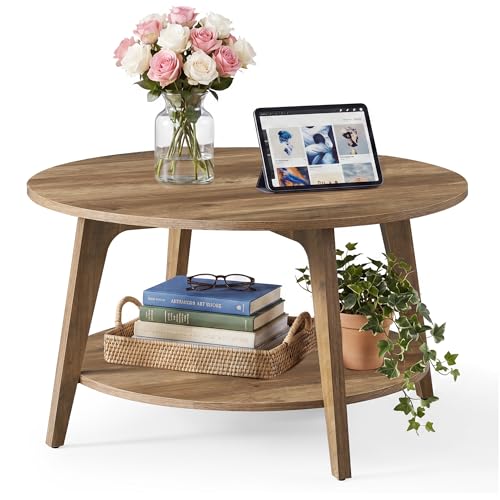
Shape plays into this too. A round or oval table is generally the safer pick for tight walkways or homes with small kids, since there are no sharp corners to navigate around. A rectangular table tends to suit longer, straight-backed sofas better, while square tables work well paired with sectionals where you need equal reach from multiple sides.
Matching Style and Shape to Your Space
A $400 budget generally buys enough style range that you're not stuck choosing between three generic finishes. You'll find genuine mid-century silhouettes, farmhouse-style turned legs, and simple modern slab designs all represented at this tier, usually with better hardware and finish consistency than cheaper versions of the same style.
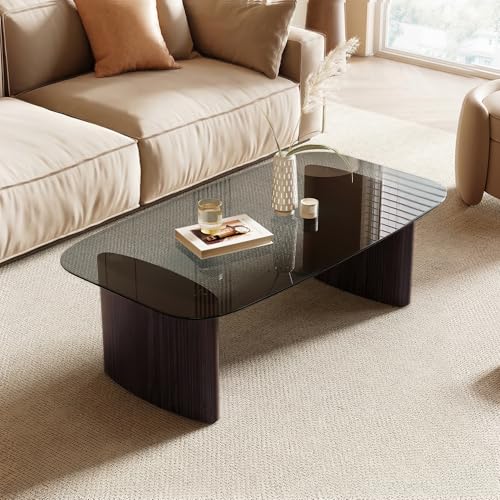
In smaller apartments, a lighter-colored table with visible legs tends to make the room feel more open than a heavy, solid-looking block, even if the actual footprint is similar. Glass or open-frame metal bases can also help a room feel less crowded without sacrificing the sturdier build you're paying for at this price. Larger living rooms have more flexibility and can usually handle a heavier, more substantial-looking table without it overwhelming the space.
If your furniture lives outdoors, on a covered porch or three-season room, resist the urge to just move an indoor piece out there. Materials suited for indoor use rarely hold up to humidity and temperature swings, so a table designed as part of a best outdoor coffee tables lineup will last far longer in that setting than something pulled from your living room.
Keeping a Mid-Range Coffee Table Looking New
Better materials still need basic care to justify the extra cost. Wipe spills immediately, especially on veneer surfaces, since standing moisture is what causes bubbling and peeling over time. A coaster habit protects both solid wood and veneer tops from the ring marks that show up fastest on darker finishes.
Dust with a dry or barely damp cloth rather than an all-purpose spray, which can dull certain finishes or leave a cloudy residue over repeated use. For solid wood, an occasional coat of furniture wax or oil, depending on the finish type, keeps the surface from drying out and developing hairline cracks.
Check hardware every few months if your table has a lift mechanism, drawer, or hidden storage compartment. Tightening a few screws early is a five-minute job that prevents the wobble and misalignment that eventually make moving parts stop working altogether. Felt pads under the legs are also worth adding if you're placing the table on hardwood or tile, since they prevent both scratching and the faint sliding sound that shows up over time.
Frequently Asked Questions
Is $400 enough for a good quality coffee table?
Yes. At this price, most best coffee tables under 400 options include solid wood elements or quality veneer over a stable core, along with better hardware than budget pieces. You won't get museum-quality furniture, but you'll get something built to last years of regular use.
What size coffee table should I buy for my sofa?
Aim for a table roughly two-thirds the length of your sofa, with 14 to 18 inches of clearance on each side for walking room. Measure your space before shopping rather than relying on how a table looks in a photo.
Is solid wood or veneer better for a coffee table?
Solid wood lasts longer and can be refinished if it gets damaged, while veneer offers a similar look with better resistance to warping at a lower cost. Either is a reasonable choice in this price range, so the decision usually comes down to how the table will be used day to day.
Are lift-top coffee tables worth the extra cost?
They're worth it if you regularly eat, work, or set a laptop up from the couch, since the raised surface and hidden storage add real function. If you rarely use your coffee table for anything beyond drinks and decor, a standard table will save you money without losing anything you'd actually use.
What shape coffee table works best in a small living room?
Round or oval tables tend to work better in tight spaces since there are no corners to bump into while walking past. They also visually soften a room that's otherwise filled with straight-edged furniture like sofas and shelving.
How do I keep a wood coffee table from getting scratched?
Use coasters and placemats consistently, add felt pads to anything that gets set down and picked up often like books or trays, and wipe spills right away. A light coat of wax or polish a few times a year also helps protect the finish on solid wood tops.
Should my coffee table match my other furniture exactly?
No, matching tones or complementary materials work better than an exact match, which can make a room feel flat. A slightly different wood tone or a mixed material like wood and metal usually adds more visual interest than a perfectly matched set.
The Bottom Line
A $400 budget is enough to move past flimsy construction and into genuinely durable materials, useful features, and a wider range of styles that fit your space instead of just filling it. Spend the extra time measuring your room and deciding which features you'll actually use, since that decision matters more than the finish or shape you end up choosing. Get those two things right and the table you buy should serve your living room well for years.