Best Coffee Makers Under 50 Dollars (2026): A First Time Buyer Guide
Disclosure: We may earn a commission when you buy through links on this page, at no extra cost to you. As an Amazon Associate I earn from qualifying purchases. Learn more
First coffee maker on a tight budget? The best coffee makers under 50 dollars explained in plain English, with sizes, specs and mistakes to avoid.
Buying your first coffee maker should be simple, but the low price shelf is full of unfamiliar terms, sizes, and formats. At under $50, you can absolutely get a machine that makes good daily coffee, as long as you know which features matter and which ones you can safely skip.
This guide starts with the basics, explains the main specs in plain English, and ends with the mistakes first time buyers make most often. If you are hunting for the best coffee makers under 50 dollars, use the product table below as you read.

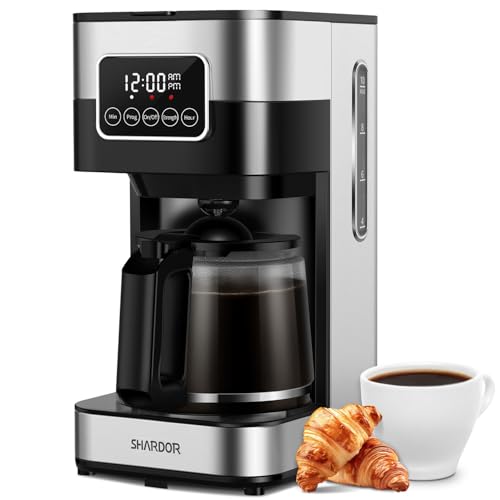


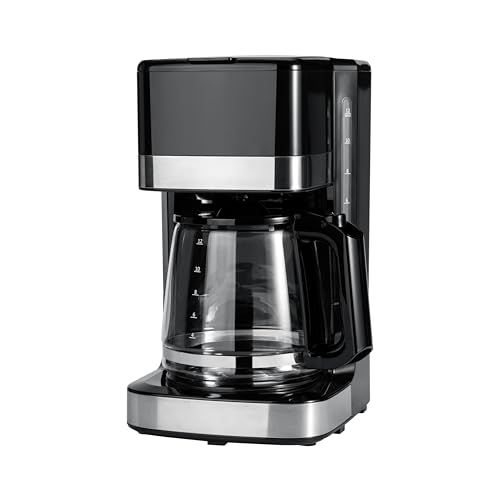
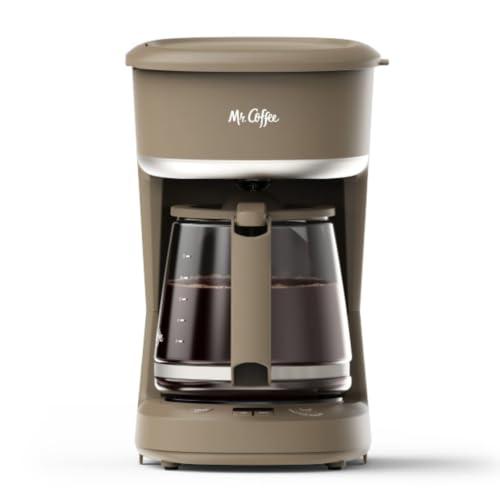


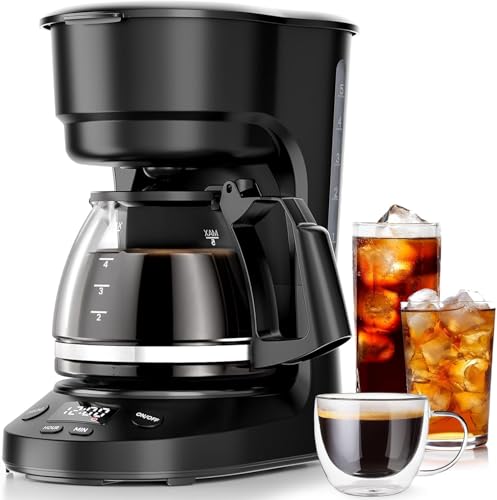
Coffee Maker Basics for Beginners
A basic coffee maker heats water, moves it over ground coffee held in a filter, and collects the brewed coffee in a carafe or mug. That simple path is why low cost machines can still taste good: there are few parts to go wrong. Most models at this price are drip machines, small single serve brewers, or simple manual styles.
A few terms will help you shop. Capacity is stated in cups, but a coffee maker cup is usually about 5 to 6 ounces, not a full mug. A warming plate keeps a glass carafe hot, while a thermal carafe is an insulated container that holds heat without power. Descaling means removing mineral buildup with a vinegar solution or a descaling product so water flows and heats properly.
Key Specs of the Best Coffee Makers Under 50 Dollars in Plain English
Spec sheets for the best coffee makers under 50 dollars are short, which is good news. The five points below cover nearly every real difference between models under $50.
What You Can Realistically Get Under $50
Under $50, expect a solid basic drip machine in sizes from about 4 to 12 cups, simple controls, and mostly plastic construction with a glass carafe. Some models add a programmable timer or auto shut off, which are genuinely useful. What you give up is precise temperature control, stainless steel bodies, thermal carafes on most models, and built in grinders. Do not skimp on basic safety marks and a clear warranty, even at this price. A machine around $35 to $50 usually feels sturdier than the very cheapest options around $20.
Brewing Method and Coffee Style
Drip is the default choice under $50 and the strongest value for more than one cup, giving a balanced, familiar taste. Single serve machines brew one mug at a time and suit solo drinkers, but pod models raise the cost per cup. Pour over cones and french presses cost the least and need a separate kettle, while true espresso is not realistic at this price. Match the method to how many cups you drink and how much morning effort you enjoy.
If you like the idea of a pot style machine for a small household, our guide to the best coffee pot makers explains sizes and carafe choices in more depth.
Brew Temperature and Extraction
Good coffee extracts best in water around 195 to 205 degrees Fahrenheit, a range set by the Specialty Coffee Association for brewing standards. Budget machines vary more in temperature, which is why two cheap models can taste different with the same coffee. You cannot adjust temperature at this price, so help extraction in other ways: use fresh medium grind coffee, the right amount of grounds, and filtered water. Pre warming your mug also keeps a small serving tasting hot and balanced.
Built In Grinder vs Pre Ground
You will not find a true built in burr grinder under $50, and that is fine. Grinder models cost more, add noise, and need extra cleaning. Pre ground coffee is the practical start for a first machine, and it can taste very good if you store it sealed and use it within a few weeks. Later, a separate burr grinder is the best single upgrade for flavor, better than a pricier machine. Blade grinders cost less but grind unevenly, so save for burr if you upgrade.
Capacity and Serving Size
Count mugs, not label cups. A 12 cup machine makes about six to eight real mugs, a 5 cup machine makes about two to three mugs, and a single serve machine makes one at a time. Buy for your normal day, not your biggest party, because coffee tastes best fresh and small batches in a large basket can taste weak. If you host often, a thermal carafe or a second brew cycle solves the problem without oversizing your daily machine.
To see what one step up in budget adds, compare with our guide to the best coffee makers under 100 dollars. Many first time buyers find that the under $50 tier is enough once they compare honestly.
Rookie Mistakes to Avoid
- Buying the largest size on sale, then brewing tiny amounts that taste weak in an oversized basket.
- Forgetting ongoing costs, such as paper filters, descaling solution, and pricier pods for single serve models.
- Skipping the measurement step, so the machine does not fit under low kitchen cabinets with the lid open.
- Using very fine or flavored grounds that clog filters and leave stale flavors in the basket.
- Never descaling, which slowly makes coffee cooler, weaker, and the machine louder.
One more check before you buy: read the return policy. A generous return window lets you try water flow, carafe pouring, and counter fit at home, which no spec sheet can fully tell you. Our guide to the best coffee machines under 50 is another useful cross check when you compare similar low price formats.
Getting Started: Setup and First Use
Start by washing the carafe, lid, and removable basket in warm soapy water, then run one or two full cycles of plain water to rinse away dust and factory residue. Use filtered water from the first day to protect flavor and reduce scale. Add paper or a reusable filter, dose about one to two tablespoons of ground coffee per 6 ounces of water, and adjust strength over your first week rather than all at once.
Keep notes during your first week. Write down how many scoops you used, how full you filled the tank, and whether the result tasted weak, balanced, or bitter. One small change at a time will show you exactly what fixed the cup. That habit teaches you more about your own taste than any online chart, and it costs nothing.
Set a simple care rhythm now while the machine is new. Rinse the carafe and basket after each use, wipe the warming plate when cool, and descale every one to three months depending on water hardness. Writing the purchase date on a small note inside a cabinet door helps you track both descaling and the warranty period without any extra effort.
Your Questions Answered
Can you get a good coffee maker under $50?
Yes, you can get a good coffee maker under $50 for daily drip coffee. Focus on even brewing, a carafe that pours cleanly, and simple controls you will actually use. Fresh coffee and clean equipment will improve taste more than extra programs at this price. Expect basic materials, and judge the machine on the cup it makes, not the length of its feature list.
How often should I descale a coffee maker under $50?
Descale a budget coffee maker every one to three months, depending on your water hardness and daily use. Budget machines have simple heating elements that show scale effects quickly, so do not stretch the interval. If brewing slows, gets noisy, or tastes flat, descale right away. A vinegar and water cycle followed by two plain water cycles is a low cost way to do it.
How long does a coffee maker under $50 usually last?
A coffee maker under $50 usually lasts about two to four years with regular cleaning and descaling. Gentle handling of the glass carafe matters, since a broken carafe is the most common early end for budget machines. Hard water and daily heavy use shorten that span. Considering the low price, even three years of daily coffee is strong value per cup.
Can I use regular coffee in a coffee maker under $50?
Yes, regular coffee works in any basic drip machine under $50. Choose a medium drip grind, which flows well through standard paper filters without clogging. Keep opened coffee in a sealed container away from heat and light so flavor lasts. Avoid espresso fine grind, which can overflow the basket and make a bitter, messy pot.
Is a more expensive coffee maker really worth it?
It becomes worth it when you want a thermal carafe, steadier brew temperature, or a larger sturdy build for heavy daily use. Those gains are real, but they are upgrades, not requirements for good coffee. Start under $50, learn your routine for a few months, and use the product table above to confirm you are not paying for features you will ignore.
Wrapping Up
For a first purchase, keep it simple: pick the right capacity in mugs, choose drip for value, and plan to descale on schedule. Those three habits matter more than brand badges at this price. Look back at the product table above, confirm the size and controls fit your kitchen, and choose the best coffee makers under 50 dollars option that matches how you actually drink coffee each morning.