Best Coffee Makers for Truck Drivers (2026): Match the Model to Your Routine
Disclosure: We may earn a commission when you buy through links on this page, at no extra cost to you. As an Amazon Associate I earn from qualifying purchases. Learn more

Cab power, tight space and vibration: how to choose the best coffee makers for truck drivers, from compact drip to portable battery brewers.
There is no single coffee maker that suits every driver. A solo long haul driver who brews once at dawn, a team that shares the cab, and a regional driver home most nights all need different machines, power setups, and cup sizes.
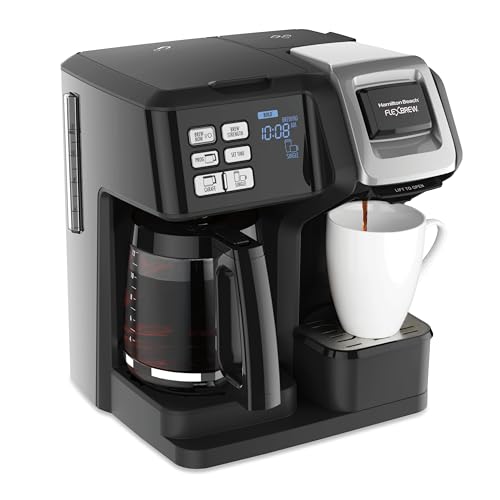
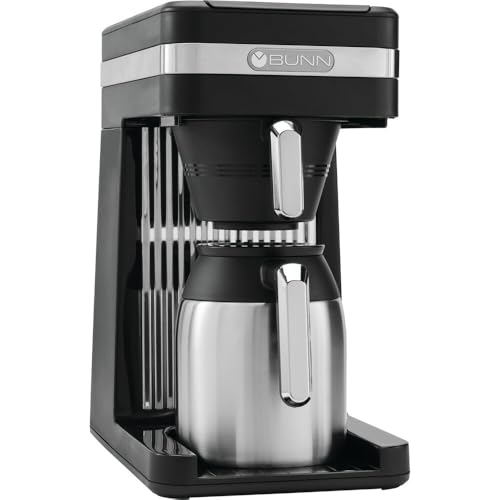
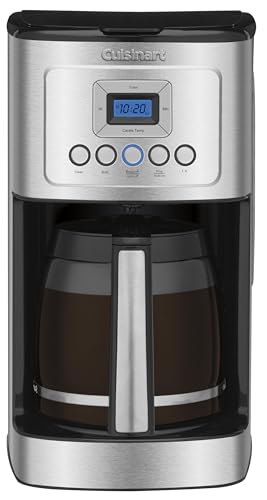
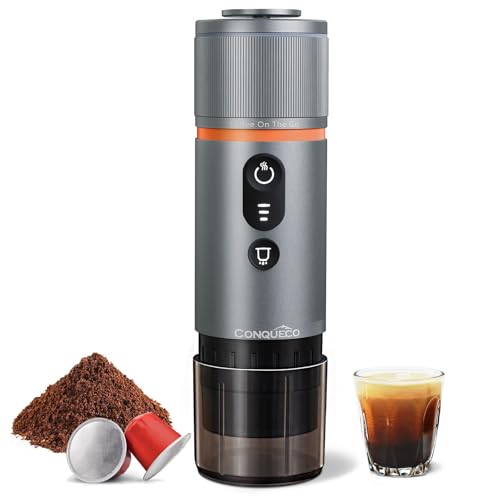
This guide matches the machine to the routine first. When you shop for the best coffee makers for truck drivers, start with your cab power and your stops, then check the product table below for sizes and formats that fit your sleeper cab.


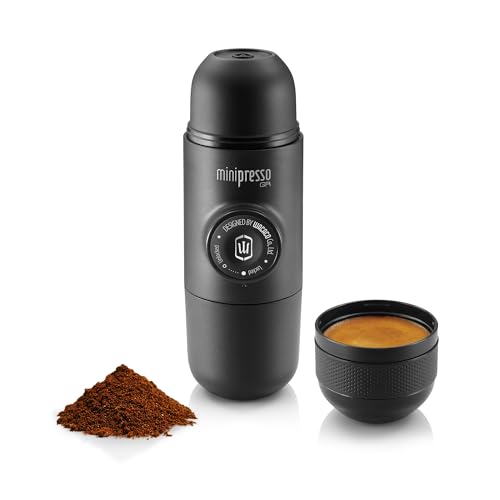
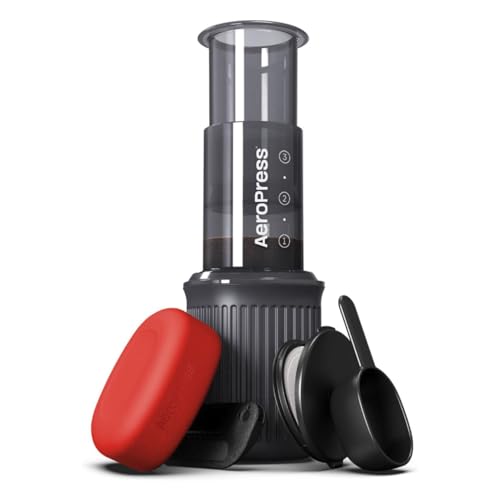

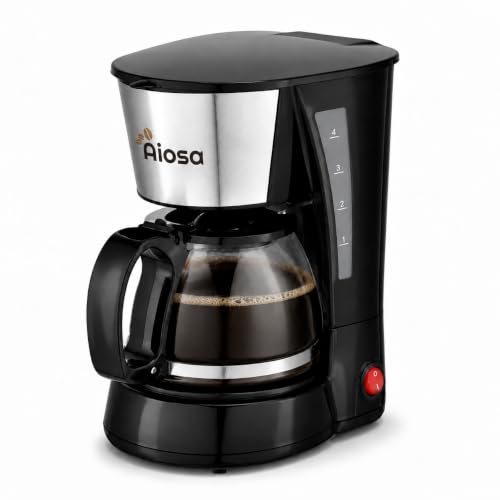
Best Coffee Makers for Truck Drivers: Matching Machine to Routine
Your route decides your brewer. Think about how many cups you drink per shift, where you park when you brew, and whether you have an inverter, an auxiliary power unit, or only a 12 volt outlet.
For Long Haul Solo Drivers
Solo long haul drivers do best with a compact single serve or small drip machine that brews one travel mug at a time. You waste less coffee, cleaning takes minutes, and the machine stores in a cabinet between uses. Prioritize a sturdy travel mug fit, auto shut off, and a tank you can fill from a water jug without spills. A model that runs well on a modest inverter keeps power simple.
For Team Drivers and Couples
Teams drink more coffee at different hours, so a small 4 to 5 cup drip machine with a thermal carafe often works better than a single serve unit. One person can brew while the other rests, and the carafe keeps the rest warm without reheating. Pod machines also suit teams with different taste in drinks, but pod cost and trash add up fast on long runs.
For Regional Drivers on a Budget
Regional drivers who sleep at home can keep it simple with a low cost compact brewer for early starts and occasional overnight runs. Basic controls, a small footprint, and easy descaling matter more than extra programs. If you brew only a few times a week, a manual pour over cone or a small french press in your bag can even skip the power question entirely.
Key Features to Compare
The best coffee makers for truck drivers respect limits that home kitchens never face. Cab brewing adds limited power, tight space, vibration, and water you carry yourself. Judge every machine against those four limits before you look at extra features.
Features That Matter for Truck Drivers
Power draw is the first spec to check. Many home drip machines draw about 800 to 1200 watts, which needs a properly sized inverter, while true 12 volt machines brew slower but plug in directly. Look for a compact body under about 12 inches tall for cabinet storage, a locking or secure lid, and a brew basket that will not rattle loose. Auto shut off is essential in a cab.
Safety comes first on the road. Never brew while the truck is moving, and only start a cycle when you are parked on level ground with the machine on a stable surface away from bedding and paper. Keep the maker secured while driving so it cannot slide or fall during a hard stop.
Build Materials (Plastic vs Stainless vs Glass)
Skip glass carafes in a cab, because vibration, tight storage, and hard surfaces make breakage likely. Stainless steel travel mugs and thermal carafes handle life on the road far better and keep coffee hot through a shift. For plastic tanks and lids, look for BPA free labeling and parts that do not crack easily in cold weather. Metal and sturdy plastic also clean up better after a spill.
Cleaning, Descaling, and Maintenance
You will clean with limited water, so choose a machine with few parts and a smooth tank that rinses cleanly. Removable baskets and lids that open fully dry faster and resist stale odors in a warm cab. Descaling still matters, since bottled and rest stop water varies in mineral content. Plan to descale at home on a day off, where you can run rinse cycles without saving every drop.
For a small cab setup, our guide to the best single coffee makers shows which compact formats clean up fastest. That matters when your sink is a water jug and a wipe down at a rest stop.
Brewing Method and Coffee Style
Single serve machines give speed and variety for one driver, drip gives a lower cost per cup for teams, and manual methods need no power but take attention and a kettle. Espresso is rarely practical in a cab due to power draw, mess, and cost. Cold brew concentrate made at home can also ride along in a cooler and dilute with hot or cold water, which suits drivers who want to skip brewing on some days.
Capacity and Serving Size
Match capacity to your mug, not to home habits. Many drivers carry a 16 to 20 ounce travel mug, so a machine that brews that amount in one cycle avoids a second partial brew. Tanks around 30 to 40 ounces cover a day for solo drivers without daily refilling. Larger tanks sound convenient but take cabinet space and can slosh if stored partly full, so empty the tank before driving.
If you sometimes brew a full pot at home before a run, our guide to the best coffee pot makers can help you choose that home machine separately from your cab unit.
Common Mistakes to Avoid When Buying Coffee Makers
- Buying a home machine without checking its wattage against your inverter rating.
- Choosing a glass carafe that will rattle and crack in cab storage.
- Picking a tall machine that does not fit the cabinet or counter space in your sleeper.
- Ignoring pod cost and trash on long runs where resupply is limited.
- Forgetting a plan for water, grounds storage, and where dirty filters will go.
One more practical check helps: run the machine at home for a full week before your first trip with it. You will learn its cycle time, its mug clearance, and how much water it splashes, all without the pressure of a schedule. That trial also shows whether the cord length and tank access work when your hands are full and space is tight.
Each mistake is easy to prevent with one measurement and one power check before you order. For broader format comparisons, see our guide to the best brewing coffee makers before you commit to a style.
Tips to Get the Most From Your Coffee Maker
Use filtered or bottled water to protect flavor and reduce scale, and store grounds in a sealed container away from cab heat. Descale every one to three months depending on water hardness, ideally at home. Clean the basket, tank, and mug after each use so old coffee oils do not spoil the next brew. Keep a small kit together: filters, a spare mug lid, paper towels, and a trash bag, so brewing stays tidy in a small space.
Frequently Asked Questions
What features matter most in coffee makers for truck drivers?
Power compatibility, compact size, and a secure build matter most for truck drivers. Confirm the wattage works with your inverter or choose a true 12 volt model. A thermal mug or carafe, auto shut off, and parts that rinse cleanly with little water complete the core list. If a machine fails any of those checks, its extra features will not help you.
Is a coffee maker with a built in grinder worth it?
For most drivers, no. A built in grinder adds size, noise, power draw, and messy cleanup in a space where all four are in short supply. Pre ground coffee in a sealed container is simpler and tastes fine for cab brewing. If freshness matters deeply to you, grind at home for each trip and store small portions in sealed bags.
How long does a coffee maker usually last?
A compact coffee maker usually lasts about two to four years in cab use, which is harder on machines than home use due to vibration and travel. Securing the machine during drives, descaling on schedule, and avoiding glass parts all extend its life. Keep the receipt and warranty details in your permit book or phone photos in case you need service on the road.
Is a more expensive coffee maker really worth it?
It is worth it when the extra money buys lower power draw, a metal carafe, and a compact body built for travel. It is not worth it for home style extras like large drink menus or glass styling. Review the product table above and pay for cab fit and safe power use first, then for convenience features you will use daily.
What grind size works best with a coffee maker?
A medium grind works best for small drip machines in a cab, flowing evenly without overflowing the basket when the truck sits level. For single serve refillable pods, a medium fine grind usually extracts better in the smaller chamber. Avoid very fine grinds on the road, since a clogged basket and a spill are much harder to clean in a sleeper cab.
Final Thoughts
Start with power, then size, then capacity for your mug, and the right machine will stand out quickly. Brew only while parked, keep the unit secured while driving, and clean it with the same discipline you give the rest of your cab. Check the product table above and choose the best coffee makers for truck drivers option that fits your route, your inverter, and your daily rhythm.