Best Coffee Makers for Ice Coffee (2026): Buyer Checklist
Disclosure: We may earn a commission when you buy through links on this page, at no extra cost to you. As an Amazon Associate I earn from qualifying purchases. Learn more

Avoid watery iced coffee: compare the best coffee makers for ice coffee by iced mode, brew strength, carafe fit, cold brew options and upkeep.
Iced coffee fails in predictable ways. It tastes watery after the ice melts, weak when it was brewed too light, or bitter when hot coffee sat too long before chilling. A good checklist prevents all three problems before you spend money.
This guide gives you the criteria to judge any machine for cold drinks. As you compare the best coffee makers for ice coffee, use the product table below and score each option against the points that follow.


How to Evaluate the Best Coffee Makers for Ice Coffee
Do not judge an iced coffee machine by its hot coffee rating alone. Cold serving changes what matters: brew strength, how fast coffee cools, and whether melting ice is part of the recipe or an accident.
Features That Matter for Ice Coffee
The best coffee makers for ice coffee brew concentrated flavor that survives dilution. Look for a dedicated iced setting or a strong brew mode that uses less water for the same amount of grounds. A machine that brews directly over ice should state the ice amount it expects, so the final cup lands balanced instead of thin. Removable tanks and a carafe that fits in the fridge also help for batch chilling.
Brewing Method and Coffee Style
Several methods can end up over ice. Hot drip brewed strong and chilled fast gives a bright taste, cold brew gives a smooth and sweet taste after a long steep, and espresso over ice gives a small intense drink. Single serve machines are quick for one glass but costly for a group. Choose the method that matches how many cold drinks you make each day and how far ahead you plan.
Programmable Features and Controls
A programmable timer helps when you want coffee chilled and ready for a morning commute, since you can brew the night before and refrigerate it. Brew strength control matters more than a long menu of drink sizes. Auto shut off adds safety and saves power. Touch screens look nice, but simple buttons you can use with wet hands near ice and water are often more practical.
Build Materials (Plastic vs Stainless vs Glass)
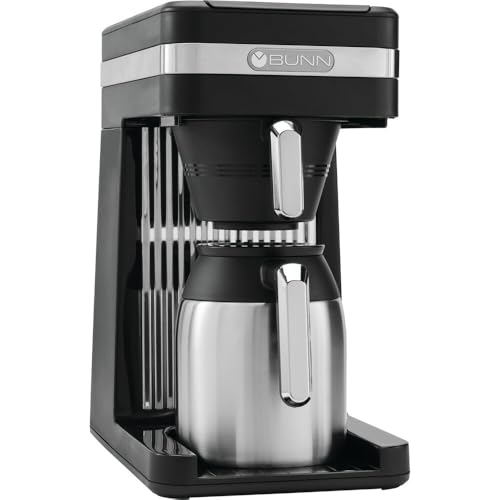
Glass carafes show the coffee level and do not hold old flavors, but they can crack when hot glass meets a cold sink, so handle them with care. Stainless steel carafes survive drops and keep coffee cold longer in the fridge door. Plastic parts should be clearly labeled BPA free where they touch hot liquid. For iced use, also check that lids seal well, since fridge spills are common.
Brew Temperature and Extraction
Hot brewed iced coffee still needs proper extraction, with water around 195 to 205 degrees Fahrenheit for balanced flavor. Under extracted coffee tastes sour, and chilling makes that sour note stand out even more. Cold brew skips heat and uses time instead, which is why it tastes smoother. Either way, fresh grounds and the right ratio matter more once ice starts diluting the cup.
Footprint and Countertop Fit
Measure height with the lid open, depth with the carafe pulled out, and the space you need for a tray of ice nearby. Tall single serve machines may not fit under low cabinets, and wide machines crowd a small counter. A removable water tank makes filling easier when the machine sits in a corner. If counter space is tight, a compact drip machine plus a fridge pitcher can beat a large specialty unit.
Ice supply is part of the setup too. If your freezer struggles to keep up, our guide to the best ice makers explains countertop options that pair well with daily iced coffee.
Three Styles That Pass the Checklist
Use these three proven styles as your shortlist. Each one passes the checklist above for a different kind of drinker, budget, and kitchen.
Drip Machine With an Iced Mode
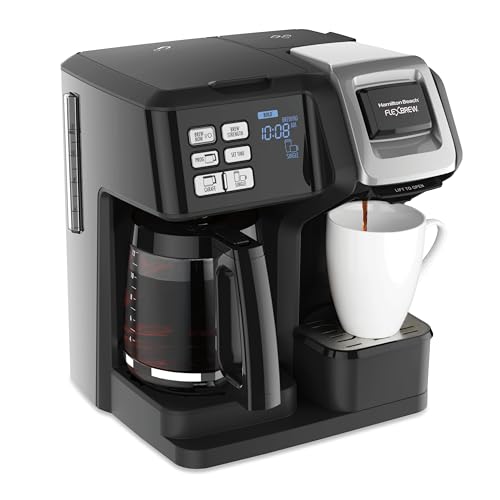
A drip machine with a true iced mode brews a smaller, stronger amount of hot coffee meant to chill over a measured amount of ice. It serves both hot and cold drinkers from one machine, which keeps cost and counter space under control. Expect to pay about $80 to $180 for this flexibility. The limit is batch size, since most home carafes still cap how many large iced drinks you can make at once.
Standard Drip Plus a Chilling Routine
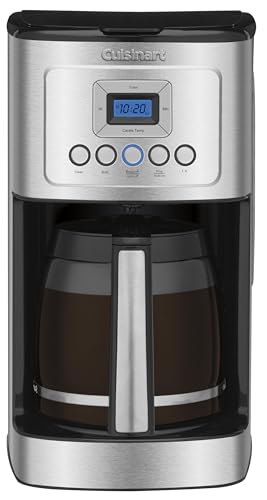
A basic drip machine, often under $80, can make fine iced coffee if you brew at double strength and chill the pot quickly in the fridge or over ice in a metal pitcher. You give up a dedicated mode and some convenience, but the savings are real. This route suits occasional iced drinkers who already own a drip machine. Our guide to the best coffee pot makers helps if you need to replace the carafe side of that setup.
Dedicated Cold Brew System
A premium cold brew system, about $150 to $300 for advanced electric options, speeds up or refines the slow steep and often filters very cleanly. It rewards drinkers who want smooth, low acid coffee ready in the fridge for several days. The trade off is planning ahead and giving up hot coffee from the same machine. For daily iced drinkers, that focus can be worth the price and the fridge space.
Quick Buyer Checklist
- Does the machine have an iced mode or a strong brew setting you can use for chilling?
- Can it brew the number of iced drinks your household makes on a hot day?
- Does the carafe fit in your fridge, and does the lid seal well?
- Are the tank and basket easy to remove, fill, and wash?
- Does the full footprint fit your counter with room for ice and glasses?
- Is the cost per cup reasonable if the machine uses pods?
- Does the warranty cover at least one year of daily use?
If you answered no to two or more questions, keep shopping. Iced coffee is unforgiving of weak brewing and awkward carafes, and a short delay beats a summer of thin drinks. Shoppers comparing broader machine types can also check our guide to the best brewing coffee makers for method differences.
Red Flags to Watch For
Watch for vague claims about iced performance with no stated brew ratio or ice amount, since that usually means a normal hot brew with new labeling. Be wary of tiny carafes sold as family size, missing safety or electrical certification marks, and warranties shorter than a year on a machine you will use daily. Unusual review patterns, such as many generic five star posts in a short window, are another reason to pause. Finally, skip machines with costly required filters or pods that are hard to find.
Care and Maintenance Tips
Use filtered water to protect flavor and reduce scale. Descale every one to three months depending on water hardness, and sooner during heavy summer use. Clean the carafe, basket, and any cold brew filter after each use, because coffee oils turn stale fast and will flatten the next batch. Dry parts fully before storing a cold brew maker in the fridge to avoid off odors.
FAQs
What features matter most in coffee makers for ice coffee?
Brew strength control and a clear plan for dilution matter most for iced coffee. The coffee must taste right after ice melts, not just in the carafe. A dedicated iced mode, a carafe that chills well, and easy cleaning complete the core list. Without strength control, most machines produce iced coffee that tastes thin within minutes.
How often should I descale my coffee maker?
Descale every one to three months, based on water hardness and how often you brew. Summer raises use for iced drinks, so scale can build faster than you expect. Tie it to a habit: when you buy new filters or beans in bulk, check the calendar. Slow flow and sour taste are clear signs to descale now.
How long does a coffee maker usually last?
A home coffee maker usually lasts about three to five years with regular cleaning, and longer if you descale on schedule and handle the carafe gently. Heavy daily use, hard water, and dropped glass shorten that span. Cold brew makers with few moving parts often last longest. Budget for a replacement carafe at least once during the life of the machine.
Can I use regular coffee in a coffee maker?
Yes, regular coffee works fine for iced coffee in most machines. Use a medium grind for drip and consider a slightly larger dose than you use for hot coffee, since ice will dilute the drink. Avoid flavored grounds if you plan to chill a batch for days, because added flavors can taste stale faster in the fridge.
Is a more expensive coffee maker really worth it?
It is worth it when the price buys a real iced mode, better temperature control, and a sturdier carafe, because those gains show in every glass. It is not worth it for styling alone or for drink programs you will never touch. Compare the product table above and pay for brewing control before screens and finishes.
What grind size works best with a coffee maker?
For hot drip that will be iced, a medium grind like coarse sand works best and keeps extraction balanced. For cold brew, use a coarse grind, which filters cleanly and avoids a muddy texture after the long steep. Very fine grinds over extract in drip baskets and clog cold brew filters, so adjust the grind to the method first.
Wrapping Up
Judge every option by strength control, chilling plan, and carafe fit, and you will avoid the watery results that disappoint most buyers. Match the style to how many cold drinks you make and how far ahead you plan. Check the product table above once more, then choose the best coffee makers for ice coffee setup that fits your kitchen and your summer routine.