
Best Coffee Maker for Small Kitchen: Tight Counter Guide 2026
Disclosure: We may earn a commission when you buy through links on this page, at no extra cost to you. As an Amazon Associate I earn from qualifying purchases. Learn more
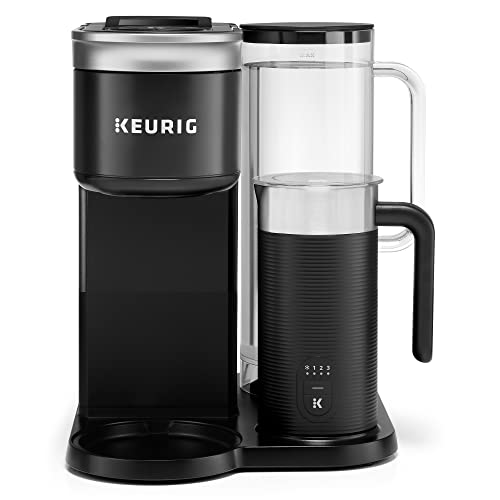
Best coffee maker for small kitchen: formats that earn their counter space in a small kitchen.
Picture a weekday morning in a small kitchen. The cutting board lives on the counter, the dish rack takes the corner, and the toaster already fights for outlet space. Adding a brewer to that scene takes planning, because the wrong footprint crowds every meal you cook afterward. The best coffee maker for small kitchen setups is the one that fits your counter, your household size, and your morning routine at the same time.
This guide walks you through measuring your space, matching capacity to the number of coffee drinkers at home, and sorting features that earn their footprint from features that only add bulk. Use the comparison table below to see how the main format types differ.


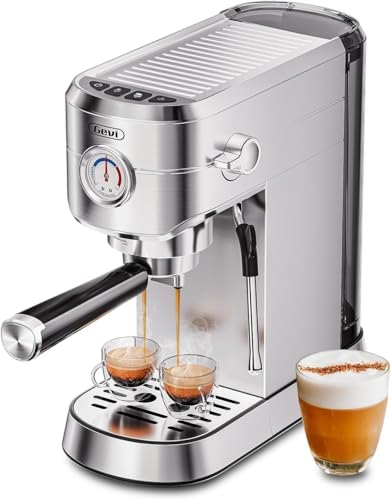
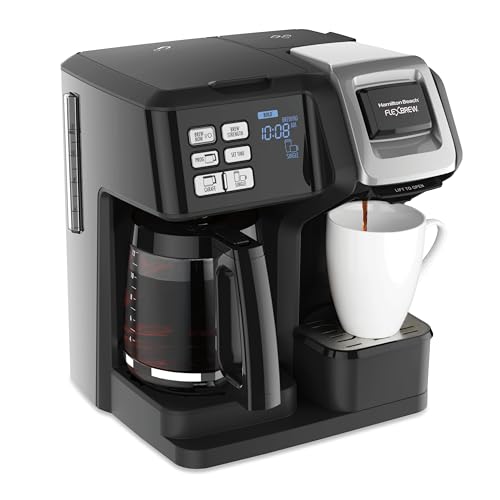


Quick Answer: Coffee Makers That Fit a Small Kitchen
In a tight kitchen, format matters more than brand. Compact drip makers brew a shared pot in a narrow body and suit homes where two or more people drink coffee each morning. Single serve pod brewers stay slim and brew one cup at a time, which suits solo drinkers and mixed tastes. Compact thermal carafe models skip the warming plate and keep coffee hot inside an insulated pot, a good match for slow mornings. The sections below help you weigh them.
Before You Buy: A Quick Checklist for a Small Kitchen
Size: Match It to Your Space
Start with capacity, because it drives the footprint. Makers come in sizes from about 4 cup up to 14 cup, plus single cup models, but a coffee maker cup is roughly 5 ounces, so a 5 cup pot pours about two generous mugs. Households of one or two usually do well with 4 cup or 5 cup models, while families may want 8 cup or 10 cup. Then measure height with the lid open, since brewers need extra clearance to fill the reservoir under upper cabinets.
Which Type Fits Your Routine
Drip brewing remains the default for shared pots, steady flavor, and low cost per cup, and our guide to the best drip coffee maker options explains that format in depth. Programmable models add a timer so coffee waits for you at wake up time. Single serve machines trade the pot for speed and variety. Compact and slim designs cut width or depth for galley kitchens and apartment counters. Think about your busiest morning, not your laziest Sunday.
Features Worth It, and Ones to Skip
A programmable timer and auto shut off earn their place in most small kitchens, since both save attention and counter checks. A removable water reservoir is worth it too, because you can fill it at the sink instead of carrying a jug to a machine wedged in a corner. A milk frother and a hot water dispenser sound handy, yet each adds size, parts to wash, and cost that occasional users rarely recover. A built in grinder also adds height and noise. If fresh grinding matters to you, the roundup of the best coffee maker with grinder models shows the tradeoff.
Brew Temperature and SCA Certification
Coffee extracts best in water heated to about 195 to 205°F, and machines that fall short of that range often pour cups that taste sour or thin. The Specialty Coffee Association certifies brewers that hold this temperature range steadily through the brew cycle, along with even water distribution over the grounds. Certification is not required for a tasty cup, but it is a useful shortcut when two similar sized models sit at similar prices. Steady brewing temperature is worth more than extra buttons.
Water Reservoir, Filters, and Descaling
Check how the reservoir fills before you buy. Top fill designs need lid clearance, while removable tanks suit counters tucked under low cabinets. Paper filters cost a little per pot, while reusable mesh filters cut ongoing cost but need rinsing after each brew. Mineral scale from hard water slowly clogs heating elements and stretches brew times, so look for a model with a cleaning reminder or a simple descale cycle. A machine that is easy to descale is far more likely to get descaled on schedule.
Counter Footprint
Measure width and depth where the brewer will actually live, then add room for the lid to open and the carafe to slide out without hitting the backsplash. Some makers are narrow but deep, others are wide but shallow, and the better shape depends on your counter layout. Short cords with built in cord storage help where outlets sit far from the coffee corner. Also leave a little air space around the machine, because steam needs somewhere to go besides the underside of your cabinets.
Realistic Budget Ranges
Spending under $30 buys a basic small pot drip maker with simple controls and a glass carafe, fine for a dorm room or a first apartment. About $30 to $50 adds programmable timers, auto shut off, and better carafe design. About $50 to $100 is where you find compact thermal carafe models, stronger heating elements, and sturdier construction. About $100 to $200 brings certified brewing temperature and quieter operation. In every tier, a smaller capacity version usually costs less than its full size sibling.
Three Format Types Compared
Compact Drip Makers for Households That Share a Pot
A compact drip maker in the 5 cup to 10 cup range is the workhorse choice when two or more people drink coffee every day. It brews the whole pot at once, keeps cost per cup low with paper or mesh filters, and asks for little counter depth. Glass carafe models with a warming plate cost less, while the plate can cook the coffee if it sits too long. Choose this format if your household drinks on a similar schedule and you want one simple machine for the morning rush.
Single Serve Pod Brewers for One Cup at a Time
Pod brewers stay slim because they hold water for single cups rather than a full pot, and many models are only about 5 inches wide. They suit solo drinkers, couples with different tastes, and anyone who wants a cup in the afternoon without brewing a pot. The tradeoff is ongoing pod cost and the storage space pods themselves take up in a small pantry. If you are weighing this format against a full machine, our comparison of coffee maker vs keurig style brewers breaks down cost and convenience side by side.
Compact Thermal Carafe Models for Slow Mornings
A thermal carafe keeps coffee hot with insulation instead of a warming plate, so the last cup tastes fresh hours after brewing and you can carry the pot to the table. These models often run a little taller, so check your cabinet clearance twice. There is no plate to scorch coffee or waste power, and no glass pot to crack against a crowded sink. Pick this format if your household drinks in waves or works from home.
The Criteria That Matter Most in a Small Kitchen
This guide weighs footprint first, then brew quality and temperature stability, because a small kitchen machine must earn its counter space every day. Ease of use matters next, since controls you can work half awake prevent morning spills. Cleaning effort, build quality, and the availability of replacement carafes and filters round out the list. These criteria come from manufacturer specifications and verified buyer feedback about daily use.
Living With It: What Really Matters Day to Day
The daily reality of a small kitchen brewer is mostly about small movements. Can you fill the water without dragging the machine forward? Can you store filters and beans within reach without a step stool? A brewer that answers yes to both fades into the background of your routine. Noise matters too in studio apartments and open plan homes, where a loud pump can wake the whole space at 6 in the morning.
Think about guests as well. A compact machine that brews a modest pot handles two visitors fine, and a kettle plus a simple pour over cone covers overflow without a second appliance. If your small kitchen is part of a larger home setup, our guide to the best coffee maker for home use covers bigger households and wider counters.
Common Buying Mistakes to Avoid
- Buying a 12 cup machine for a two person home, so stale coffee gets reheated and counter space disappears for nothing.
- Measuring counter width but forgetting lid clearance, so the brewer only fits with its top half open under the cabinets.
- Ignoring ongoing filter and pod costs, which can quietly pass the price of the machine itself within a year or two.
- Paying for a frother, grinder, and hot water dispenser you use twice, while the added bulk crowds your only work surface.
- Choosing by looks alone and skipping the reservoir design, then dreading every refill in a corner with no room to pour.
Cost of Ownership and Care
Running costs stay modest. Paper filters run a few cents per pot, a reusable mesh filter removes that cost entirely, and descaling solution or plain vinegar costs very little per cleaning. Electricity use is minor next to an oven or kettle habit. Care is simple: rinse the carafe daily, wash removable parts weekly, and descale on the schedule your water hardness demands. Our step by step guide on how to clean a coffee maker walks through the full routine in minutes.
FAQ
What is the most reliable coffee maker brand?
No single brand wins on reliability across every format, so shop for signals instead of logos. Simple controls, few moving parts, a replaceable carafe, and a warranty of at least a year all point to a machine built to last. Widely sold models also tend to have filters and parts in stock years later. A basic drip maker usually outlasts a feature packed model from any maker, because there is less inside it that can fail.
How long does a coffee maker last?
Most home brewers last about 3 to 7 years, with water quality and descaling habits deciding where yours lands in that range. Warning signs of decline include slower brewing, weaker or lukewarm coffee, and leaks around the base. A cracked carafe or a frayed cord means it is time to replace the machine rather than repair it. Regular descaling is the single habit that stretches a brewer toward the top of that range.
Can I store a coffee maker in a cabinet between uses?
Yes, and in the smallest kitchens that is often the smartest setup. Let the machine cool and dry fully before storing it, leave the lid ajar so moisture escapes, and set it on a small tray so moving it in and out takes one motion. Weigh the brewer before you commit to this routine, since lifting a heavy machine twice a day gets old fast. Cabinet storage works best with slim single serve and small drip models.
Is a coffee maker worth it in a very small kitchen?
For daily drinkers, yes. A home brewed pot costs a fraction of cafe coffee, and even a compact machine pays for itself quickly at one cup a day. The real cost is counter space, so the question becomes whether coffee is a daily habit or a weekend treat. Daily drinkers should give the brewer a permanent home, while occasional drinkers may prefer a kettle and a pour over cone that store in a drawer and free the counter completely.
What is the best coffee maker for small kitchen use in a two person home?
For two people, a 5 cup compact drip maker usually hits the sweet spot, since it pours two full mugs with a little left over and still fits a short counter run. If you drink at very different times, a single serve model avoids a pot sitting on a warming plate for hours. Either way, measure for travel mugs as well as cups, since many two person households brew into tall mugs on workday mornings.
Final Thoughts
Choosing well comes down to three honest answers: how much counter you can truly spare, how many mugs your household drinks each morning, and which features you will use daily rather than admire. Match those answers to the formats in the product table above, and the best coffee maker for small kitchen choice for your home becomes clear. For a broader look at every format and size, start with our roundup of the best coffee maker options, then come back here to check the footprint before you order.

