Best Cold Brew Coffee Makers for Home: Types, Sizes and Care in 2026
Disclosure: We may earn a commission when you buy through links on this page, at no extra cost to you. As an Amazon Associate I earn from qualifying purchases. Learn more

Pick the best cold brew coffee maker for home by matching batch size, filter style and fridge space to how your household drinks coffee.
A home cold brew maker sounds simple until you picture it in your actual kitchen. It has to fit on a fridge shelf, hold enough coffee for your household, and rinse clean without a fuss on a busy morning. The best cold brew coffee maker for home is the one that matches your batch size, your storage space, and how strong you like each glass. The product table sums up the main types side by side.
This guide compares maker types rather than naming picks, so you can judge any model against clear criteria. If you want the broader category view first, see our guide to the best cold brew coffee maker and then come back to the home focused details here.

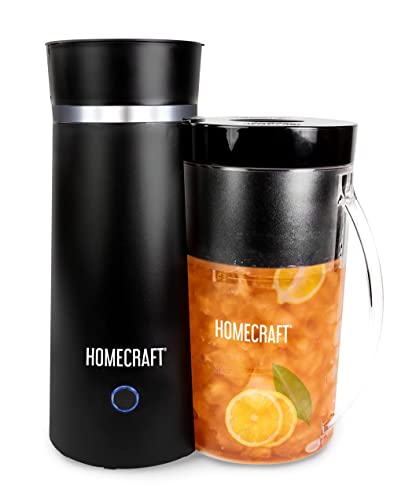
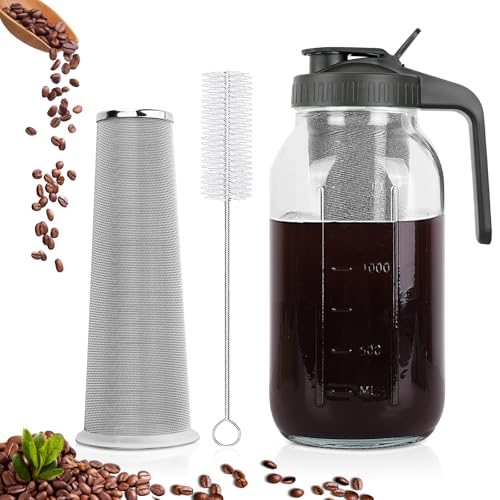
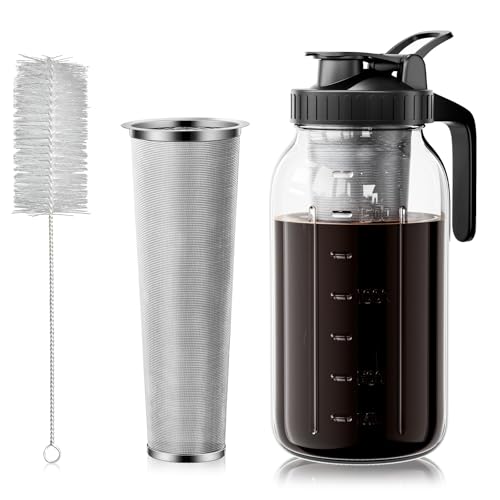
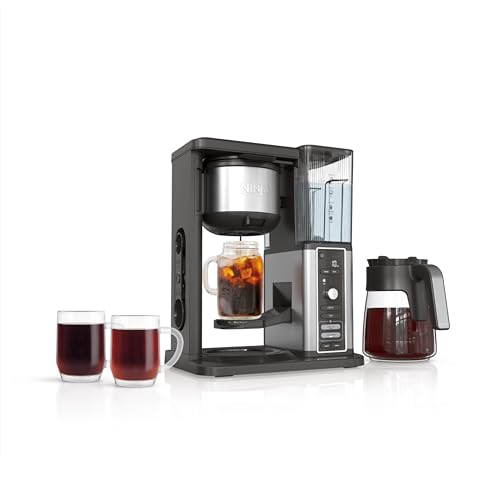
Cold Brew Maker Types Compared for Home Use
Most home makers fall into three groups, and the group matters more than small styling details. Start here, then use the feature sections below to narrow your choice.
Immersion Pitchers With a Built In Filter
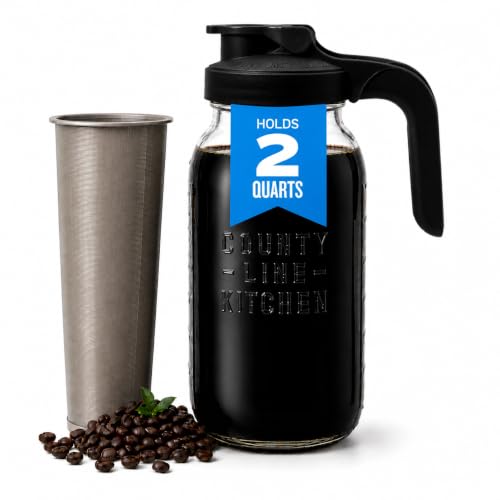
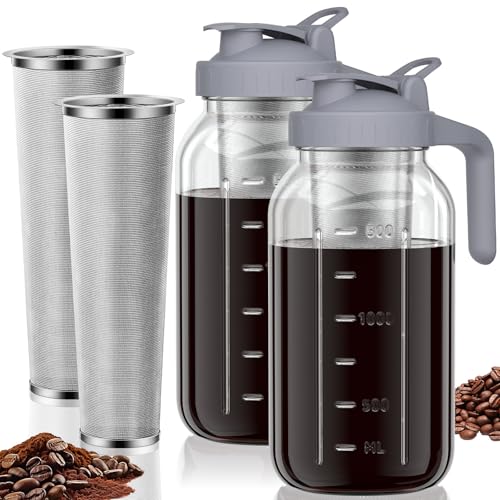
An immersion pitcher holds ground coffee in a mesh cylinder while water surrounds it for the full steep. You fill it, wait, lift the filter out, and pour from the same vessel, which keeps the routine short and the parts count low. Pitchers are usually the easiest type to store because the tall shape slides onto a fridge door shelf. They suit steady daily drinkers who want a ready supply without extra steps.
Glass Brewers With a Separate Serving Carafe
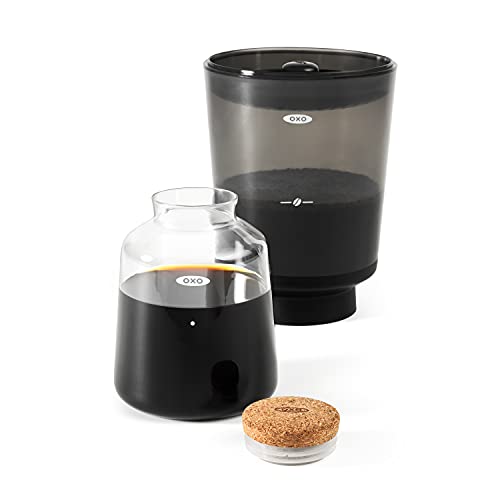
Glass brewers steep grounds in one chamber, then drain or pour the finished coffee into a carafe for serving and storage. The extra transfer step gives you a cleaner cup, since the grounds leave the liquid completely once brewing ends. If looks and a clear view matter to you, our guide to the best glass cold brew coffee maker explains the tradeoffs of this style. Handle glass with care, because one knock on a stone counter can end its life.
Electric Makers That Brew in Minutes
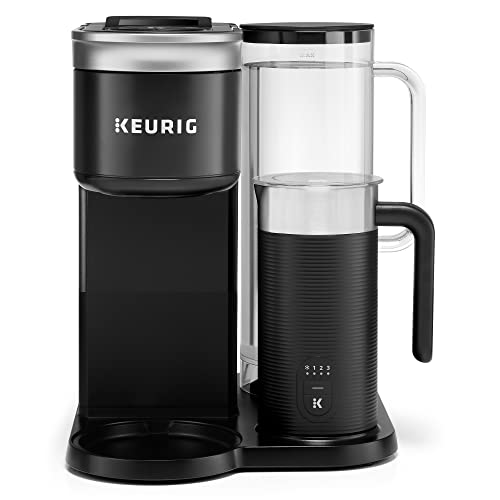
Electric makers move water through the grounds with a pump or agitation, cutting a steep that normally takes hours down to a short cycle. That speed suits homes where nobody remembers to start a batch the night before. The tradeoff is counter space, a cord to manage, and more parts to wash after each use. If quick turnaround sounds worth that footprint, the guide to the best electric cold brew coffee maker covers how these models differ.
Who Should Buy Which Type at Home?
Solo Drinkers and Small Kitchens
If you drink one glass a day and your fridge is already crowded, a compact pitcher in the 32 oz range is usually plenty. A small batch stays fresh because you finish it within a few days, and the vessel leaves room for food on the same shelf. Choose a lid that seals well, since a small pitcher often rides on the door where it gets jostled most.
Couples and Daily Household Drinkers
Two people drinking daily can empty a small pitcher before the next batch finishes steeping, so step up to about 64 oz. That size lets one batch cover two to three days while a fresh one steeps. A brewer with a separate carafe helps here, because the finished coffee can move to the carafe while the brewing chamber starts again.
Hosts and Big Batch Brewers
If weekend guests, adult kids, or a home office crew all drink cold brew, a 1 gallon system saves you from running back to back batches. Concentrate brewers shine in this role because one strong batch dilutes into many glasses. Plan shelf space before you buy, since a full gallon vessel is heavy to lift and needs a tall, clear spot. Our guide to the best large batch cold brew coffee maker walks through the sizing choices for this kind of household.
Key Features to Compare
Batch Size and Finished Yield
Listed capacity is the vessel size, not the amount you actually drink. Grounds and the filter take up room, and a concentrate still needs water or milk added in the glass, so finished yield can look very different from the number on the box. Think in glasses per batch. A 32 oz pitcher gives roughly four modest glasses, while 64 oz covers about eight. Match the batch to how fast your home drinks it.
Filter Style and Sediment Control
Fine mesh filters are reusable and cost nothing per batch, but they let a little sediment through, which some drinkers notice in the last glass. Paper filters catch more of those fine particles and give a cleaner cup, yet they add an ongoing cost and you must keep the right size on hand. Some systems layer both, steeping in mesh and polishing through paper as you drain.
Fridge Fit and Counter Footprint
Measure before you buy, not after. Note the height of your tallest fridge shelf, the width of the door bins, and whether the pitcher handle clears the shelf above when you lift it out. A maker that steeps on the counter still needs a cold spot for storage, unless your household finishes each batch the same day. Tall and narrow shapes use door space well, while short and wide jars suit low shelves. Also check the lid profile, because a raised handle or spout can add an inch you did not count on.
Materials and Everyday Durability
Glass tastes neutral and resists staining, but it chips and cracks when it meets tile or stone. Plastic vessels are light and forgiving of drops, though they can hold onto old coffee odors if you skip a wash. Stainless steel parts, common on filters and lids, resist rust and scrub clean without scratching as fast as coated parts. For a home maker used daily, the weak points are usually the seal, the spout hinge, and the filter seam, so favor designs where those parts look simple and replaceable rather than ornate.
Price Bands and What They Add
Simple immersion pitchers often cost about $20 to $40 and cover the needs of most homes. Models at about $40 to $80 tend to add thicker glass, better seals, and smoother pouring spouts rather than better coffee. Electric and large capacity systems at about $80 to $150 charge for speed or volume, not for a different drink.
How to Brew and Store Cold Brew at Home
Start with coarse ground coffee and cool or room temperature water. A practical starting ratio is about 1 cup of grounds to 4 cups of water for a strong batch you can dilute, or less coffee for a batch you pour as is. Stir so every ground gets wet, cover the vessel, and steep for 12 to 24 hours, tasting near the end of that window to learn your preference. Our step by step walkthrough on how to use a cold brew coffee maker covers the full routine in order.
Once the steep ends, remove the grounds right away. Coffee left sitting on grounds keeps extracting and can turn bitter and dull. Pour the finished brew into a clean sealed vessel for storage, and dilute concentrate in the glass rather than in the storage jar, so each drinker can pick a strength. Add water or milk at about one part concentrate to one part liquid as a starting point, then adjust.
Common Mistakes to Avoid
- Buying by vessel size alone, then finding the finished yield covers only one day of household drinking.
- Using fine ground coffee in a mesh filter, which clogs the screen and leaves the cup gritty and bitter.
- Leaving grounds in the liquid for days, so the flavor keeps shifting long after the steep should have ended.
- Skipping the shelf measurement, then discovering the filled pitcher only fits lying at an angle it cannot seal.
- Storing the brew in an unsealed jug, where fridge odors move into the coffee within a day or two.
- Pouring boiling water over the grounds to speed things up, which changes the drink into a harsh hot brew instead.
Cleaning and Care for a Home Cold Brew Maker
Rinse the vessel and filter soon after you empty them. Old grounds left in a damp filter grow stale odors fast, and those odors move into the next batch. Wash with warm water and a mild soap, scrub the filter gently with a soft brush to clear grounds from the mesh, and let every part dry fully before you close it up. Drying matters most for the seal and lid, where trapped moisture can smell musty within days.
Once a month or so, soak the parts in warm water with a small amount of baking soda to lift coffee oils that soap alone leaves behind. Check the mesh for bent spots and the seal for cracks each time you do this deeper clean, and store the maker with the lid ajar so air can move through it between batches.
FAQ
Can you make cold brew with preground coffee from the store?
Yes, as long as the grind is coarse. Many store bags are ground for drip machines and run too fine, so look for coarse or French press on the label. Preground coffee also loses aroma faster than beans you grind at home, so buy smaller bags and store them sealed away from heat and light.
Can you heat up cold brew without spoiling the taste?
Yes, and the gentlest method is dilution rather than direct heat. Pour concentrate into your mug, then add hot water to reach drinking strength, which warms the coffee without cooking it. Microwaving a full mug works too, but it can flatten the softer flavors that make cold brew appealing. Never reheat the whole storage jar, because warming and chilling the same batch again and again speeds up staleness for every glass that follows.
How long does homemade cold brew concentrate keep in the fridge?
A sealed jar of concentrate generally tastes its best within about 7 days, and many home brewers notice the flavor fading after that point. Coffee already diluted with water or milk should be finished sooner, within about 2 to 3 days. If a batch smells sour, flat in a stale way, or simply off, pour it out rather than trying to rescue it. Brewing a slightly smaller batch more often beats stretching a big one past its best days.
Can you brew iced tea in a cold brew coffee maker?
Yes, most immersion makers handle loose leaf tea and tea bags well with the same fill and wait routine. Use the filter to hold the leaves, steep with cool water, and remove them once the strength suits you, since tea left too long can turn tannic. Rinse the maker well between drinks, because mesh filters carry coffee oils that can mute delicate teas.
When should you replace the filter in a cold brew maker?
Replace a mesh filter when it bends out of shape, tears, or lets far more sediment through than it did when new. A filter that still smells of old coffee after a baking soda soak is also ready to go, because that trapped residue will season every batch. Paper filters are single batch items, so they never need a judgment call. Keeping one spare mesh filter on hand means a worn one never forces you to skip a brew day.
Final Thoughts
For most homes, a simple immersion pitcher in the right size beats a complicated machine. Match the batch to your household, measure your shelf, and pick the filter style you will actually maintain. Chosen that way, the best cold brew coffee maker for home fades into your routine and just keeps the fridge stocked. Before you order, weigh the ongoing cost against cafe prices with our breakdown of is a cold brew coffee maker worth it, and glance back at the product table above to confirm your type.