
Best Coffee Maker for One Person: Solo Drinker Guide 2026
Disclosure: We may earn a commission when you buy through links on this page, at no extra cost to you. As an Amazon Associate I earn from qualifying purchases. Learn more
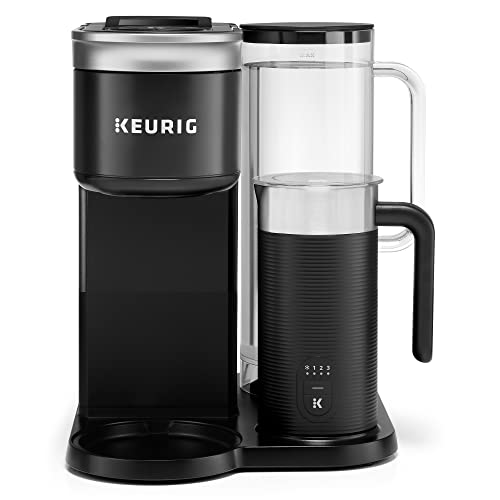
Best coffee maker for one person: a fresh mug without leftover pots, matched to your counter and routine.
Picture a weekday morning in a small apartment. You want one fresh mug, not a full pot that sits and turns stale while you get ready for work. That is why choosing the best coffee maker for one person is really about fit. The right machine matches your counter, your mug, and the few minutes you have before you leave.
This guide helps you choose by space, routine, and budget. It skips named picks and focuses on types and criteria, so you can judge any model on your short list. The comparison table below groups the main types by size, brew style, and upkeep, and our guide to the best coffee maker options covers larger households if your needs grow.
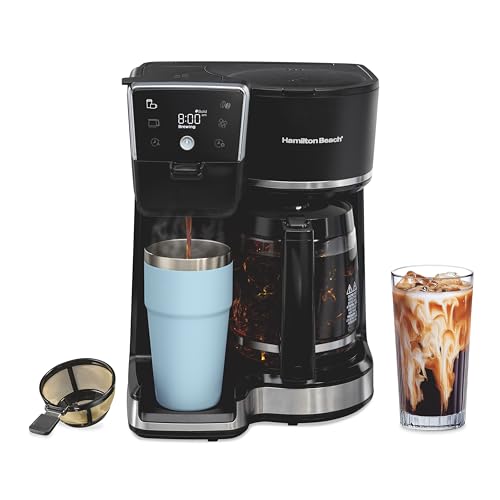


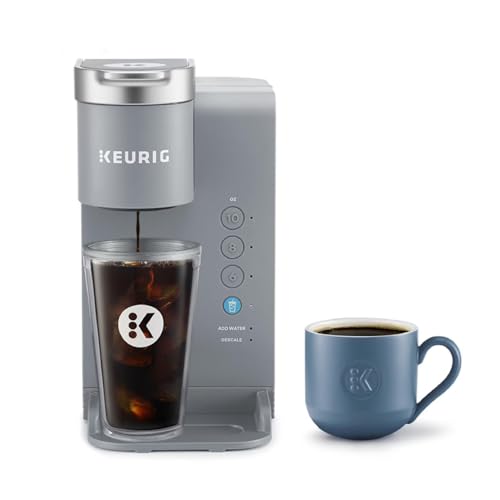
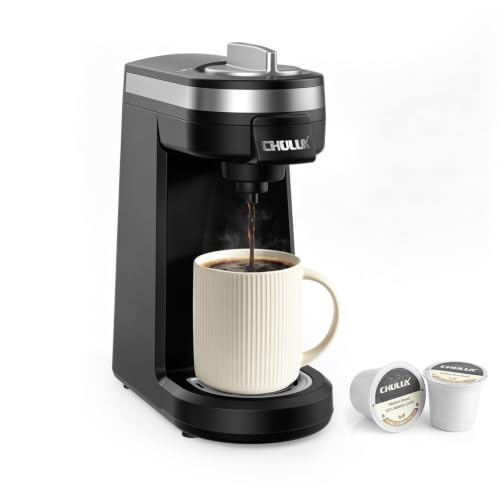


Quick Answer: The Main Types in 30 Seconds
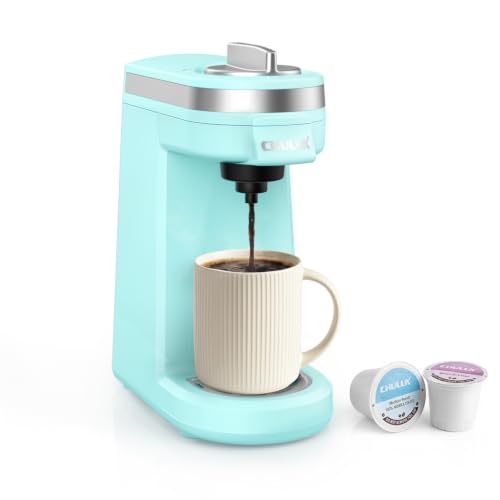
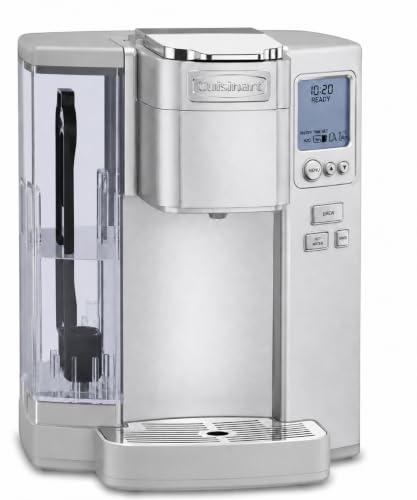
Three types cover most solo homes. A compact drip maker brews one mug today and a small pot when a guest visits. A pod maker gives you a fast cup with almost no cleanup, at a higher cost for each cup. A small programmable maker with a thermal carafe suits you if you sip slowly. Pick by your morning first, then check size and upkeep below.
Before You Buy: A Quick Checklist for Choosing a Coffee Maker for One Person
A solo machine looks simple, but small details decide whether you love it daily or leave it in a cupboard. Work through the points below in order, because size and type narrow your list first.
Size: Match It to Your Space
Start with the mug you actually drink from. Many mugs hold about 10 to 14 ounces, while a labeled cup on a carafe often means only about 5 ounces. A single cup machine suits a strict one mug routine. A 4 cup or 5 cup drip maker is the sweet spot for many solo homes, since it fills a large mug and still lets you brew a second round for a guest. Sizes from 8 cup upward usually mean leftover coffee and more washing.
Which Type Fits Your Routine
Drip is the flexible default, and our guide to the best drip coffee maker styles explains the format in more depth. Pod machines trade choice for speed, since each serving is sealed and measured. Programmable models let you set a start time the night before. A thermal carafe keeps coffee hot without a warming plate, while a glass carafe costs less and shows you how much is left.
Features Worth It (and Ones to Skip)
Worth paying for are automatic shutoff, a removable reservoir, and a pause and pour feature that lets you take the first mug before brewing ends. A built in grinder is worth it only if you buy whole beans weekly, as our guide to the best coffee maker with grinder models shows, and it adds parts to clean. Skip a milk frother if you drink black coffee, and skip a hot water dispenser if your kettle does that job. A quiet brew cycle matters only in a studio.
Brew Temperature and SCA Certification
Good extraction needs water at about 195 to 205 degrees Fahrenheit. Water that is too cool gives you sour and thin coffee, while water that scalds the grounds can taste harsh. Certification from the Specialty Coffee Association means a model met set standards for temperature, brew time, and even extraction. It is a useful signal, not a promise, since your beans and grind still shape the cup more than any badge.
Water Reservoir, Filters and Descaling
A removable reservoir is easier to fill at the sink and to wash, which matters in a small kitchen. Paper filters give you a clean cup and simple cleanup, while a reusable filter saves repeat cost and adds a rinse to your routine. Mineral scale builds up inside any machine, faster with hard water, so look for a descaling alert or a clear cleaning cycle in the manual before you buy.
Counter Footprint
Measure width, depth, and height with the lid fully open, not just the closed size. Many compact models sit about 8 to 12 inches wide, but a tall lid can still hit the underside of wall cabinets. Check cord length too, since a short cord can force the machine to one crowded corner. In a dorm room, the footprint often matters more than one extra feature.
Realistic Budget Ranges
Under $30, expect a basic single cup or small drip machine with few settings and a glass carafe. At about $30 to $60, you gain better temperature control and sturdier parts. At about $60 to $120, programmable starts and thermal carafes become common. At about $120 to $200, you pay for certified brewing and stronger build. The middle ranges usually give you the best value per cup.
Types Compared: Three Styles Worth Your Money
Instead of naming specific products, compare the three styles below against your routine. Each style can be a good coffee maker for one person, but each one fails a different kind of morning.
Compact Drip Makers for a Mug and a Guest
This style brews a small pot, usually enough for one large mug plus a refill, or two modest cups when someone visits. You control the beans, the grind, and the strength, and the cost for each cup stays low. Cleanup takes a minute or two. Choose this style if you drink coffee at home most days and want the option of a second cup.
Pod Makers for the Fastest Solo Morning
Pod machines brew one sealed serving at a time, with no measuring and no loose grounds. That speed suits early shifts and dorm rooms. The trade off is ongoing cost, since pods cost more for each cup than ground coffee, and they add packaging waste. If you are weighing this format against a small espresso setup, our comparison of coffee maker vs keurig lays out the cost and taste differences. Choose pods for speed, not for value.
Small Programmable Makers With a Thermal Carafe
This style lets you load water and grounds at night and wake to a brewed pot, while the insulated carafe holds heat without a warming plate cooking the coffee. It suits slow mornings where you pour a first mug, then return for a second an hour later. You pay more upfront, and the carafe needs a careful wash because you cannot see residue inside. Choose it if timing and steady heat matter more than the lowest price.
Our Selection Process for Solo Coffee Makers
When we judge the best coffee maker for one person, we weigh five things. Brew quality and temperature stability come first, then ease of use, cleaning and descaling, build quality, and total cost over time. Our notes draw on manufacturer specifications and patterns in verified buyer reviews, such as repeated praise for a clear control layout or repeated complaints about a fragile lid. Model names are left to the product table.
Living With It: What Really Matters Day to Day
Living alone changes what good means. A large machine that delights a family can annoy you with leftover coffee and extra washing. A solo sized brewer, closer to a personal coffee brewer for one person than a family appliance, gives you a fresh mug on demand and leaves your sink and counter clear. You also buy beans in smaller amounts, so they stay fresh.
Think about edge cases too. A partner who stays over or a friend who visits on weekends argues for the 4 cup or 5 cup size rather than a strict single cup unit. A kettle and a manual brewer cost less but demand your attention for every cup, and a daily cafe habit costs far more over a year. The machine earns its space when it removes friction from a daily routine.
Common Buying Mistakes to Avoid
- Buying a 12 cup machine for one mug, which leaves stale coffee and takes counter space you do not have.
- Reading cup labels at face value, since one labeled cup is often about 5 ounces and your mug may hold three of them.
- Paying for a frother, a grinder, and extra settings you will rarely use, which adds cost and cleaning for no daily gain.
- Ignoring the cost of pods, filters, and descaler, which can outweigh a low purchase price within the first year.
- Placing the machine under a cabinet without checking the open lid height, which makes filling the reservoir awkward daily.
Cost of Ownership and Care
Running costs stay modest for drip styles. Your main repeat buys are beans, paper filters if you use them, and descaler a few times a year. Pod styles shift the cost into each serving, so add that up monthly before you commit. Electricity use is small for a short brew cycle. For step by step upkeep, see our guide on how to clean a coffee maker.
Care is mostly habit. Rinse the carafe and filter basket after each use, wipe the warming plate once it cools, and leave the lid open so the reservoir can dry. Store beans in a sealed container away from heat and light. A machine that dries out between uses will brew clean tasting coffee far longer than one left wet and closed.
Your Questions, Answered
What is the most reliable coffee maker brand?
No single brand wins for every solo buyer, so judge reliability by signals you can check before you buy. Look for a warranty of at least a year, spare carafes that are easy to order, and a support line that answers in your country. Simple drip designs with few moving parts also tend to outlast feature heavy models, since each added pump or grinder is one more part that can fail.
How do you clean a coffee maker?
Wash the carafe, lid, and filter basket in warm soapy water after use, and wipe the spray head above the basket, a spot many owners never check. That area collects old coffee oils that can turn the next brew bitter. Use a soft brush rather than a scouring pad on the carafe, since fine scratches hold stains and odors. Let every part dry fully before you close the machine.
Is a coffee maker worth it for one person?
Yes, if you drink coffee at home on most days. A basic solo machine and ground coffee can cost less for each cup than a cafe drink, and you control the strength and the timing. If you drink coffee only once or twice a week, a kettle and a simple manual brewer may serve you better and take less counter space.
How long does a coffee maker for one person last?
Most electric drip and pod machines serve one person for about 3 to 7 years, depending on water hardness and care. Watch for signs that the end is near. Brewing slows down, the coffee tastes weaker at the same setting, or water leaks under the base. Two or three of these signs together usually mean repair would cost more than a modest new machine.
What should I look for in a coffee maker for one person?
Start with a check most buyers skip. Fill your favorite mug with water, pour it into a measuring jug, and note the ounces. Then match the machine brew sizes to that number, not to the cup count on the box. A maker whose smallest full brew matches your mug gives you fresh coffee with no leftover half pot. Confirm the open lid height fits under your cabinets before you order.
What is the best coffee maker for one person?
The best answer depends on your clock. If you leave home within minutes of waking, a pod machine or a programmable drip model removes the most friction. If you linger, a compact drip maker with a thermal carafe keeps a second mug hot. Match the style to the morning you actually live, then use the size and budget checks above to pick the exact model.
Final Thoughts
The product table above pulls the main types together, so you can compare size, style, and upkeep at a glance. For most solo homes, a compact drip maker in the middle budget range is the best coffee maker for one person, since it balances taste, cost, and room for a guest cup. If your family grows, our guide to the best coffee maker for home use covers the next size up. Measure your mug and counter, and choose once.
