Best Coffee Grinder Drip Coffee Makers of 2026: Complete Buying Guide
Disclosure: We may earn a commission when you buy through links on this page, at no extra cost to you. As an Amazon Associate I earn from qualifying purchases. Learn more

Use this buying guide to compare the best coffee grinder drip coffee makers by grinder type, capacity, controls, and cleaning before you choose one.
Freshly ground beans and a simple morning routine rarely come in the same box, which is why combined machines appeal to so many households. This guide walks through the best coffee grinder drip coffee makers by grinder type, capacity, and controls so you can match a machine to your kitchen. You will also see how these brewers compare with other ways of making coffee at home.
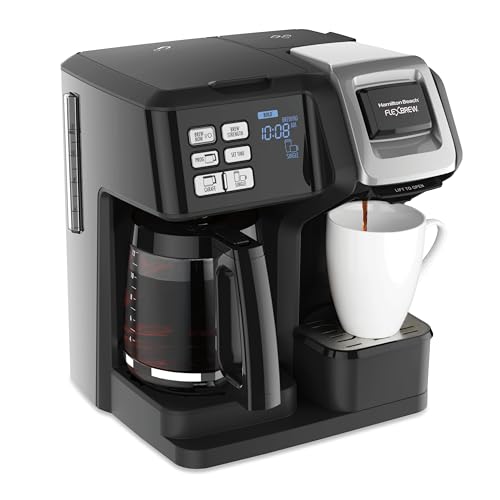
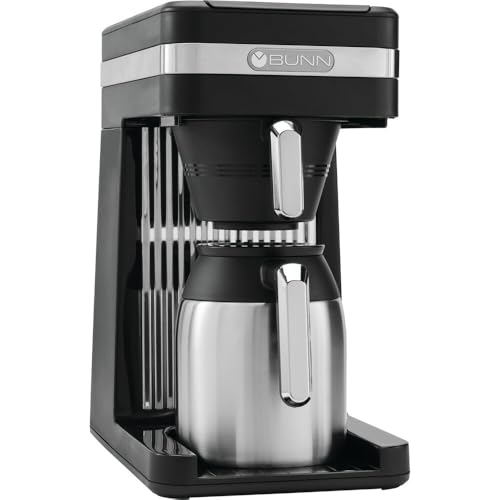
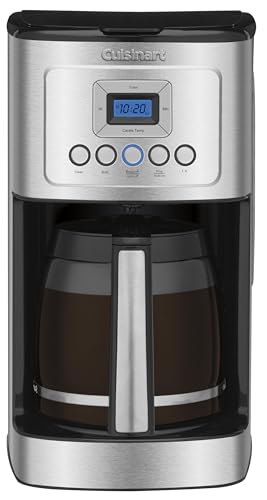
Use the product table to shortlist models by size and carafe type, then read the sections that follow for the details that photos cannot show.


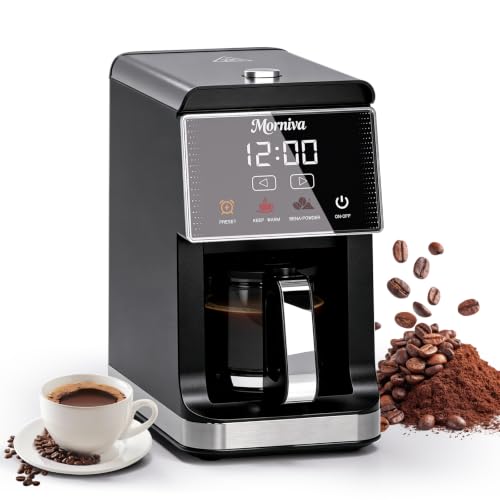


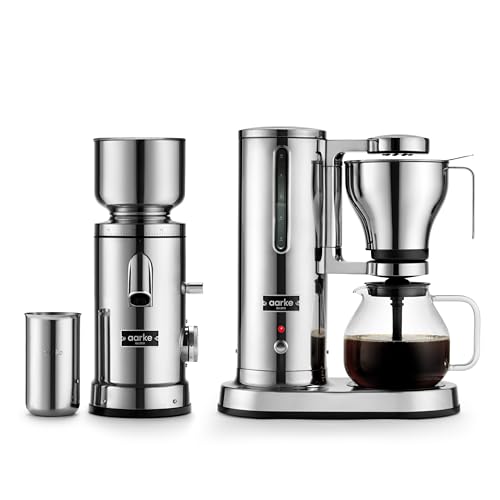
Three Ways to Shop: Balanced, Value, and Upgrade Priorities
Balanced Priorities
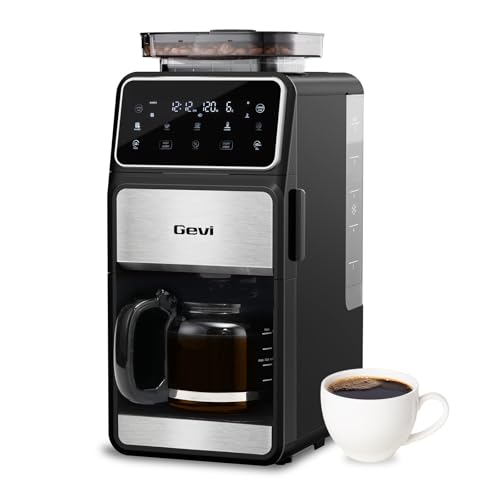
For most households, the overall sweet spot is a burr grinder paired with a 10 to 12 cup brewer and a simple strength control. Burrs grind evenly enough for drip brewing, and the brew basket should swing out or lift free for easy filling. Look for a clear water window and a carafe that pours without dripping down the side. This combination covers weekday pots and weekend guests without extra steps.
Value Priorities
Value buyers should protect grind quality first and skip extras like phone apps and touch screens. A basic burr or even a well shaped blade grinder chamber, a programmable timer, and auto shut off deliver most of the daily benefit. If counter space is tight, our guide to the best small drip coffee makers shows how compact footprints trade against carafe size. Spending less on the housing and more on the grinder usually tastes better in the cup.
Upgrade Priorities
An upgrade budget should buy a thermal carafe, a better burr set, and quieter grinding. Thermal carafes keep coffee hot without a warming plate, which can turn brewed coffee bitter after an hour. Finer grind settings also let you adjust for light or dark roasts instead of accepting one fixed grind. If you brew for a crowd, compare capacities against the best coffee pot makers before you pay for features you may not need.
How to Choose the Best Coffee Grinder Drip Coffee Makers: Buying Guide
Brewing Method and Coffee Style
Drip brewing pours hot water over ground coffee in a basket, giving a clean, balanced cup that suits most beans. A combined machine is built for that one job, so it will not make true espresso or pressure brewed drinks. That focus is a strength if your household drinks mugs of filter coffee every morning. Choose this style when you want volume and consistency more than variety.
Capacity and Serving Size
Capacity is listed in cups, but a coffee cup on packaging usually means about 5 to 6 ounces, not a full mug. A 12 cup carafe serves roughly four to six mug drinkers, while a 4 cup model suits one or two people. Brewing a tiny amount in a huge basket can taste thin, because water spreads too shallowly over the grounds. Match the carafe to your normal batch, not your biggest holiday brunch.
Footprint and Countertop Fit
Combined machines stand tall because the grinder sits above the brew basket, so measure the space under your cabinets with the lid open. You need clearance to pour beans in and lift the basket out, not just to slide the body in. A removable water tank makes filling easier when the machine lives under a cabinet. Leave a few inches behind the unit for steam to escape during brewing.
Programmable Features and Controls
A wake up timer is the feature most owners use daily, since you load beans and water the night before. Brew strength control changes water contact time or flow, giving a bolder cup from the same beans. Auto shut off adds safety and saves power, especially with glass carafes on warming plates. Skip complex menus if several people use the machine, because simple buttons get used correctly at 6 in the morning.
Milk Frothing Options
Most drip machines with grinders do not froth milk, and that is fine for drinkers who take coffee black or with a splash of milk. If you want lattes at home, you will need a separate frother or a different machine style entirely. A small countertop frother costs less than moving to an espresso setup and keeps the drip routine simple. Be honest about how often you would actually froth before paying for the ability.
Cleaning, Descaling, and Maintenance
Ground coffee oils coat the grinder chamber and brew basket, so both need regular attention. Parts that lift out and rinse at the sink make weekly cleaning realistic, and a descale alert tells you when mineral buildup needs treatment. Paper filters cost little, while reusable metal filters save money but let more fine sediment into the cup. Factor filter and descaling solution costs into your yearly budget, not just the purchase price.
Built In Grinder vs Pre Ground
A built in burr grinder gives the freshest flavor and one less appliance on the counter, but it adds noise, cost, and one more part to clean. Blade grinders cost less yet grind unevenly, which can make drip coffee taste both sour and bitter in the same pot. Using pre ground coffee in a standard machine is quieter and cheaper, though flavor fades within weeks of opening a bag. Your choice of beans matters too, so see our guide to the best coffee for drip coffee makers for roast and grind pointers.
Coffee Grinder Drip Coffee Makers vs Other Options
Pour Over Brewers
Pour over brewers give you full control of water flow and temperature, and many drinkers love the ritual. The cost is time and attention, since you stand and pour for several minutes per batch. A combined drip machine wins on busy mornings and large pots. Choose pour over as a weekend method rather than your only brewer if mornings are rushed.
French Presses
A French press makes a rich, full bodied cup with no paper filter and almost no counter space. It does need a separate grinder or pre ground coffee, and the glass beaker is easy to break. Sediment in the cup bothers some drinkers, and cleanup means handling wet grounds. Pick a press for small batches and travel, and a drip machine for daily family use.
Cold Brew Makers
Cold brew makers steep grounds in cool water for 12 to 24 hours, producing a smooth, low acid concentrate. They cannot give you a hot cup on demand, and fridge space becomes part of the deal. A drip machine covers hot coffee year round, while cold brew shines in summer. Many households own both rather than forcing one method to do everything.
Single Serve Pod Machines
Pod machines brew one cup fast with almost no cleanup, which suits solo drinkers with varied tastes. Pods cost far more per cup than beans, and the flavor rarely matches freshly ground coffee. A combined drip machine is cheaper to run for households brewing full pots. If your budget is the main limit, compare running costs with the best inexpensive drip coffee makers before deciding.
Separate Grinder and Drip Brewer
If you buy a grinder and a drip brewer as two separate units, you gain the freedom to upgrade each part on its own schedule. A standalone burr grinder usually offers more settings and a larger bean hopper than a built in unit. The trade off is counter space and a two step morning routine. Choose separates if you also brew pour over or French press and want one grinder to serve every method.
Care and Maintenance Tips
- Use filtered water to protect flavor and reduce scale inside the tank and lines.
- Descale every 1 to 3 months depending on water hardness, or sooner if brewing slows down.
- Wash the carafe, lid, and brew basket after each use so old oils do not turn fresh coffee stale.
- Wipe the grinder chamber weekly and brush out stale grounds that cling to the burrs.
- Store beans in an airtight container away from light, and keep only a few days of beans in the hopper.
- Run a plain water cycle after descaling until no vinegar or solution smell remains.
Frequently Asked Questions
Can I use regular coffee in a drip machine with a built in grinder?
Yes, you can use pre ground coffee in nearly all of these machines by turning the grinder off or using the pre ground setting. That option helps when you have decaf beans you do not want in the hopper or guests bring their own coffee. Just measure the grounds into the basket as you would with any drip brewer. The coffee will taste freshest within a few weeks of the bag being opened.
How long does a drip coffee maker with a grinder usually last?
Most last about 5 to 7 years with regular descaling and cleaning. The grinder motor and burrs often wear first, especially with oily dark roast beans ground daily. Keeping the hopper only partly full and brushing the chamber monthly reduces strain. When grind quality falls or brewing slows despite descaling, replacement usually makes more sense than repair.
Is a built in grinder on a drip coffee maker worth it?
It is worth it if you drink drip coffee daily and value a simple, one appliance routine. Fresh grinding right before brewing gives a clear flavor gain over pre ground coffee. It is less worth it if you are sensitive to morning noise or already own a good standalone grinder. In that case a plain drip brewer plus your current grinder gives more flexibility.
Is a more expensive drip coffee maker with a grinder really worth it?
Extra money is worth it when it buys a true burr grinder, a thermal carafe, and better temperature control. Those three upgrades change what you taste and how long coffee stays pleasant in the carafe. It is not worth paying more mainly for touch screens, apps, or decorative finishes. Compare core brewing parts first, then decide if the extras fit your routine.
What grind size works best with a drip coffee maker with a grinder?
A medium grind, about the texture of coarse sand, works best for most drip baskets. Too fine a grind slows water flow and can overflow the basket or taste bitter, while too coarse a grind tastes weak and sour. Adjust one step at a time and brew a full pot before judging. Flat bottom baskets prefer a touch coarser than cone baskets.
How often should I descale my drip coffee maker with a grinder?
Descale every 1 to 3 months, guided by your water hardness and how often you brew. Hard water areas and daily brewing push you toward monthly treatment, while soft water allows longer gaps. Signs you waited too long include slower brewing, louder gurgling, and coffee that tastes flat. The grinder itself does not need descaling, but keep it dry and brush it out on the same schedule.
Wrapping Up
Put grind quality, carafe size, and counter fit at the top of your list, and let extras compete for whatever budget remains. Burr grinders and thermal carafes are the upgrades most owners still appreciate years later. Look back at the product table, shortlist two or three machines that fit your cabinets, and choose the best coffee grinder drip coffee makers option that matches how your household actually drinks coffee each morning.