Best Coffee Book Tables at Every Price: What You Get for 2026
Disclosure: We may earn a commission when you buy through links on this page, at no extra cost to you. As an Amazon Associate I earn from qualifying purchases. Learn more
Compare the best coffee book tables by price, size, material, and storage with this buying guide and checklist for display and daily reading at home.
A table made to hold and show large art books, photo books, and cookbooks can cost under $100 or well over $1,000, and the photos online rarely explain the gap. This guide sorts the best coffee book tables by price tier so you can see what extra money actually buys. You will learn which materials, sizes, and storage features matter, and which upgrades you can safely skip.
Start by measuring your seating area and your largest book, then use the product table to narrow the field. A table that suits your room and your books will feel right long after a trendy finish stops catching your eye.





Choosing by Budget: Three Tiers to Compare
Budget Tier: Simple Display for Light Use
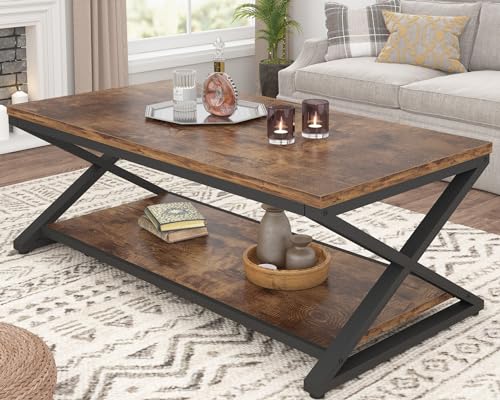
A budget table, usually around $60 to $150, suits a small living room, a rental, or a first apartment where books rotate often. Expect a simple frame, a flat top, and little or no enclosed storage. The strength here is flexibility, since a light table moves easily when you rearrange seating. The limit is stability, so check weight capacity before stacking tall piles of heavy photo books.
Midrange Tier: The Sweet Spot for Most Homes
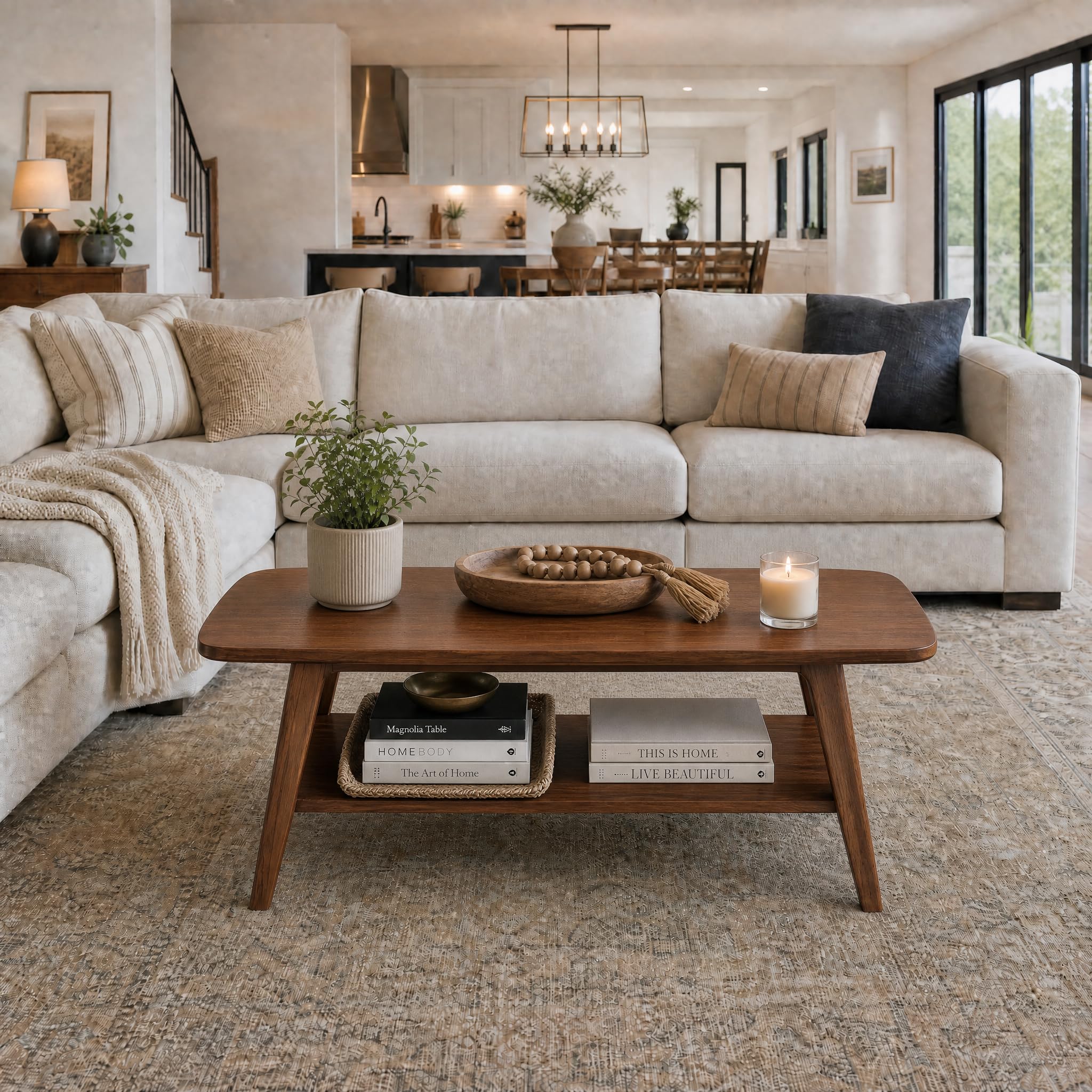
Midrange tables, around $150 to $400, add thicker tops, stronger joinery, and often a lower shelf or a drawer. This tier fits most buyers because the table feels solid under a full stack yet stays easy to move for cleaning. Finishes also improve, with wood veneer and powder coated metal that resist ring marks better. If you read at the table daily, this is usually where your money works hardest.
Premium Tier: Furniture Grade Build and Finish
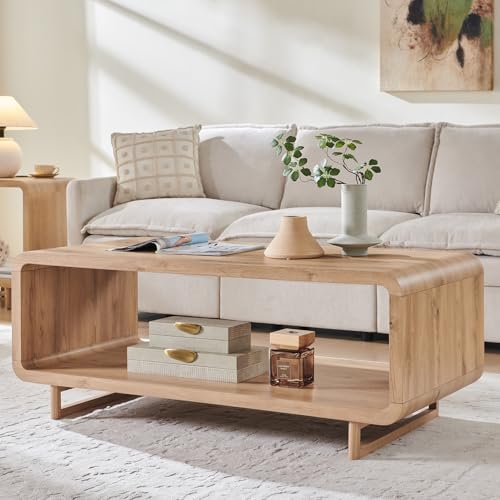
Premium tables, around $400 to $1,200 and up, use solid wood, stone, or thick glass with careful finishing on every edge. They suit open plan rooms where the table is a focal point and large books stay on display for months. You also get better hardware, softer closing drawers, and finishes that can often be repaired rather than replaced. The trade off is weight and price, so buy this tier for a room you plan to keep for years.
Build Quality at Each Price Tier
Budget Build Quality
At the budget level you are paying for shape and surface, not for heirloom construction. Tops are often manufactured wood with a printed or thin veneer finish, and legs may be slim metal or simple turned wood. That is fine for displaying two or three books and holding a mug, as long as you use coasters. Inspect product photos for edge banding and leg braces, because those details decide whether the table wobbles.
Midrange Build Quality
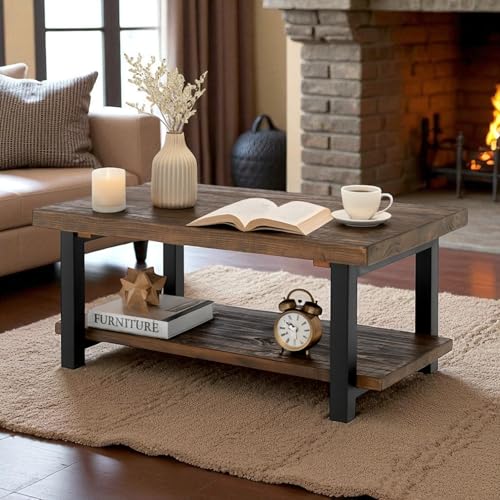
Midrange money buys thicker materials, better leg attachment, and storage that budget models skip. A lower shelf doubles your display space and keeps reserve books close without crowding the top. Many designs in this range borrow proportions from the best contemporary coffee tables, with clean lines that suit most sofas. For most households, the jump from budget to midrange is the most noticeable upgrade in daily use.
Premium Build Quality
Premium pricing pays for material honesty and finish work you can feel with your fingertips. Solid tops are sanded smooth on the underside, stone is sealed, and metal frames are welded rather than bolted where it counts. If material choice is your main question, our guide to the best woods for coffee tables explains grain, hardness, and care by species. Spend up here when the table anchors the room and your book collection is a permanent display.
Features Worth Paying For and Ones to Skip
Materials and Surface Finish
Material decides how the table ages under heavy books, sunlight, and drink rings. Solid wood can be sanded and refinished, while veneer over a stable core resists warping and costs less. Glass shows every fingerprint but makes a small room feel open, and stone adds weight that keeps tall stacks steady. If you love a natural look, compare shapes in our roundup of the best wooden coffee tables before you settle on a finish.
Warranty and Return Policy
A longer warranty on the frame and finish signals that the maker expects the table to survive daily use. Read what the warranty covers, since many policies protect joinery but exclude surface scratches and water damage. Return terms matter just as much, because a table can look right online and wrong beside your sofa. Keep the packaging until you have lived with the table for a week and tried it with your largest books.
Assembly and Delivery
Most budget and midrange tables arrive flat and need 20 to 45 minutes of assembly with basic tools. Premium pieces may arrive fully built, which saves time but raises delivery cost and makes narrow doorways a real concern. Measure your hallway, stair turns, and elevator before ordering a large one piece top. During assembly, tighten leg bolts in stages and recheck them after a month, since new joints settle under load.
Comfort and Everyday Use
Comfort at a book table is about height, reach, and edges rather than cushions. A top around 14 to 18 inches high lets you open a large book flat while seated on a standard sofa. Rounded or eased edges protect book covers and your shins when you walk past in low light. Leave about 15 to 18 inches between table and sofa so legs fit and pages turn without bumping knees.
Sizing and Layout Checks Before You Order
Shape changes how a book table works in the room. A rectangle suits most sofas and gives the longest straight edge for open books, while a square fits a sectional corner and a round top eases traffic in tight spaces. If looks lead your search, browse the best looking coffee tables for proportion ideas, then confirm the dimensions against your own seating. A beautiful table that crowds the walkway will annoy you every single day.
Think about how you actually use the surface across a normal week. You may need room for an open book, a closed stack, a remote, and a drink at the same time, which adds up faster than most people expect. Check your current table by laying out those items and measuring the area they cover. If the layout feels tight now, size up or choose a design with a shelf so the top stays clear for reading.
Long Term Costs to Factor In
The purchase price is only part of ownership. Budget finishes may need replacing sooner, while solid wood asks for oil or wax once or twice a year at small cost. Add coasters, felt pads, and a book stand or two to your budget, since they protect both table and books. Large premium tables can also cost more to move, so factor delivery and future moving fees into a tier decision. A midrange table that lasts a decade often costs less per year than a budget table replaced twice.
Frequently Asked Questions
What features matter most in a coffee book table for daily reading?
For the best coffee book tables, stability, top height, and surface size matter most for daily reading. The top should hold your largest book fully open without overhang, and the frame should not rock when you lean on an edge. A lower shelf helps because it keeps the next book within reach. Smooth edges and a finish that wipes clean round out the short list.
How long should a good coffee book table last?
A well built midrange or premium table should last 10 years or more with basic care. Solid wood and stone models can serve for decades because surfaces can be refinished or resealed. Budget manufactured wood tables often last 3 to 6 years before edges chip or joints loosen. Tightening hardware yearly and keeping the table out of harsh direct sun extends any tier.
Is an expensive coffee book table worth it?
It is worth it when the table is a permanent focal point and your books stay displayed year round. Premium materials age gracefully, feel steadier under heavy stacks, and can often be repaired. It is not worth it for a short term rental or a room you redecorate often. In those cases a solid midrange table gives you most of the daily benefit for far less money.
How do I choose the right size coffee book table?
Choose a length about two thirds of your sofa length and a width that holds your largest book open with room for a mug. Measure the book fully open, then add at least 4 inches on each side. Leave clear walking space of about 24 to 30 inches on the outer sides. When in doubt, tape the footprint on the floor and live with the taped shape for a day.
The Bottom Line
Match the tier to how long you will keep the room, then check size, stability, and material in that order. Most readers land happily in the midrange, where build quality and storage improve the most per dollar. Compare your finalists in the product table, and choose the best coffee book tables option that fits your largest book, your sofa height, and your budget without forcing the room around it.