Best Code Scanner for Android: Which One Fits the Way You Use It for 2026
Disclosure: We may earn a commission when you buy through links on this page, at no extra cost to you. As an Amazon Associate I earn from qualifying purchases. Learn more

Android code scanners compared by app quality, Bluetooth pairing, code coverage and live data for your car and phone.
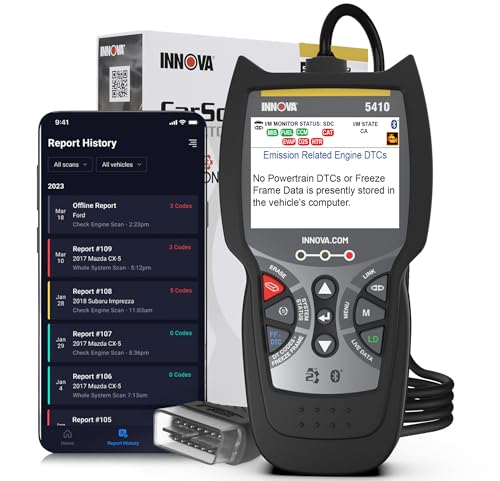
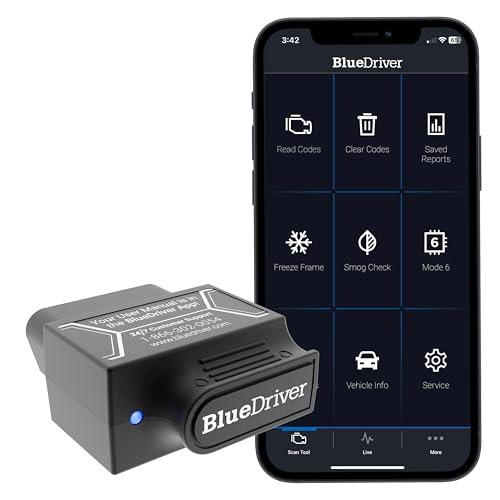
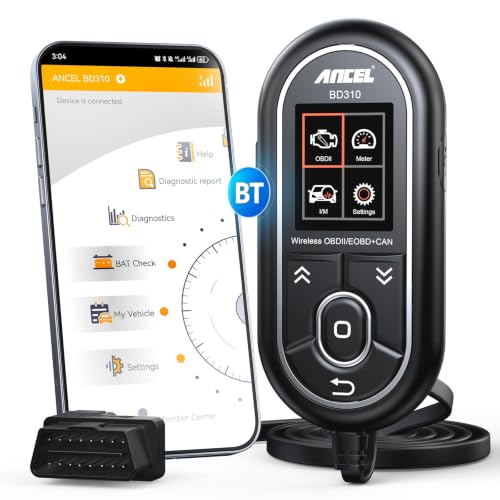
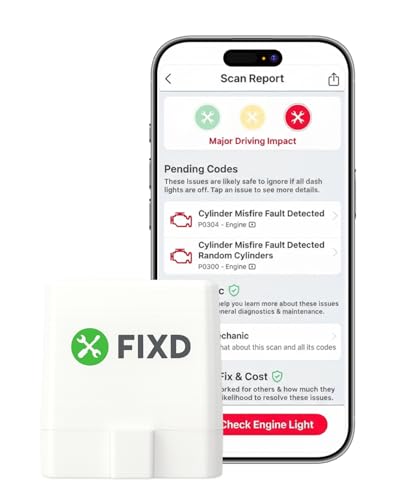
There is no single scanner that suits every driver, because Android phone based tools differ in the app they need, the systems they can read, and the data they show. Choosing a best code scanner for android starts with how you plan to use it, whether that is a quick check when a warning light appears or regular monitoring on longer drives. The product table below lets you compare adapters side by side.
This guide walks through the buyers each style suits, the features that actually change what you learn from a scan, and the setup steps that get you a clean first reading. It covers buying guidance only, so you can match the tool to your car, your phone, and your comfort level before you order.





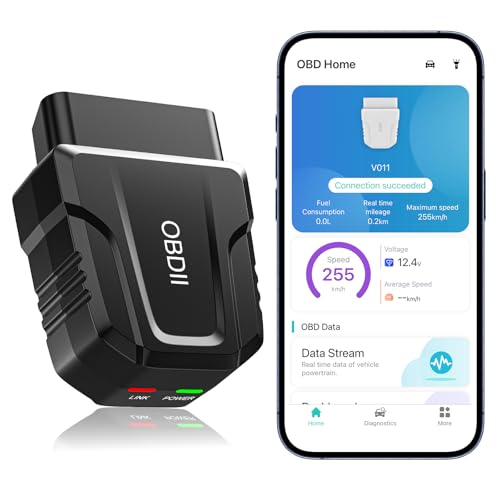
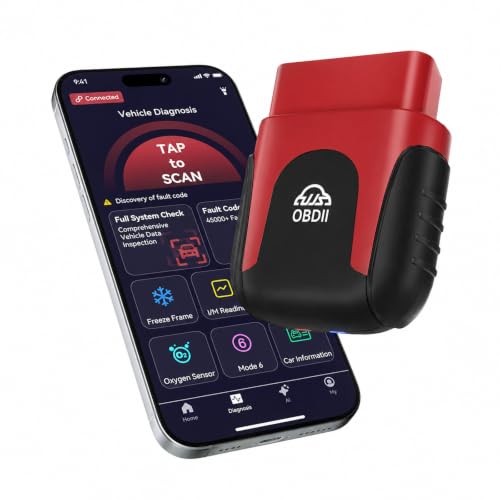
Who Should Buy Which Code Scanner for Android?
Start with your most common reason for scanning. A driver who only wants to know why a light came on needs far less than someone who tracks sensor behavior over weeks, and paying for depth you will never open wastes money and adds clutter to the app.
Everyday Drivers Who Want Quick Answers
You want to plug in, read a code on your phone, and decide whether the problem sounds urgent or can wait for a scheduled shop visit. Prioritize fast Bluetooth pairing, a clear app layout that shows the code and a plain language description on one screen, and basic readiness checks. A compact adapter you can leave in the glove box suits you best. If you would rather skip the phone entirely, see our guide to the best code scanner for standalone tools that show codes on their own screen.
Home Mechanics Who Track Live Data
You already do your own oil changes, brakes, and sensor swaps, and you want data before and after a repair. Look for live data with graphing, freeze frame capture, and the ability to save and export logs from the app. Coverage beyond basic engine codes matters more to you than to most drivers, as does a stable connection that does not drop mid drive. A slightly larger adapter with a secure fit in the port is worth it for the stronger connection and faster refresh rate.
Used Car Shoppers and Multicar Households
You scan different vehicles, sometimes in a seller lot with limited time, so portability and broad vehicle coverage come first. Choose a small adapter that pairs quickly with your phone, works across many makes, and shows readiness monitor status so you can spot a car whose codes were cleared just before your visit. Shoppers who want a tool that stays with one vehicle may also want to see our guide to the best car code scanner for options built around a single car.
Key Features to Compare
When you shop for the best code scanner for android, use the product table above for headline specs and the points below for what those specs mean once the adapter is in your car. Read them in order, because a weak link early, such as pairing, can make strong later features hard to use.
Connection Type and Pairing Stability
Most Android friendly adapters connect by Bluetooth, and many newer ones use a low energy Bluetooth version that pairs inside the app rather than in your phone settings. That detail matters, because pairing in the wrong place is the most common reason a first scan fails. WiFi adapters also exist, but they can conflict with a phone that expects internet through WiFi and may drop your data connection while you scan. For most Android users, a Bluetooth adapter with a clear pairing guide, a visible status light, and automatic reconnect when you open the app gives the smoothest daily use.
App Compatibility and Android Requirements
The adapter is only half the product, since the app reads, displays, and stores everything. Check the minimum Android version the app needs, whether your phone model is supported, and whether core code reading is free while advanced graphs or extra vehicle brands cost extra. Some adapters work with several third party apps, which gives you a backup if one app is discontinued or changes its pricing. Also check how often the app is updated, whether it works without an account, and how much phone storage its logs use if you plan to save scans over months of ownership.
Code Coverage Beyond Basic Engine Codes
Every OBD2 scanner reads generic engine and emissions codes, but systems such as antilock brakes, airbags, and the transmission often need enhanced coverage that varies by brand and model year. If you only need to understand a check engine light, basic coverage is enough and keeps the app simple. If you chase brake or airbag warnings, confirm coverage for your exact vehicle before buying, not just the brand family. Readers focused mainly on the engine itself can see our guide to the best engine code scanner for a narrower comparison.
Live Data, Graphing, and Logging
Live data shows values such as coolant temperature, oxygen sensor readings, fuel trim, and engine load while the car runs. Graphing turns those numbers into a trace you can watch for dropouts or spikes, which helps when a fault comes and goes. Logging saves a drive so you can review it later or share it with a mechanic. The key limits are refresh speed and the number of values shown at once, since tracking too many values can slow updates. Pick an app view you can read at a glance, and favor tools that let you choose a short list of values for each drive.
Vehicle Compatibility, Protocols, and Power Draw
In the United States, OBD2 is standard on gasoline cars from model year 1996 onward, but adapters still need to support the communication protocol your car uses. Check the maker list for supported protocols and any notes about hybrid or electric models, which may show fewer engine values. Size matters too, because a tall adapter can catch a knee on cars with a low port. Finally, look for a sleep mode or a low standby draw, and note whether the maker advises removing the adapter when the car will sit for many days.
How to Set Up and Run Your First Scan
Find the OBD2 port first, which on most cars sits under the dashboard on the driver side, near the steering column. With the car parked and the parking brake set, push the adapter in firmly until it seats and its light comes on. Turn the ignition to the on position, or start the engine if the app asks for live data. Drivers comparing adapter styles in more depth can see our guide to the best android obd2 scanner for pairing and port fit details.
Open the app and pair from inside it, following its prompts rather than pairing from the phone Bluetooth menu unless the instructions say to do so. Once connected, run a full code scan, save the result before clearing anything, and note the freeze frame values if a code is present. Readiness monitors may show as incomplete if the battery was recently disconnected or codes were just cleared, and that is normal until the car completes a full drive cycle of varied speeds and steady cruising.
Common Mistakes to Avoid When Buying a Code Scanner for Android
- Buying on price alone, which can leave you with an app that charges again for the basic code reading you expected to be included.
- Assuming every adapter reads brake and airbag codes, which leads to disappointment when only engine and emissions codes appear.
- Ignoring the Android version your phone runs, which can prevent the app from installing or pairing at all.
- Choosing a tall adapter for a low mounted port, which puts it in the way of your legs while you drive.
- Clearing codes before saving them, which erases freeze frame clues a mechanic could have used to find the fault faster.
- Leaving any adapter plugged in for weeks on a car that is rarely driven, which can add a small but steady drain on a weak battery.
Tips to Get the Most From Your Code Scanner
Keep the adapter contacts clean and dry, store it in its case or the glove box rather than loose among metal tools, and check for app and firmware updates before a planned scan so pairing changes do not surprise you. Remove the adapter if the car will sit unused for an extended period, and never unplug it while a scan or a firmware update is running. Wipe dust from the port area with a dry cloth only, and push the adapter straight in and pull it straight out to avoid bending the pins in the vehicle port.
Build a simple habit of saving each scan with the date, mileage, and a short note about symptoms or recent work. That record makes patterns visible, such as a code that returns only in cold weather or after fueling, and it gives a shop a clean history instead of a memory based guess. Review saved logs at home rather than while driving, so your attention stays on the road.
Frequently Asked Questions
What features matter most in a code scanner for Android phones?
Stable Bluetooth pairing, a clear and current app, and coverage for the systems you actually need matter most in a code scanner for Android phones. A useful extra many buyers miss is an export option that lets you send a saved scan as a file, which helps when you want a second opinion from a shop. Check those four points before paying for extra display modes.
Can a code scanner for Android clear a check engine light?
Yes, most code scanners for Android can clear engine codes and turn the light off after a repair is complete. Clearing a code does not fix the fault, and the light will return if the problem remains. Clearing codes also resets the readiness monitors, so a car that needs an emissions inspection should be driven through a full drive cycle and rescanned before you take it in.
Does a code scanner for Android work on hybrid and diesel cars?
A code scanner for Android works on most hybrid and diesel cars that use OBD2, reading standard engine and emissions codes. Some hybrid specific values, such as battery pack data, may not appear unless the app adds coverage for that model. Diesel owners should also check support for glow plug and exhaust related codes for their brand, since coverage for those systems varies more than coverage for gasoline engines.
Will a code scanner for Android drain the car battery if it stays plugged in?
A code scanner for Android draws a small amount of power when plugged in, and adapters with a sleep mode draw far less once the car is off. On a healthy battery and a car driven regularly, that draw is rarely an issue over a few days. If your battery is older or the car sits through winter weeks at a time, unplug the adapter as a simple precaution.
Do code scanners for Android need a paid app to work well?
No, many code scanners for Android read and clear basic engine codes with a free app tier. Paid tiers usually add live data graphing, enhanced coverage for brakes or airbags, or support for extra vehicle brands. Before you subscribe, use the free tier through several scans to confirm the pairing is stable on your phone, since a subscription cannot fix a weak connection.
Final Thoughts
The right choice depends on three things: an app that runs well on your phone, coverage that matches the warning lights you care about, and a connection you can trust drive after drive. Use the product table above to compare those points against your budget, favoring a scanner you will understand quickly when a light appears far from home. When those basics line up, a best code scanner for android becomes a calm first step that tells you what the car is reporting and what deserves a professional look next.