
Best Coastal Area Rugs for Every Need: How to Pick the Right One for 2026
Disclosure: We may earn a commission when you buy through links on this page, at no extra cost to you. As an Amazon Associate I earn from qualifying purchases. Learn more

Match the best coastal area rugs to your room and routine. Compare fibers, sizes, pile, and care by use case so you buy once and enjoy it for years.
There is no single area rug that suits every coastal home. A rug under a dining table in a busy rental lives a different life from a soft rug beside a bed or a tough runner inside a beach entry. That is why choosing the best coastal area rugs starts with your routine, not with a color you liked in a photo.
This guide sorts buyers by use case first, then compares the features that matter for each one. Scan the comparison table below for sizes and price bands, then read the sections that match your room so you spend on the traits you will feel and skip the ones you will not.
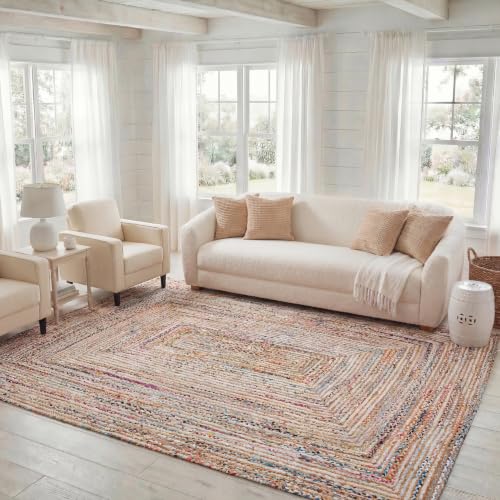
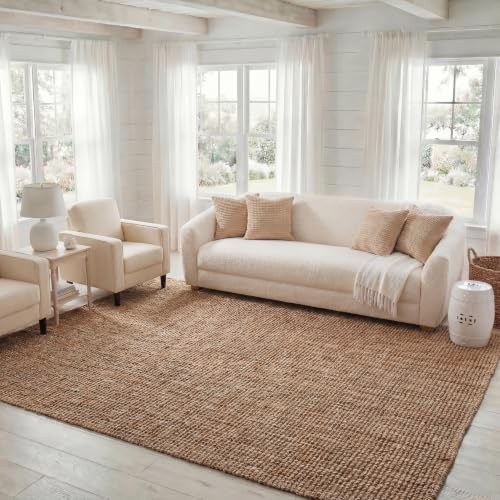
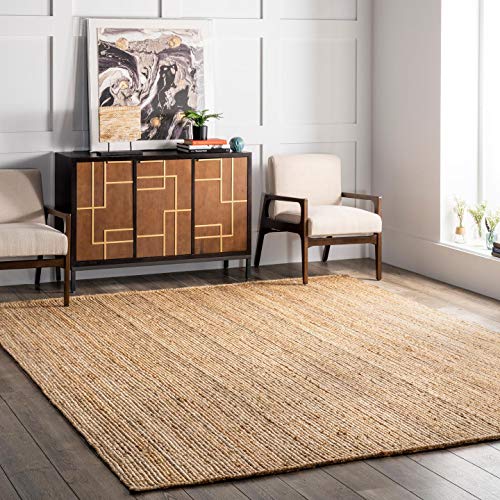
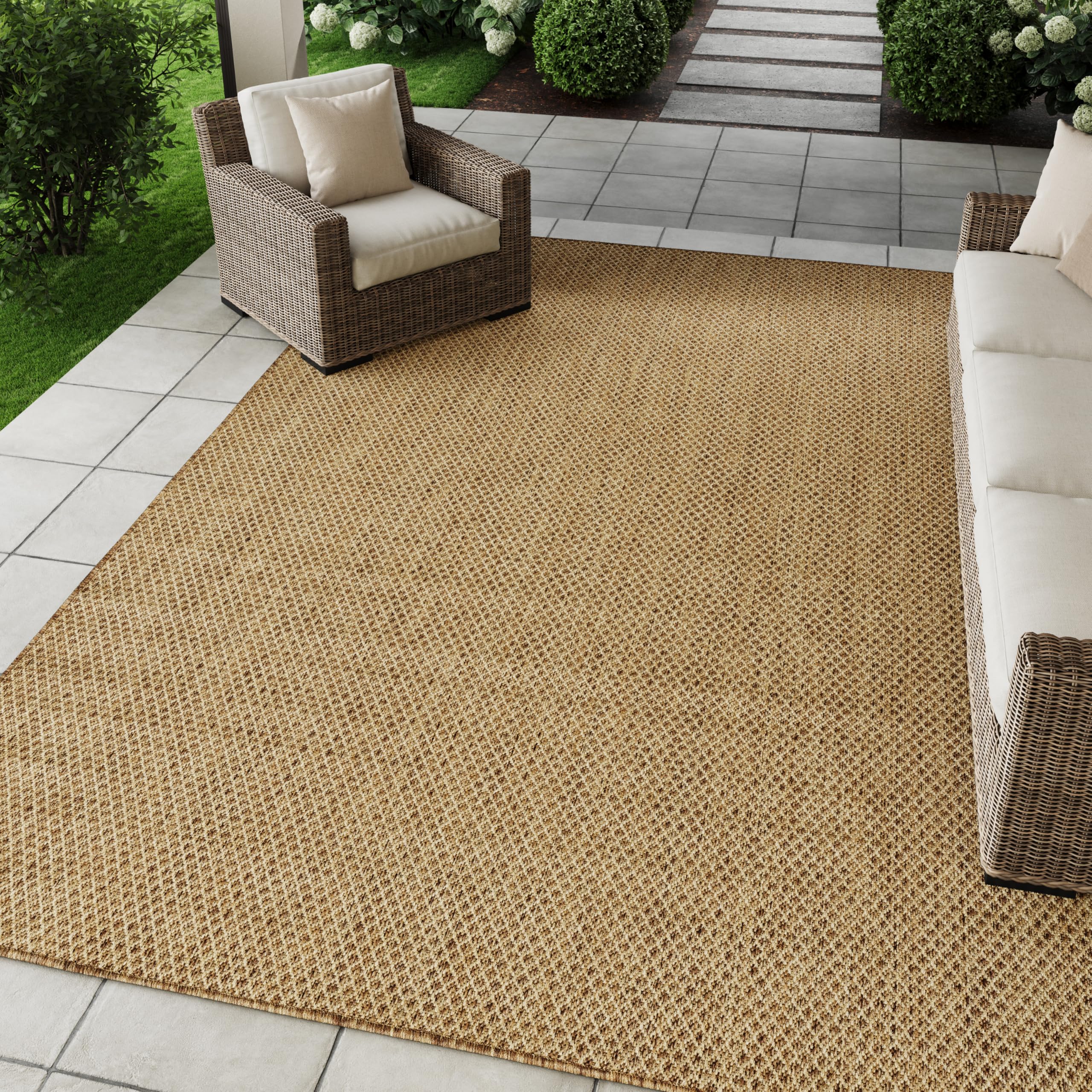



Who Should Buy Which Coastal Area Rugs?
For Gift Shoppers
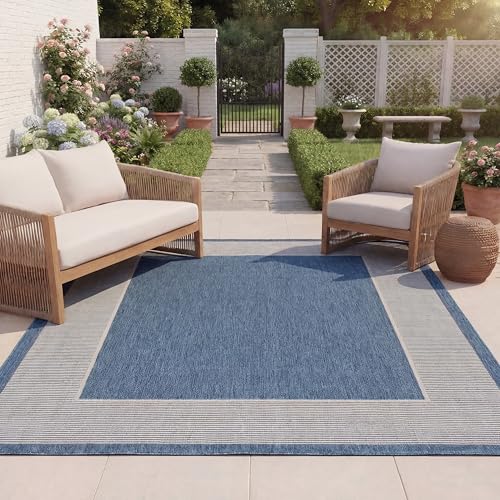
If you are buying for a housewarming or a wedding, choose versatility over bold taste. Mid tone blue, soft gray, or sand colored rugs in simple stripes suit most rooms and hide everyday soil. Moderate sizes such as about 5 by 7 feet work in entries, home offices, and small living rooms, so the gift is easy to place. Favor synthetic fibers with easy care and a clear return policy, and include a rug pad if your budget allows. A washable design is the safest gift of all, since the new owner can relax about spills from day one.
For First Time Buyers
First time buyers should keep the decision simple: a low pile synthetic rug in a size that fits the furniture rule, plus a good pad. Synthetics forgive the spills and experiments of a first home, clean with basic tools, and cost less while you learn your style. Avoid delicate natural fibers and very pale solids until you know how much sand, pet traffic, and sunlight your room really gets. Buy from a seller with easy returns, live with the rug for a week, and rotate it once to check how the color reads in both morning and evening light.
For People Who Want the Best Performance
Performance in an area rug means it still looks calm and even after years of traffic, chairs, and sun. Spend on dense weave construction, resilient fibers such as quality wool or premium solution dyed synthetics, and a pad that prevents micro movement, since constant small shifting wears the backing. In dining rooms, performance means chair legs glide without catching the pile. In sunny rooms, it means fade resistance. Our notes on dining layouts in the guide to the best rugs for dining area spaces explain clearance and pile choices for chairs that move many times a day.
For Value Seekers
Value seekers should put money into size and fiber, and save on trend driven pattern. A larger rug in a classic stripe will anchor a room for a decade, while a small rug in a fashionable print often gets replaced fast. Machine made synthetic rugs deliver the strongest durability per dollar, especially in family rooms and rentals. Watch for sales on standard sizes, which cost far less than custom cuts. Shoppers who want a quality benchmark before hunting bargains can compare weave density notes in our guide to the best quality area rugs.
Key Features to Compare
Material and Fiber by Room
Match fiber to the wettest, dirtiest job the rug will face, because the best coastal area rugs are chosen room by room. Polypropylene and other outdoor ready synthetics belong in entries, kitchens, dining rooms, and any room steps from the beach, because they resist moisture and clean easily. Wool belongs in living rooms and bedrooms where softness and resilience matter and shoes come off. Jute and sisal bring texture to dry, low traffic rooms but stain easily and dislike soaking. Cotton suits small washable rugs in baths and kitchens. When in doubt, choose the fiber that tolerates your worst week, not your best one.
Size and Fit
Size errors are the costliest rug mistakes because return shipping for a large rug is painful. Use the furniture rules: living rooms need front legs of seating on the rug, dining rooms need about 24 inches of rug beyond the table edge, and bedrooms look best when the rug extends well past the sides of the bed. Leave a border of bare floor around the rug, commonly about 8 to 18 inches in living spaces. Measure door swing and floor vents too, since a beautiful rug that blocks a door or covers a vent is a daily annoyance.
Pile Height and Daily Traffic
Pile height trades comfort against cleaning effort. Flat weave and low pile rugs vacuum fast, let chairs roll, and release sand with a good shake, which suits most coastal homes where grit is constant. Medium pile adds cushion in living rooms and play areas. High pile feels luxurious in quiet bedrooms but traps sand deep down and can hold humid air longer. If your household includes a robot vacuum, low pile with a bound or low profile edge will let it climb on and off without getting stuck.
Backing, Pads, and Floor Safety
The pad under an area rug does three jobs: it stops sliding, it adds the cushion many thin coastal weaves lack, and it protects both the rug backing and your floor. Choose felt and rubber pads for hard floors and thinner pads where door clearance is tight. Check that the pad is safe for your floor finish, since some rubber compounds can react with certain polyurethane coatings over time. On tile in damp entries, grip is a safety feature. Households that want one rug to handle spills and quick machine cleaning should also see our guide to the best washable area rugs for size limits and drying tips.
Certifications and Indoor Air
Shoppers who care about indoor air can look for OEKO TEX Standard 100 labeling on fibers or finished rugs, which signals testing for a defined list of harmful substances. Low VOC descriptions are most meaningful when a named standard or test stands behind them. New rugs of any fiber can carry a temporary packing odor, so ventilate the room and vacuum well on day one. Families with crawling babies and floor level play may value certified fibers enough to pay a little more, while well ventilated rooms with older kids can reasonably prioritize durability first.
Colorfastness and Sun Exposure
Coastal rooms tend to be bright, and ultraviolet light fades rugs unevenly where furniture shadows fall. Solution dyed synthetic fibers resist fading best because the color runs through the fiber itself. Wool holds dye well but still fades over years of strong sun. Rotate your rug every few months so wear and light even out, and use window coverings during the harshest midday hours in glass heavy rooms. Our companion guide to the best coastal rugs covers palette planning for bright rooms in more detail.
Common Mistakes to Avoid When Buying Coastal Area Rugs
- Only looking at price: a cheap rug that slides, fades, or flattens in one season costs more per year than a mid priced rug that lasts.
- Ignoring certifications and care labels: fiber content and cleaning limits decide whether a spill is a nuisance or a permanent stain.
- Buying the wrong size: too small is the classic error, so tape the outline on the floor and check furniture legs before you order.
- Skipping the pad: without grip and cushion, thin coastal weaves wrinkle, wear unevenly, and can slip underfoot.
- Not checking the warranty and returns: large rugs are costly to ship back, so confirm the window and who pays for return freight.
Tips to Get the Most From Your Coastal Area Rug
Vacuum weekly with suction matched to the pile, and take the rug outside for a thorough shake whenever sand builds up. Blot spills at once with a clean cloth, working from the edge of the stain inward, and avoid scrubbing that spreads color and roughens fibers. Rotate the rug every 3 to 6 months to balance sun and traffic. Use furniture pads under heavy legs to prevent crushed spots, and lift rather than drag furniture across the surface.
Know how for upkeep: the right vacuum settings protect both pile and backing, and our guide to the best vacuum for area rugs explains brush height and suction choices by fiber type. Once a year, or after a messy season in a rental, a professional clean resets the texture and color of wool and larger synthetic rugs far better than repeated spot work.
FAQs
Do coastal area rugs feel cool underfoot in hot climates?
In hot coastal climates, flat weave cotton and synthetic rugs feel cooler underfoot than plush wool, and they dry faster in humid air. A low pile rug over tile or wood keeps a bedroom feeling airy while still softening steps. If heat bothers you at night, choose breathable natural floor coverings and lighter colors, and skip thick pads in sleeping areas.
How often should I replace my coastal area rug?
Most busy households replace an area rug after about 5 to 10 years, depending on fiber and traffic. Signs that the time has come include backing that sheds grit, pile that will not stand back up after cleaning, and fading that rotation can no longer even out. Rental and entry rugs work harder and may need replacing sooner. A quiet bedroom rug in wool can look good well past a decade with steady care.
How do I wash coastal area rugs safely?
Follow the label for your fiber, and when in doubt use less water and milder soap. Many synthetic rugs hose down well outdoors and dry flat in shade. Truly washable rugs fit a machine only up to certain sizes, so check capacity before you buy with that plan. Natural jute should never soak; blot and dry it fast. Always dry any rug fully before putting furniture back, since trapped moisture can damage floors and invite mildew.
What pile height is best for homes with sand and pets?
Low pile, about a quarter to half an inch, is best for sand and pets. Sand sits near the surface where a vacuum or a shake can remove it, instead of sinking deep into plush fibers. Pet hair releases more easily, and accidents are simpler to blot before they soak through. Pair low pile with a washable or outdoor ready synthetic in the rooms pets use most, and save softer medium pile for pet free bedrooms.
Can I use a coastal area rug outdoors on a porch or deck?
Only use a rug outdoors if it is made for indoor outdoor use. Those rugs use moisture resistant synthetic fibers and backings that tolerate rain and dry without mildew. Indoor wool, cotton, and jute rugs will absorb water, fade fast, and break down outside. Even with an outdoor rug, lift it now and then so the deck beneath dries, and store it clean and dry during long wet seasons to extend its life.
Final Thoughts
Start with your use case, then lock size and fiber, then enjoy choosing the colors that make the room feel like the shore. The product table above gathers those choices in one place for a final check. Pick the best coastal area rugs option that fits your traffic, your light, and your cleaning style, add the right pad, and your room gains the calm coastal base that makes every other piece of furniture look better.


