
Best CO Ltd Japan Watches by Budget: A Guide for 2026
Disclosure: We may earn a commission when you buy through links on this page, at no extra cost to you. As an Amazon Associate I earn from qualifying purchases. Learn more

Learn how to choose the best co ltd japan watches by budget, with guidance on movements, materials, sizing, water resistance, and long term costs.
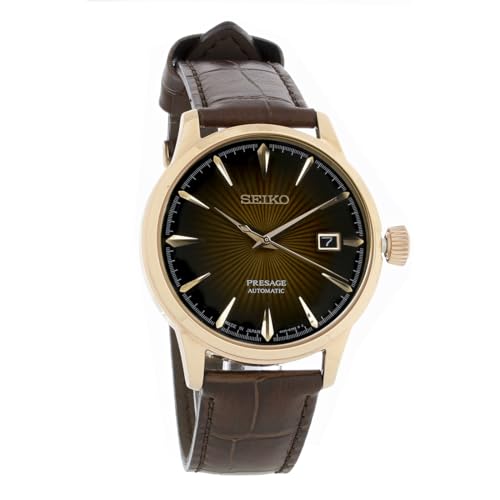
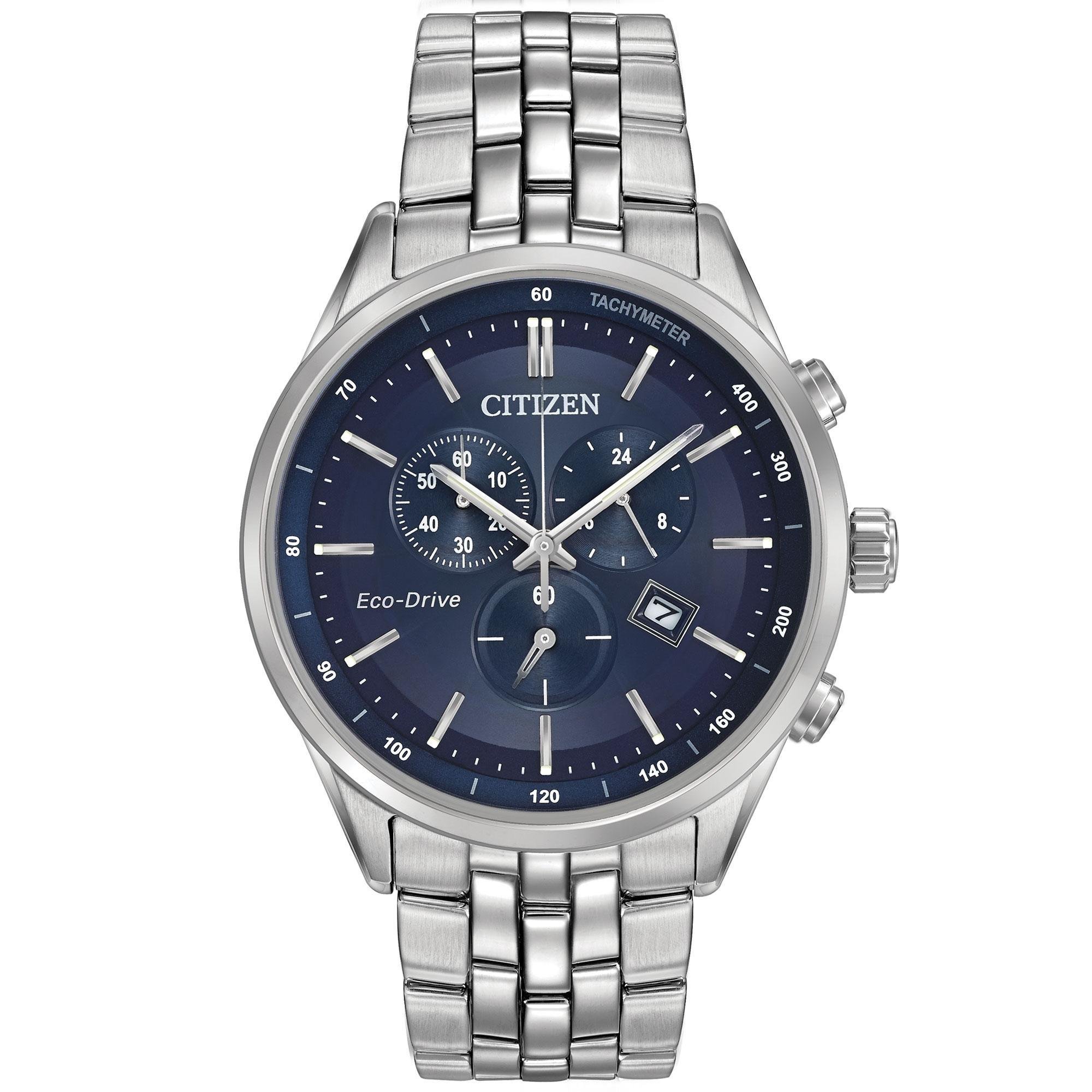
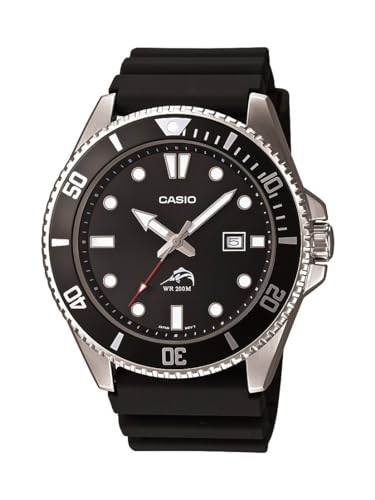
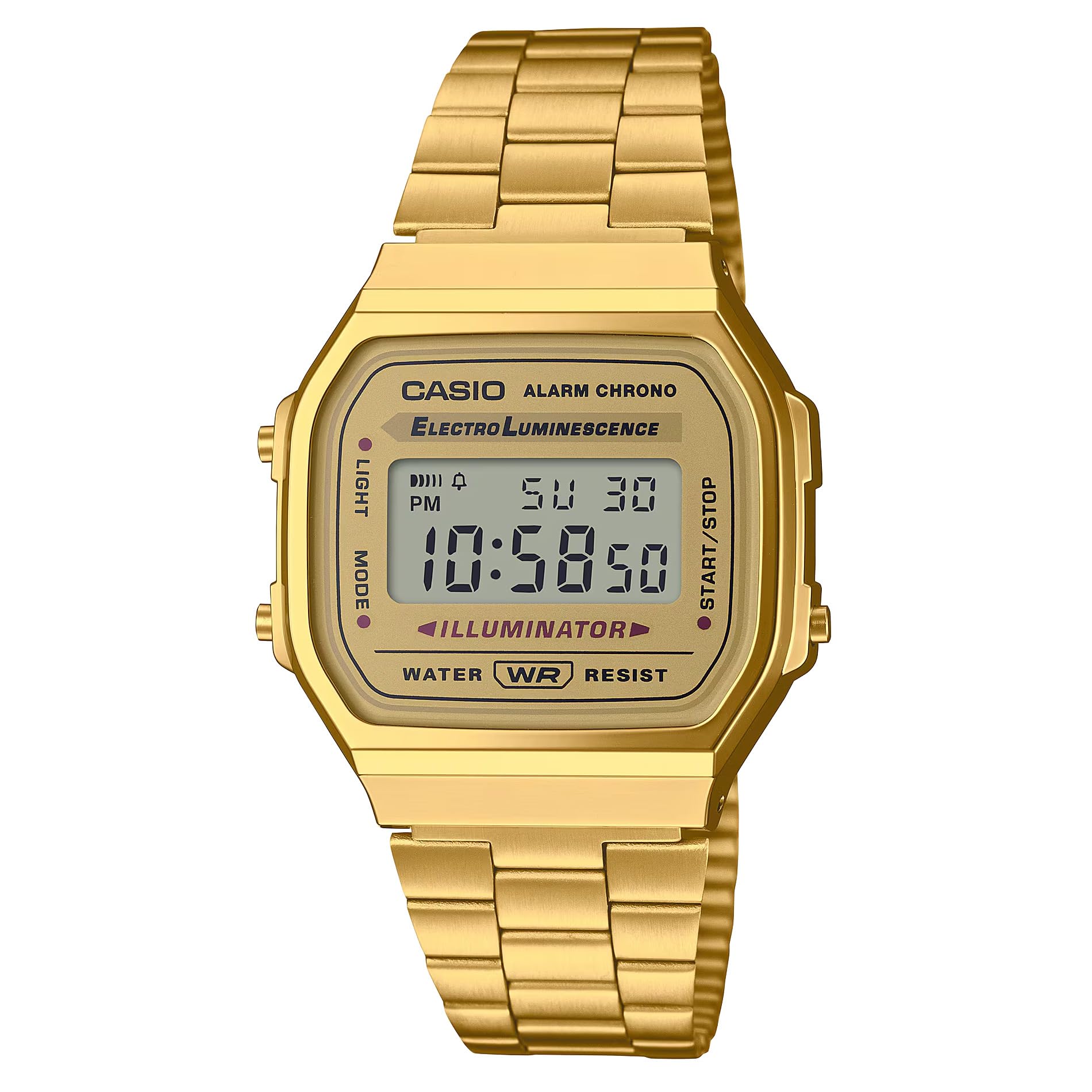
Japanese company watches span an enormous price range, from dependable everyday pieces under $100 to finely finished premium models costing several thousand dollars. That spread makes shopping confusing: the same brand family may sell a simple quartz watch and a hand assembled automatic under similar styling. This guide to the best co ltd japan watches sorts the market by budget, explains what each tier actually delivers, and shows which upgrades are worth paying for. Use the comparison table below as your shortlist, then read the tier guidance to place your money where it counts.







Choosing by Budget: Three Spending Levels
Rather than naming winners, use these three checklists to judge any of the best co ltd japan watches in the product table above against its price. A watch that satisfies its tier checklist is a good buy; one that misses two or more points is not, whatever the discount.
The Budget Level Checklist
At around $50 to $150, expect a quartz movement, a stainless steel or resin case, and a mineral crystal. The right budget piece keeps accurate time, seals well enough for rain and hand washing, and uses a strap you can replace cheaply. This level suits a first watch, a work watch you will not worry about, or a gift. The limit is finishing: dial printing and case polishing stay simple, and the bracelet, if included, often feels light. Judge budget models on accuracy, comfort, and legibility, and they rarely disappoint.
The Midrange Level Checklist
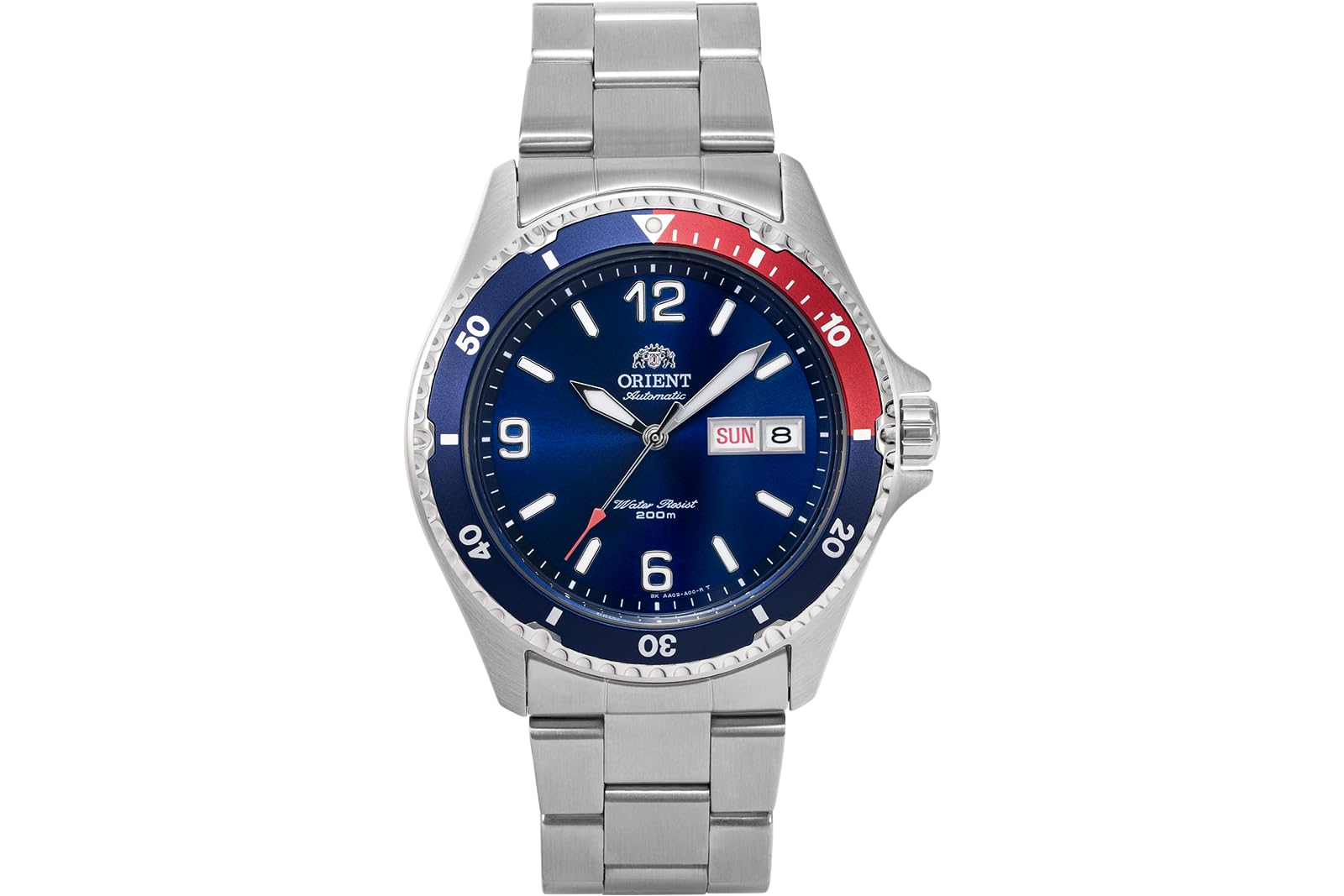
Around $200 to $600 is where Japanese watches become genuinely impressive. Expect an automatic or high accuracy quartz movement, a sapphire crystal on many models, solid link bracelets, and water resistance around 100 to 200 meters. This level suits buyers who want one watch for office, travel, and weekends. Finishing improves sharply: applied markers, better lume, and cases with brushed and polished surfaces. The limit is brand prestige and exotic materials, which live higher up. For most buyers, this tier delivers the strongest value in the entire Japanese market.
The Premium Level Checklist
Above about $800, and rising into several thousand, you pay for movement decoration, tighter accuracy standards, superior case finishing, and limited production. Premium Japanese pieces often feature hand polished cases, in house movements, and dials made with traditional craft techniques. This level suits collectors and buyers marking an occasion. The honest limit is function: a premium watch does not tell time dramatically better than a midrange one. You are buying craft, heritage, and pride of ownership, which are valid reasons as long as you choose them knowingly. Our guide to the best quality watches explains how finishing standards differ across the wider market.
Features Worth Paying For (and Ones to Skip)
Movement Type (Quartz, Automatic, Solar, Smart)
Quartz is the accuracy and value champion, typically gaining or losing only seconds per month, with a battery change every two to three years. Automatic movements trade some accuracy for mechanical charm and no batteries, but they need a service every five to seven years. Solar quartz sits between them: light powered, accurate, and nearly maintenance free for a decade. Smart features belong on a different device category altogether for most buyers. Choose the movement by your habits: set and forget points to quartz or solar, while daily ritual points to automatic.
Brand Reputation, Warranty, and Value
Established Japanese makers back their watches with warranties of about two to five years and service networks across the United States, which matters when a gasket or crown needs attention. A long production history also means spare parts stay available. When comparing value across makers, our overview of the best quality watches ltd brands offer shows how company scale affects parts and service support. Lesser known labels can offer bold styling for less, but confirm who will service the watch in five years before saving a small amount today.
Legibility and Style
A watch you cannot read at a glance fails its basic job. Look for strong contrast between hands and dial, markers that catch light, and lume on the hands and hour markers if you read time at night. Case diameter shapes style as much as size: about 36 to 40 mm reads classic, while 42 mm and up reads sporty. Dress styles favor slim cases that slide under a cuff; dive and field styles accept bulk in exchange for presence and durability. Match the style to your wardrobe honestly rather than to the photographs that caught your eye.
Strap and Bracelet Options
The strap changes both comfort and character, and Japanese watches often use standard lug widths, which opens a world of replacements. Leather suits dress wear but dislikes water. Metal bracelets balance a heavy case and last for years, though they add weight. Silicone and rubber rule for sport and summer. A quick release strap system, where spring bars swap by hand in seconds, is worth seeking if you like changing looks, because it turns one watch into three. Budget for one extra strap, around $20 to $50, in your total cost.
Smart and Fitness Features
Some Japanese lines add GPS time sync, step counting, or Bluetooth links to a phone. GPS sync is genuinely useful for travelers because the watch sets itself to local time and stays accurate to the second. Fitness sensing on a classic watch, though, duplicates what a dedicated tracker or phone already does better, and it adds battery demands. Note that watch based health readings are general information, not medical measurements; anyone managing a health condition should rely on proper medical devices and their clinician. Pay for time related technology, and skip duplicated fitness features.
Long Term Costs to Factor In
The purchase price is only the start. Quartz watches need a battery every two to three years, around $10 to $25 at a jeweler, plus pressure testing if you swim with the watch. Automatic movements need a full service every five to seven years, commonly around $150 to $400 depending on complexity. Straps wear out every one to three years of daily use. Factor in a case and a safe storage spot away from humidity. Shoppers drawn to statement pieces can compare priorities with our guide to the best jacob and co watches, but for Japanese company watches, the midrange service costs stay refreshingly predictable, which is part of their appeal.
Frequently Asked Questions
Quartz or automatic: which is better in a Japanese watch?
Neither is better for everyone. Quartz wins on accuracy, thinness, and low running costs, and it is ready the moment you pick it up after a week in a drawer. Automatic wins on craft and long term charm, and it never needs a battery, but it stops after a day or two unworn and needs periodic servicing. Choose quartz for a single everyday watch and automatic when the mechanics themselves are part of the pleasure.
Is a smartwatch worth it over a classic Japanese watch?
A smartwatch is worth it only if notifications, apps, and fitness tracking are your main reasons for wearing something. As a timepiece, a classic Japanese watch lasts far longer, needs charging rarely or never, and will not become obsolete when software support ends. Many owners end up with both, wearing the smartwatch for workouts and the classic watch everywhere else. If you must choose one and your budget is midrange, the classic watch is the longer lasting purchase.
What case size fits my wrist?
Measure your wrist circumference and match it to case diameter. Wrists under about 6.5 inches suit cases of 36 to 39 mm, average wrists suit 38 to 42 mm, and larger wrists can carry 42 to 45 mm comfortably. Lug to lug length matters as much as diameter: if the lugs hang past the edges of your wrist, the watch will look and feel oversized. When between sizes, the smaller case almost always wears better.
How water resistant should a Japanese watch be?
About 30 meters of rating covers rain and splashes, which is enough for a dress watch. Choose 100 meters if you swim with the watch, and 200 meters for a true dive watch you will take underwater regularly. Remember that ratings assume fresh gaskets and a screwed down crown where fitted, so have seals checked every couple of years. Never press buttons underwater unless the maker explicitly allows it.
How long does a watch battery last?
A standard quartz battery lasts about two to three years, while some high efficiency movements stretch to five years or more. Solar models avoid the question for roughly a decade, since their rechargeable cells age slowly when kept in regular light. A seconds hand that jumps in two second steps is the common low battery warning on Japanese quartz movements. Replace the battery promptly, because a dead cell left inside for years can leak and damage the movement.
Our Verdict
Decide your tier first, then judge movement, crystal, and water resistance inside that budget, and the right watch becomes obvious. Most buyers should land in the midrange, where Japanese makers deliver sapphire, automatics, and real water resistance for fair money. Compare your finalizts in the product table above, and you will find the best co ltd japan watches for your wrist and your wallet.


