
Best Cloud Shoes For Nurses 2026: A Practical Buying Guide
Disclosure: We may earn a commission when you buy through links on this page, at no extra cost to you. As an Amazon Associate I earn from qualifying purchases. Learn more

Find cloud shoes for nurses with soft cushioning, slip resistance, and all shift comfort for hospital floors, long standing, and busy wards.
Choosing the best cloud shoes for nurses is about soft cushioning that still supports long shifts on hard hospital floors. A good pair should feel light and pillowy at first, yet keep your feet stable through walking, standing, and quick turns. It should also offer slip resistance, easy cleaning, and a fit that stays comfortable from the start of a shift to the end.
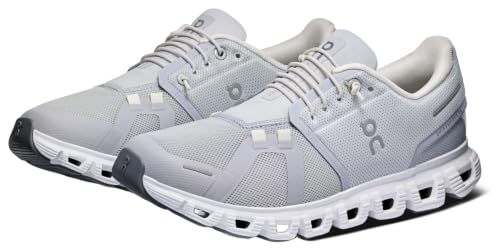
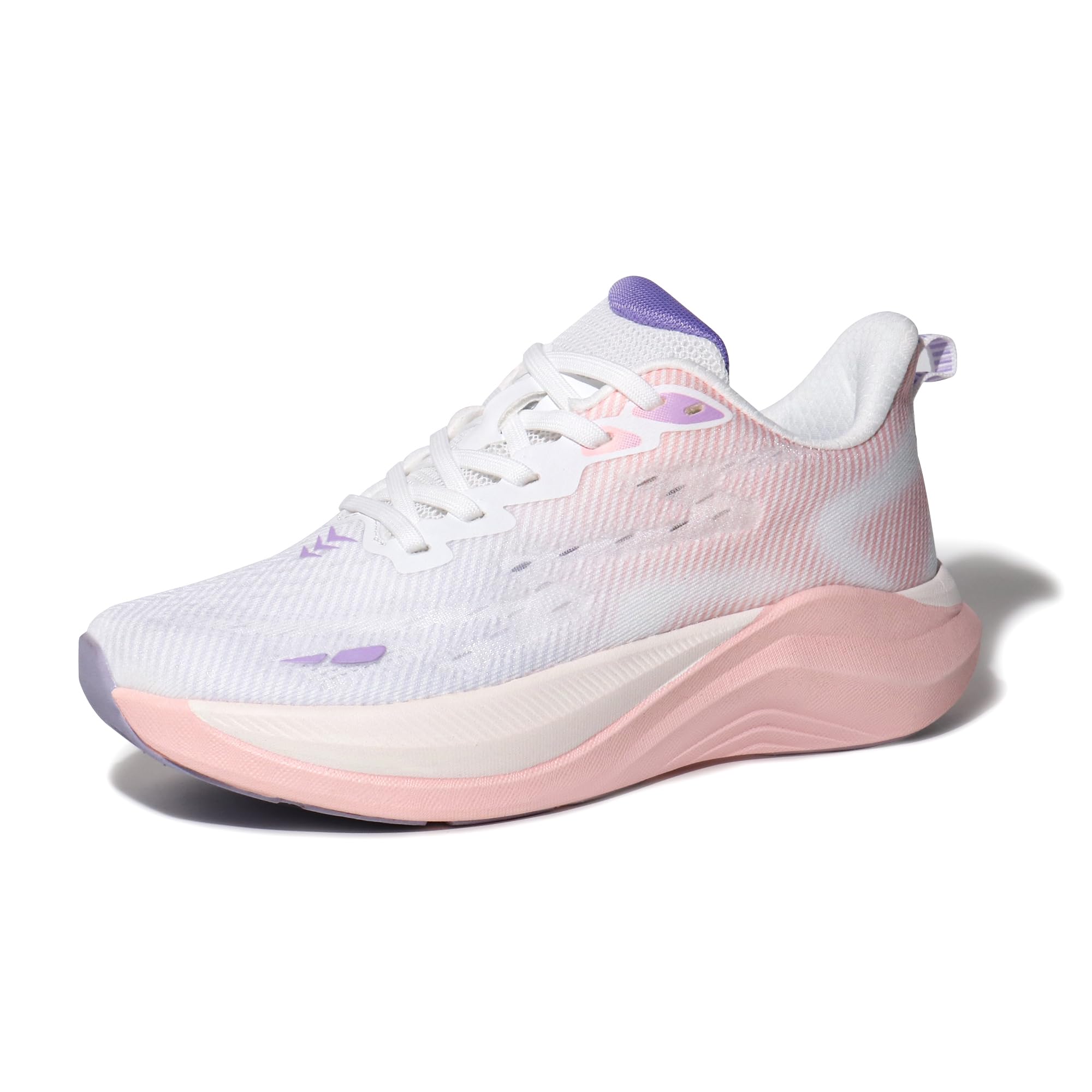
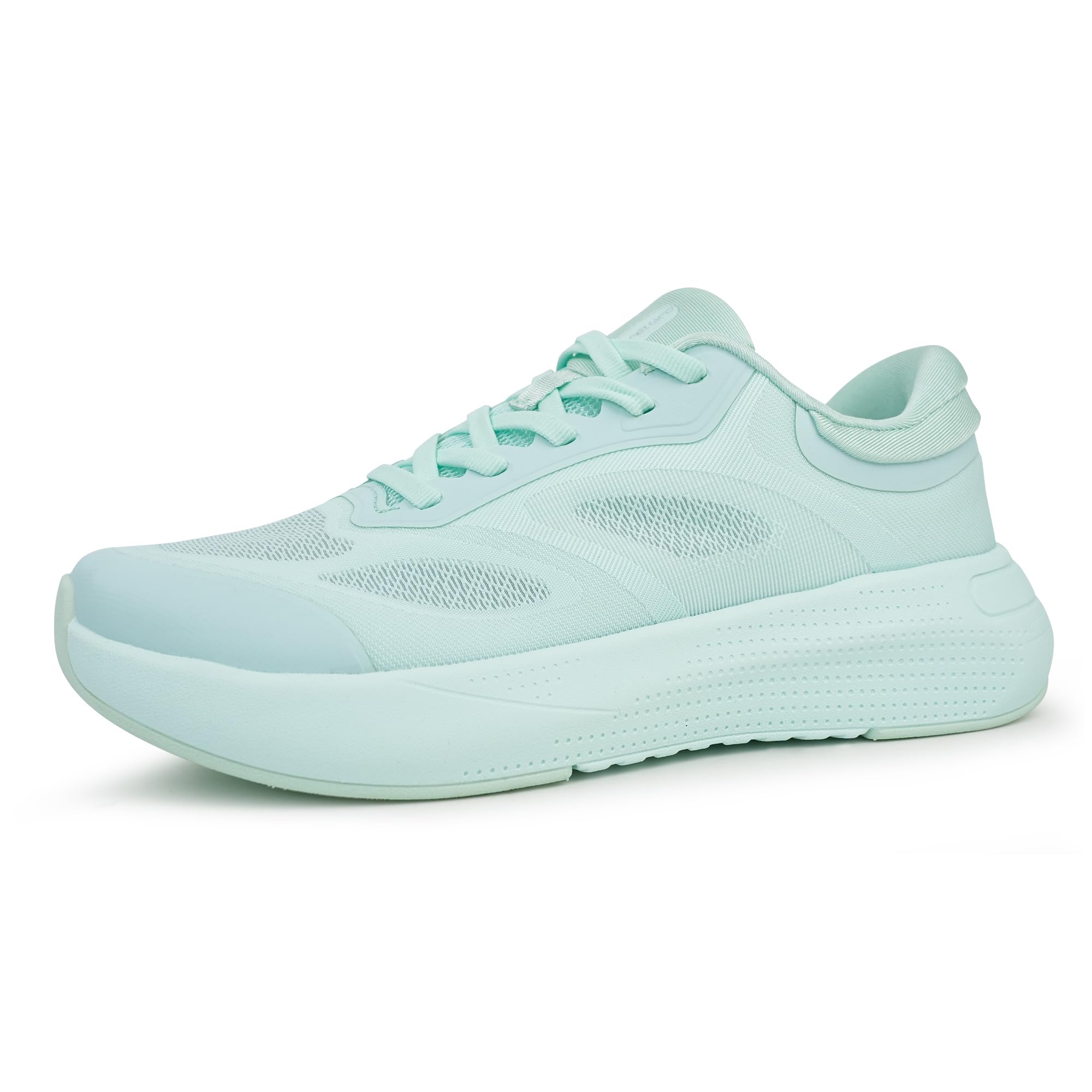
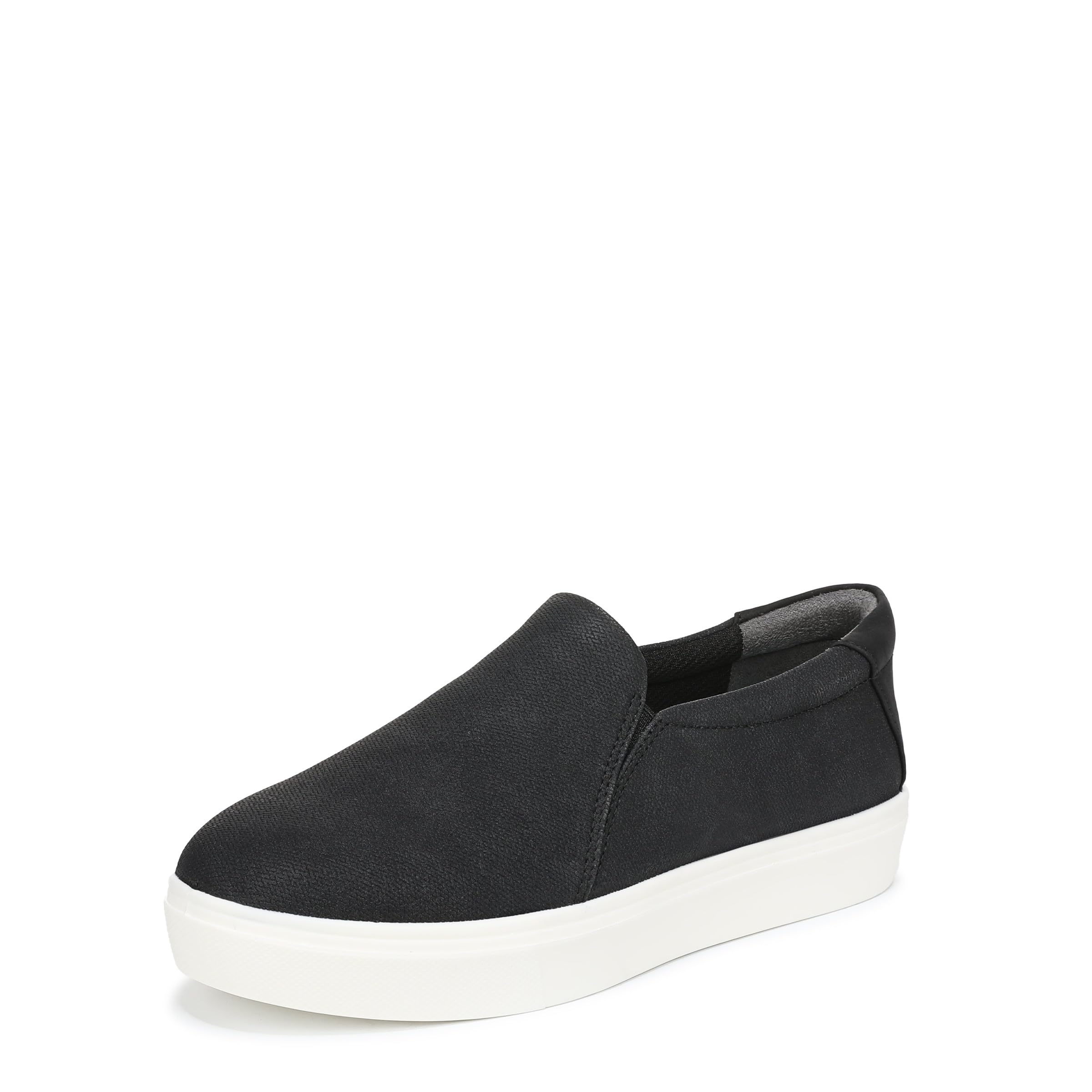
The comparison table below gives a quick side by side view of the main cushioning styles to compare. Use it with the guidance in this article to match a pair to your ward, your foot shape, and your shift length. Think about hospital dress codes too, since some units require specific colors or closed toe designs.

Cushioning That Lasts a Whole Shift
Cloud style cushioning uses soft foam to absorb impact, which can feel wonderful during the first hours of a shift. The key question is how that foam feels after eight to twelve hours, since very soft foam can compress and lose support. Look for foam that rebounds between steps and a midsole that does not feel flat by mid shift.
Support under the arch and heel matters as much as softness, since nurses walk and stand on hard floors for long periods. A shoe with a stable heel and a supportive footbed helps reduce fatigue and keeps gait even. If you use orthotics, check that the insole is removable and that the shoe still fits well with your insert.
Weight also affects fatigue, so a lighter shoe can feel easier over a long shift even with thick cushioning. Compare weight per pair, and try shoes at the end of a day when feet are slightly swollen. A shoe that feels perfect in the morning may feel tight by evening if the fit is too snug.
Slip Resistance, Cleaning, and Fit
Hospital floors can be wet from spills and cleaning, so slip resistant outsoles are essential for nurse shoes. Look for rubber outsoles with patterns made for smooth indoor floors, and check grip on a clean hard surface. Replace shoes when tread wears smooth, since grip loss increases fall risk in busy wards.
Easy cleaning matters in clinical settings, since shoes can pick up fluids and dirt during a shift. Smooth uppers and wipeable materials clean faster than heavy mesh that traps stains. Check whether the maker allows machine washing, and follow care instructions to protect cushioning and adhesives.
Fit should be snug at the heel and midfoot with room for toes to spread, and closed toe designs suit most hospital dress codes. Try shoes with the socks you wear for shifts, and walk, stand, and turn quickly before deciding. A shoe that pinches at the toes will cause blisters long before a shift ends.
Choosing by Ward and Foot Needs
Emergency and surgical wards involve fast movement and long standing, so stability and slip resistance matter most. A shoe with a firm heel counter and a secure lacing or strap system helps during quick turns. Avoid very tall and soft soles that can feel wobbly when you pivot suddenly.
General wards and clinics involve more walking between rooms, so light weight and breathability gain importance. Mesh panels help with airflow, though they may stain more easily than smooth uppers. Choose a balance that fits your ward cleaning rules and your comfort needs.
Foot conditions such as flat feet, high arches, or plantar discomfort need extra attention to arch support and heel cushioning. A supportive footbed or a removable insole for orthotics can make a large difference over a shift. Talk with a clinician or podiatrist if foot pain persists, since footwear alone may not address an underlying issue.
Durability, Budget, and Replacement
Nurse shoes wear out faster than casual shoes because of daily long shifts on hard floors. Foam compression, tread wear, and upper stretching are common signs that a pair needs replacement. Many nurses replace work shoes every six to twelve months, depending on shift frequency and floor type.
Budget for nurse shoes often falls between about $80 and $180 for a quality pair with good cushioning and slip resistance. Compare cushioning longevity and outsole durability, not just first wear comfort. A pair that stays supportive for months offers better value than a very soft pair that flattens quickly.
Keep a backup pair for emergencies, and rotate shoes when possible so foam can recover between shifts. Clean shoes regularly, and inspect outsoles and insoles weekly for wear. A simple replacement routine helps prevent foot fatigue and slip risks from worn shoes.
Related Choices Worth Comparing
General nurse footwear guidance covers ward rules and slip resistance, and our guide to best shoes for nurses compares many styles for hospital work.
On Cloud style options have a distinct cushioning feel, so our guide to best on cloud shoes for nurses explains how that foam performs over long shifts.
Cloud cushioning appears in many brands and styles, and our guide to best cloud shoes can help you compare softness and support across models.
Women specific nurse shoes address narrower heels and sizing, and our guide to best shoes for nurses female covers fit differences for women.
Tennis style nurse shoes offer a sporty alternative, and our guide to best tennis shoes for nurses compares court style support with cloud cushioning.
Caring for Feet After Long Shifts
After a long shift, elevate feet for a short rest and change into comfortable home shoes that support rather than flatten your arches. A brief foot stretch and a cool rinse can ease swelling after hours on hard floors. Small recovery habits help you start the next shift feeling fresher.
Track which shoes feel best on different ward types, since emergency, surgical, and general wards place different demands on footwear. A short note about comfort, grip, and cleaning for each pair helps future purchases. Over time, that record shows which cushioning and support patterns suit your feet best.
Talk with colleagues about shoes that work well in your unit, since shared experience often reveals practical details that product descriptions miss. Ask about cleaning, color rules, and durability in your specific hospital setting. A quick conversation can save money and foot pain on your next pair.
Frequently Asked Questions
Are cloud shoes good for 12 hour nursing shifts?
Cloud shoes can feel excellent for long shifts if the foam stays supportive and does not flatten by mid shift. Look for a stable heel, arch support, and a removable insole for orthotics if needed. Try shoes late in the day when feet are swollen, and walk for a while before deciding. If foam feels flat or gait feels uneven after hours, try a firmer midsole or a different model.
What makes a nurse shoe slip resistant?
Slip resistance comes from rubber outsoles with tread patterns made for smooth indoor floors and wet spills. Check grip on a clean hard surface, and avoid smooth soles that slide on polished floors. Replace shoes when tread wears smooth, since grip loss increases fall risk. Hospital dress codes may also require closed toe designs and specific colors, so check unit rules before buying.
Can nurses wear cloud shoes with orthotics?
Many cloud shoes work with orthotics if the insole is removable and the shoe still fits well with your insert. Remove the stock insole, insert your orthotic, and check heel fit and toe room before a full shift. A shoe that feels tight with an orthotic may need a wider size. Talk with a podiatrist if foot pain persists, since footwear alone may not fix an underlying issue.
How often should nurses replace work shoes?
Many nurses replace work shoes every six to twelve months, depending on shift frequency, floor type, and foam wear. Signs include flattened cushioning, smooth tread, stretched uppers, and new foot fatigue or pain. Rotate pairs when possible so foam recovers between shifts. Keeping a backup pair avoids wearing a worn pair while waiting for a replacement.
Are cloud shoes easy to clean for hospital use?
Smooth uppers clean faster than heavy mesh, which can trap stains and fluids. Wipe shoes after shifts, and follow maker instructions for machine washing when allowed. Avoid harsh cleaners that damage foam and adhesives. Regular cleaning keeps shoes hygienic and helps you spot wear early, especially on outsoles and insoles.
Final Thoughts
Choose a pair with cushioning that stays supportive through a full shift, reliable slip resistance, and a fit that suits your ward and foot shape. The product table above can help you compare cushioning styles side by side. Try shoes late in the day, check cleaning rules, and confirm hospital dress code requirements before buying.
With a supportive and slip resistant pair, long shifts feel easier and safer, making your choice a strong match for the best cloud shoes for nurses. Replace worn pairs promptly, rotate shoes when possible, and talk with a clinician if foot pain persists despite good footwear.


