Best Cloud Sandals: Buying Guide for 2026
Disclosure: We may earn a commission when you buy through links on this page, at no extra cost to you. As an Amazon Associate I earn from qualifying purchases. Learn more

Learn how to choose the best cloud sandals with clear guidance on cushioning, fit, arch support, traction, and care for comfortable all day wear.
Cloud sandals promise a soft, pillowy step, but that soft feeling can hide real differences in support, fit, and durability. Some pairs feel wonderful for an hour and then leave your arches aching, while others carry you through a full day of errands, travel, or standing work. This guide to the best cloud sandals explains how to judge cushioning, sizing, and traction before you buy, so you can compare the comparison table below with a clear checklist in mind.




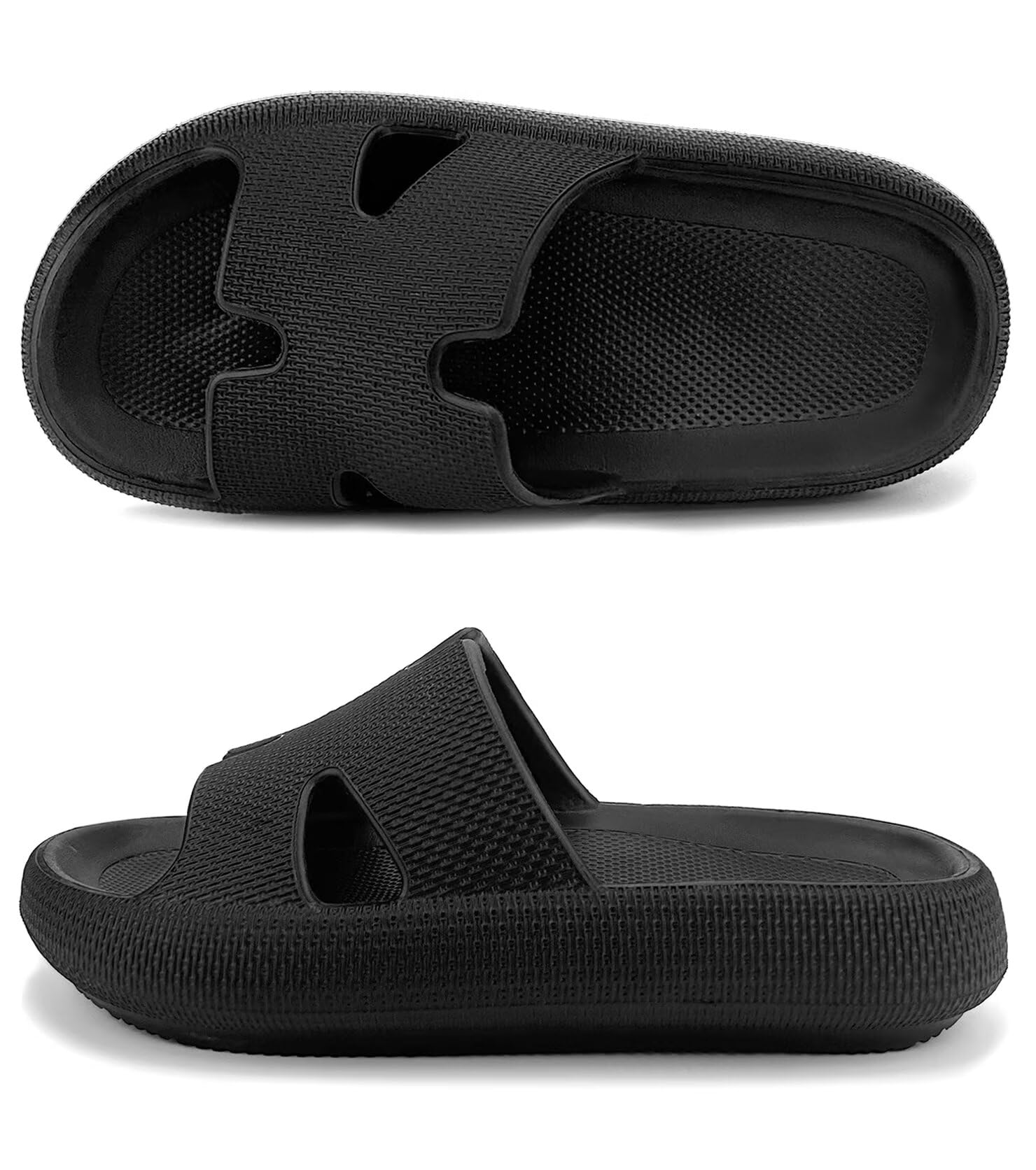
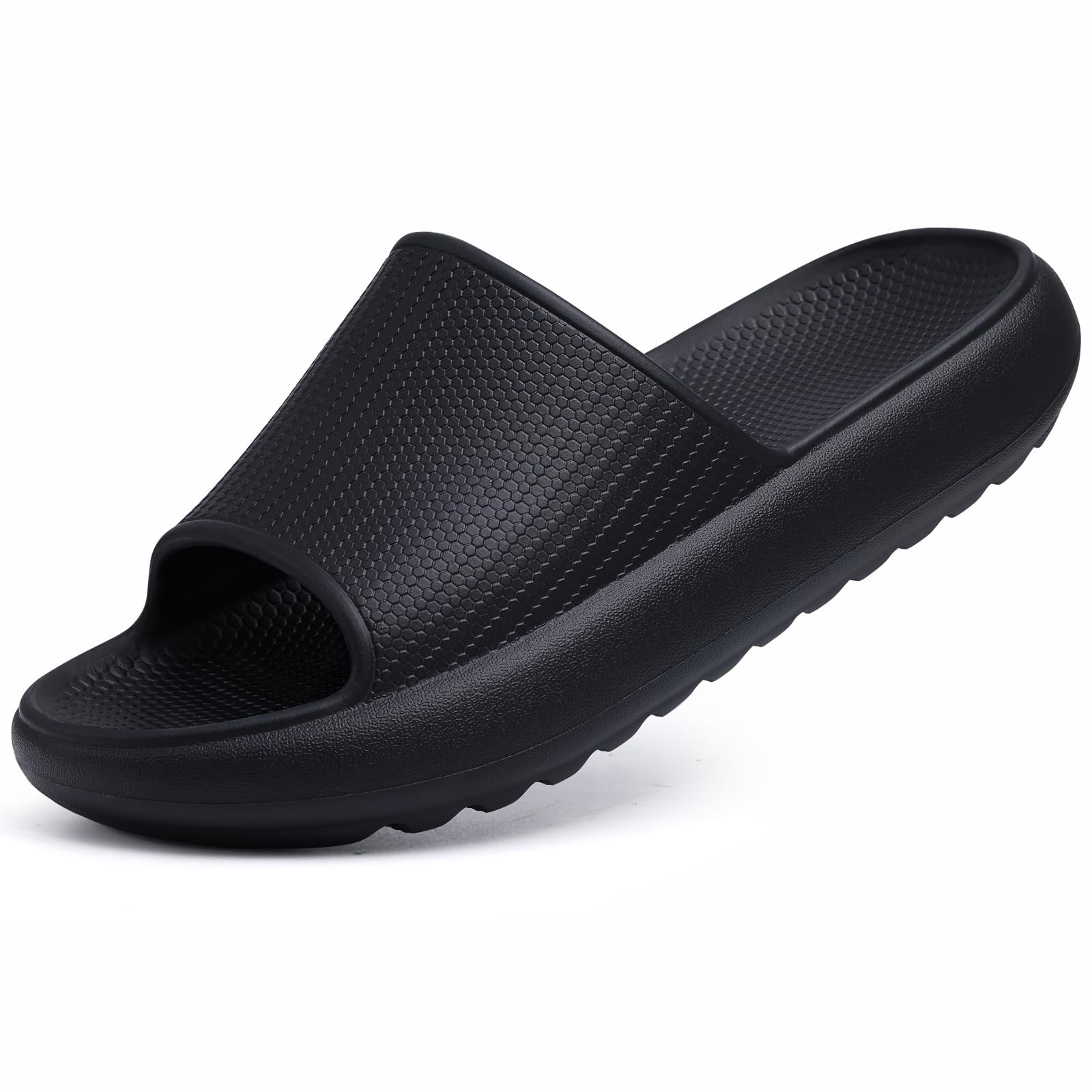


What to Look for in the Best Cloud Sandals at a Glance
Instead of chasing a single winner, judge every pair against three simple checklists. The right choice depends on how long you stay on your feet, whether your feet need support or pure softness, and how much you want to spend.
The All Round Checklist
A good all round pair balances thick cushioning with a stable base that does not wobble when you turn or step off a curb. Look for a contoured footbed that cups the heel, a midsole that springs back when you press it with your thumb, and straps that hold the foot without rubbing. Expect to pay about $40 to $70 for this balance. If a pair feels soft but lets your foot roll inward with every step, it belongs in the recovery category, not on your feet all day.
The Value Checklist
Value pairs, often under $40, can be a smart buy for home use, short walks, and post workout recovery, as long as you accept a shorter lifespan. Check that the foam feels dense rather than spongy, because very soft foam compresses fast and loses its cloud feel within a few months. Molded one piece designs are easy to rinse and dry, which suits beach trips and garden work. Spend a little more if you need adjustable straps, since fixed straps on a cheap pair either squeeze or slip.
The First Pair Checklist
If this is your first pair, start with a moderate stack height and a secure strap rather than the tallest, softest slide you can find. A heel strap or an adjustable upper keeps your toes from gripping to stay on, which is a common cause of forefoot fatigue. Wear the pair indoors for a few days so you can still exchange sizes if needed. Many first time buyers find that a slightly firmer cloud sandal feels better in week two than the marshmallow soft pair felt on day one.
How to Choose Cloud Sandals: Buying Guide
The sections below walk through the seven decisions that matter most, from measuring your feet to reading an outsole. Work through them in order and you will know exactly which features deserve your money.
Fit, Sizing, and Toe Box
Measure your feet late in the afternoon, when they are at their largest, and compare the length in centimeters with the brand size chart rather than trusting your usual shoe size. Your longest toe should sit about a thumb width from the front edge so it never jams the end on downhill walks. A wide toe box lets your toes spread naturally, which improves balance and reduces pressure on the forefoot. If you are between sizes, most cloud sandals feel better sized up, because straps can be tightened but a short footbed cannot be fixed.
Break In Period and Comfort Out of the Box
Most foam sandals need only a short break in period of a few walks around the house, since there is no stiff leather to soften. What changes is your foot, not the sandal: very soft cushioning asks your stabilizing muscles to work harder, so increase wear time gradually over the first week. Straps should never leave red marks after thirty minutes. If the footbed feels perfect but a strap rubs, moleskin or a thin sock for the first outings usually solves it while the material relaxes.
Durability and Expected Lifespan
Foam midsoles wear out by compressing, not by falling apart, so a pair can look fine long after its cushioning has gone flat. For daily wear, expect roughly six to twelve months of good support, similar to the way the foam in running shoes fades after about 300 to 500 miles of use. Check the outsole monthly: once the tread under the heel wears smooth, traction drops and the foam above it is usually spent too. Rotating two pairs lets each footbed recover between wears and noticeably extends the life of both.
Water Resistance and Breathability
Most cloud sandals are not waterproof boots, and they do not need to be. Molded foam pairs shrug off rain, puddles, and pool decks, then dry within an hour in open air. Models with fabric straps or leather uppers absorb water, stay heavy, and can smell if they dry slowly, so save those for dry days. A fully waterproof design also traps heat, which is the classic trade off: if you run hot or live in a humid climate, an open, breathable upper will feel better than any membrane.
Arch Support and Foot Type
Match the footbed to your arch. Flat feet usually do best with a defined arch contour and a firm heel cup, because pure softness lets the foot roll inward and strain the plantar fascia. If foot pain is a regular issue, our guide to the best sandals for plantar problems explains the support features in more depth. High arches need the opposite emphasis: generous cushioning under the heel and forefoot to spread pressure. A quick wet footprint check on cardboard shows your arch shape in seconds and tells you which group you are in.
Weight and Flexibility
Cloud sandals are light by design, and a pair that feels heavy usually has a dense rubber outsole, which is not a bad thing if you walk on rough ground. Flex the sandal in your hands before wearing it out: it should bend at the ball of the foot, not fold in half at the arch. A midfoot that folds easily offers little support on long days. For travel, lighter pairs pack flat and earn their space; for daily dog walks on gravel, a slightly sturdier build wins.
Outsole Traction and Terrain
Look at the tread pattern, not just the thickness of the sole. Shallow wavy grooves work on dry pavement and pool decks, while deeper lugs grip wet sidewalks, grass, and light trails. Rubber outsoles outlast bare foam bottoms and grip far better on wet tile, so they are worth the small weight increase. If you mostly walk indoors on smooth floors, a softer, quieter sole is fine. Readers comparing general purpose options can also browse our roundup of the best rated sandals for more on tread styles.
Types of Cloud Sandals
Cloud sandals fall into four broad families. Knowing which family a pair belongs to explains most of its strengths and limits before you read a single specification.
Stability and Support Models
These pair a thick cushioned midsole with a structured footbed, a firm heel counter area, and often a wider base. They suit people who stand at work, walk long distances, or overpronate. The drawback is a slightly firmer first impression, so they feel less like a pillow and more like a supportive mattress. For most daily wear, this family offers the best balance of comfort and foot health.
Waterproof and Closed Toe Models
Built from molded foam or rubber with a covered toe, these handle rain, campsites, and messy jobs while protecting your toes from stubs and drops. They are the sandal equivalent of waterproof boots: practical, durable, and a little warm. Ventilation holes help, but on hot days an open design still feels cooler. Choose this family if your sandals will see water weekly rather than occasionally.
Neutral Cushioned Models
Neutral models focus on even, unstructured softness with no strong arch contour or stability features. They fit the widest range of feet and feel instantly comfortable, which makes them popular for casual wear and short outings. The limit shows up over time: without guidance for the foot, they can tire flat feet and offer little help on uneven ground. Think of them as the relaxed option for healthy feet and easy days.
Sandals and Recovery Footwear
Recovery slides and sandals are designed for after sport, not for mileage. Their very soft foam eases pressure on tired joints, and the open design lets swollen feet breathe. Many runners keep a pair by the door for evenings at home, a use case covered in our guide to the best rated sandals resort travelers pack for downtime. Wear them for errands if you like, but rotate in a more supportive pair for full days of walking.
Tips to Get the Most From Your Cloud Sandals
- Rotate two pairs. Foam needs about a day to rebound after heavy use, so alternating pairs keeps the cushioning lively and doubles the calendar life of each pair.
- Air dry wet sandals away from direct heat. Radiators and hot car trunks warp foam and crack straps; shade and moving air dry them safely.
- Rinse off salt and sand. A quick rinse after beach days stops grit from grinding into the footbed texture and keeps straps moving freely. Travelers who pack light will find more packing ideas in our guide to the best sandals hotel guests rely on.
- Adjust straps before you walk, not during. A snug heel strap prevents the toe gripping habit that tires the forefoot on long walks.
- Replace on feel, not looks. When morning foot soreness returns or the heel tread goes smooth, the cushioning is done even if the upper looks new.
- Clean the footbed weekly. Warm water, mild soap, and an old toothbrush remove the film that makes footbeds slippery and smelly.
Frequently Asked Questions
How long is the break in period for cloud sandals?
Most cloud sandals need only two to four short wears before they feel fully natural. The foam molds slightly to your foot, and your feet adjust to the softer platform. Wear them at home first, starting with an hour a day. If a strap still rubs after a week, the size or style is wrong rather than the break in being unfinished, so exchange them while you can.
How often should I replace my cloud sandals?
Replace them when the cushioning stops rebounding, typically after six to twelve months of daily wear. Press your thumb into the heel: fresh foam springs back at once, while tired foam stays dented. Another clue is new aches in your knees or arches after walks that used to feel easy. Occasional wear stretches the timeline, since foam ages mainly through repeated compression rather than calendar time.
Can I wear cloud sandals all day?
Yes, provided the pair has real arch support and a secure strap rather than a loose slide design. Supportive models handle work shifts, sightseeing, and school runs well, and men comparing sturdy options can see our guide to the best sandals for guys for strap styles that stay put. Pure recovery slides are the exception: their ultra soft foam is meant for short periods, and wearing them for ten hours often leaves feet more tired, not less.
How should cloud sandals fit?
Your heel should sit fully inside the heel cup with no overhang, and your toes should rest flat without curling over the front edge. Straps should feel snug enough that the sandal moves with your foot when you lift it. Walk on a hard floor, not carpet, when judging fit, because soft flooring hides pressure points. When in doubt between sizes, the larger one with straps tightened almost always wins.
Do I need waterproof cloud sandals?
You only need full water protection if your sandals will regularly face rain, boats, or garden hoses. Molded foam pairs already handle splashes and dry quickly, which covers most beach and pool use. Fabric and leather uppers look better for casual outfits but suffer in repeated soaking. Consider your climate honestly: a breathable pair you wear daily beats a waterproof pair that feels hot and stays in the closet.
Our Verdict
Start with fit and arch support, then judge cushioning, because the softest pair is a poor buy if it lets your foot roll or your toes hang off the edge. Match the family to your routine, supportive models for long days, molded pairs for wet use, and plush slides for recovery hours. Compare your shortlist with the product table above, and you will land on the best cloud sandals for your feet without guesswork.