
Best Cloud Pillows: A Complete Buying Guide for 2026
Disclosure: We may earn a commission when you buy through links on this page, at no extra cost to you. As an Amazon Associate I earn from qualifying purchases. Learn more

Compare the best cloud pillows by loft, fill and firmness, with plain advice on sizes, cooling covers, sleep trials and care before you buy.
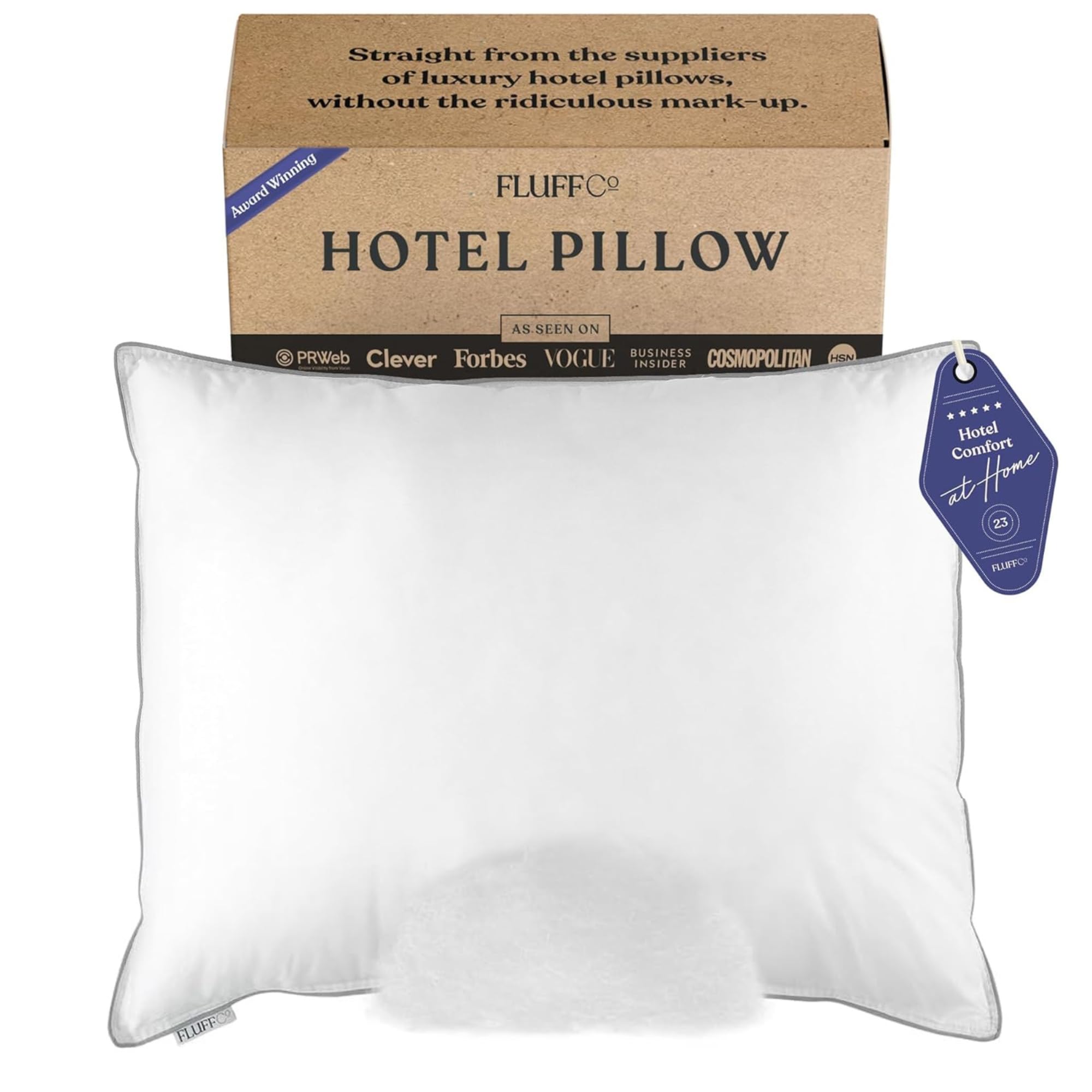
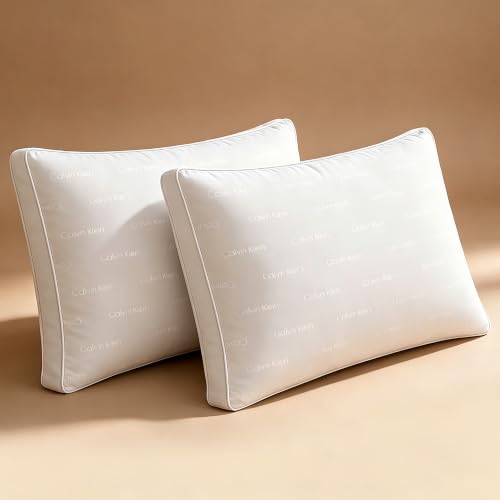
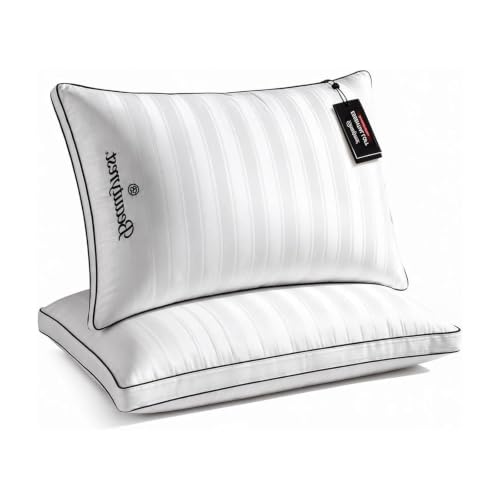
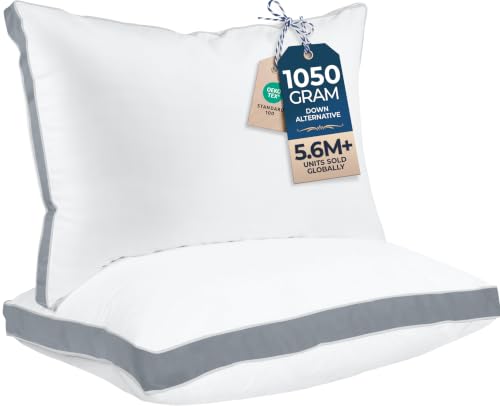
Cloud is not a technical term: it is the name makers give to a pillow that feels soft, lofty, and easy to sink into, the way hotel pillows feel when your head lands. Shoppers hunting for the best cloud pillows are usually chasing that feel, but the pillow that feels like a cloud on night one can feel flat by month three. This guide sorts loft, fill, and support in plain terms, so the softness you buy is the softness that lasts. The comparison table below sets the main types side by side.
One caution frames everything that follows. A pillow is a comfort product. It can make sleep feel better or worse, but it does not treat neck pain or any other condition, and this guide makes no such promise.


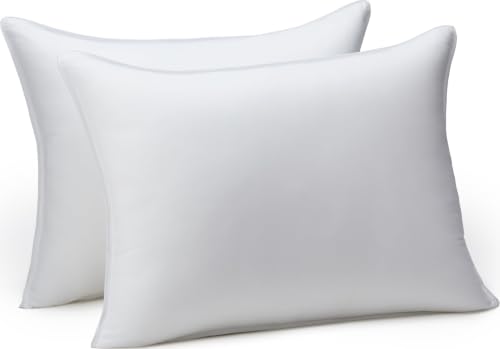


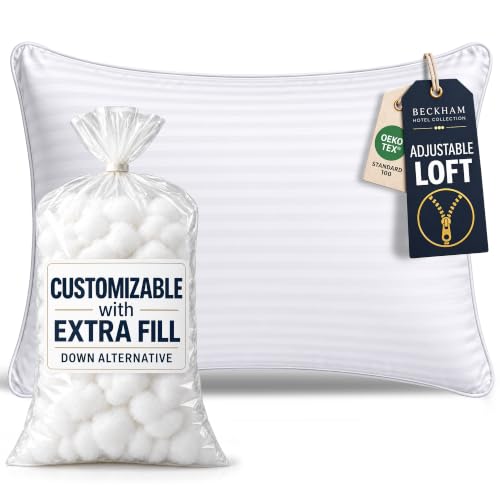
How to Choose: Loft, Fill and Feel
Choosing the best cloud pillows comes down to three questions: how high the pillow holds your head, what is inside it, and how the softness behaves once your weight settles.
Loft and Sleep Position
Loft is the height of the pillow under your head, and it is the first number to get right. As a guide, about 3 to 4 inches suits back sleepers, about 4 to 5 inches suits side sleepers because it fills the shoulder gap, and the firm end at about 5 to 6 inches should be read loosely by stomach sleepers, many of whom rest better at the thin end. Measure loft settled, not fresh from the bag, since fills drop height in the first weeks.
Fill You Can Adjust
Fill decides whether you can tune that loft after the first nights. A shredded fill governs adjustment, because you can open the inner case and remove or add handfuls until the height suits you, while solid molded fills cannot be tuned and their stated loft has to be right on day one. Down alternative clusters mimic the sink of down at a lower price, while latex springs back and holds height for years. If you share a bed with a partner of a different build, an adjustable fill ends most arguments.
Softness Is a Feel, Support Is a Job
A cloud feel is a softness class, and softness alone does not hold your head level. Support is read apart from softness: it is whether the pillow keeps your head and neck in line with your spine through the night, without your hand creeping under the pillow for height. Very soft fills feel wonderful for ten minutes, then bottom out under the head. If you love the sink, choose a soft surface over a firmer core, so the feel stays plush while the middle does the holding.
Readers comparing guides to the best pillows for sore neck should hold one line firmly: a pillow can add comfort, but it treats no neck condition. The same caution applies to the best pillows for neck problems, where the right answer may be a sleep position change rather than a new pillow. Shoppers reading about the best pillows for neck issues should treat ongoing pain, numbness, or pain that travels into an arm as a reason to see a clinician, not a shopping problem.
Cooling and Breathability
Soft pillows sleep warm when the fill traps air, so hot sleepers should read cooling claims carefully. A gel layer feels cool for the first minutes only, while open cell foam and breathable covers move air all night. Cotton covers usually beat slick synthetic shells in summer. Thread count on a cover matters far less than the weave, and a washable protector you actually clean does more for a fresh feel than any cooling label.
Certifications and What They Mean
Certification labels speak to the materials, not to comfort. CertiPUR US covers foam made without certain chemicals of concern, and OEKO TEX labels textiles checked for harmful substances. Neither mark promises that the pillow will feel right, and a pillow without them is not automatically unsafe. Treat the labels as a hygiene floor, then judge loft, fill, and trial terms on their own merits.
Sizes and Pillowcases
Standard pillows measure about 20 by 26 inches, queen about 20 by 30, and king about 20 by 36. Buy the size your cases already fit, or budget for new cases, since a king pillow stuffed into a standard case feels firmer and shorter lived. Two standard pillows suit most couples and cost less to replace one at a time. Wider shoulders pair with the longer sizes and higher lofts.
What Each Price Level Buys
Star averages are a weak guide here. Lists of the best ranked pillows can show what sells in volume, but a ranking cannot tell you how a pillow will feel under your own head at night. Judge the bands instead, and compare your shortlist with the product table above.
Under about $25
At this level, expect down alternative fills in simple cases, soft on arrival and quicker to flatten. These suit guest rooms and anyone trying the cloud feel for the first time.
About $25 to $50
In the middle band, fills improve, cases gain zippers for adjustment, and covers turn washable. Most sleepers land here, because the loft survives the first season.
About $50 to $90
At the top band, you are paying for latex or quality molded foam, longer trials of about 100 nights on some ranges, and fills that hold height for years. The jump pays if you replace cheap pillows often.
Types of Cloud Pillows
Most cloud pillows are one of three builds. Shoppers who want the closest match to hotel softness also compare best cloud like pillows, which follow the same three builds under a softer name.
Shredded Fill Pillows
Clusters of foam or fiber inside a zippered case give the most cloud like sink and the only real adjustment. They suit restless sleepers who reshape the pillow through the night. The cost is upkeep: they need fluffing to stay even, and the fill can clump if washed against the label.
Molded Memory Foam Pillows
A single shaped piece of foam holds the head in a steady cradle and never needs fluffing. The feel is plush at the surface with a slow settle, which suits back sleepers who stay in one position. The trade off is heat and fixed height, since nothing can be added or removed.
Latex Pillows
Latex is the springy outlier, soft on landing yet quick to push back, so the cloud feel comes with more lift. It suits side sleepers who bottom out softer fills, and it outlasts most rivals. It is also the heaviest, priciest build, and some sleepers find the bounce restless.
Care and Maintenance Tips
- Fluff the pillow by hand each morning, which redistributes fill and slows the flat spot under the head.
- Use a washable protector from day one, since sweat and oils break fill down faster than weight does.
- Wash only when the label allows it, and dry fully before use, because damp fill clumps and can mildew.
- Air the pillow in daylight for an hour each month to keep it fresh between washes.
- Rotate the pillow end to end each week so the same patch does not carry your head every night.
Cloud Pillows: Your Questions Answered
What firmness is best for people who sleep on their backs?
A medium firmness suits most back sleepers, because it lets the head sink while keeping the neck level with the spine. Very soft pillows let the head drop back, and very firm ones push the chin down. If you wake with an aching neck most mornings, treat that as a health question for a clinician rather than a firmness problem, since a pillow treats nothing. A home trial helps, because backs are individual.
Are cooling cloud pillows worth it for hot sleepers?
They help some sleepers, but the room does more than the pillow. A gel surface feels cool for minutes, while breathable fills and cotton covers help all night. If you wake hot, first check the protector, since a waterproof protector can trap more heat than the fill below it. Lowering the room temperature a degree or two usually beats any cooling label, so buy cooling as a bonus, not as the plan.
How do I wash a cloud pillow safely?
Start with the care label, because shredded, molded foam, and latex pillows each take water differently, and molded foam and latex should never go in a machine. Most down alternative pillows wash on a gentle cycle with little detergent. The common failure is drying: a pillow that feels dry outside can hold moisture in the middle, so give it extra dryer time and check by weight. A washed pillow that stays lumpy has lost its fill structure and is due for replacement.
How often should I replace my cloud pillow?
Replace it when it stops recovering its loft, which the fold check shows plainly: fold the pillow in half, and if it stays folded, the fill is done. Down alternative builds often last about 1 to 2 years, while latex can run several years longer. Yellowing alone is not the sign, since protectors stain first. Waking with a hand tucked under the pillow for height is another sign the loft has gone.
Can I change the loft of a cloud pillow?
Only if the pillow is built for it, with a zippered inner case and loose fill. Save any fill you remove in a bag, because many sleepers take out too much in week one and want some back by week three. Change a small handful at a time and sleep at least two nights between changes, since your neck needs time to judge a new height. Molded foam and latex pillows cannot be adjusted this way, so their loft has to suit you as sold.
Final Thoughts
Start with loft, then fill, then feel, in that order, and the softness will take care of itself. Back and side sleepers should spend on the build that holds height, while anyone unsure should choose an adjustable fill and a real trial. Compare your shortlist with the product table above, and the best cloud pillows for your bed will be the ones still holding their shape when the novelty has worn off.


