
Best Cleaner for Mattresses: A Buyer Checklist for 2026
Disclosure: We may earn a commission when you buy through links on this page, at no extra cost to you. As an Amazon Associate I earn from qualifying purchases. Learn more

Compare mattress cleaners by stain action, fabric safety, format, scent, and cost per use, and learn when cleaning helps and when a mattress should be replaced.
Finding the best cleaner for mattresses is different from choosing a bathroom or floor cleaner, because a mattress absorbs liquid, holds odors, and cannot be rinsed in a sink. The comparison table below shows the main cleaner types side by side, while this guide gives you a checklist for judging formulas, formats, and fabric safety. The right choice lifts stains and freshens the surface without soaking the filling or leaving residue where you sleep.
Mattresses face sweat, body oils, dust, spills, and pet accidents, and each problem needs a different approach. A surface spray may suit a fresh spill, while an older stain may need an enzyme formula and longer dwell time. Before you buy, think about your mattress type, the stains you face most, and whether anyone in the home is sensitive to scent or chemicals.

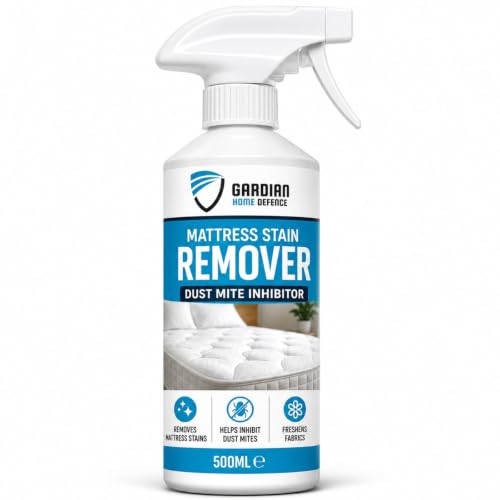



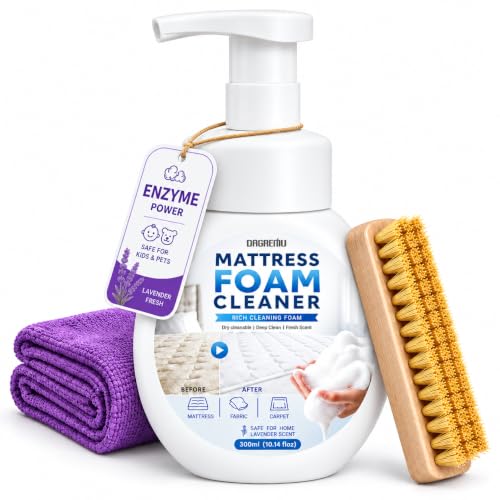
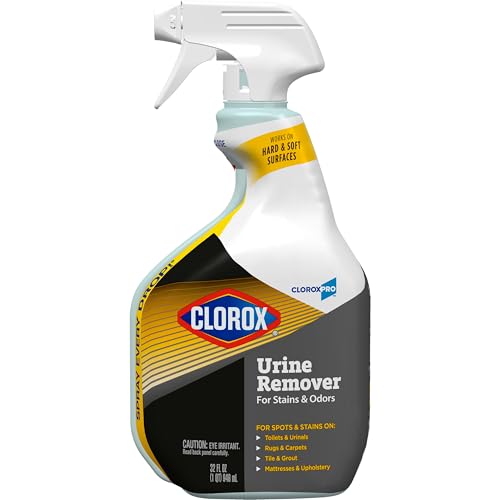

A Buyer Checklist for Mattress Cleaners
Work through the points below when you compare labels. A strong mattress cleaner matches your mattress fabric, targets your most common stains, dries fully, and leaves no sticky film. A weak choice may lighten a stain on the surface while pushing moisture deeper into the filling, which can lead to lingering odor. Judge every product on fabric safety first, then on stain action and drying time.
Features That Matter for Mattresses
A mattress cleaner must clean without soaking the layers beneath the cover. Look for a formula that works with a small amount of liquid, a clear dwell time, and blotting rather than flooding the surface. Check whether the label names your mattress type, such as memory foam, latex, or an innerspring with a quilted top, since foam can trap moisture far longer than a thin cover. When cleaning does not fix sagging, lumps, or a worn out sleep surface, read our guide to best mattresses for back problems before spending more on cleaning products.
Effectiveness on the Specific Mess
Match the cleaner chemistry to the stain, since one formula rarely handles every mess equally well. Enzyme cleaners break down protein based stains such as sweat and pet accidents, while oxygen based formulas lift many colored spills and general dinginess. Older stains may lighten but not vanish fully, so be wary of any label that promises complete removal of every old mark. For a fresh spill, blot first, apply a small amount of cleaner, and let it dwell for the label time before blotting again.
Eco Friendly Packaging
Refills and concentrates cut plastic waste and often lower the cost per cleaning, which matters for a product you may use several times a year. Check whether the bottle is recyclable in your area and whether refills are easy to buy, since a refill system only helps if you can actually restock it.
Scent and Fragrance Free Options
Scent is a major factor for a product used where you sleep. Fragrance free formulas suit sensitive sleepers, allergy prone households, and anyone who dislikes perfume lingering on bedding. Lightly scented cleaners can freshen a room, but the scent should fade as the mattress dries, not stay strong through the night. If a cleaner leaves a heavy smell after drying, it may also leave residue, so blot and air the mattress longer before remaking the bed.
Format: Spray, Gel, Powder, Wipes, and Concentrate
Format changes how much moisture reaches the mattress and how easy the cleaner is to control. Sprays suit quick spot treatment, while gels cling to a stain and limit spread. Concentrates offer the best value for repeated use, but they demand careful dilution and a test spot. A best steam cleaner for mattresses guide covers a different approach, since steam adds heat and moisture and needs its own drying and fabric checks.
Ingredients and Safety
Read the ingredient and warning panel before you buy, and look for clear guidance on use around children and pets. Formulas with the EPA Safer Choice label meet stricter standards for safer ingredients, which can help narrow a crowded shelf. Avoid products with vague strength claims and no fabric guidance, since a harsh formula can discolor a cover or break down foam. Never mix bleach with ammonia or acids, and never mix two cleaners to create a stronger batch, since the combined chemistry can create dangerous fumes or damage fabric.
Surface Compatibility
Mattress covers vary widely, from cotton and polyester blends to specialty cooling fabrics and waterproof protectors. Check the label for your cover material, and test every new cleaner on a small hidden area, such as a side seam, before treating a visible stain. Memory foam and latex need extra care with moisture, while a removable, washable protector can often be cleaned apart from the mattress itself. When in doubt, use less liquid, blot gently, and allow a full drying time rather than repeating heavy applications.
Budget Tiers: What You Get at Each Price Point
Price reflects format, concentration, and specialty chemistry more than cleaning power alone. Use the tiers below to set expectations, then judge each product against the checklist above and your own stain problems.
Budget Friendly Basics
Budget friendly cleaners, usually about $6 to $12, suit light spot cleaning and occasional freshening. These are often ready to use sprays or powders that handle fresh spills, surface dust, and mild odor. They work best when stains are treated promptly and the mattress is vacuumed often. Their main limit is older or deeper stains, which may need repeated gentle treatments or an enzyme formula rather than a stronger dose of a basic spray.
Mid Range All Round Cleaners
Mid range cleaners, usually about $12 to $20, often add enzyme action, a concentrate option, or a fragrance free version. These suit homes with children or pets, where stains happen often and one product must handle several stain types. Many include clearer fabric guidance and measured dosing, which helps you avoid over wetting the mattress.
Premium Deep Clean Formulas
Premium cleaners, usually about $20 to $28, tend to be concentrates, enzyme blends, or formulas paired with a brush or applicator. A concentrate can offer the lowest cost per use for a household that cleans often, despite the higher bottle price. Premium formulas may target pet odor or deep protein stains more directly, but check that the stronger action is still labeled safe for your mattress fabric.
Quick Buyer Checklist
Run through these questions before you buy:
- Does the label name your mattress type and cover fabric?
- Does it target your most common stains, not just general dirt?
- Can you apply it with a small amount of liquid and blot, rather than soak?
- Does it dry fully without leaving a sticky residue?
- Is the scent level right for a bedroom, or is a fragrance free version available?
- Have you worked out the cost per cleaning, including refills?
- Are the safety warnings clear, with storage guidance for children and pets?
- Have you tested it on a hidden area first?
Red Flags to Watch For
Be wary of labels that promise to remove every stain, erase years of marks, or sanitize a mattress with a single spray. Vague ingredient lists, missing fabric guidance, and no drying time are all warning signs. A product that requires soaking the mattress, or that leaves a damp, sticky surface after hours, is a poor match for most sleep surfaces. If cleaning no longer improves comfort or appearance, it may be time to consider replacement, and our guide to best time to purchase mattresses can help you plan that purchase wisely.
Choosing Cleaners for Your Situation
Two common situations need different cleaner choices. Carpet style and fabric style cleaners both work on mattresses, but they differ in how they handle fibers, moisture, and residue.
Best Carpet Cleaner for Mattresses
A cleaner made for carpet style fibers suits thick, textured mattress covers and surface dirt ground into the fabric. Look for a formula that lifts dirt with light moisture and vacuums away cleanly, rather than one that floods the surface. Carpet style cleaners often handle general dinginess and tracked in dirt well, but they may be too wet for memory foam if used heavily.
Best Fabric Cleaner for Mattresses: What to Check
A fabric cleaner suits smooth or delicate mattress covers, removable protectors, and stains on the cover itself rather than deep in the filling. Check that the formula is safe for your cover fabric, dries without stiffness, and leaves no residue that could irritate skin during sleep. Fabric cleaners often work well on spills and body oils, but they rarely fix deep filling odor on their own. Pair fabric cleaning with regular vacuuming and good bedroom ventilation for the best long term freshness.
Tips to Get the Most From Your Cleaner
Vacuum the mattress first to remove dust and loose dirt, since dirt left in place can spread during wet cleaning. Always read the label and test on a small area, then blot stains instead of rubbing, which can push a stain deeper and wear the cover. Use the smallest effective amount of cleaner, let it dwell for the label time, and blot with a clean, dry cloth. Ventilate the room while cleaning and while the mattress dries, and never mix bleach with ammonia or acids.
Frequently Asked Questions
What features matter most in mattress cleaners?
Fabric safety and moisture control matter most, followed by stain action for your common problems and a drying time that fits your routine. A good cleaner names your mattress type, works with blotting and a small amount of liquid, and leaves no sticky residue. Scent, format, and cost per use help you choose between similar formulas. A product that lightens a stain but leaves the filling damp or stiff is a poor value, even at a low price.
Are natural mattress cleaners as effective?
Natural and plant based cleaners can handle fresh spills, light sweat marks, and surface odor well, especially when used promptly and given the full dwell time. They may work more slowly on old protein stains or pet accidents than enzyme formulas, so they suit well kept mattresses better than heavily stained ones. Check that a natural label still names your mattress fabric as safe, since plant based does not always mean gentle on foam or specialty covers. For stubborn pet stains, an enzyme formula labeled for mattresses may be the better second step.
How often should I clean a mattress?
Vacuum a mattress every month or two, and spot clean stains as soon as they happen for the best results. A full surface refresh every three to six months suits most households, with more frequent spot checks in homes with children or pets. Always let the mattress dry fully before remaking the bed, and use a washable protector to cut down on deep cleaning needs.
Is a mattress cleaner safe to use around kids and pets?
Many mattress cleaners are safe once fully dry, but safety depends on the formula and how carefully you apply it. Choose a product with clear child and pet guidance, store it out of reach, and keep children and pets off the mattress while it dries. Ventilate the room until fumes clear, and vacuum the dry surface before remaking the bed. If a child or pet contacts undiluted cleaner, follow the label first aid directions and seek medical or veterinary advice if symptoms appear.
What should never be mixed together when cleaning a mattress?
Never mix bleach with ammonia or acids, including vinegar and many bathroom cleaners, because the mixture can create dangerous fumes. Do not combine two mattress cleaners in hopes of stronger stain removal, since the combined chemistry is unknown and may damage fabric or foam. If you need a second product for a different stain, blot away the first one, let the area dry, and ventilate the room before you start again. When in doubt, use one product at a time and follow its label exactly.
Final Thoughts
The right mattress cleaner balances fabric safety, moisture control, stain action, and scent for your mattress type and household. Start with prompt spot cleaning and regular vacuuming, and step up to an enzyme or concentrate formula only when a recurring stain demands it. Test each new product in a hidden spot, let the mattress dry fully, and store cleaners safely away from children and pets. Review the checklist and the product table above, then choose the best cleaner for mattresses for your sleep surface and cleaning routine.


