
Best Cloud Like Pillows: The Buyer Checklist We Use for 2026
Disclosure: We may earn a commission when you buy through links on this page, at no extra cost to you. As an Amazon Associate I earn from qualifying purchases. Learn more

The best cloud like pillows feel plush yet support your neck. Compare loft, fill, firmness, cooling, and care to choose soft support that lasts.
A cloud like pillow should feel soft and lofty the moment your head settles in, yet it still needs enough support to keep your neck in a calm, neutral line. The best cloud like pillows balance that plush first impression with the right loft and firmness for your sleep position, so you sink in without bottoming out. The comparison table below gathers the options so you can compare sizes, fills, and care details.
Use the checklist here before you look at prices or star ratings, because two pillows can share the same soft description and feel completely different once you lie down. If you want a close cousin of this feel, see our guide to the best cloud pillows.

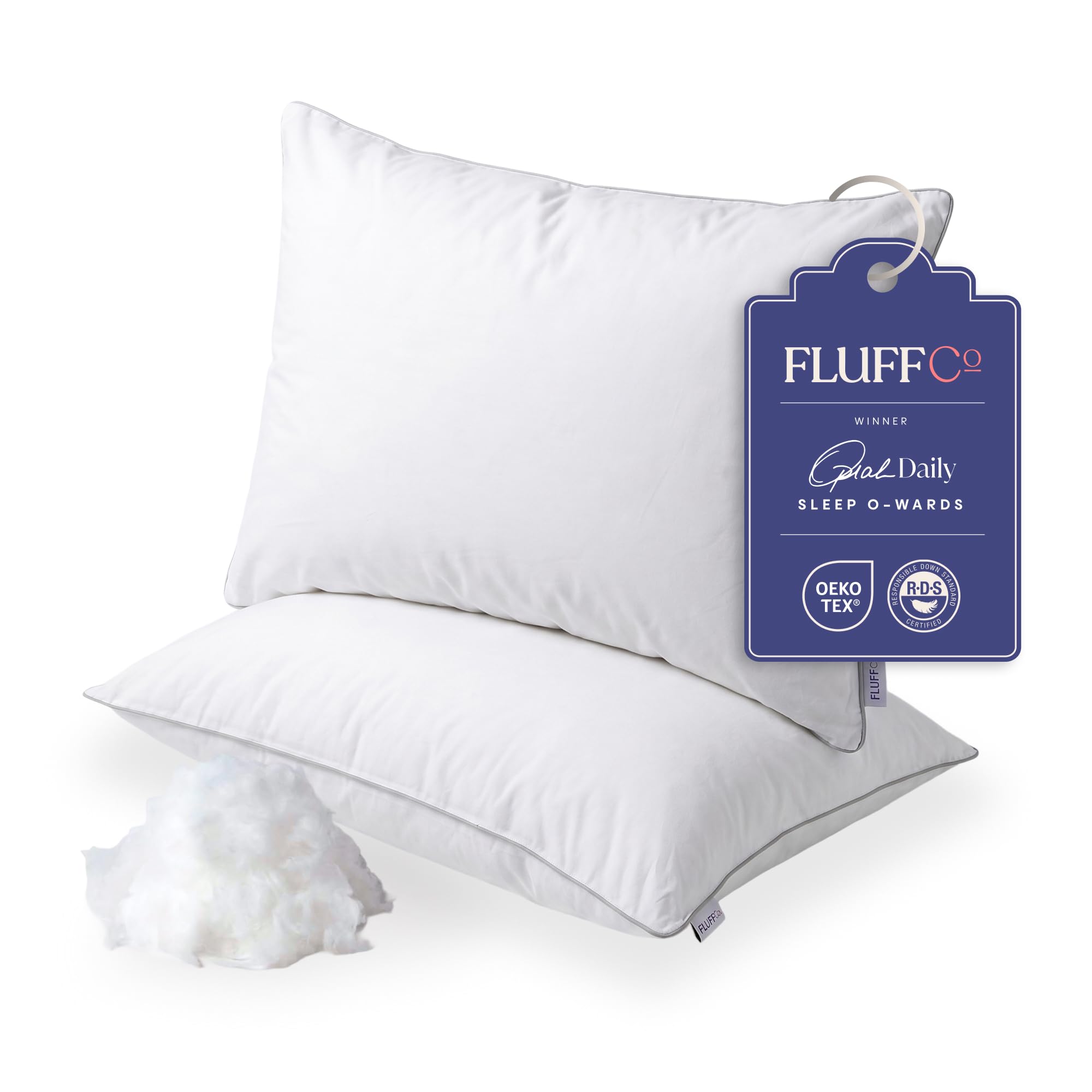
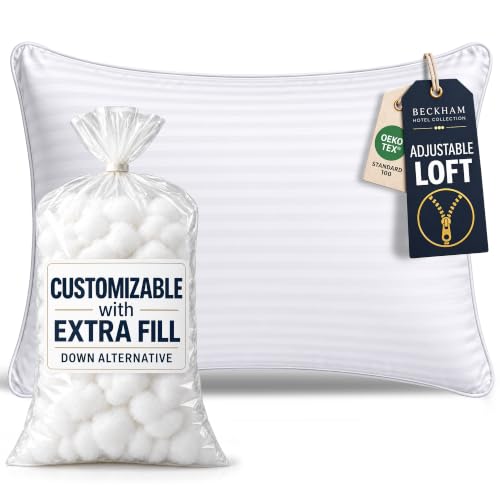
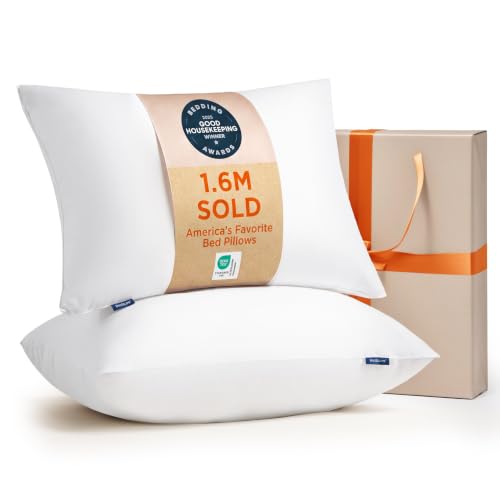
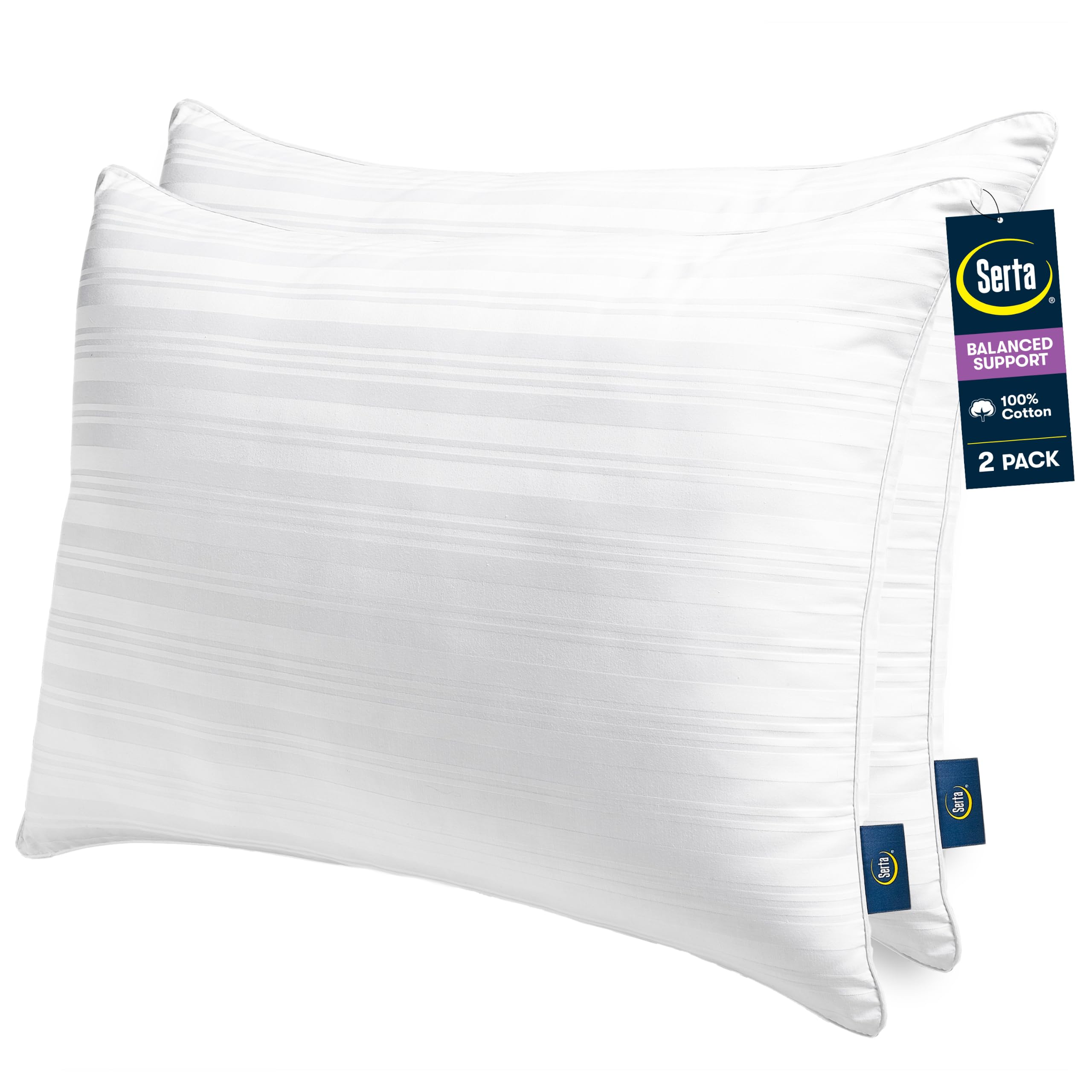


Key Features to Compare
Material and Fill
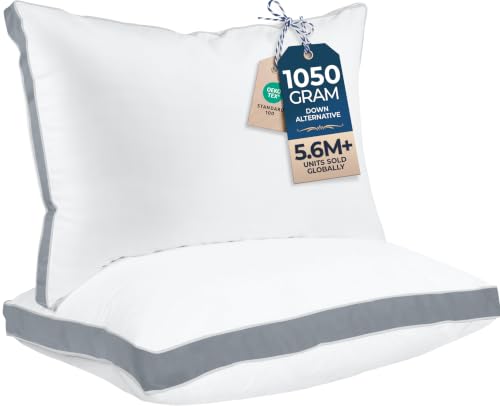
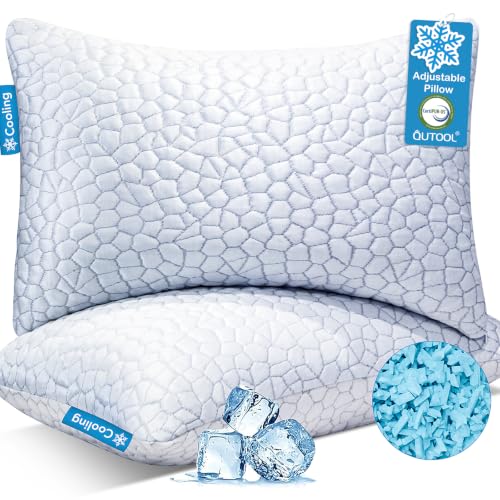
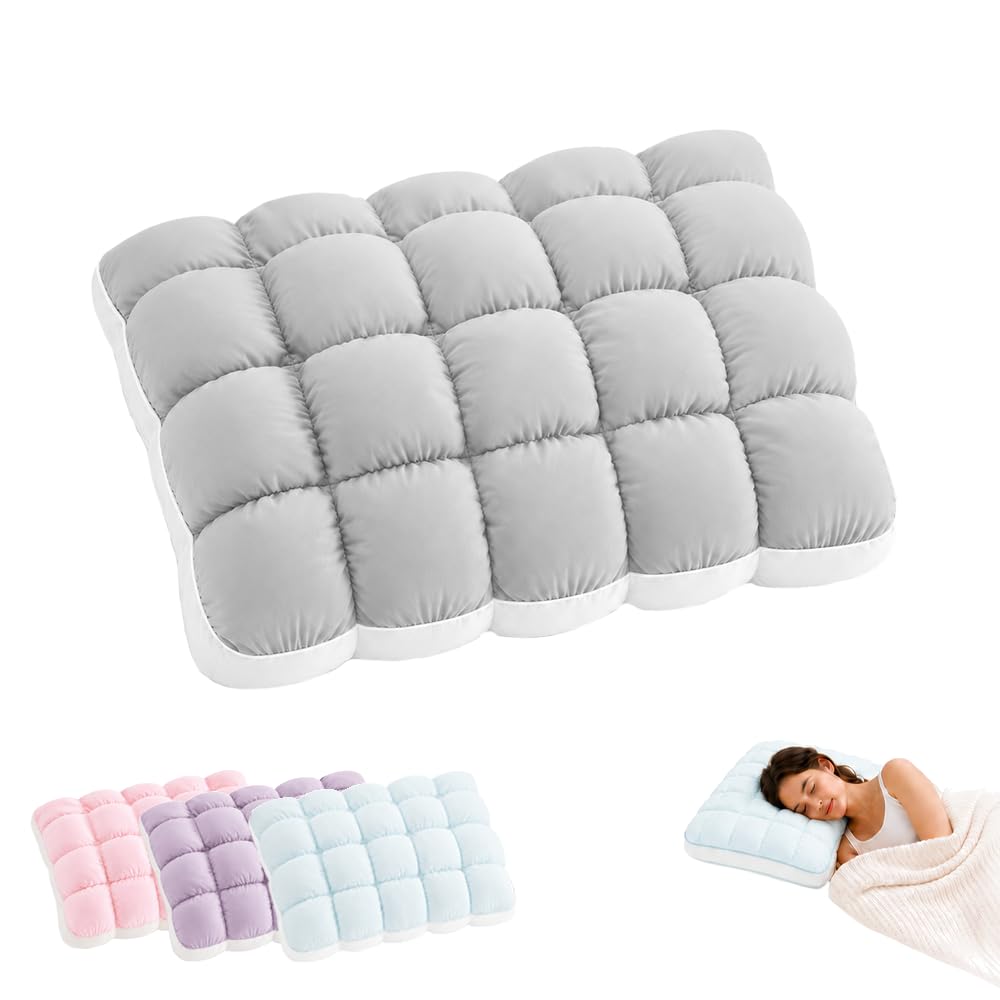
Fill creates the cloud sensation, and each type behaves differently under the weight of your head. Shredded memory foam molds closely and lets you push fill around to shape a hollow for your head, while a molded core feels uniform and returns to one set shape. Fiberfill and other down alternative fills feel airier and compress more easily, suiting sleepers who like to bunch and reshape the pillow. True down feels softest of all, but it flattens faster and needs daily fluffing.
The shell fabric matters too, because a stiff or dense shell can mute a soft fill. Cotton percale feels crisp and breathable, sateen feels smoother and slightly warmer, and linen feels textured and good at releasing heat. Many plush models copy the tall, soft look of hotel beds, so see our guide to the best hotel like pillows if that is the feel you want. Shoppers avoiding feathers can instead see our guide to the best down like pillows for fills that copy the down feel.
Firmness, Loft, and Sleep Position
Loft is the height of the pillow at rest, and firmness is how much it resists compression once your head is on it, so judge both together. Side sleepers usually need higher loft and a medium or firm feel to fill the space between the ear and the outer shoulder. Back sleepers usually do best with medium loft and medium firmness that cradles the head without pushing it forward. Stomach sleepers usually need low loft and a soft feel, since a tall pillow bends the neck upward and strains it by morning.
Body size matters too, because broader shoulders widen the gap a side sleeper must fill, while a smaller frame needs less height. If you often wake with neck pain, numb arms, or headaches, talk with your clinician about your sleep setup, because a pillow change alone may not address the cause. Persistent pain, weakness, or numbness spreading into the hands needs prompt medical attention.
Support and Pressure Relief
Support in a soft pillow means the fill keeps working after the first soft moment, holding your head at a steady height instead of letting it sink to the mattress. Pressure relief describes how evenly the fill spreads the weight of your head and neck, so no single spot takes all the load. Shredded fills and fiberfill spread pressure well because they shift and settle around you, while very soft solid fills can compress into a thin layer.
Cooling and Breathability
A plush pillow can sleep warm, because deep sinkage wraps fill around your head and traps heat close to your skin. Cooling designs fight that with gel additions in foam, open cell structures that let air move, and cooling fabrics in the cover. Breathable cotton and linen covers steady warmth better than dense foam cores with thick shells.
Size and Fit
Pillow sizes follow a simple pattern, with Standard at about 20 by 26 inches, Queen at about 20 by 30 inches, and King at about 20 by 36 inches. Match your pillowcases to the size you buy, since a loose case lets the pillow slide and bunch, while a tight case compresses the fill and adds firmness.
Certifications and Material Safety
Certifications give you a checkable claim in a category full of vague softness language. CertiPUR US means foam was checked against standards for emissions, content, and durability, while OEKO TEX labels on covers or fills mean the textile was checked for a range of harmful substances. Neither label tells you whether the pillow will feel right, so treat them as a safety floor rather than a comfort promise.
Durability Cues and Trial Terms
You cannot judge lifespan from a photo, but you can judge the signals around it, such as warranty length, honest care instructions, and a sleep trial that lets you judge the loft at home. A pillow can suit you on night one and disappoint by month three if the fill mats down, so return or loft exchange terms carry real value. Dense shredded fills and latex hold shape longer than light fiberfill, though fiberfill costs less and washes more easily.
Buying Guidance by Sleep Style
Instead of chasing named picks, match the pillow to your body and habits first. The groups below will help you narrow the best cloud like pillows to the loft and fill style that fits how you actually sleep.
Side Sleepers Who Want a Soft Feel
You have the tallest gap to fill, so choose high loft with a medium or firm core and a soft outer layer if you can find that pairing. Shredded memory foam suits you well because you can add height where the shoulder gap is widest and pull fill away near your face. Avoid the softest fiberfill models even if they feel wonderful in a quick squeeze, because they compress most under a full night of weight.
Back and Stomach Sleepers
Your main risk is too much height rather than too little, so start with medium loft for back sleeping and low loft for stomach sleeping. A molded foam pillow with a gentle contour can suit back sleepers who stay in one position, while stomach sleepers usually do better with a compressible fiberfill or down blend they can flatten further. If you wake with your chin pushed toward your chest, the pillow is too tall or too firm for back sleeping. Remove some fill first, if your model allows it, before replacing the pillow.
Hot Sleepers and Sensitivity Conscious Shoppers
If warmth wakes you more than discomfort does, put breathability ahead of maximum plushness and choose airy fills, ventilated foam, or a linen or cotton cover. Down alternative fills also serve shoppers who want the down feel while avoiding feathers, so see our guide to the best feels like down pillows if that tradeoff is central to your choice. A washable cover also helps, keeping the sleep surface fresher between full pillow washes.
Quick Buyer Checklist
Run through these questions before you order, and treat any no answer as a reason to keep looking. The product table above answers several quickly, with size, fill, and care fields side by side.
- Does the listed loft match your main sleep position and shoulder width?
- Is the firmness described in plain words such as soft, medium, or firm, rather than only softness slogans?
- Can you adjust the fill, or is the height fixed from the start?
- Does the fill type suit your habits, including fluffing, reshaping, or washing?
- Is the cover fabric breathable enough for how warm you sleep?
- Do the foam or textile certifications check out by name?
- Does the pillow size match the pillowcases you already own?
- Do the trial and warranty terms give you time to judge the loft at home?
Warning Signs to Watch For
Soft pillows are easy to photograph well and hard to describe honestly, so a few listing habits should slow you down. Vague fill descriptions with no material name, no loft height, and no weight are the biggest concern, because you cannot predict the feel from adjectives alone. Listings that promise a cure for pain or guaranteed perfect sleep go beyond what any pillow can deliver.
Also watch for a short warranty paired with care instructions that forbid all washing, a pairing that often means the fill loses shape quickly. Rankings can help you build a short list, so see our guide to the best ranked pillows if you want that wider view, but let your own loft and position needs make the final call.
How to Make Your Cloud Like Pillow Last Longer
Daily habits decide how long the lofty feel survives, and most take under a minute. Fluff the pillow by hand each morning, pushing air back into the corners so the fill does not stay compressed in the same spots. Use a pillow protector under your pillowcase to keep sweat and skin oils away from the fill, and wash the protector and case often so the pillow itself needs fewer full washes.
When the care label allows washing, follow it closely, use a gentle cycle, and dry the pillow fully before use, because damp fill clumps and loses loft fast. Foam fills should not go in the washer unless the label says so; spot cleaning plus airing in a dry, shaded spot suits them better. Rotate the pillow end to end weekly so wear spreads evenly.
Frequently Asked Questions
Are cooling cloud like pillows worth it for hot sleepers?
Yes, cooling cloud like pillows are worth it for hot sleepers when the cooling comes from breathable structure rather than a surface gimmick alone. Look for ventilated or shredded foam, airy fiberfill, and covers that move air, since they keep working all night. For an extra gain, swap a sateen pillowcase for percale or linen on warm nights, since the case can trap or release a surprising amount of heat.
What firmness is best for back pain with a cloud like pillow?
A medium firmness is the usual starting point for back pain with a cloud like pillow, since it cradles the head without tipping the neck too far forward or back. Side sleepers with back discomfort often need a touch more firmness and height, while stomach sleepers need less of both. Back sleepers can also try a thin pillow under the knees to ease lower back pressure. If pain is severe or paired with numbness or weakness, talk with your clinician.
How do I wash cloud like pillows safely?
You wash cloud like pillows safely by following the care label first, since foam, latex, fiberfill, and down tolerate water differently. Most fiberfill and down alternative models handle a gentle machine cycle, while most foam models need spot cleaning only. Wash two pillows together so the drum stays balanced, and dry fully on low heat, pausing to fluff by hand, since a damp pillow returned to the bed invites odor and clumping.
How often should I replace my cloud like pillow?
Most cloud like pillows need replacing every one to two years, sooner if the fill stays flat after fluffing or you wake with new neck stiffness most mornings. To check yours, fold the pillow in half and watch whether it springs back, since a pillow that stays folded has lost its working loft. Hygiene is the quieter reason to stay on schedule, since fill slowly collects sweat and dust even under a protector.
Is a higher thread count always better for a cloud like pillow cover?
No, a higher thread count is not always better for a cloud like pillow cover, since very dense weaves can trap heat and make even a breathable fill sleep warm. Thread count only counts the threads in a square inch of fabric and says nothing about fiber quality or weave feel. Long staple cotton often matters more, since it spins into smoother yarn that pills less over time. A moderate count in percale or linen usually breathes better than an ultra dense sateen.
Final Thoughts
The right choice comes down to three checks: loft that matches your sleep position, a fill whose behavior you understand, and a cover and care plan that fit how warm you sleep. Revisit the product table above with those checks in mind, and the softest looking option will sort itself from the one that still feels right in six months. Matched to your body that way, best cloud like pillows stop being a vague promise of softness and become a practical, comfortable upgrade to your bed.


