Best Closet System for 2026: Types Compared and How to Choose
Disclosure: We may earn a commission when you buy through links on this page, at no extra cost to you. As an Amazon Associate I earn from qualifying purchases. Learn more
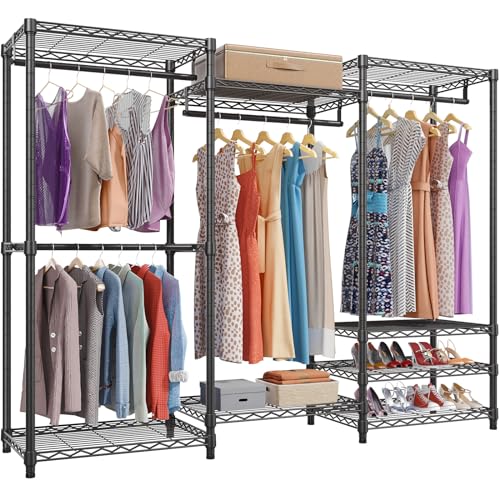
Compare closet system types, layouts, materials and prices so you can plan storage that fits your room, your clothes and your budget without wasted space.
A best closet system is not just a set of shelves. It is a plan for how your clothes, shoes, bags, and everyday items fit into one space and stay easy to reach. The comparison table below shows the main types side by side, and this guide explains how each type works in a real room.
Closet systems differ in how they attach to the wall, how much you can change them later, how much weight they hold, and how much floor space they use. Some are fixed and tidy, while others are flexible and easy to rearrange. The best choice depends on your room shape, your wardrobe, and whether you rent or own your home.
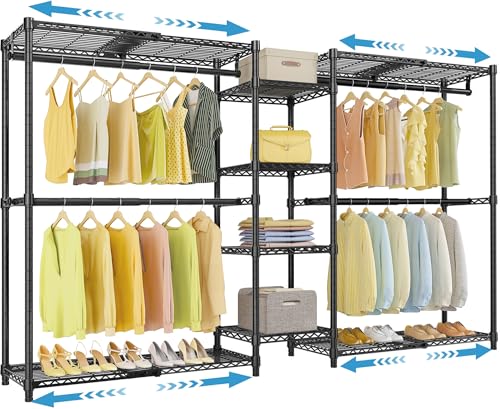
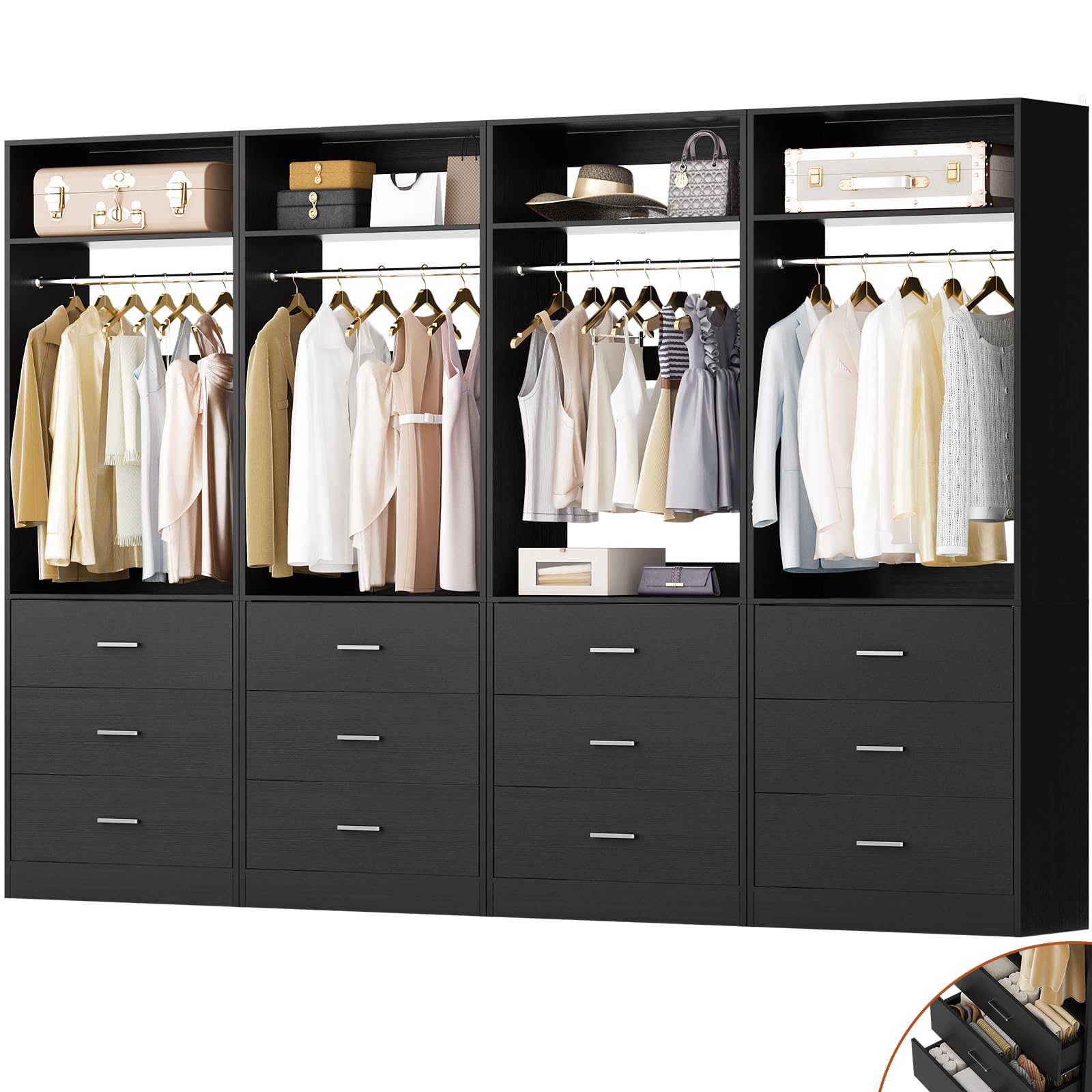

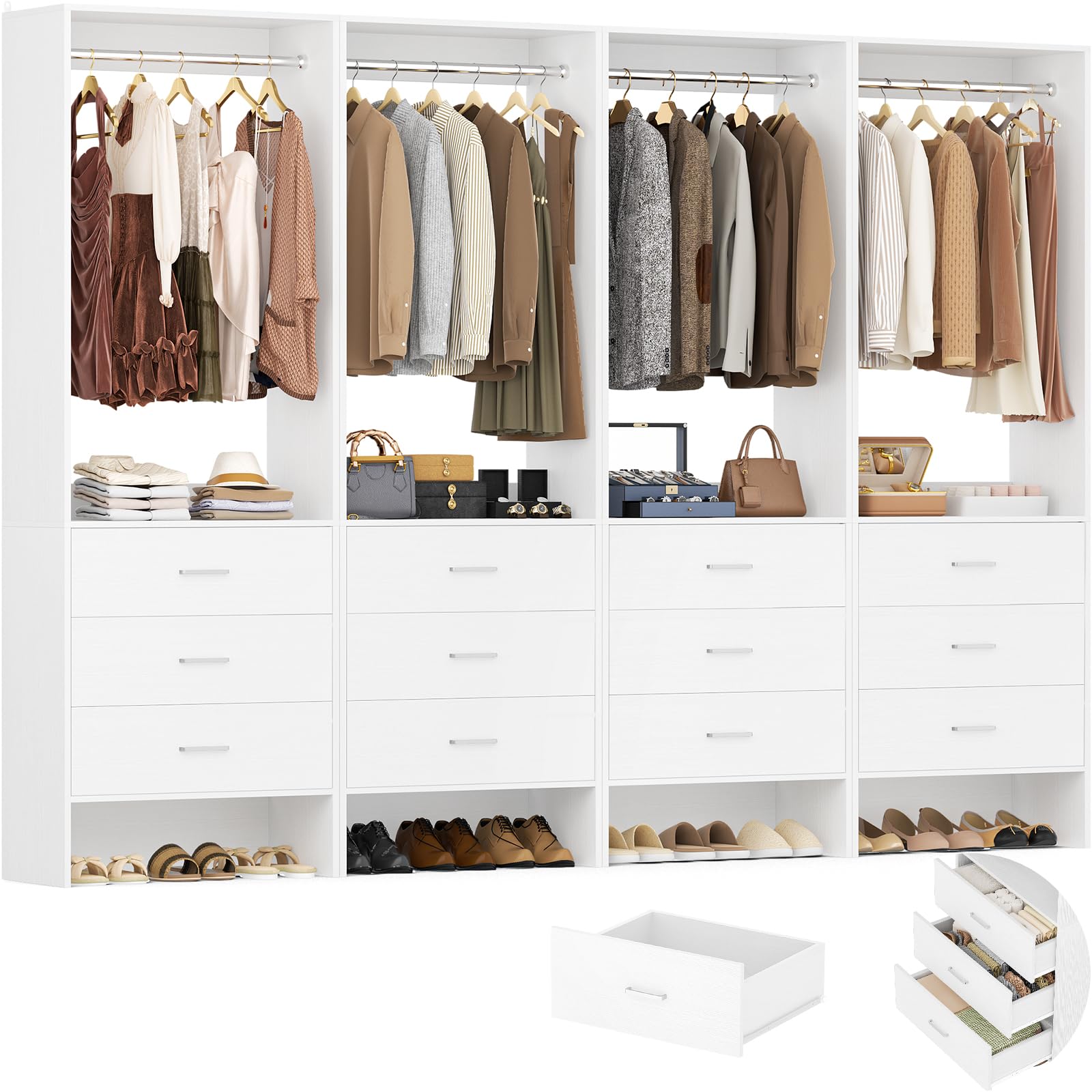

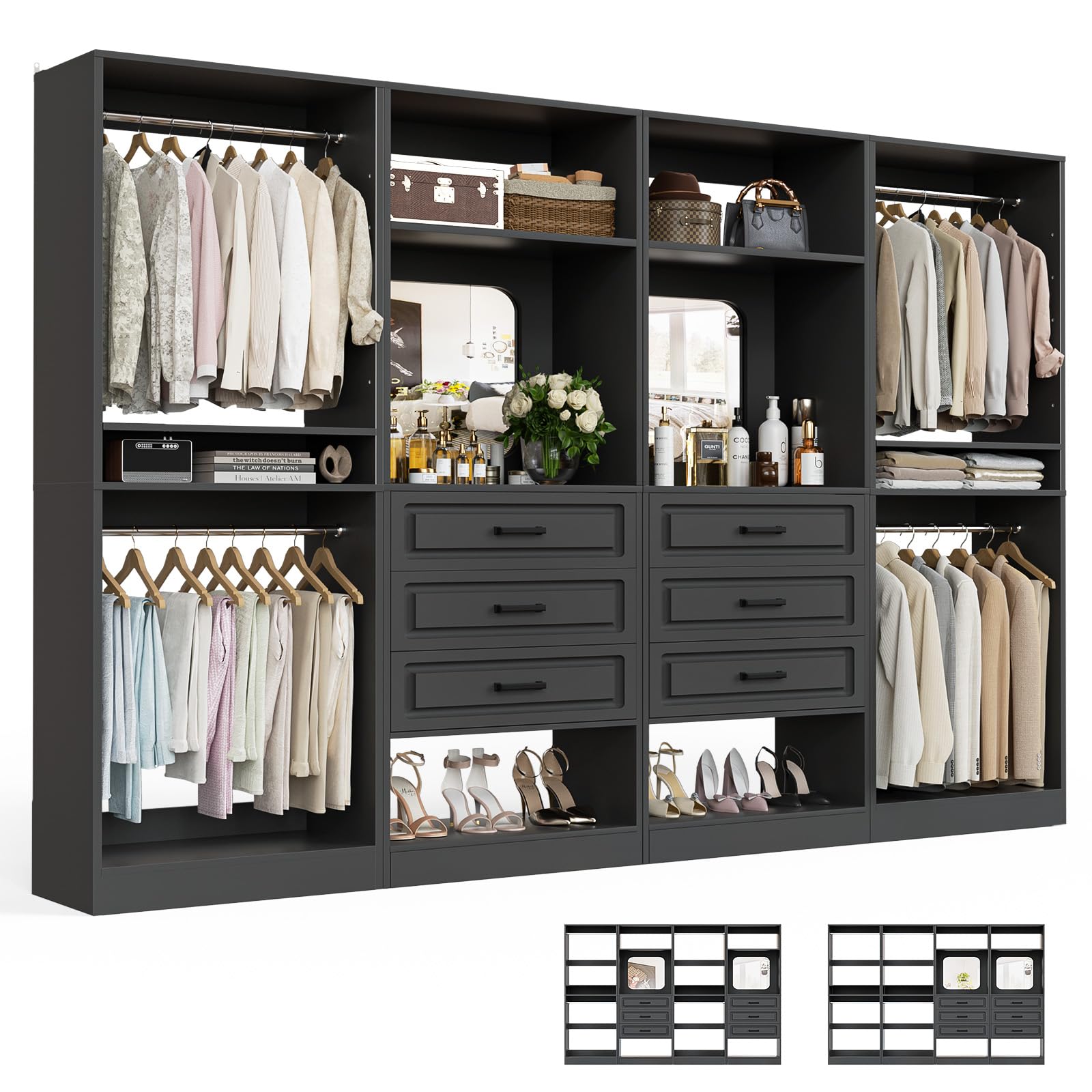


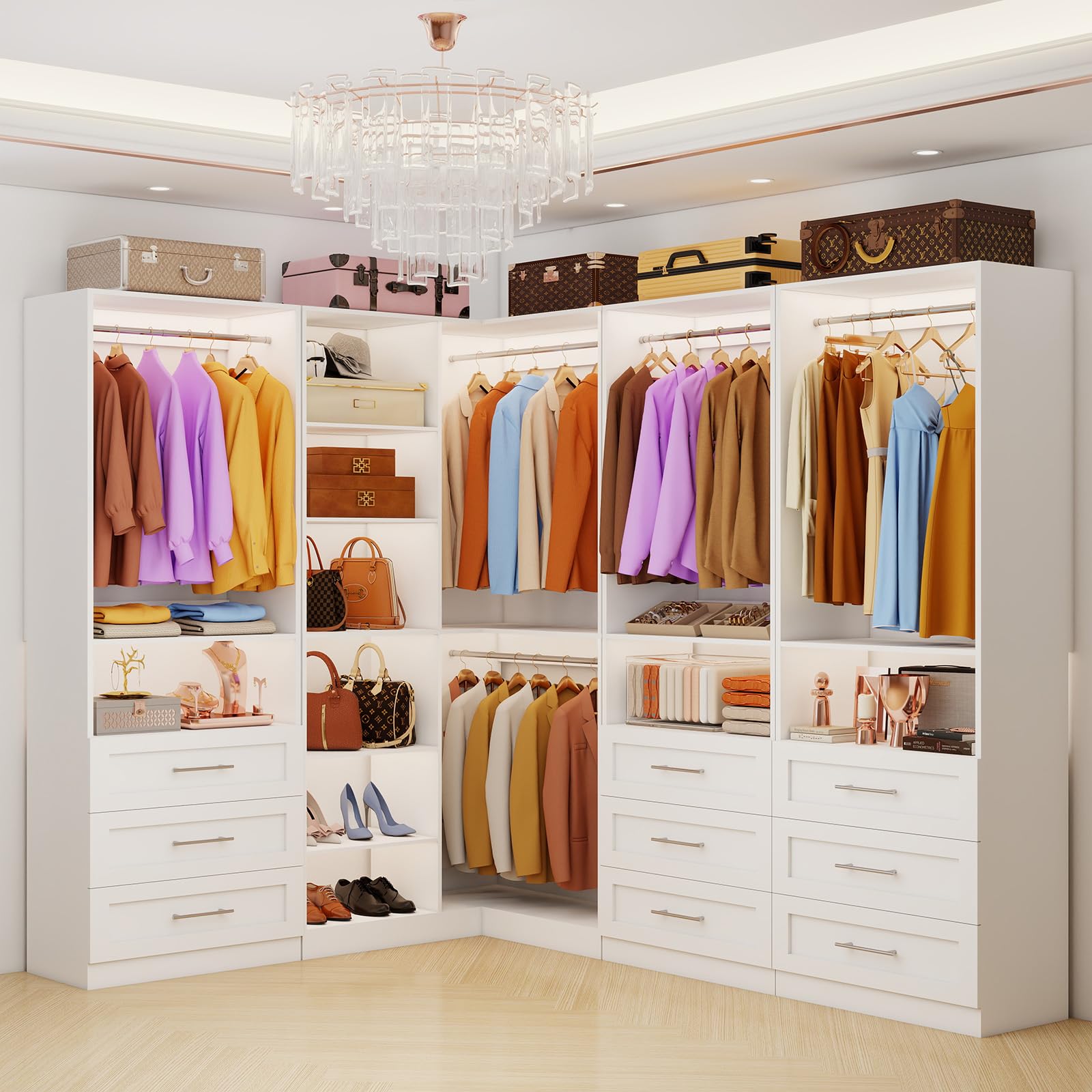
Types of Closet Systems Compared
Use the table in this section as a starting point, then read the type descriptions to see which layout suits your habits. A system that looks neat in a photo may not suit a wardrobe full of long coats, or a shared closet with two very different users.
| Type | Best For | Pros | Cons | Typical Price |
|---|---|---|---|---|
| Wall mounted systems | Small rooms and renters who want flexibility | Adjustable height, easy to change | Needs strong wall fixing | around $150 |
| Freestanding wardrobe systems | Rooms with no built in closet | No wall fixing, easy to move | Uses more floor space | around $250 |
| Built in systems | A lasting, tidy fitted look | Uses the full wall, very stable | Hard to move or change | around $600 |
| Modular systems | Changing wardrobes and shared closets | Parts can be added later | Can look less uniform | around $350 |
Wall Mounted Systems
Wall mounted systems use rails or panels fixed to the wall, with shelves, rods, and drawers that hang from them. They leave the floor clear, which makes cleaning easier and helps a small room feel larger. They also let you change shelf heights as your wardrobe changes, without rebuilding the whole closet.
The main limit is wall strength. Heavy clothes, full drawers, and long rods put real force on fixings, so you must use the fixing type the maker recommends for your wall material. If you are unsure about studs, masonry, or plasterboard, seek advice before loading the system. A well fixed wall system feels solid, while a poorly fixed one can sag or pull away.
Freestanding Wardrobe Systems
Freestanding systems stand on the floor and do not need wall fixing to hold their shape, although tall units should still be anchored for safety. They suit rooms with no closet, rented homes, and spaces where you may move furniture later. Many come as open frames with shelves and rods, while others include doors or covers.
Freestanding units use more floor space than a wall system, and they can look bulky in a narrow room. Check the depth as well as the width, because hangers, folded clothes, and doors all need clearance. If the unit is tall, follow the maker guide for anchoring, especially in homes with children.
Built In Systems
Built in systems are fitted to the exact wall and ceiling of a closet or alcove. They use the full height and width, leave few gaps, and can include drawers, shoe shelves, and long hanging sections in one tidy layout. They suit owners who want a lasting solution and have a clear sense of what they store.
The trade off is flexibility. A built in system is hard to move, and changing it later can mean repair work to walls. Measure carefully before ordering, and plan for doors, light switches, vents, and skirting boards that may affect the fit. If you may move soon, a modular or wall mounted system is often the safer choice.
Modular and Adjustable Systems
Modular systems use separate units that can be combined, moved, and added to over time. You might start with a rod and two shelves, then add drawers or shoe racks later. This approach suits shared closets, growing wardrobes, and people who are still learning what layout works for them.
Modular parts from one range usually fit together, but parts from different ranges may not. Before you buy, check that extra shelves, rods, and drawers will still be available in the same size and finish. A modular system is only flexible if you can add to it later without starting again.
Higher Priced Systems Compared With Mid Priced Systems
Higher priced closet systems usually offer thicker panels, smoother drawer runners, better finishes, and more size options. Mid priced systems often use the same basic layout but with lighter materials and fewer extras. The difference shows most in daily use, such as how smoothly a drawer closes and how well a shelf holds heavy items without bending.
Price alone does not tell you which system fits your room. A mid priced wall system with good fixings can outlast a costly built in system that was measured badly. Compare weight limits, panel thickness, and the quality of rods and brackets, then match those details to what you actually store. If your wardrobe is light and simple, mid priced options may be all you need.
How to Choose the Right Closet System
Start with what you own, not with a photo of a finished closet. Count long items, short hanging items, folded items, shoes, and bags. That count tells you how much hanging space, shelf space, and drawer space you really need, and it stops you from buying a system that looks good but stores little.
Size and Layout
Measure the width, height, and depth of the closet or wall, and note any obstacles such as doors, vents, or sloping ceilings. Hanging clothes need depth for hangers to swing, while folded clothes need shelves that are not so deep that items get lost at the back. Leave room to reach the top shelf safely, and avoid placing everyday items where you need a step to reach them.
Plan zones by use. Put everyday clothes at eye level, seasonal items higher up, and heavy items lower down. Shoes deserve their own zone, and our guide to the best shoes closet can help you plan shoe storage that keeps pairs visible and easy to reach. A clear zone plan makes a small closet feel larger, because every item has a place.
Build Quality and Materials
Closet panels are often made from coated board, solid wood, metal, or wire. Coated board is affordable and tidy, but it can sag under heavy loads if shelves are too long. Metal and wire systems handle weight well and allow air flow, but they can look less finished and may mark delicate clothes. Solid wood looks warm and lasts well, but it costs more and weighs more.
Check the details that carry weight. Rods should be thick enough not to bend, brackets should be rated for the load, and drawer runners should move smoothly when full. Ask about the finish too, because a rough edge can snag clothes. The product table above can help you compare materials, but the maker guide gives the weight limits that matter most.
Ease of Use and Setup
Some closet systems need only basic tools and an afternoon, while others need careful measuring, wall fixing, and leveling. Wall mounted and modular systems are often easier for a confident home user, while built in systems may need more skill or professional help. Read the maker guide before ordering to see what tools and skills are required.
Think about daily use as well as setup. Can you reach your clothes without moving other items? Do drawers open fully? Do doors or covers block light? A system that is easy to install but hard to use every day is not a good buy. If possible, sketch the layout on paper first and walk through a normal morning routine in your mind.
Intended Use and Who It Is For
A single user with a simple wardrobe needs a different system from a couple sharing one closet, or a family using a hall closet for coats and bags. Shared closets need clear zones for each person, or one person will soon take over the best space. A child closet needs lower rods and shelves that can be raised as the child grows.
Renters should favor systems that can be removed without major wall repair, while owners can invest in a fitted layout. If you work from home, you may also need space for bags, work clothes, and accessories near the door. Match the system to the people who use it, not just to the room it sits in.
Maintenance and Long Term Costs
Closet systems need little care, but they do need regular checks. Tighten fixings now and then, wipe shelves, and check for sagging or bending before a shelf fails. Wire systems may need liners to stop small items falling through, while board systems may need edge protection in damp rooms.
Long term costs include extra shelves, drawers, boxes, and hangers that help the system work well. A cheap system that needs many add ons can soon cost as much as a better planned one. Keep spare fixings and the maker guide, so you can add parts later in the same range and finish.
Picking the Right Closet Systems for Different Uses
Different rooms call for different layouts. A bedroom closet needs hanging space and drawers for daily clothes, while a hall closet needs strong hooks and shelves for coats and bags. A dressing area needs good lighting, a mirror space, and room to lay out outfits. Start with the room, then choose the system that serves it.
Best Mounted Closet Systems: Which Type Works Best
Best mounted closet systems work best when the wall can carry the load and the layout can change over time. Wall mounted rails suit small rooms because they leave the floor clear and let you move shelves as needs change. For heavy wardrobes, choose wider rails, more fixings, and shorter shelf spans so weight is spread evenly. Always follow the maker guide for fixing type and wall anchoring, and check fixings after the first few weeks of use.
Tips to Get the Most From Your Closet System
Read the manual before first use, even if the system looks simple. The manual explains weight limits, fixing types, and the order of assembly, and skipping it is a common cause of sagging shelves. Clean and inspect the system regularly, and store items in a dry place to protect clothes and panels.
Use boxes and dividers to keep small items tidy, and label seasonal boxes so you can find them later. Leave a little empty space on each shelf, because a closet packed to the edge is hard to use and hard to keep tidy. Revisit the layout once a year, and move shelves or rods as your wardrobe changes.
Frequently Asked Questions
How long does a closet system last?
A closet system can last many years when it is fixed well and used within its weight limits. Wall mounted systems last longest when fixings suit the wall and shelves are not overloaded. Signs of wear include sagging shelves, loose brackets, and drawers that stick. If a bracket pulls away from the wall, unload that section, refix it before using it again, and check fixings regularly to catch small problems early.
What features matter most when buying closet systems?
The features that matter most are size fit, weight capacity, adjustability, and material quality. A system that fits your wall and holds your clothes without sagging will serve you better than one with extra extras you never use. Adjustable shelves matter because wardrobes change, and good rods and brackets matter because they carry the daily load. Finish matters too, because smooth edges protect clothes and make cleaning easier.
How much should I spend on a closet system?
Spend based on room size, wardrobe weight, and how long you plan to stay. Simple wall mounted systems start at about $150, modular systems often cost about $350, and fitted built in systems can cost about $600 or more. Add the cost of boxes, hangers, and extra shelves to your budget. A mid priced system with good fixings often offers the best value, while a very cheap system may need replacing sooner.
How do I maintain a closet system?
Maintain a closet system by dusting shelves, checking fixings, and keeping the space dry. Tighten brackets and screws when they loosen, and wipe spills quickly to protect coated board. Do not overload shelves, and spread heavy items across more than one shelf, adding liners for small items if you use wire shelves. Keep the maker guide so you can order matching parts later.
Are expensive closet systems worth it?
Expensive closet systems are worth it when you need a lasting fitted layout, heavy load capacity, or a finish that matches the room. They often use thicker panels and smoother hardware, which shows in daily use. For a simple wardrobe or a rented home, a mid priced adjustable system may offer similar storage for less money. Judge value by fit, strength, and flexibility, not by price alone.
Wrapping Up
The best closet system is the one that fits your wall, holds your wardrobe without sagging, and stays easy to use every day. Measure first, plan zones by use, and choose materials and fixings that suit the weight you will store. A flexible wall mounted or modular system suits many homes, while a built in system suits owners who want a lasting fitted look.
Before you order, check the maker guide for weight limits, fixing types, and wall anchoring advice. A best closet system should make mornings easier, not add a new chore. Use the product table above to compare types, then choose the layout that matches your room, your clothes, and your budget.