Best Closet Organizer With Drawers 2026: Types and Buying Guide
Disclosure: We may earn a commission when you buy through links on this page, at no extra cost to you. As an Amazon Associate I earn from qualifying purchases. Learn more

Choose the best closet organizer with drawers by measuring first, then comparing drawer layout, glide quality, frame strength, and price.
Shelves and hanging rods handle coats and dresses well, but they leave folded clothes, socks, and small items in messy piles. Drawers solve that problem by giving each category a closed home that stays tidy when you open the closet door. This guide explains how to choose the best closet organizer with drawers for your space, your clothes, and your budget. The comparison table below sums up the main types, and the sections that follow cover fit, materials, drawer quality, and price.
A good drawer unit does more than add storage. It lets you retire a bulky bedroom dresser, sort items you use daily, and keep delicate pieces out of sight and away from dust. The right choice depends on measurements first and style second, so start with your closet dimensions.



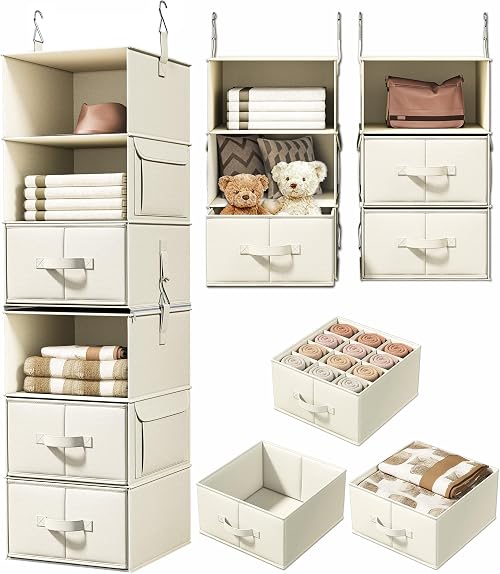
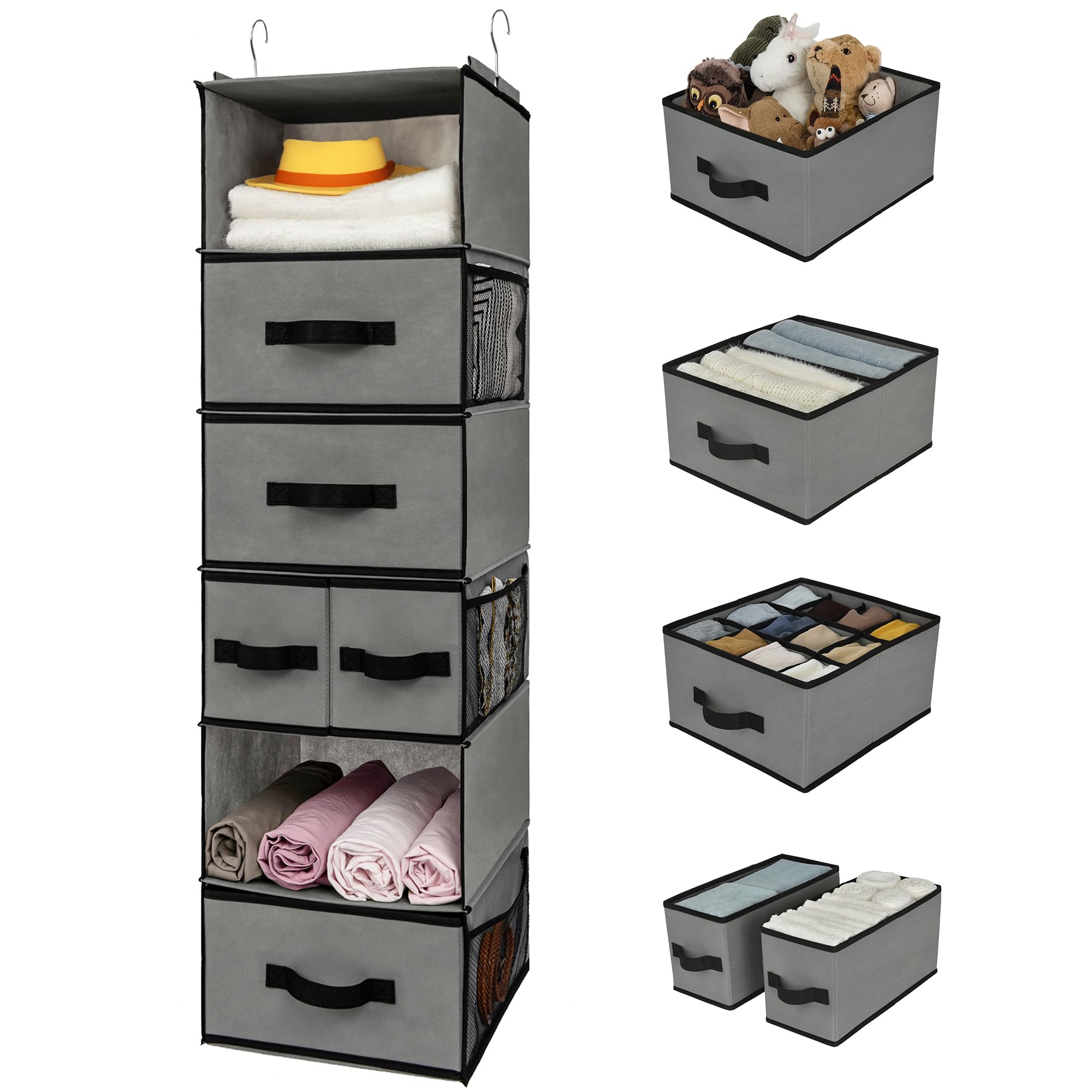

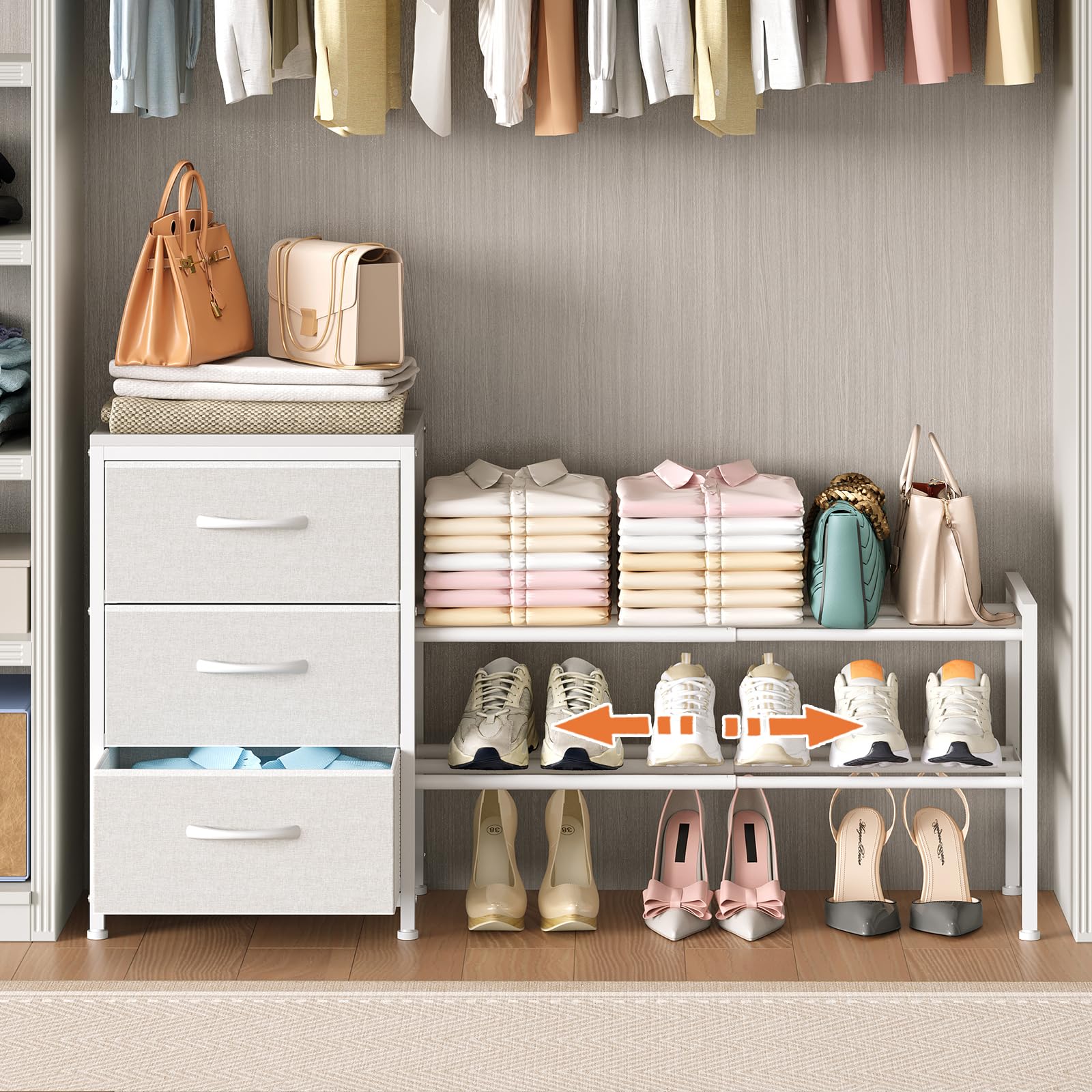
Who Should Buy a Closet Organizer With Drawers?
Drawers suit anyone whose closet holds more folded clothing than hanging clothing. If you are still weighing drawer units against simpler shelf and rod setups, our broader guide to the best closet organizer options gives useful background before you narrow your choice here.
Owners of Small Reach In Closets
A compact tower with two or three drawers can replace a small dresser and free floor space in a tight bedroom. You gain hidden storage for underwear, sleepwear, and workout clothes without giving up much hanging room. Choose a narrow unit that leaves at least one full rod section untouched. Shallow drawers work best here, since deep boxes waste the limited depth of a standard reach in closet.
Walk In Closet Owners Who Want a Dresser Island Feel
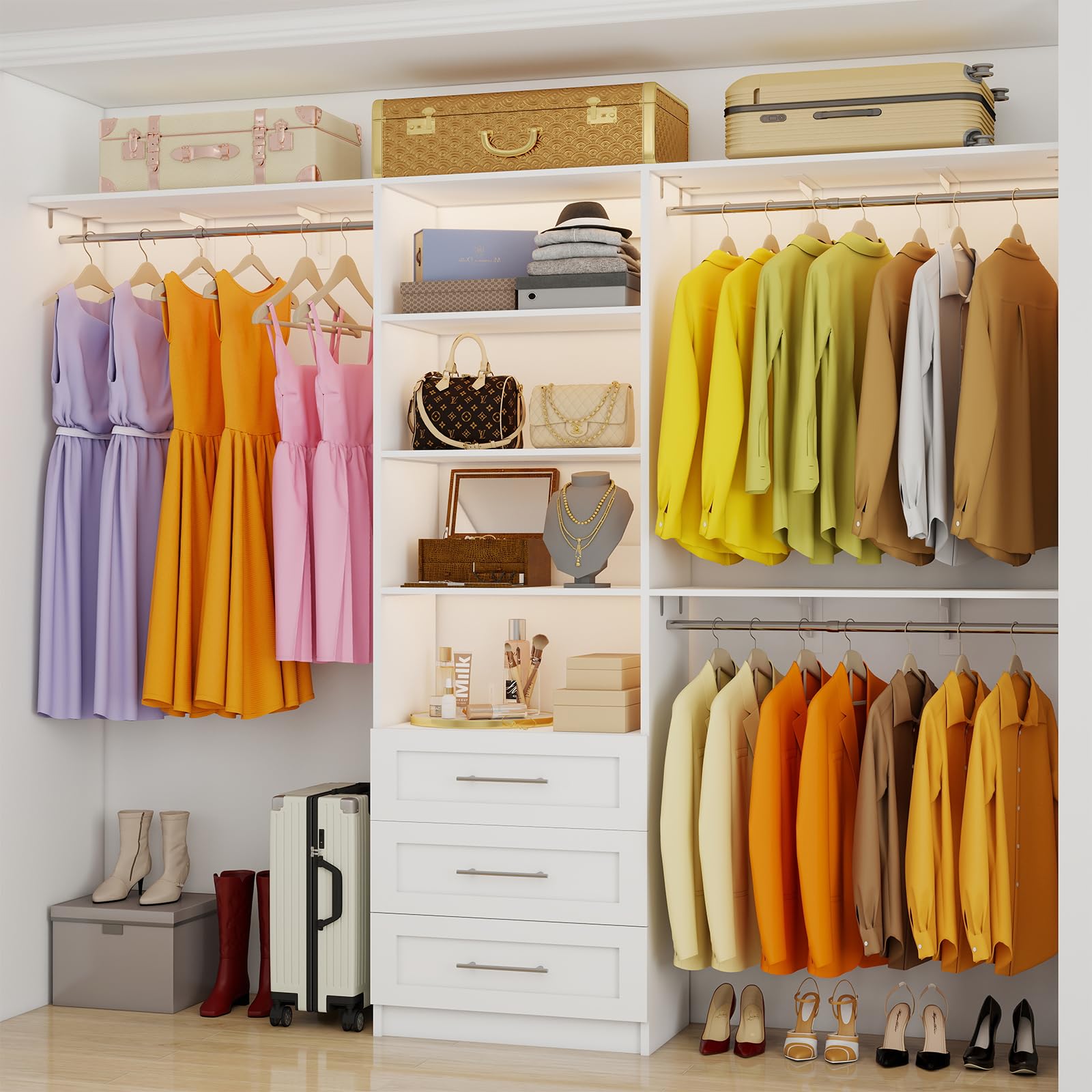
In a larger closet, a wide drawer bank anchors one wall and works like a dresser, with shelves or rods above it. You can fold most of your wardrobe, keep a clear surface on top for a tray or watch box, and sort outfits faster. For layout ideas for larger rooms, see our guide to the best walk in closet organizer designs and how they divide space.
Renters and Shared Bedroom Users
A freestanding drawer unit needs no drilling and moves with you when a lease ends, which makes it a smart pick for renters. In a shared closet, separate drawers also give each person private storage, so socks and personal items stop mixing on open shelves. Look for a unit you can lift with a partner and that fits through a standard door without full disassembly.
Types of Closet Organizers With Drawers Compared
Drawer organizers fall into three broad types. Each type fits a different closet, budget, and level of commitment, and none of them requires buying a named brand to work well.
Modular Tower Systems
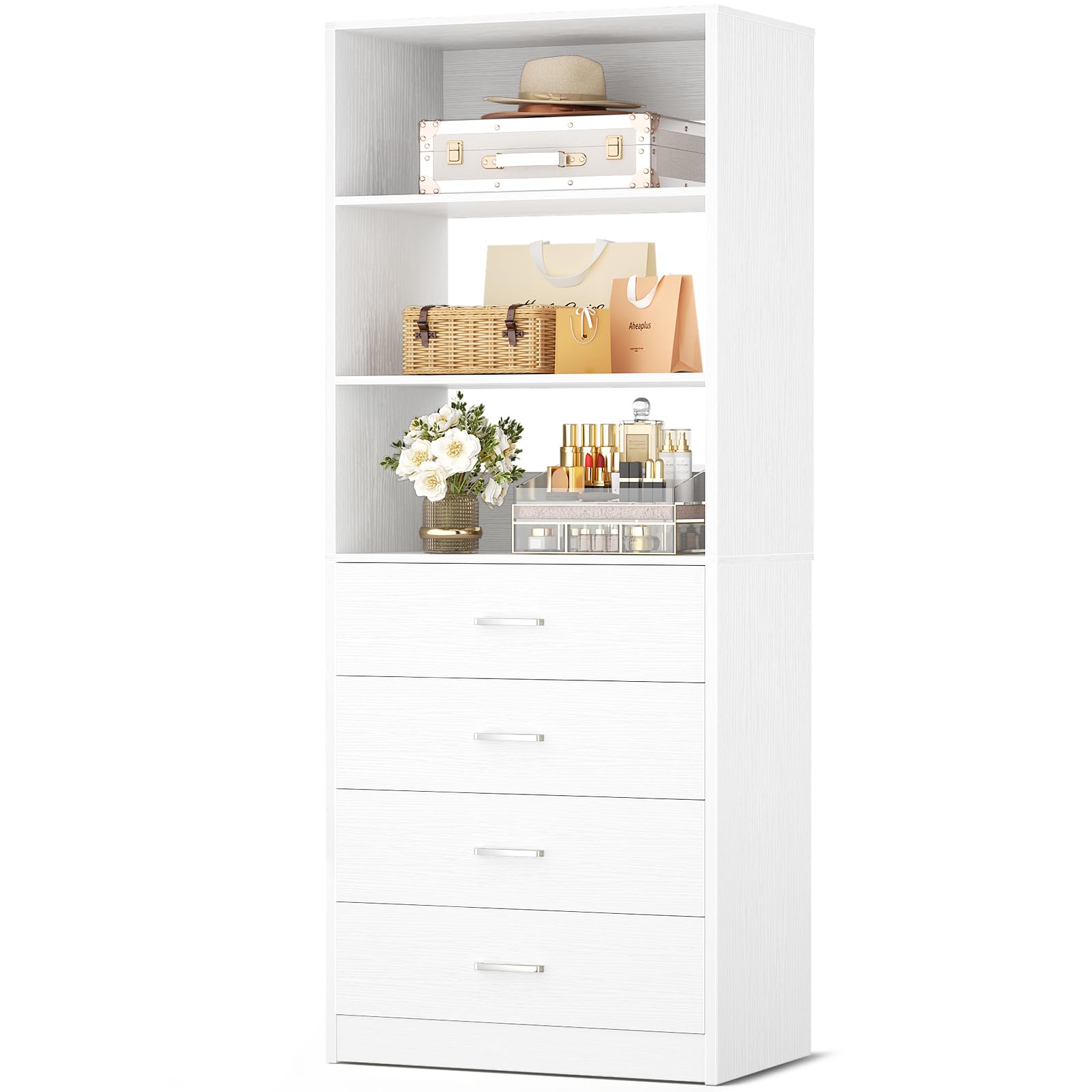
A tower is a vertical frame with drawers in the lower section and shelves above. Towers suit reach in closets because they use height instead of width. Many systems let you add a second tower or extra shelves later. The trade off is assembly time, since towers have more parts than simple units. Check that the tower width matches your wall stud spacing if you plan to anchor it.
Freestanding Drawer Units
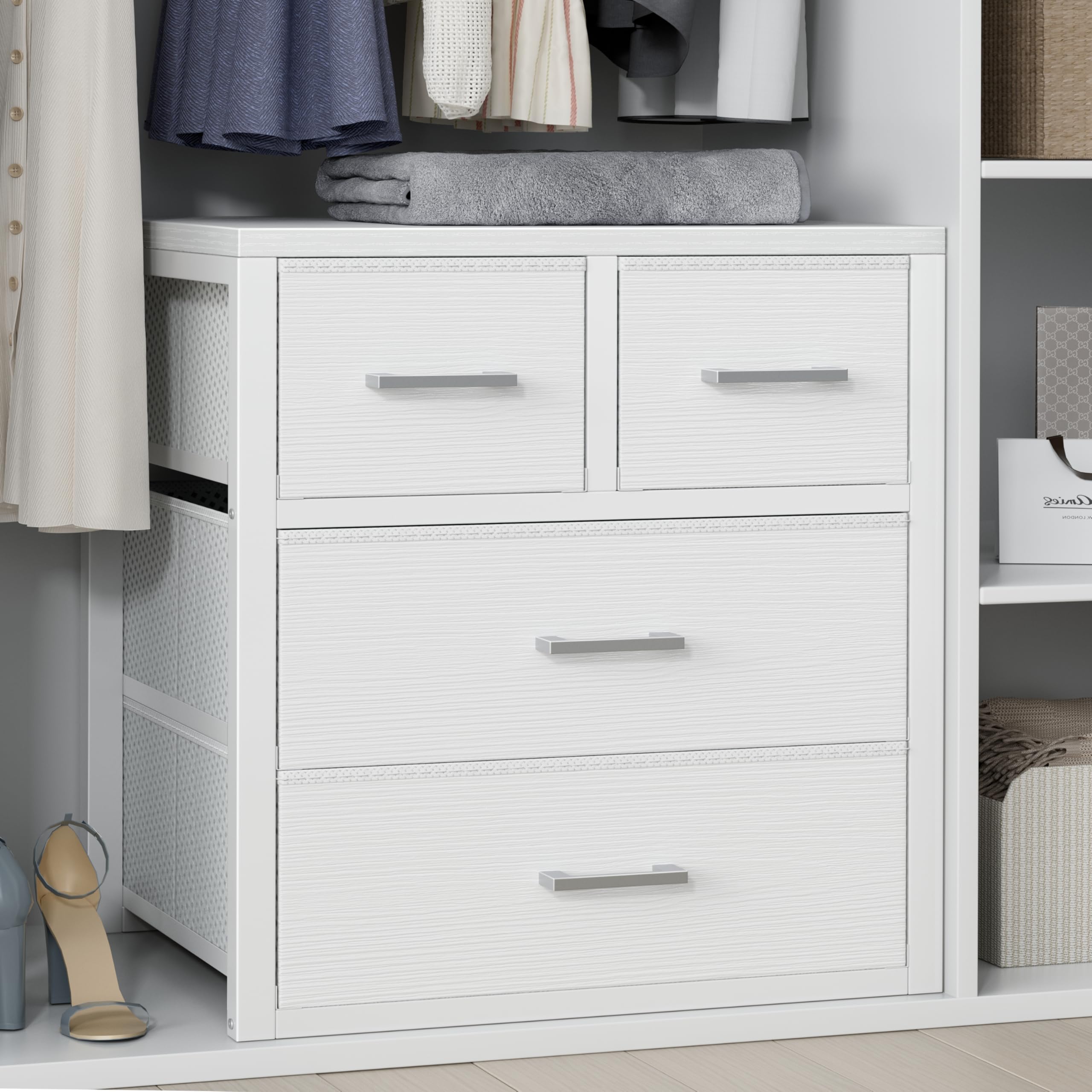
Freestanding units arrive as a chest or cube frame that simply stands inside the closet or against a bedroom wall. They are the fastest option to set up and the easiest to move. Fabric drawer versions cost the least and hold light clothing well, while rigid wood look versions support heavier stacks. If you prefer soft storage for a rod, our guide to the best hanging closet organizer styles covers that alternative in detail.
Wall Mounted and Built In Style Systems
Wall mounted systems hang from a rail or attach to studs, with drawer banks suspended between uprights. They look the most polished and keep the floor clear for shoes or bins. They also demand accurate measuring and solid anchoring, and they stay behind when you move. Choose this type when you own the home and want a long term layout you will not rearrange often.
Key Features to Compare
Four factors decide whether a drawer organizer feels helpful or frustrating after a month of daily use. Compare these before you look at color or finish.
Drawer Count, Size, and Layout
Count what you plan to store before you count drawers. Two deep drawers hold bulky sweaters and jeans, while three or four shallow drawers sort socks, underwear, and T shirts far better. A mixed layout, with one deep drawer below two shallow ones, covers most wardrobes. Check interior depth rather than outside depth, since thick frames and backs can steal an inch or more. Also confirm that a fully open drawer clears the closet door and any sliding door track.
Material and Frame Strength
Common frame materials include solid wood, engineered wood boards, metal tubing, and fabric over a light frame. Solid wood and thick engineered boards feel sturdiest and support heavy drawer loads, while metal and fabric frames cost less and weigh less. Check the listed weight capacity for each drawer, often about 10 to 25 pounds. If you are weighing two large system families, read our closetmaid vs rubbermaid comparison before you commit to one construction style.
Drawer Glides and Hardware
Glides decide how a drawer feels every single day. Simple plastic runners are cheap but can stick when a drawer is full. Metal ball bearing glides open smoothly under load and usually allow fuller extension, so you can reach items at the back. Soft close hardware costs more and prevents slamming, which matters in a bedroom closet used early in the morning. Pull style matters too, since recessed pulls save space in narrow closets where a protruding handle can catch clothing.
Fit, Adjustability, and Ventilation
An organizer should fit your closet with room to spare, not force a tight squeeze. Adjustable shelves and movable drawer positions let you adapt the layout when your wardrobe changes, for example when long coats replace short jackets in winter. Solid drawer fronts keep dust off clothing, while fabric drawers breathe a little more in humid rooms. In a damp closet, leave a small gap behind the unit for air flow and avoid packing drawers so full that air cannot move.
How to Measure and Plan Your Layout
Measure the closet width, depth, and ceiling height, then note door swing and baseboard thickness. Sketch where rods, shelves, and the drawer unit will sit, and leave about 24 inches of depth for hanging clothes. Place drawers where you can open them fully without hitting a door or a laundry basket.
Sort your clothing into piles before you order, and count how many drawer sized piles you actually have. That count tells you more than any product photo. If you enjoy building your own layout from parts, our guide to the best diy closet organizer projects explains how to combine stock pieces into a custom plan.
How Much Should You Spend?
Simple fabric drawer units often cost under $50 and suit light, temporary storage. Sturdier freestanding chests and small towers fall around $100 to $250 and balance price with daily durability. Large modular or wall mounted systems run about $300 to $1000 or more, and you pay for stronger boards, smoother glides, and a finished look. Spend first on glide quality and frame strength, since those parts wear fastest, and save on decorative finishes last.
Do You Really Need Drawers in Your Closet Organizer?
You need drawers if loose small items and folded stacks regularly slide into disorder on your shelves. Bins on shelves are a cheaper fix, but you must lift each bin down to reach items at the bottom. Drawers open at waist height and show the full contents at once. If nearly everything you own hangs, though, extra rod space will serve you better than a drawer bank you rarely fill.
Common Mistakes to Avoid
- Buying before measuring, so the unit blocks the door swing or leaves drawers unable to open fully.
- Choosing deep drawers for small items, so socks and belts vanish into one tangled layer.
- Overloading fabric drawers with heavy jeans, which sags the bottoms and strains the frame.
- Skipping wall anchoring on a tall tower, which can tip forward when top drawers open together.
- Filling every inch with storage and leaving no empty space, so the closet feels cramped and hard to use.
- Ignoring glide quality to save money, then fighting sticking drawers every morning.
How to Make Your Closet Organizer Last Longer
Dust frames and drawer fronts with a dry or slightly damp cloth, and vacuum inside empty drawers a few times a year to remove lint. Keep drawer loads within the stated capacity and spread heavy items across lower drawers. Tighten screws and check glide screws once a year, since daily opening slowly loosens hardware. For fabric drawers, spot clean spills promptly and let the fabric dry fully before refilling. If a glide starts to stick, clear lint from the track before you consider replacing any part.
FAQ
What is the best closet organizer with drawers for a small closet?
For a small closet, a narrow tower with two or three shallow drawers usually works best. It uses vertical space, leaves room for a hanging rod, and keeps daily items sorted. Measure the depth carefully and pick a unit whose open drawers clear the door. A freestanding mini chest is a good fallback when you cannot anchor anything to the walls.
Is a closet organizer with drawers worth it?
Yes, if folded clothing and small items make up much of your wardrobe. Drawers keep those items visible, sorted, and protected from dust in a way open shelves cannot match. The value drops if you mostly hang clothing, because the drawer bank would sit half empty while taking rod space you actually need every day.
How long does a closet organizer with drawers last?
A sturdy wood or engineered board unit can serve for many years with basic care, while light fabric drawers often wear out sooner under heavy daily use. Lifespan depends mostly on load weight and glide quality. Rotating heavy items to lower drawers and keeping loads moderate will extend the life of either type noticeably.
How do you clean a closet organizer with drawers?
Empty one drawer at a time, vacuum loose lint, and wipe the interior with a cloth dampened with mild soap and water. Let every surface dry before you return clothing, since trapped moisture can cause odors. For musty drawers, a few hours of open air in a ventilated room helps more than scented sprays, which only mask the smell briefly.
Can a closet organizer with drawers replace a bedroom dresser?
Often yes, especially in a small bedroom where floor space matters. Count your folded clothing first and match it against total drawer volume, including specialty items like bulky sweaters. Keep in mind that a closet unit gives up the dresser top surface, so plan another spot for the items you currently set down there each night.
Final Thoughts
Start with honest measurements, count the folded clothing you own, and then choose the type and glide quality that fit your daily routine. The product table above pulls the main options together so you can compare drawer counts and sizes at a glance. When the layout matches your wardrobe, the best closet organizer with drawers turns a crowded closet into calm, sorted storage you can maintain in minutes each week.