Best Clog Remover for Tubs by Budget: Smart Picks for 2026
Disclosure: We may earn a commission when you buy through links on this page, at no extra cost to you. As an Amazon Associate I earn from qualifying purchases. Learn more
Compare the best clog remover for tubs by budget, learn what each price tier delivers, which features matter most, and how to clear tough hair clogs safely.
Tub clog products span a wide price range, from simple plastic hair tools to powered drain snakes. Spending more does not always clear your drain faster, because the right choice depends on what is stuck down there. This guide helps you match the best clog remover for tubs to your clog, your pipes, and your budget, so you pay only for the capability you will use.
Most tub clogs are hair and soap residue near the top of the drain, and those yield to cheap tools. Deeper or older blockages call for longer reach, stronger formulas, or professional help instead. The comparison table below lays out the main options side by side, and the sections below explain each price tier.




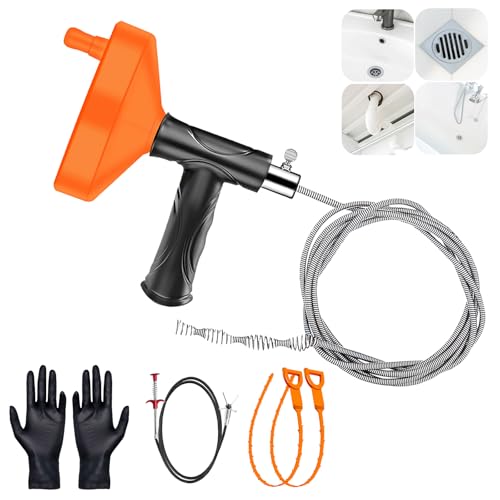
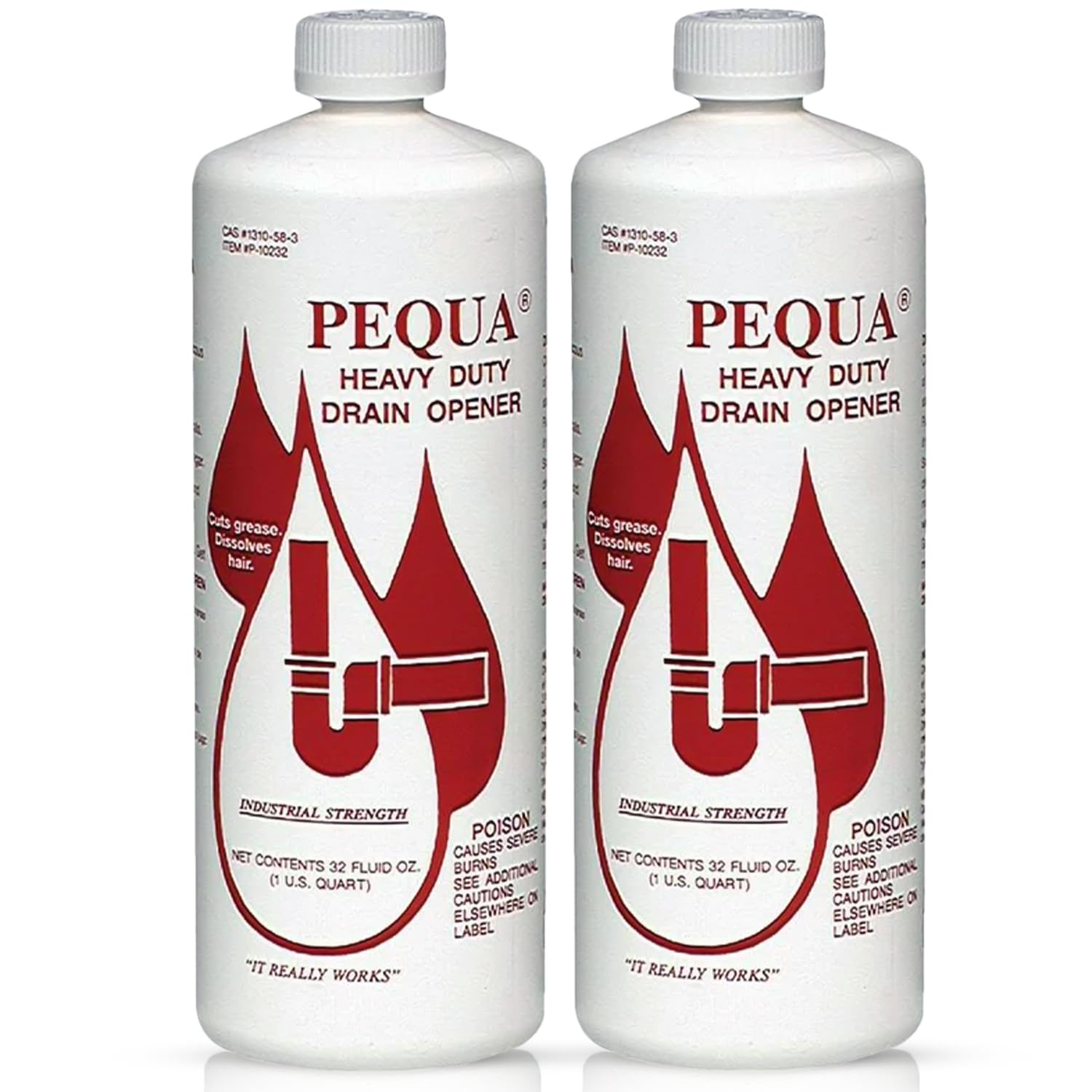
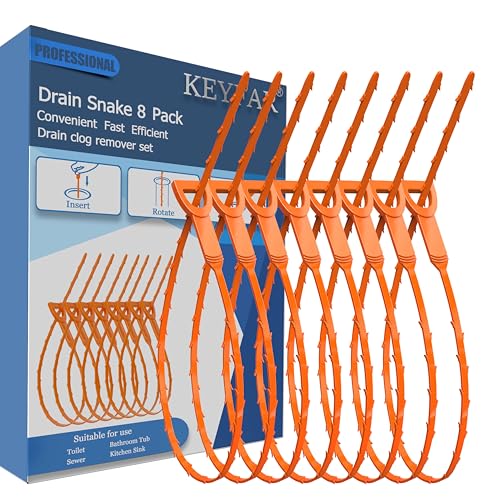

Start With the Clog, Not the Price Tag
Before you compare prices, spend two minutes diagnosing the problem. Watch how the water behaves and check whether other fixtures are affected. That quick diagnosis tells you which product category fits, and it keeps you from buying a strong chemical for a clog a simple tool would pull out in minutes.
When a Simple Mechanical Tool Is Enough
If your tub drains slowly but still empties, and the problem built up over weeks of showers, hair is the usual culprit. A thin barbed plastic strip or a small hand crank snake slides past the stopper, grabs the hair mat, and pulls it out whole. These tools cost very little and work instantly. For most households, this first step often solves the problem completely.
When a Gel or Liquid Formula Makes Sense
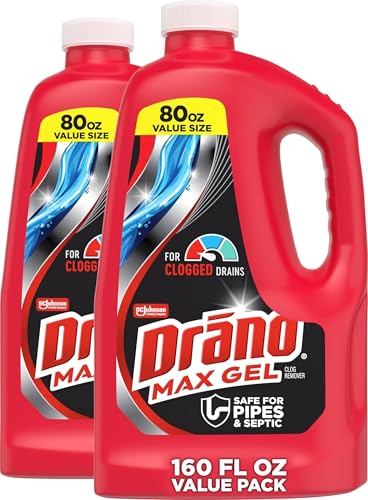
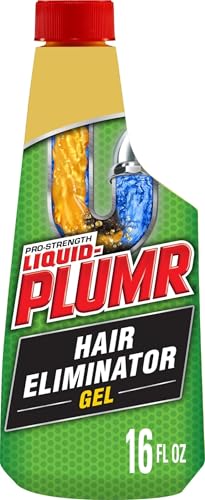
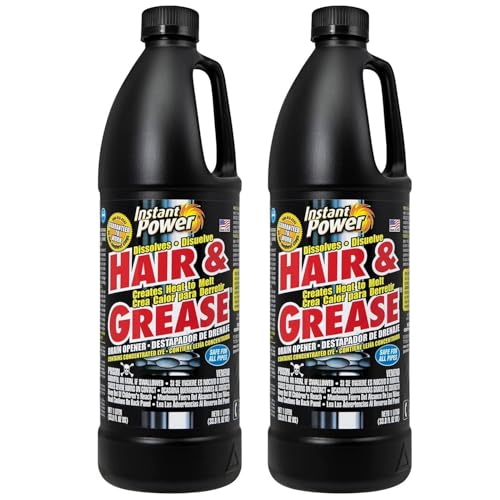
A gel or liquid cleaner earns its place when you cannot reach the clog, or when greasy soap residue coats the pipe walls beyond the hair. Thick gels sink through standing water and cling to the blockage while they work. Enzymatic formulas suit lighter buildup and regular upkeep, and they act slowly overnight rather than in minutes. Choose based on what coats your pipes, not on the boldest claim on the bottle.
When the Problem Sits Deeper Than a Store Bought Product
Some symptoms point past anything on a store shelf. If water backs up in the tub when another fixture drains, if you hear gurgling, or if a sewage smell lingers, the blockage likely sits in a shared line. Tub specific tools cannot reach that far, and repeated chemical doses will not fix it, so that is the moment to call a plumber. For a toilet clog instead, see our guide to the best clog remover for toilets, because toilet clogs need a different tool shape and approach.
What Your Money Gets You at Each Price Tier
Price tiers in this category map closely to reach, strength, and how many uses you get. Two shoppers can both buy the best clog remover for tubs and spend very different amounts, because one needs a disposable strip and the other needs a reusable auger.
Budget Tier: What to Expect
Budget options, generally under $15, cover disposable hair strips, basic plungers, and single bottles of standard gel cleaner. They handle the common hair clog near the drain opening, and a failed attempt costs little. The trade off is durability and reach.
Plastic strips snap if you force them, and a basic gel may need a second dose. For a first attempt on a slow drain, this tier is usually all you need.
Midrange Tier: Where Most Tub Owners Land
Midrange options run about $15 to $40 and include hand crank drain snakes with longer cables, dual action gel formulas, and enzymatic treatments. This tier buys you reach of several feet, reusable tools, and enough formula for more than one treatment. Most households with several long haired family members find this tier the practical stopping point.
Premium Tier: When Spending More Pays Off
Premium options, about $40 to $100 or more, include powered drain augers, professional strength formulas, and complete drain care kits. The extra money buys motorized cable feeding, longer cables for deeper clogs, and accessories that store together. This tier makes sense for landlords and large households with recurring clogs. If your clogs are rare and shallow, premium gear will mostly sit in a closet.
Features Worth Paying For and Ones to Skip
Labels shout about strength and speed, but what decides success is the fit between the product and your drain, your pipes, and your habits. Skip scented variants and bundles with tools for sinks or toilets you do not need.
Features That Matter for Tubs
Tub drains trap hair right below the stopper, so a tool must be thin and flexible enough to pass the crossbars without removing hardware. For liquids and gels, look for a formula that pours through standing water and a bottle size matched to one or two treatments. Reach matters more than raw strength here, because the clog is usually close.
Safety for Pipes, Finishes, and Septic Systems
Check that any chemical formula is labeled safe for your pipe material and for septic systems if you have one. Enzymatic options are the gentlest route for older metal pipes and delicate finishes. Never mix two drain products or use one right after another failed, since the combination can react badly and splash.
Wear gloves, keep the room ventilated, and keep products away from children. If a cleaner splashes into your eyes, rinse with water and seek medical help promptly.
Matching the Tool to Your Drain and Stopper Type
Tubs use several stopper styles, including lift and turn, toe touch, and trip lever designs, and each one changes how a tool enters the drain. Trip lever tubs route through the overflow plate, so a tool that works through that opening suits them better. Note your drain opening width and whether crossbars block entry. A snake cable that is too thick for the opening is useless no matter how well it is built.
Build Quality and Materials
For reusable tools, a stainless steel cable resists rust and kinks better than a bare thin cable, and a solid crank handle survives the twisting a stubborn clog demands. Barbed plastic strips should flex without feeling brittle. For liquids, a sturdy bottle with a secure child resistant cap matters, since it will live under a sink for months.
Common Mistakes to Avoid
- Pouring in a whole bottle at once wastes product and can overwhelm older pipes.
- Using a toilet plunger technique on a tub drain fails to seal around the overflow plate, so the pressure escapes and the clog stays.
- Forcing a stiff snake past the trap can scratch the pipe or push the clog deeper, turning a small job into a plumbing bill.
- Reaching for a chemical cleaner first leaves hair in place, so the drain slows again within weeks.
- Ignoring a slow drain for months lets soap residue harden around the hair, making a simple clog much harder to remove.
- Storing an opened cleaner with the cap loose invites leaks, fumes, and a hazard for kids and pets.
Long Term Costs to Factor In
The sticker price is only part of what tub clog care costs you over a few years. A single bottle of gel treats one or two clogs, so households with frequent buildup pay again and again, while a reusable snake keeps working for years with no refills. Enzymatic maintenance treatments add a small recurring cost but can stretch the time between serious clogs. Factor in replacement hair strips, since most are disposable.
Warranties matter little for consumable cleaners, but they do matter for powered augers and better hand tools. Check the coverage length before paying premium prices. A drain that stays slow lets residue build on pipe walls, and the eventual fix costs far more than early attention.
Care and Maintenance for Your Tub Drain and Tools
Rinse reusable snakes and hair tools right after use, pull off residue, and let them dry fully before storage so metal parts do not rust. Store the tool coiled loosely rather than bent sharply. Keep liquid and gel cleaners upright, sealed, and stored away from heat and from other household chemicals.
Prevention is the part of maintenance that saves the most money. Fit a hair catcher over the drain and empty it after each shower, and flush the drain with hot water once a month to soften soap residue. Surface care is a separate job from drain care, so if the tub itself looks dull, see our guide to the best soap scum remover for tubs for cleaning the surface safely. Brown or orange marks that remain after cleaning usually point to rust, and our guide to the best rust remover for tubs covers that different problem.
Frequently Asked Questions
What features matter most in a clog remover for a tub?
The features that matter most are reach, fit, and pipe safety. The tool or formula has to pass your stopper and crossbars, reach the hair in the drain, and suit your pipe material. One extra point is dose control, since a product that lets you treat a partial clog without using the whole bottle stretches your money across several small problems.
How long should a liquid clog remover sit in a tub drain?
Most standard gels need about 15 to 30 minutes in the drain, while enzymatic formulas work over several hours or overnight. Follow the label for your product, since stronger formulas often need less time, not more. Leaving a cleaner in far longer than directed does not clear more buildup and can stress older pipes.
How do I maintain a tub clog remover tool after each use?
Rinse the tool, strip off the hair and residue, and dry it completely before putting it away. A detail many owners miss is the handle and crank area, where damp residue collects and starts to corrode, so wipe it too. Store the tool somewhere dry and out of reach of children, since sharp barbs and cable tips can scratch skin and tub finishes.
Are expensive clog removers for tubs worth the extra cost?
Expensive options are worth it only when your clogs are deep, frequent, or spread across several bathrooms you maintain. A powered auger earns its price in a rental property, where its longer cable reaches clogs that defeat hand tools. For a single tub with an occasional hair clog, the extra reach and power solve nothing that a modest tool cannot. Match the spending to your clog history, not to the worst clog you can imagine.
How much should I spend on a clog remover for a tub?
Most households should plan on about $10 to $40, which covers a good hand snake, a strainer, or a quality gel. Spend at the low end if your drain has just begun to slow, and at the higher end if clogs return every few months. Keep a small reserve in case the clog sits deeper than expected, since that discovery changes the total cost more than the product price does.
Can a clog remover for a tub damage pipes or a septic system?
Yes, the wrong product can, which is why the label check matters before you pour or insert anything. Chemical cleaners used too often can wear on older metal pipes, and a stiff tool forced through the trap can damage joints. Products marked septic safe break down without harming the bacteria your system needs. If your home has old or fragile plumbing, an enzymatic cleaner and a gentle hand tool are the safer pairing, and a plumber is safer still.
Final Thoughts
Good value in this category comes from a simple order of operations. Diagnose the clog first, start with the least aggressive product that fits it, and step up a tier only when the cheaper approach falls short. The product table above can help you compare reach, type, and price.
If your drain is a full bathtub fixture with an overflow assembly, our closely related guide to the best clog remover for bathtubs adds detail on that setup, and for discoloration left behind, see our guide to the best stain remover for tubs. Choose the best clog remover for tubs for your actual clog, and your drain should stay clear with little repeat spending.