Best Clog Remover for Toilets of 2026: Complete Buying Guide
Disclosure: We may earn a commission when you buy through links on this page, at no extra cost to you. As an Amazon Associate I earn from qualifying purchases. Learn more

Compare toilet clog remover types, safety rules, and prices to choose a plunger, auger, or liquid option that fits your bowl, pipes, and septic system.
A toilet that will not clear turns a normal morning into an urgent problem, and rushing at it with the wrong product can make the blockage worse or damage the bowl. This complete guide walks through the safe order of effort, the main tool and formula classes, and the fit checks that matter before you spend anything. The best clog remover for toilets for your home depends on where the blockage sits, what your pipes can tolerate, and whether you have a septic system.
Use the comparison table below to see the main classes side by side, then read the safety notes before you buy. A calm first attempt with the right tool clears most household clogs without any chemical at all.






Start With Safety, Then Work in the Right Order
Never mix cleaning chemicals. Read that rule plainly and follow it without exception, because mixing one chemical class with another can create a dangerous gas that harms lungs and eyes. The label on the product in your hand is the governing document, so read it fully before you open the cap and follow its limits on amount, wait time, and ventilation. If a product was already poured by someone else, do not add a second one.
Never Mix Products, and Let the Label Govern
Keep only one chemical product in play at a time, and never combine a toilet formula with a bleach cleaner, an ammonia cleaner, or any other bottle from under the sink. If the first product did not clear the clog, adding a different one on top does not double the effect, and it can create fumes or a violent reaction inside a bowl you cannot empty quickly. Wait the full time the label states, flush only if the label allows it, and ventilate the room. Store every bottle upright, capped, and out of reach of children.
Mechanical Tools Answer Most Toilet Clogs
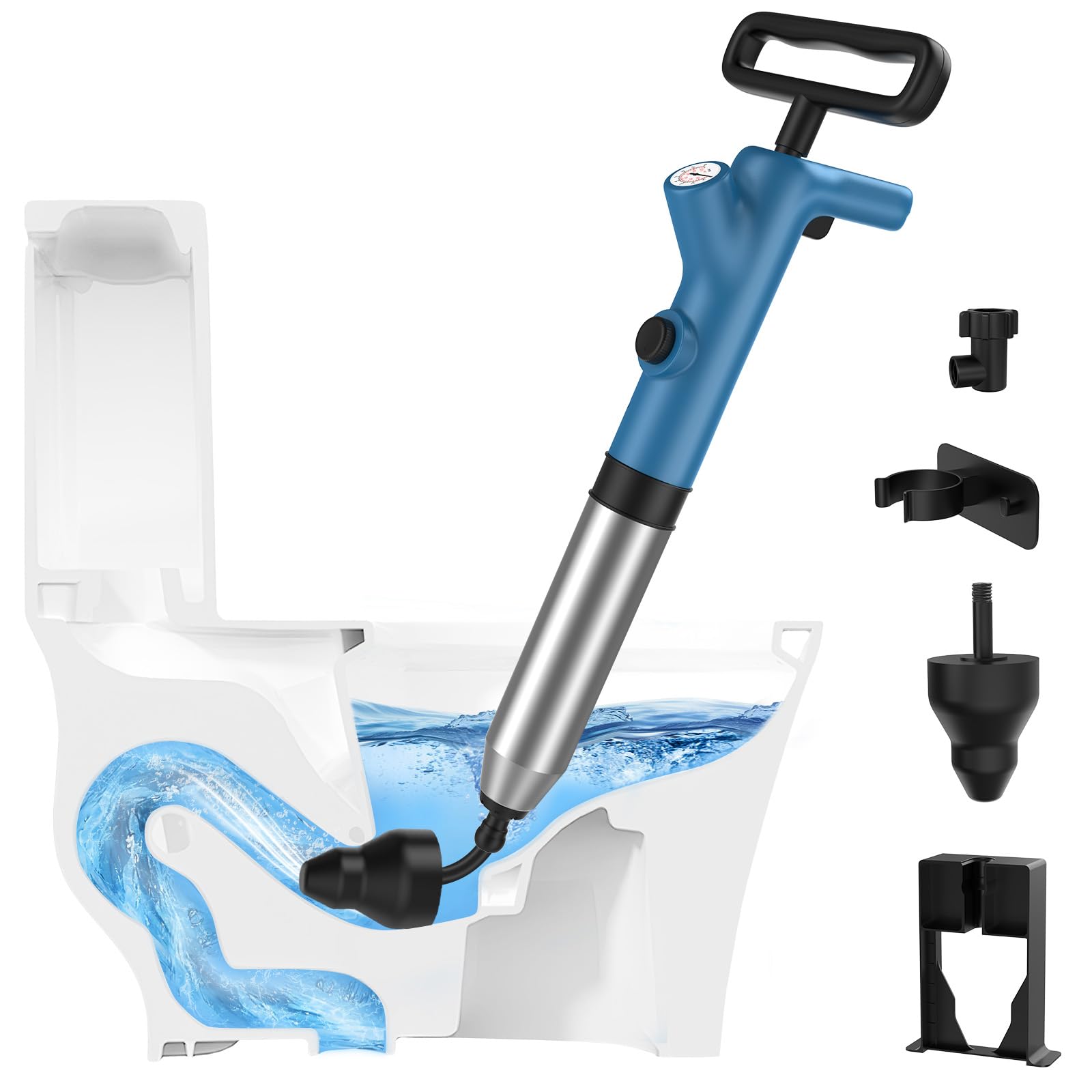
A clog is a blockage, usually a mass of paper and waste caught in the curved trap inside the toilet or just beyond it. The mechanical classes answer most toilet clogs, starting with a plunger class made for toilet bowls and moving to an auger class when plunging fails. Chemical classes are the narrower tool, useful only for the kinds of buildup their labels name and always within label limits. That order matters, because mechanical force works on the blockage itself while chemicals work slowly and only where they can reach.
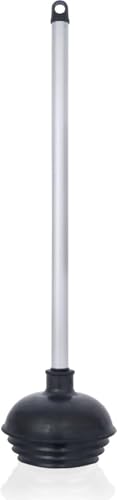
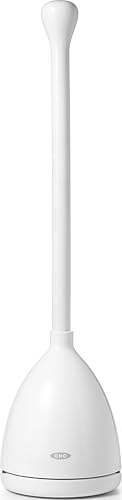
A flange plunger seals against the bowl outlet and moves water back and forth to loosen the mass. A closet auger feeds a cable through the trap and can hook or break apart material that a plunger cannot shift. Readers comparing a toilet tool with a smaller sink tool can see our guide to the best drain clog remover for toilets for how the shapes and uses differ. Keep the two jobs separate, because a small flat sink plunger rarely seals a toilet bowl well.
When the Honest Next Purchase Is a Plumber
A clog that keeps returning is a pipe problem, not a product problem. Roots in an outdoor line, a sagging run, a venting fault, or an object lodged deep in the system will defeat every bottle and hand tool you buy. In that case a plumber is the honest next purchase, and paying for a camera inspection often costs less than repeated products that never had a chance. Septic systems also narrow the chemical choice, since strong formulas can upset the bacteria a septic tank depends on.
A clog is also different from a stain, and confusing the two wastes money. A stain is discoloration on the porcelain that changes how the bowl looks without blocking water, and our guide to the best stain remover for toilets covers that surface problem on its own terms. Rust colored marks belong in that same stain framing, as the guide to the best rust remover for toilets explains, and no stain product will move a true blockage.
How to Choose the Right Clog Remover: A Complete Buying Guide
For most homes the best clog remover for toilets purchase is a proper flange plunger first, a closet auger second, and a label approved liquid only for the narrow jobs described below. Prices stay modest for hand tools, at about $10 to $40, while liquids run about $8 to $25 per bottle.
Features That Matter for Toilets
Toilet traps curve tightly, so reach and shape matter more than raw strength. A plunger needs a flange that folds out to seal the bowl outlet, and an auger needs a cable long enough to pass the trap, commonly about 3 to 6 feet for home models. A protective sleeve or a vinyl coated cable section helps guard porcelain where the cable enters the bowl.
For liquids, the feature that matters is the list of materials and pipe types the label approves. Check that the formula names toilets at all, since many drain liquids are written for straight sink and tub lines and say nothing about toilet traps.
Material and Construction
Plunger cups come in rubber and in softer synthetic blends, and firmer rubber usually holds its shape and seal longer. Auger cables are steel, often with a coiled outer layer that flexes through the trap while resisting kinks. The crank housing and handle are usually molded plastic, which is fine as long as the grip turns smoothly under load. A rust resistant finish on exposed metal parts helps in a damp bathroom.
Durability and Care
Rinse a plunger or auger cable with clean water after each use and let it dry fully before you put it away. Drying matters, because a wet cable stored in a closed housing can rust and then stain porcelain on the next use. A simple bucket or a washable storage bag keeps drips off the floor while the tool dries.
Size and Fit
Fit starts with the bowl. Elongated and round bowls both accept a standard flange plunger, but very small specialty bowls may need a smaller cup to seal well. Auger length should match the job, with a longer cable offering more reach into the line beyond the toilet at the cost of harder handling. If you rent or manage several bathrooms, one sturdy auger often serves all of them.
For liquids, fit means compatibility with your plumbing rather than your bowl. Older metal pipes, porcelain, and septic systems each narrow the list of approved formulas, and the label compatibility chart is where that answer lives.
One related classification is the fixture itself: bowls designed to resist clogging are covered in our guide to the best non clog toilets.
Ease of Use and Control
A good plunger lets you work with steady, controlled strokes rather than frantic splashing. A handle of about knee height when the cup sits in the bowl keeps your back comfortable and your force vertical. Augers reward patience, since feeding the cable slowly and cranking gently protects both the trap and the porcelain. Clear grip markings and a handle that locks the cable between uses make the job calmer.
Performance and What It Really Means
For a plunger, performance means a seal that holds through repeated strokes without breaking loose and spraying. For an auger, it means a cable that turns the trap corner, engages the blockage, and either pulls material back or breaks it apart so water can carry it away. Judge both by whether the flush that follows runs full and fast with no slow swirl. A partial clear that leaves slow drainage is not finished work, so refill and try again or move to the auger.
For a liquid, performance is slower and less visible, and it applies mainly to soft buildup rather than a solid mass. Expect a label wait of minutes to hours, and judge the result by the next normal flush, not by fizz or color change in the bowl.
Labels, Standards, and Septic Claims
Treat the label as a specification sheet. It should name approved uses, pipe materials, dose, wait time, and disposal guidance in plain language you can find quickly. A septic safe claim should say what it is based on, at minimum that the product will not harm septic bacteria when used as directed. Vague claims with no use limits are a warning sign.
Types of Clog Removers Explained
Three broad classes cover nearly every home situation, and each class solves a different part of the problem. Bathtub clogs show the contrast well, since a tub trap catches hair and soap in a shallow line that a small hand tool can reach, a class contrast covered in our guide to the best clog remover for bathtubs. A toilet trap is deeper and built into porcelain, so it needs tools shaped for that curve.
Compact Tools for Small Bathrooms
A flange plunger is the compact default, standing in a corner or a slim holder beside the toilet and asking for no power and no setup. It suits apartments, guest baths, and any room where storage is tight. For most homes this simple tool ends the problem in minutes.
Lower Impact Options
Enzyme based liquids and careful mechanical work are the lower impact routes. Enzyme formulas use biological action on organic buildup and are often the class labels approve for regular maintenance in septic homes, though they work slowly and will not clear a solid blockage. Mechanical tools have no chemical impact at all and can be reused for years.
Everyday Value Options
Everyday value means one sturdy plunger, one mid length auger, and no shelf of half used bottles. That kit costs about $25 to $60 in total and covers paper clogs, soft blockages, and many lodged items the auger can hook back. Value here is coverage per dollar, not the lowest price on the shelf.
Choosing a Remedy for Your Situation
Match the remedy to the blockage type and to your plumbing, not to the boldest claim on the shelf. The two situations below cover the questions shoppers ask most often.
Best Liquid Clog Remover for Toilets
Choosing a liquid option starts with the label, since only formulas that name toilet use and your pipe type belong in the bowl at all. Liquids suit soft, slow buildup rather than a full blockage, and they need the full label wait time without any other product in the water. Check septic approval in writing if you have a tank, and measure the dose instead of pouring freely. If water will not move at all, skip the liquid and reach for the auger.
Best and Strongest Clog Remover for Toilets
Shoppers asking for the best and strongest clog remover for toilets usually face a stubborn blockage, and strength is the wrong first measure for that job. The strongest chemical class brings the strictest label limits, the greatest risk if it meets another product, and no ability to move a lodged object or a dense paper mass. Real strength for a toilet clog is mechanical, in the form of a well sealed plunger and an auger worked patiently through the trap. Reserve strong formulas for the narrow buildup cases their labels describe, and treat a repeated clog as a pipe fault.
How to Make Your Tools Last Longer
Hand tools can serve for a decade when they are cleaned, dried, and stored with a little care. A few habits protect both the tools and your bathroom.
- Rinse after every use. Wash the plunger cup and auger cable with clean water and a brush so residue does not harden in place.
- Dry before storing. Air dry tools fully in a ventilated spot, since trapped moisture rusts cables and grows odor on rubber cups.
- Store chemicals upright and sealed. Keep bottles capped, in their original labels, and away from other cleaners so nothing mixes by spill or mistake.
- Inspect moving parts. Check the auger crank and cable each season for kinks, fraying, or stiff turning, and replace a damaged cable before it scratches porcelain.
- Keep a small kit together. Gloves, a bucket, and old towels stored with the plunger save searching when water is already rising.
Clog Remover FAQs: Questions Answered
What features matter most in a toilet clog remover?
A sealing flange, a cable that reaches through the trap, and a clear label matter most. Beyond the body of this guide, consider buying from a seller with an easy return window, since bowl shapes vary and a plunger that will not seal in your bowl is simple to exchange when new. Trying the dry fit in a clean, empty bowl before an emergency is a quiet check few shoppers think to do. That small rehearsal tells you more than any shelf claim.
Are stronger chemical options worth the extra cost?
Stronger chemicals are rarely worth extra cost for a toilet, since most blockages are mechanical problems. One point the main sections only touch on is documentation for landlords and insurers, where keeping the product label and a note of what was used can matter after water damage. Owners of older homes may also value a plumber visit bundled with a line inspection over repeated strong pours. Spend first on tools and diagnosis, and let chemicals stay the small, rare purchase.
How do I keep clog tools clean and fresh between uses?
Rinse tools at once, dry them fully, and store them in a ventilated holder. A fresh detail worth adding is to wash the storage holder itself, since drips collect there and cause most of the smell people blame on the plunger. A holder with a solid base you can lift out and rinse solves that in seconds. If a cup still smells after washing and drying, sunlight for an hour on a porch helps, and a cracked or tacky cup should simply be replaced.
How often should I replace a plunger or auger?
Replace a plunger when the cup cracks, tears at the fold, or will no longer hold a seal, and replace an auger when its cable kinks or frays. As an added guide, a household that uses a plunger weekly in a busy rental may wear a cup in about two years, while a quiet home may keep one far longer. Buying the replacement before total failure matters, since tools tend to fail mid job. Keep the old plunger as a spare until the new one proves its seal.
Can an enzyme product prevent future toilet clogs?
An enzyme product can help prevent soft buildup when the label allows routine use, but it cannot prevent clogs from objects or excess paper. A useful habit not covered earlier is a simple household rule list on the inside of a cabinet door, naming what never gets flushed, which prevents more clogs than any maintenance pour. Wipes sold as flushable, cotton products, and paper towels belong in the bin. Prevention is mostly behavior, and the cheapest clog is the one that never forms.
Final Thoughts
Work in order, respect the mixing rule, and let the label govern any chemical step. A flange plunger and a closet auger cover most homes, liquids hold a narrow and careful role, and a returning clog points to the pipes and to a plumber. Compare your shortlist with the product table above, keep prices in the about $10 to $60 range for a sound home kit, and choose the best clog remover for toilets setup that fits your bowl, your pipes, and your confidence.