Best Climbing Saws 2026: A Practical Buying Guide
Disclosure: We may earn a commission when you buy through links on this page, at no extra cost to you. As an Amazon Associate I earn from qualifying purchases. Learn more

Top handle chainsaws and curved hand saws for tree work aloft: how the best climbing saws balance weight, cutting power and safety, and who should use them.
A saw used while climbing a tree has to do two things at once: cut cleanly with one hand from an awkward stance, and stay controllable enough that a slip never reaches your rope, your harness, or your leg. The best climbing saws are therefore a narrow group of tools, mainly compact top handle chainsaws and curved arborist hand saws, built for trained tree workers who do their cutting aloft. This guide explains the two types, the features that matter when you are tied in, the protective gear that goes with them, and when a homeowner should stay on the ground instead. The comparison table below lines up the main options so you can shortlist before reading on.
Working at height with a running saw is dangerous without training. Most arborist safety rules require a second person on site, a chainsaw lanyard, and formal instruction before anyone climbs with a powered saw. Read this guide as buying advice for people who already have that training or are getting it, not as a shortcut around it.


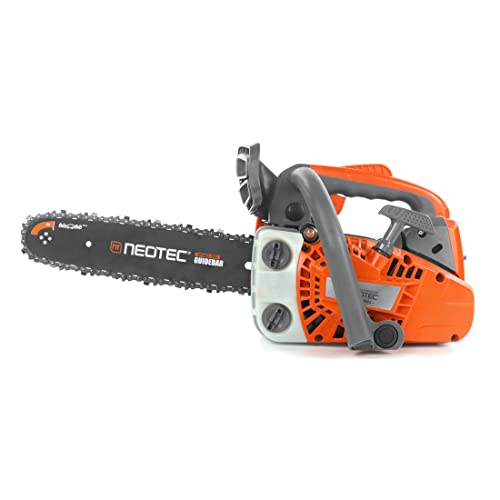

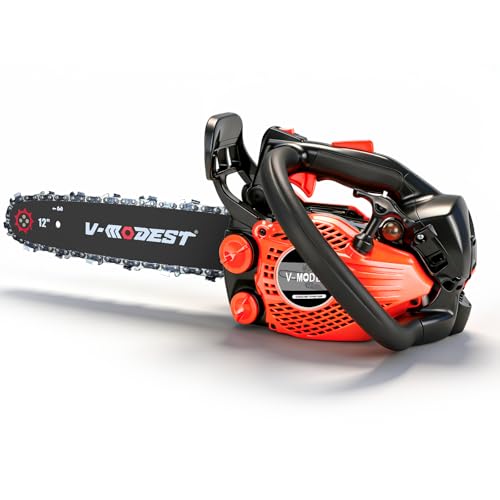


Two Types of Climbing Saws
Top Handle Chainsaws
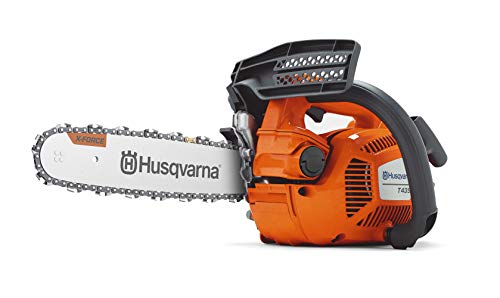
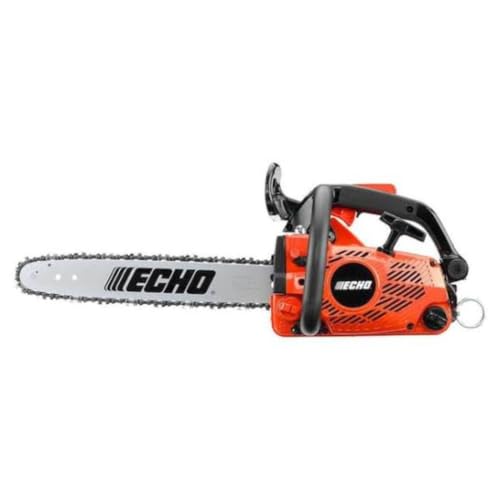
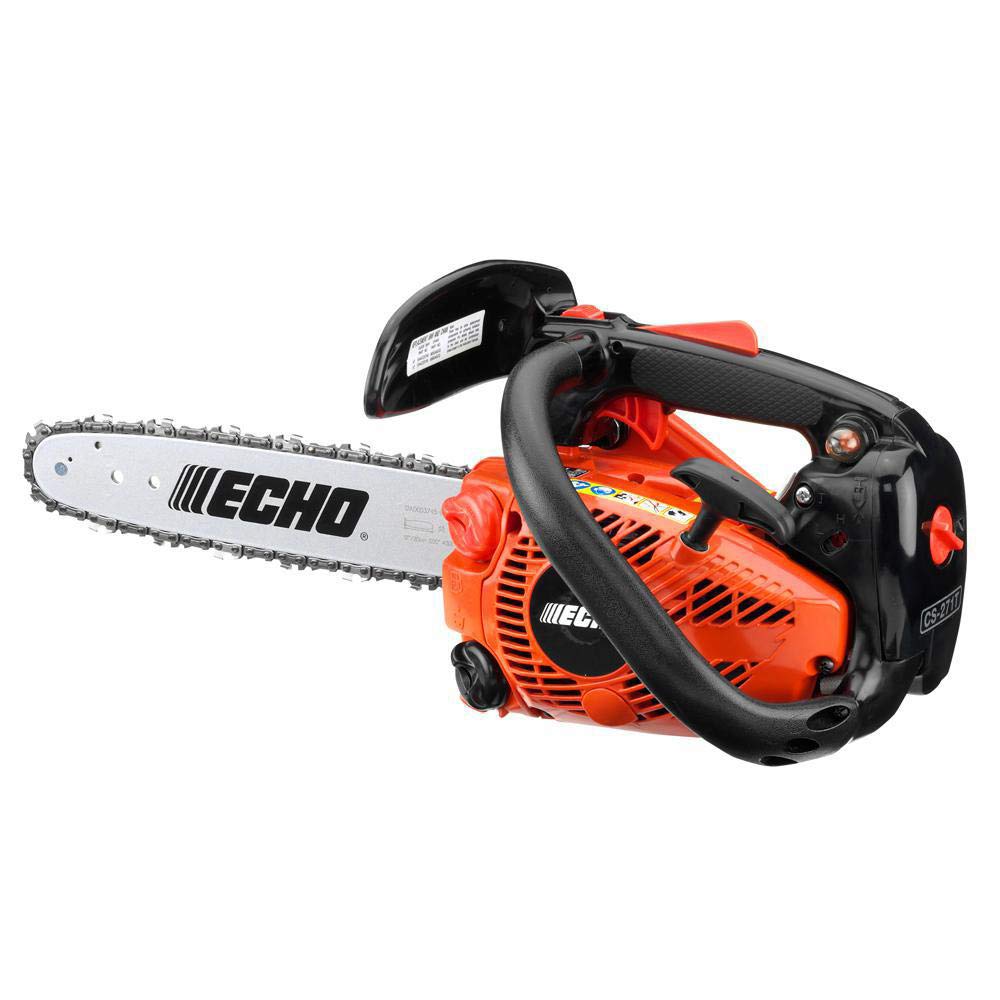
A top handle chainsaw puts the rear handle on top of the body, directly behind the bar, so the saw balances in one hand while the other hand holds a limb or a rope. They are small, usually with a 10 to 14 inch bar, and light enough to clip to a harness ring on a lanyard. Because they can be run one handed, they are restricted to trained climbers in most professional settings; on the ground, a conventional rear handle saw is both safer and cheaper for the same cutting power.
Arborist Hand Saws
A curved pruning saw with a long blade and large, aggressive teeth is the other essential climbing saw. It cuts on the pull stroke, needs no fuel or battery, and handles limbs up to several inches thick with surprising speed. Many climbers carry a hand saw on every ascent and reach for the chainsaw only when the wood is too large, because the hand saw is quieter, lighter, and far less likely to cause a serious injury in a tight canopy.
Who Should Buy the Best Climbing Saws
Professional arborists, line clearance crews, and trained recreational tree climbers are the real buyers. A homeowner with an overgrown maple is better served by a pole saw worked from the ground, a rope saw for high limbs, or a call to an insured tree service. If you are training for arborist work, buy the hand saw first, learn to climb and position yourself with it, and add a top handle chainsaw once your instructor says you are ready.
Key Features to Compare
Gas or Battery Power
Gas top handle saws deliver the most cutting power per pound and refuel in seconds, which still makes them the standard for all day production work. They need two stroke mix, regular carburetor care, and ear protection, and starting one while hanging in a harness takes practice. Battery top handle saws start instantly, run quieter, and produce no exhaust in the canopy, which matters when you are working close to the bar. Their limits are run time per battery and a higher price, so most battery users carry a spare pack on the ground.
Weight and Balance
Every ounce matters when the saw hangs from your harness for hours and you lift it one handed to cut. Compare the dry weight of the powerhead and remember that bar, chain, fuel, and oil add more. A saw that balances just behind the bar when you hold the top handle is easier to control than one that tips forward. Smaller displacement engines and shorter bars keep weight down; they cut a little slower, which is a fair trade in the tree.
Bar Length and Chain
Ten to fourteen inches covers nearly all climbing work. Shorter bars are lighter and easier to place in a crowded canopy, while a fourteen inch bar handles larger removals. Narrow kerf chains cut faster with less power, and low kickback chains add a margin of safety for one handed use. Keep the chain sharp; a dull chain forces you to push, and pushing is how saws slip.
Safety Features
A chain brake that trips on kickback is non negotiable. Look for a throttle lockout, a chain catcher, an anti vibration system that keeps your grip hand fresh, and a sturdy attachment point for a chainsaw lanyard. Lanyards keep a dropped saw from falling on the ground crew and keep a running saw within reach but away from your ropes. Hand saws need a scabbard that locks the blade in place on your harness so the teeth never swing free against your rope or your leg.
Blade Length and Teeth on Hand Saws
Hand saw blades run from about 240 to 390 millimeters, with longer blades suiting larger limbs and shorter blades fitting better in dense growth. Large teeth remove wood fast in green timber, while finer teeth leave a cleaner cut on small pruning work. A curved blade pulls itself into the cut and suits overhead work; a straight blade gives more control at chest height. Replaceable blades extend the life of a quality handle.
Protective Gear That Goes With the Saw
A climbing saw is only part of the kit. Chainsaw protective pants or chaps, a climbing helmet with a chin strap and face screen, eye protection, hearing protection for gas saws, and gloves with grip are standard. Your harness, ropes, and lanyard should be rated for arborist work, and the saw lanyard should attach to a dedicated ring, not to a rope bridge. Budget for this gear alongside the saw, because a saw without it is not a complete purchase. For a wider view of powered saws for ground work, see our guide to the best power saws.
Maintenance Aloft and on the Ground
Inspect the chain brake, the bar, the chain tension, and the lanyard ring before every climb. Sharpen or swap the chain when chips turn to dust, clean the air filter on gas saws regularly, and keep the bar oil reservoir full so the chain never runs dry. Wipe sap off hand saw blades after each job and keep them oiled, since resin dulls teeth as surely as wear does. Store fuel in a labeled container away from heat, and store saws with the chain brake engaged and the scabbard on. Buyers who favor one professional brand can compare models in our guide to the best stihl saws.
How Much to Spend
Budget top handle gas saws cost roughly $80 to $160 and suit light use and training, with heavier bodies and shorter service lives. Professional gas saws from the major outdoor power brands run about $400 to $600 and earn that price through lighter weight, reliable starting, parts availability, and dealer service. Battery top handle saws sit in a similar professional range before batteries. Quality arborist hand saws cost about $40 to $150 depending on blade length, and they are the best value in the whole category.
Common Mistakes to Avoid
- Climbing with a running saw before formal training, or working alone at height with no ground crew and no plan.
- Buying a long bar for a saw that will live in a canopy, where length only adds weight and snag points.
- Skipping the lanyard and scabbard, so a dropped or swinging saw endangers the ground crew or your own rope.
- Letting the chain run dull and pushing harder, which is how a controlled cut becomes a slip.
- Treating a top handle saw as a general yard tool; on the ground a rear handle saw is safer and cheaper.
Frequently Asked Questions
Can a homeowner use a top handle chainsaw?
Legally yes in most places, but it is a poor choice for ground work and a dangerous one for untrained climbing. Top handle saws are designed for one handed use in a tree by trained workers. For yard cleanup, a rear handle chainsaw, a pole saw, or a hired arborist is the safer route.
Gas or battery for climbing work?
Gas still wins for all day production cutting and quick refueling. Battery saws win for instant starts, lower noise, no exhaust in your face, and simpler maintenance, which suits residential pruning and shorter jobs. Many crews run both and choose by the day's work.
Do I really need a hand saw if I own a chainsaw?
Yes. A hand saw handles most small limbs faster than you can start and position a chainsaw, it is silent, and it is far less dangerous in a cramped canopy. Experienced climbers reach for the hand saw first and the chainsaw only for larger wood.
What bar length should a climbing saw have?
Twelve inches covers most climbing work and balances weight against capacity. Choose ten inches for fine pruning in dense growth and fourteen for regular removal of larger limbs. Anything longer belongs on a ground saw.
How often should a climbing saw be serviced?
Check the brake, chain, bar, and lanyard point before every climb, clean filters and sharpen chains weekly in heavy use, and have gas saws serviced by a dealer at least once a season. A saw that starts hard or idles rough in the tree is a safety problem, not an inconvenience.
Final Thoughts
Start with training and protective gear, add a quality curved hand saw, and choose a light, well balanced top handle chainsaw with a reliable chain brake and a solid lanyard point when your work demands it. Compare the finalists in the product table above by weight, power source, and bar length. The best climbing saws are the ones you can control with one hand on a bad stance, and that control starts long before you leave the ground.