Best Bottle Cleaning Tablets for 2026: Types Compared and How to Choose
Disclosure: We may earn a commission when you buy through links on this page, at no extra cost to you. As an Amazon Associate I earn from qualifying purchases. Learn more

Types, ingredients and cost per clean compared to help you pick the best bottle cleaning tablets for your bottles.
Reusable bottles develop odor, tea stains and a slippery film that a quick rinse never removes, and narrow necks make scrubbing awkward. Cleaning tablets promise a soak based fix, yet formulas differ in strength, scent, material safety and cost per clean. This guide compares types of the best bottle cleaning tablets so you can match a formula to your bottles and habits. Start with the product table below, then use the criteria here before you buy a large pack.
A quick note on scope helps. Tablets clean bottles, lids and reservoirs by soaking, and they work best as partners to regular washing rather than total replacements for it. Daily soap and water still handle fresh residue fastest, while tablets tackle buildup that brushes and rinses miss.




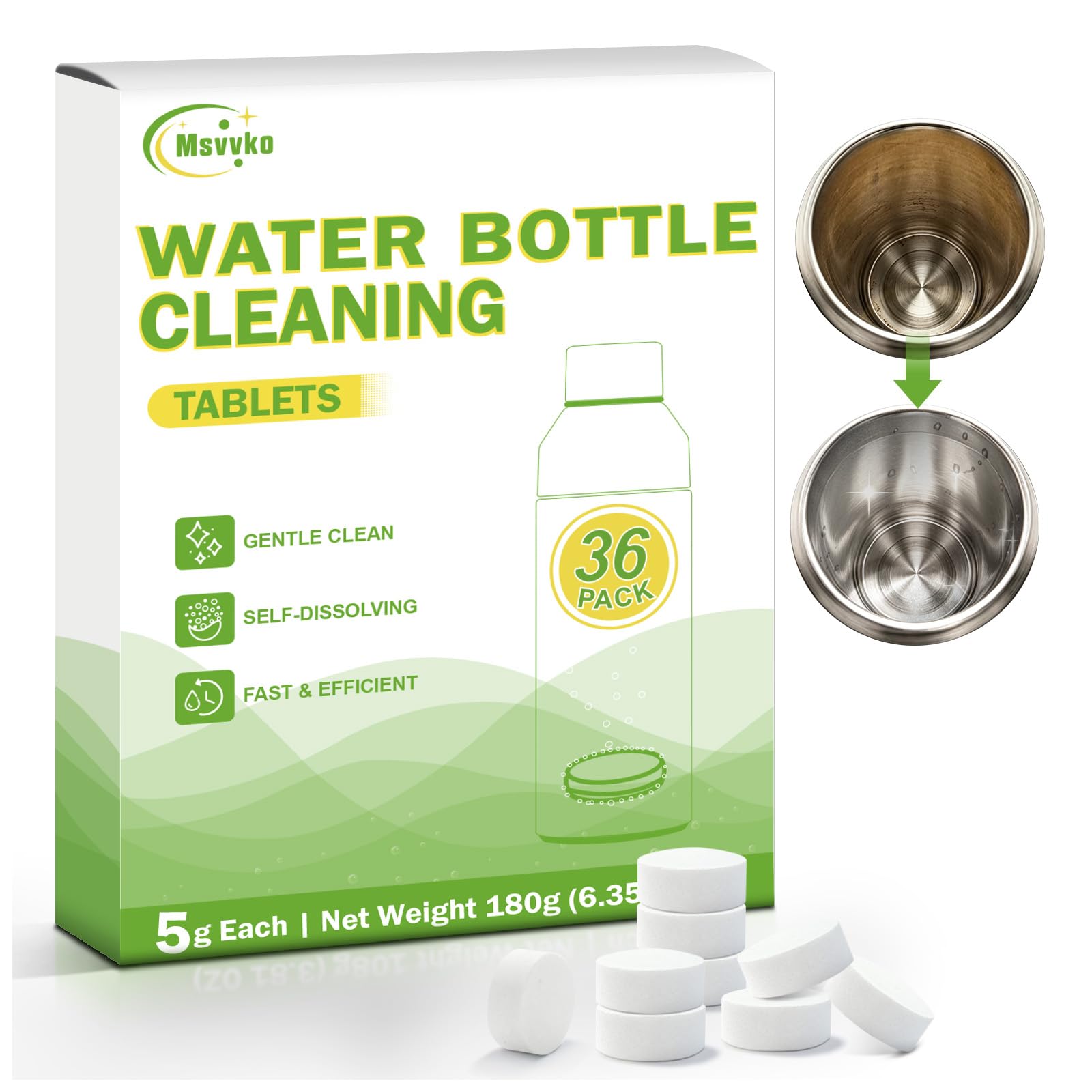
How Bottle Cleaning Tablets Compare to Other Options
Tablets compete with brushes, liquid cleaners and the dishwasher, and each method wins in different situations. A typical pack costs about $10 to $25 and holds enough tablets for weeks or months of periodic deep cleaning. The comparisons below show where tablets earn their place in a kitchen routine and where another method serves you better, so you can build a simple system instead of buying every tool on offer.
Bottle Cleaning Tablets vs Bottle Brushes
Tablets win on reach, because dissolved cleaner contacts every inner surface, including narrow necks, curved bases and lid threads that bristles miss. Brushes win on fresh messes, since scrubbing removes smoothie residue or dried milk immediately without waiting for a soak. Brushes also cost little and last for months. The strongest routine uses both, with daily light washing and a brush for visible residue, plus a tablet soak each week or two for odor and film. If you must choose one tool for travel or a gym bag, tablets pack smaller and need no drying space.
Bottle Cleaning Tablets vs Liquid Cleaners and Powders
Tablets give consistent dosing, since each tablet carries a measured amount of cleaner with no spills or guesswork. Liquids and powders let you adjust strength for a single stained item, but measuring small amounts for one bottle is fiddly and waste creeps in. Powders can also clump in humid storage. Tablets travel better and store neatly, while liquids suit households that clean many items in a full sink at once. For bottle focused cleaning, the tablet format usually wins on convenience alone, and the best water bottle cleaning tablets guide covers water bottle specific formulas in more depth.
Bottle Cleaning Tablets vs Dishwasher Cleaning
A dishwasher handles heat safe bottles and lids well, but many insulated bottles, painted finishes and vacuum seals carry hand wash guidance from their makers. Tall bottles can also block water jets and emerge with residue in the base. Tablet soaking avoids heat stress and reaches the full interior with steady contact time. The dishwasher wins when you have many items and little time. Tablets win for delicate bottles, deep odor removal and homes without a dishwasher. Check your bottle care label first, because maker guidance overrides any general cleaning advice.
Who Should Choose Bottle Cleaning Tablets?
Tablets suit daily bottle users who notice odor returning a day after washing, commuters and gym members whose bottles sit warm in bags, and anyone with narrow neck bottles that brushes cannot reach well. Tea, coffee and sports drink users benefit most, because those drinks stain and scent plastic and steel alike. Parents cleaning school bottles in batches also gain from a soak that works without scrubbing each item. Tablets suit you less if you only use wide mouth bottles you already scrub easily, or if you prefer fragrance free routines and cannot find an unscented formula you trust. In that case, plain hot water soaks and diligent brushing may cover your needs.
How to Choose the Right Bottle Cleaning Tablet
Five checks separate a helpful tablet from a disappointing one. Read ingredient and material guidance before price, because the wrong formula can cloud plastic or leave taste behind. Then weigh soak time, scent and cost per tablet against how often you plan to deep clean. A small trial pack is a smart first step before committing to a bulk box.
Ingredients and Material Safety
Look for clear ingredient lists and plain statements about which materials the formula suits. Most bottle tablets rely on oxygen based cleaners and mild acids that lift stains and neutralize odor without harsh scrubbing. Confirm safety for stainless steel, plastic, glass and silicone parts if your bottles mix materials. Avoid using tablets on items the maker marks as unsuitable, such as some coated or decorated finishes. If anyone in your home has sensitive skin or strong ingredient concerns, rinse items extra well and consider discussing product choices with a clinician.
Bottle and Lid Compatibility
Compatibility covers more than the bottle body. Lids, straws, valves and gaskets trap the most odor, so choose a tablet and soak method that lets you submerge those parts fully in a bowl. Check tablet size against narrow openings, because some tablets need breaking or a wider vessel for dissolving. Insulated bottles with small mouths benefit from tablets that fizz actively and spread through the water. Keep a small bowl or cup dedicated to lid soaking so small parts never get lost near the drain.
Dissolve Time and Water Temperature
Most tablets work in warm water within about 15 to 30 minutes, while heavy stains may need a longer soak of an hour or more. Warm water speeds dissolving and boosts cleaning action, but avoid boiling water in insulated or plastic bottles unless the maker allows it. Follow the pack timing rather than guessing, because pulling a bottle early leaves film behind. For very stubborn tea or coffee stains, a second tablet and a fresh soak usually beats one extremely long soak in cooling water.
Scent and Residue
Scent is a personal dividing line. Lightly scented tablets can leave bottles smelling fresh, yet sensitive users may taste fragrance in the next drink. Unscented formulas avoid that risk and suit water only bottles best. Residue control depends on rinsing, so rinse until water runs clear and no slippery feel remains on the inner wall. If taste lingers after rinsing, switch formulas rather than adding stronger cleaners. The wider best cleaning tablets category shows how bottle formulas differ from tablets made for other household jobs.
Tablet Size and Cost per Clean
Judge value by cost per clean, not by box price. A low priced pack with small tablets may need two tablets per large bottle, erasing the savings. Large bottles and hydration reservoirs often need a full tablet, while small bottles may need only half if the maker allows splitting. Count how many bottles you deep clean each week, then size your pack so tablets stay fresh and dry rather than sitting open for a year. Bulk packs reward steady routines, while small packs suit occasional users and first trials.
How to Use Bottle Cleaning Tablets Well
Rinse the bottle first so loose residue leaves before soaking. Fill with warm water, drop in the tablet and let fizzing spread the cleaner, then soak lids and straws in the same water or a side bowl. Wait the full time on the pack, empty the bottle and rinse every part until no scent or slick feel remains. Let parts air dry fully before reassembling, because trapped moisture brings odor back quickly. Store tablets in a dry sealed container out of reach of children, and never mix tablets with other cleaners in the same soak.
FAQs
How often should you use bottle cleaning tablets?
Use bottle cleaning tablets about once a week for bottles in daily use, and sooner whenever odor returns after normal washing. Coffee, tea and protein drinks justify more frequent soaks because they stain and scent surfaces faster. Water only bottles in cool conditions may need tablets just twice a month. Treat the schedule as a response to smell and film rather than a fixed rule, and you will use tablets when they actually add value.
Do bottle cleaning tablets remove odors and stains?
Yes, removing odor and light stains is exactly what these tablets are made to do. The soaking action reaches film on walls, bases and lid parts where odor causing residue collects. Heavy or old stains may need a longer soak or a repeat treatment. Tablets cannot restore plastic that has absorbed strong flavors over many months, so retire bottles that smell despite repeated cleaning rather than escalating to harsher chemicals.
Are bottle cleaning tablets safe for stainless steel bottles?
Most bottle cleaning tablets are safe for stainless steel when used as directed and rinsed well. Steel resists staining but still holds coffee and tea odor in its surface film, which soaking removes effectively. Avoid leaving any cleaner soaking far beyond the stated time, and never use tablets on the painted exterior unless the maker approves. If your bottle has a coated or decorated finish, test the soak on the interior only and follow the bottle care label first.
Can you use bottle cleaning tablets for baby bottles?
Only use tablets for baby bottles when both the tablet maker and the bottle maker clearly allow it, and rinse with extra care. Infant feeding items carry stricter hygiene guidance than adult bottles, so many families prefer dedicated baby bottle washing routines instead. When in doubt, ask your pediatrician or follow your local infant feeding guidance. Never let convenience override that guidance, and keep all cleaning tablets stored out of reach of children at all times.
Do bottle cleaning tablets replace daily washing?
No, tablets work best as a periodic deep clean alongside daily washing. Soap, water and a quick brush or shake remove fresh residue before it hardens into film. Tablets then handle the odor and buildup that daily washing gradually misses. Skipping daily washing and relying on tablets alone lets residue accumulate and makes each soak work harder. A light daily habit plus a weekly soak keeps bottles fresher with less effort than either method alone.
The Bottom Line
Match the formula to your bottle materials, pick a scent level you can live with and judge value by cost per clean rather than box price. Add a weekly soak to daily washing and most odor and film problems fade. Compare options in the product table to find the best bottle cleaning tablets for your bottles, your drinks and your routine.