
Best Cleaner for White Shoes Made Simple in 2026: A Clear Buying Guide
Disclosure: We may earn a commission when you buy through links on this page, at no extra cost to you. As an Amazon Associate I earn from qualifying purchases. Learn more

New to shoe care? Learn the basic kit, the one material rule and the simple routine behind the best cleaner for white shoes, plus the mistakes that leave marks.
White shoes show every scuff, splash and dusty sidewalk, and the first time you shop for a cleaner the shelf can look confusing. Foams, gels, sprays, wipes and little boxed kits all claim to bring the white back. This guide keeps it simple: what a cleaner is, the one rule that matters most, and the short routine that keeps a pair looking fresh. Finding the best cleaner for white shoes is mostly about matching the product to the materials on your feet.
Here is that rule up front. White shoes are several materials wearing one color: leather on one pair, canvas on another, mesh on a runner and rubber trim on almost all of them. A cleaner that is safe on one material can spot or stiffen another, so the label check comes before every purchase. The comparison table below lays out the main options in plain terms so you can choose with confidence.

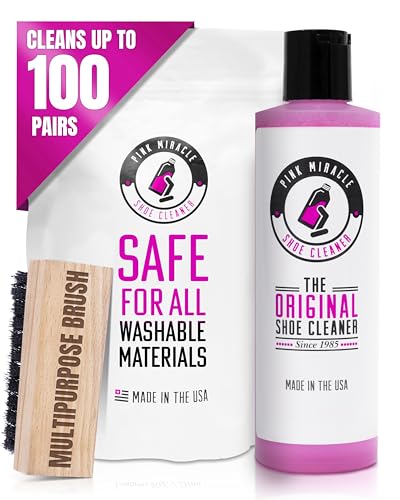
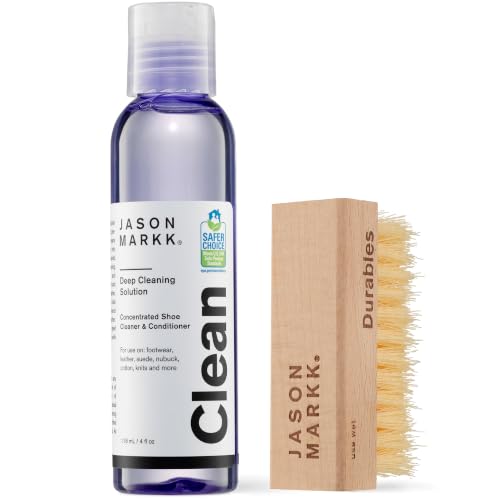


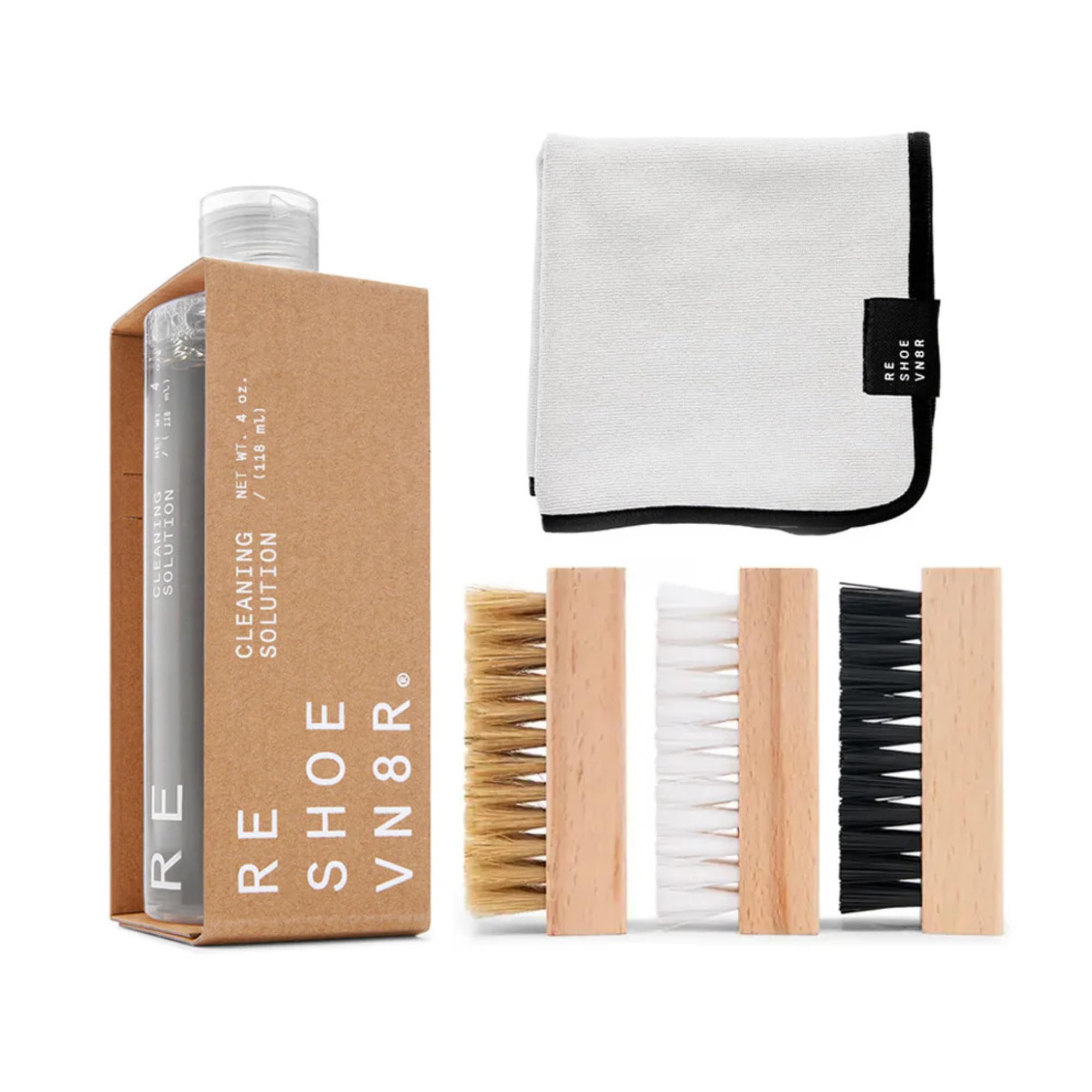


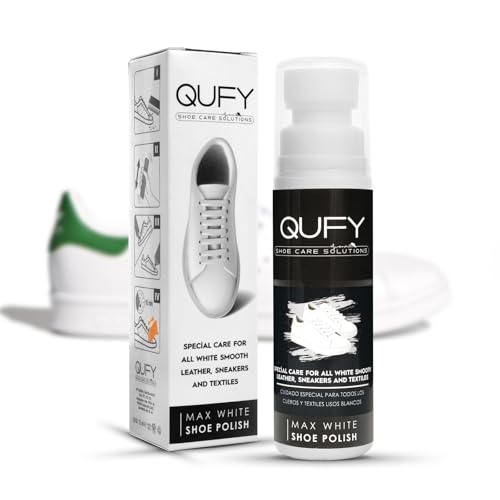

Shoe Cleaner Basics for First Time Buyers
A shoe cleaner is a consumable, a bottle or kit you use up and replace. It does not scrub on its own. The formula loosens soil, oils and road grime from the surface, and then a soft brush or cloth does the lifting. Water is the partner in every method: a little to work the cleaner in, and a clean damp cloth to carry the loosened dirt away.
A few terms cover most labels. A foam sits on the upper and works without much water, which suits leather. A gel clings to vertical surfaces and soles.
A spray covers large areas fast, wipes handle one off scuffs, and a concentrate is diluted at home for a lower cost per clean. None of these forms is best on its own; each suits a material or a moment.
Cleaners are surface specific, and that is worth one clear example. The best carpet cleaner for white rugs is built for flat fabric that stays on the floor, and its detergents are far too strong for footwear. A shoe cleaner is the reverse: gentle enough for materials that flex, bend and sit against your skin all day.
The Specs That Matter, in Plain Words
The Material Rule: One Colour, Several Materials
Start every decision with the upper material. Smooth leather wants a gentle cream or foam and very little water. Canvas drinks cleaner in and holds it, so it needs a thorough rinse and a slow dry. Mesh is the delicate one: strong formulas and stiff brushes can fray it or push dirt deeper into the weave.
Canvas shows the fork most clearly, since it stains fast and dries slowly. If your rotation is mostly canvas, the guidance in our notes on the best cleaner for white canvas shoes goes deeper on rinsing and drying for that one fabric. Whatever the material, test any new cleaner on a hidden patch first, such as the inside of the heel, and let it dry before you judge the result.
Formats: Sprays, Foams, Wipes and Travel Kits
Format decides how the cleaner fits your week. Sprays are the all rounders, quick over a whole upper and easy to control in light doses. Foams shine on leather and smooth synthetics because they clean with almost no soaking. Wipes cost the most per use but live happily in a gym bag or desk drawer for scuffs caught early.
Kits bundle a cleaner with a brush and a cloth, which makes them the natural first buy. You get tools matched to the formula instead of guessing with whatever brush is under the sink. Once you know which form you reach for, refills of that single form usually beat buying another full kit.
Cleaning Power and Whitening Claims, Translated
Whitening is the most stretched word on these labels. A cleaner removes soil, and removing gray dirt makes a white shoe look whiter, but no cleaner restores material that sunlight or age has faded or yellowed through. Read whitening claims as cleaning claims and you will judge bottles fairly.
Real cleaning power shows in two places: how well the formula lifts oily marks, and whether it rinses away clean. A cleaner that leaves residue behind looks fine on day one and then grabs fresh dirt faster than before. If a shoe looks dull a week after cleaning, leftover residue is the usual cause, not weak effort on your part.
Soles and Midsoles Are a Separate Job
Look at any worn pair and you will see two different kinds of dirty. Uppers collect dust and stains, while soles and midsoles collect tar, gum residue and black scuff marks from floors. Treat them as separate jobs with separate tools: the gentle cleaner and soft cloth for the upper, and a firmer brush with a little more pressure for the rubber below.
Keeping the jobs apart protects the upper. The scrubbing a midsole needs would wreck mesh and dull leather. Work from the top down so loosened grime does not wash over a section you just cleaned, and give the sole edges a final wipe once everything else is done.
Scents, Dyes and Fragrance Free Choices
Shoes sit close to skin and spend their off hours in bedrooms and hall closets, so scent deserves a thought. Fragrance free cleaners leave nothing behind but a clean shoe, which suits sensitive noses and anyone who dislikes a perfumed sneaker. Lightly scented options are pleasant, but the scent fades within a day and should never drive the choice.
Dyes matter more than scent here. A cleaner with added color can tint stitching or pale mesh, which is the opposite of the goal. Clear or white formulas are the safe default for white shoes, and any product that warns it may not suit light colors is telling you to pick a different bottle.
Ingredients and Safety Labels
You do not need a chemistry degree to read these labels. Look for a clear list of the materials the product suits, plain warnings, and recognized low impact marks such as EPA Safer Choice, which flags formulas reviewed for safer ingredients. Bleach based sprays sit at the harsh end: they can brighten cotton canvas, yet they yellow some synthetics and weaken stitching over time.
Two safety habits cover most households. Store the cleaner capped and out of reach of children and pets, like any household chemical. And never mix bleach with ammonia or acids, even when a stain makes you tempted to stack products. One product per job, rinsed away before the next, is the safe pattern.
Rookie Mistakes That Leave Shoes Looking Worse
- Scrubbing every material with one stiff brush. The brush that saves a rubber sole will tear mesh and scratch leather, so keep a soft brush for uppers and a firm one for soles.
- Skipping the hidden patch test. A cleaner that spots a hidden area has warned you cheaply; the same reaction across the whole toe box is an expensive lesson.
- Soaking shoes in a bucket of water. Long soaks loosen glues, warp insoles and leave tide lines on canvas as they dry.
- Drying shoes on a heater or in direct sun. Heat and strong sun can yellow white materials and crack leather, undoing the clean you just finished.
- Waiting for one big rescue clean. Months of ground in dirt set deep into fibers, and some of it will never fully lift no matter which bottle you buy.
Your First Clean, Step by Step
- Take the laces out and wash them separately in warm soapy water, or replace them; fresh laces alone make a pair look cleaner.
- Brush off loose dry dirt with a dry soft brush so you are not turning dust into mud.
- Test the cleaner on a hidden patch and let that spot dry fully before you go further.
- Work one shoe at a time in small sections, with a little cleaner and light circles of the brush.
- Wipe each section with a clean damp cloth as you go, rinsing the cloth often so dirt does not move around.
- Stuff the shoes with plain paper and let them air dry in shade, away from radiators and direct sun.
The habit that keeps shoes white is smaller than any single clean. Little and often beats one rescue clean: a two minute wipe after muddy or dusty wears stops soil from setting, and a fuller clean every few weeks stays easy. Always read the label before the first use, and keep the mixing rule from the safety notes above in mind whenever a stain tempts you to improvise.
Your Questions Answered
Can one cleaner handle leather, canvas and mesh white shoes?
Often yes, but with care. Many general shoe cleaners are made to suit all three materials, and the label will say so plainly. The catch is technique rather than formula: use the least water and the softest brush on mesh, more rinsing on canvas, and a light hand on leather. If one pair in your rotation is an expensive leather pair, a dedicated gentle foam for that pair is a small and sensible second bottle.
Why did white shoes look yellow after cleaning and drying?
Residue and heat are the usual pair of causes. Cleaner left in the fabric can dry to a yellow cast, and drying in direct sun or beside a heater speeds the same effect. Rinse with a clean damp cloth until it comes away clear, then dry the shoes in shade with paper inside to hold the shape. If the yellow tint was already in the material from age, cleaning will not reverse it.
Can white shoes go in the washing machine instead of being hand cleaned?
Hand cleaning is the safer default. Machine cycles soak the shoe for a long stretch, which can soften glues, bend the sole out of shape and leave canvas with water marks. A few sturdy canvas pairs tolerate a gentle cold cycle inside a wash bag, but only when the shoe maker allows it. For most pairs, the ten minutes of hand work in this guide gives a better result with no risk to the shoe.
How often should white shoes be cleaned to stay white?
A quick wipe after every few wears keeps surface dirt from setting, and a full clean about once a month suits a pair in regular rotation. Shoes worn daily in wet or dusty conditions need the wipe more often. The pattern to avoid is the long gap: soil that sits for a season bonds to fibers and stitching, and even a strong cleaner will only lift part of it by then.
What should never be mixed when cleaning white shoes?
Bleach must never be mixed with ammonia or with acids, since those combinations give off harmful gases. The everyday version of the same rule is simpler: do not layer a second cleaner over the first to chase a stubborn mark. Finish with one product, rinse it away fully, and only then decide whether a different product is worth trying on its own.
The Bottom Line
Keep the decision to three checks. Name the material first and let it rule out the harsh formulas. Pick the format that fits your routine, whether that is a kit on the shelf or wipes in a bag. Then clean little and often, with a patch test before every new bottle.
Choose the best cleaner for white shoes for the pair you wear most, and the product table above will help you compare the options before you order. When a pair is worn out rather than dirty, with cracked uppers no cleaner can fix, our guide to the best white shoes is the better next step.


