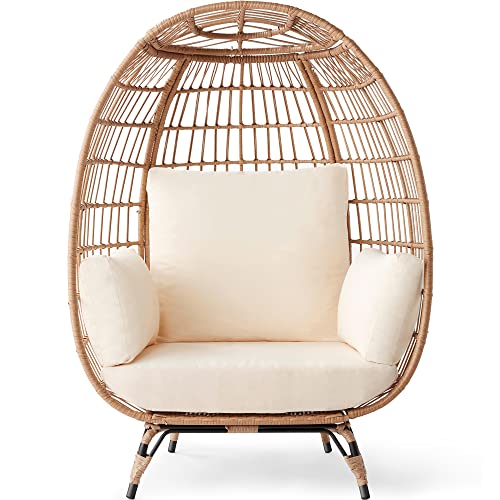
Best Cleaner for Upholstered Chairs for 2026: A Buyer Checklist
Disclosure: We may earn a commission when you buy through links on this page, at no extra cost to you. As an Amazon Associate I earn from qualifying purchases. Learn more

Use this checklist for the best cleaner for upholstered chairs: fabric codes, stain types, safe ingredients, and cost per use, before you treat a cushion.
Upholstery is the least forgiving surface in the house to clean, because the wrong formula can fade the dye or leave a ring that outlives the stain. A checklist keeps the choice simple: match the cleaner to the fabric code, the stain, and the room it will be used in. Work through the criteria below, compare your shortlist with the comparison table below, and you will land on the best cleaner for upholstered chairs in your home without gambling on a cushion.
Most chairs carry a cleaning code on the tag under the seat, and that single letter rules out whole shelves of products. Water based cleaners suit W coded fabric, solvent cleaners suit S coded fabric, and X coded fabric should only be vacuumed or brushed. Start there, and half the checklist is already done.
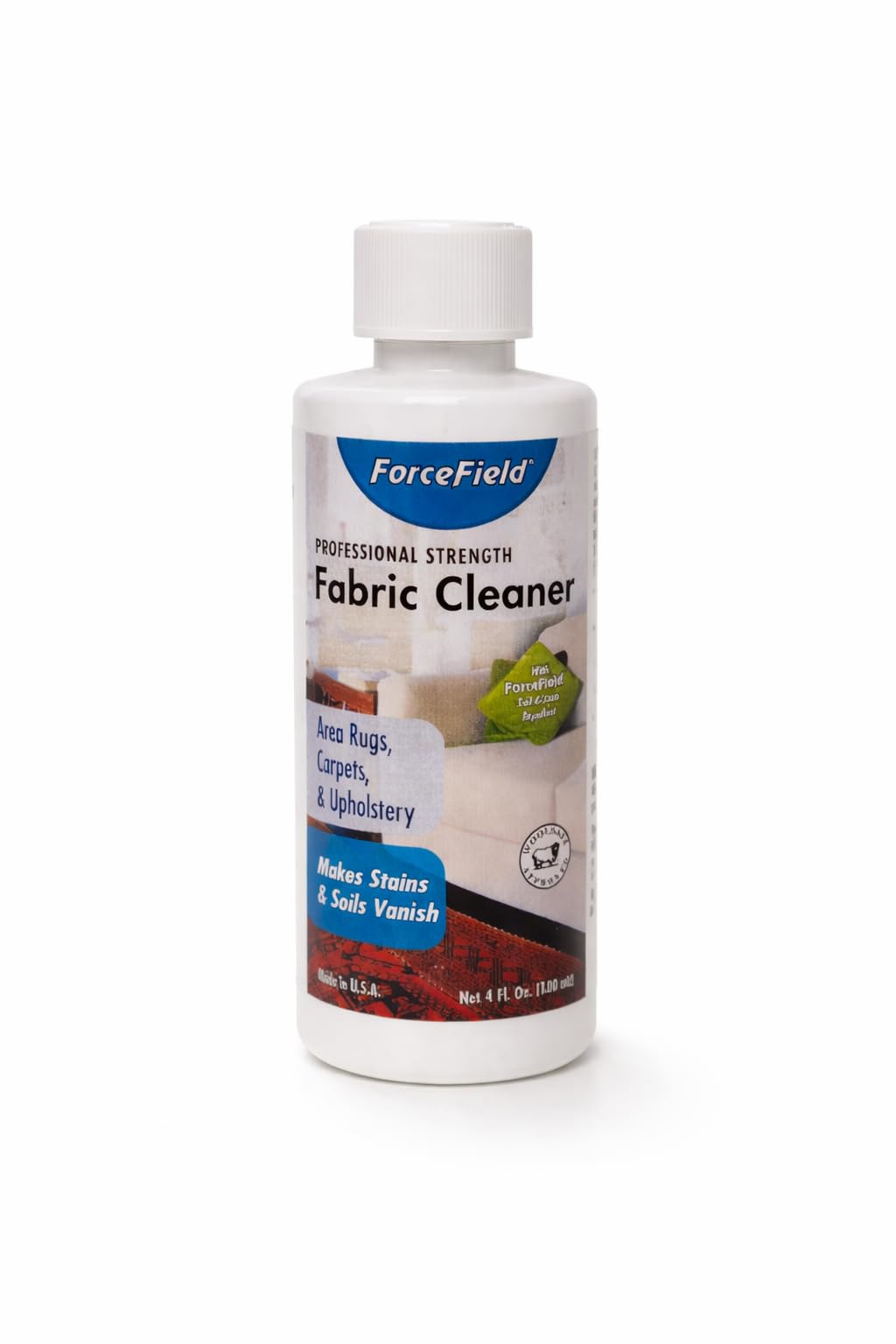
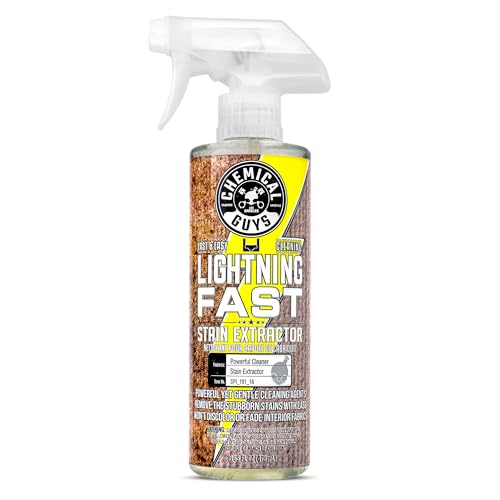


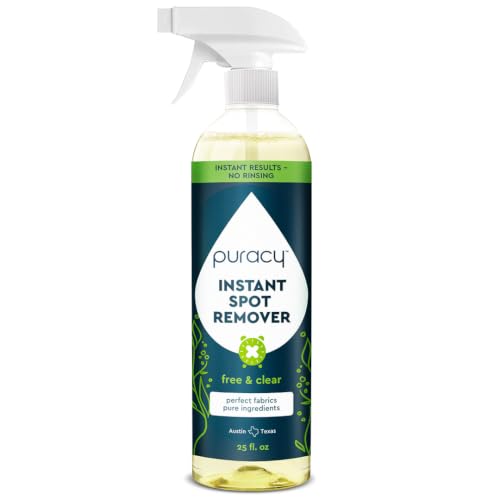
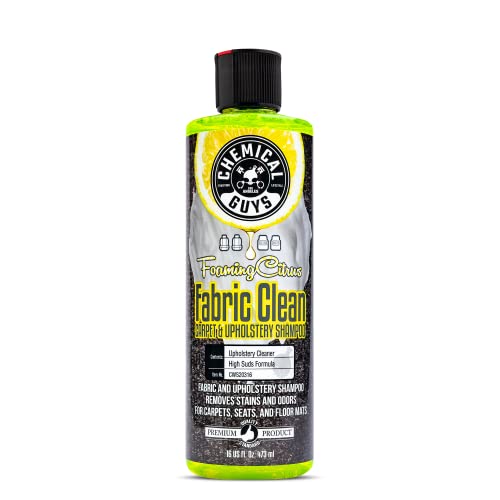

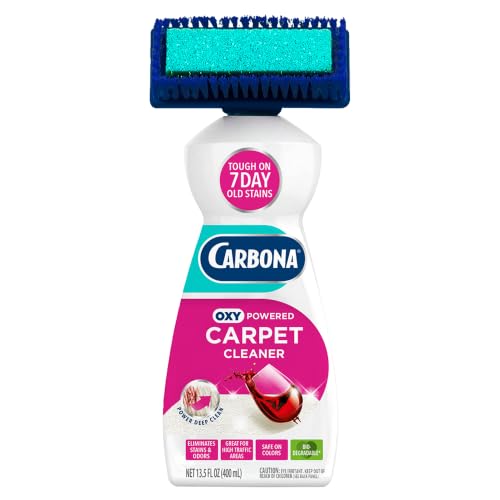
The Checklist: Criteria That Matter for Chair Fabric
Score every candidate against these five criteria before you look at the price. A cleaner that fails the first one does not get rescued by strength or scent.
Match the Cleaner to the Fabric Code
The fabric code is the single most important check, because it describes what the fibers and dyes can tolerate. Microfiber and most polyester weaves accept water based foam cleaners, while velvet, wool blends, and many natural fibers need gentler or solvent based care. Owners of best upholstered dining chairs face the same code check at the table, where food stains land weekly. When the tag is missing, assume the stricter code and test carefully.
Stain Type and Dwell Time
Different stains surrender to different chemistry, so name the stain before you shop. Fresh food and drink spills lift with a general foam, while grease needs a formula that breaks down oils, and pet accidents need an enzyme cleaner that digests the source of the odor. Dwell time matters too: a cleaner that needs ten quiet minutes suits a dining chair, but a nursery chair needs one that works fast. Foams that sit on the surface suit pile fabrics, while thin sprays reach woven fabric better.
Scent and Fragrance Free Options
Chairs hold scent far longer than hard surfaces, because fabric traps fragrance in its fibers. A strong perfume that fades from a countertop in an hour can linger in a cushion for days. Fragrance free cleaners are the safer default for nurseries, reading chairs, and anyone with asthma or scent sensitivity. If you prefer a scent, choose a light one and clean one chair first, then live with it for a day before doing the rest.
Ingredients and Safety in a Seated Room
People rest bare arms and faces against chair fabric, so ingredient safety carries more weight here than on floors. Look for plain labels and marks such as EPA Safer Choice, and be wary of formulas built on bleach, which can strip dye from most upholstery. Keep cleaners locked away from children and pets, and let treated chairs dry fully before anyone sits down. A cleaner that needs gloves and a mask for a dining chair is the wrong cleaner.
Cost per Use and Concentrates
Sticker price misleads, because a ready to use spray and a concentrate live on different scales. A concentrate at about $12 to $18 can mix dozens of bottles, bringing each cleaning down to pennies, while a single ready spray at about $6 to $10 may last one season. Ready sprays still win for small flats with one chair and no storage. Count your chairs before you decide, since a full dining set changes the math completely.
Quick Buyer Checklist
Run through these questions before you buy. Every yes moves a cleaner closer to your basket, and a no on the first two should end the discussion.
- Does the label match the cleaning code on your chair tag?
- Does it name your stain type, such as grease, food, or pet accidents, on the label?
- Can you test it on a hidden area and wait a full day for the result?
- Is it fragrance free, or mild enough for the room where the chair sits?
- Does the cost per use make sense for the number of chairs you own?
- Can children and pets be kept off the chair until it is fully dry?
- Does it work with a cloth and brush you already own, with no machine required?
Red Flags to Watch For
Weak cleaners announce themselves on the label long before they reach your fabric. Walk away from any product that shows these signs.
- Promises to clean every fabric and every stain, with no mention of cleaning codes or fiber types.
- No ingredient information and no safety guidance beyond a marketing slogan.
- Instructions that skip the hidden area test, which honest upholstery labels always include.
- Claims of instant results on set in stains, which no gentle formula can deliver safely.
- Directions that tell you to saturate the cushion, a habit that soaks the foam beneath the fabric.
Safe Use and Care Tips
Always read the label first and test the cleaner on a small hidden area, such as the back of the chair or under the seat, then wait for it to dry before judging the result. Work in a ventilated room, opening a window or running a fan while you clean. Never mix bleach with ammonia or with acids such as vinegar, because those blends release fumes that can injure you quickly.
Blot stains instead of rubbing them, keep children and pets away until the fabric is dry, and vacuum chairs weekly so grit does not grind into the weave. Readers comparing a dedicated best upholstery cleaner for chairs guide will find the same test first rule there.
Frequently Asked Questions
What features matter most in a cleaner for upholstered chairs?
Code compatibility matters most, followed by stain specific chemistry and a short, clear ingredient list. A cleaner that matches your W or S code protects the dye while it works, and enzyme formulas add real value for pet owning homes. Bottle design matters more than most labels admit: a foaming trigger gives you control on vertical chair backs. Skip any product that will not say which fabrics it suits.
How often should upholstered chairs be cleaned with a fabric cleaner?
Spot clean spills as soon as they happen, and give high use chairs a full clean about every three to six months. Dining chairs near a busy table may need attention monthly, while a guest room chair can go a year between cleanings. Vacuuming weekly does more for fabric life than any cleaner, since grit wears fibers from the inside. Deep cleaning too often fades dye, so restraint is part of care.
Is a cleaner for upholstered chairs safe to use around kids and pets?
Yes, most upholstery cleaners are safe once the fabric has dried completely and the room has aired out. The risk window is during cleaning, when wet residue can transfer to hands, paws, and mouths. Keep children and pets out of the room until the chair is dry to the touch, and store bottles locked away. For nursery chairs, choose fragrance free formulas with short ingredient lists.
What should never be mixed when cleaning upholstered chairs?
Bleach should never be mixed with ammonia or with acidic cleaners such as vinegar based sprays. Those mixtures release gases that can damage lungs and eyes within moments, even in a large room. Mixing also happens by accident when a second product is sprayed over a first one that has not dried. Use one cleaner per session, let it dry fully, and only then judge whether a second pass is needed.
Are natural cleaners as effective on upholstered chairs as standard ones?
Natural cleaners handle fresh spills and everyday grime about as well as standard formulas on most modern fabrics. Where they fall behind is on set in grease and old pet stains, which usually need enzymes or stronger surfactants. A plant based best fabric cleaner for chairs option suits routine care in homes that clean little and often. Keep expectations honest: gentle chemistry plus patience beats strong chemistry plus damage.
Final Thoughts
Check the fabric code first, match the formula to the stain, and test before you commit to a full chair. The product table above lines up the candidates so you can score them against the checklist in minutes. For most homes, the best cleaner for upholstered chairs is a code matched foam or enzyme cleaner, used sparingly, on fabric that gets vacuumed every week.