
Best Cleaner for Sofas: Everything to Know Before Your First Purchase in 2026
Disclosure: We may earn a commission when you buy through links on this page, at no extra cost to you. As an Amazon Associate I earn from qualifying purchases. Learn more

Shopping for the best cleaner for sofas for the first time? Learn the terms, compare options, and avoid rookie mistakes with this easy guide.
The best cleaner for sofas is not one single product, because the name covers two different purchases. Some cleaners are bottled products that you spray, foam or blot onto fabric and then use up, while others are small cleaning machines that spray solution and pull dirty water back out of the cushions. Knowing which of the two you actually need saves you from buying a shelf of bottles when your sofa really needs a machine, or the other way around.
This guide walks you through the basics in order: how to read the fabric code on your sofa tag, how bottled products and machines differ, and which safety habits matter before anything touches your upholstery. The comparison table below sums up the main classes, and every section after it adds the detail a first time buyer needs. By the end you will know what to buy first, what to skip, and when renting a machine makes more sense than owning one.
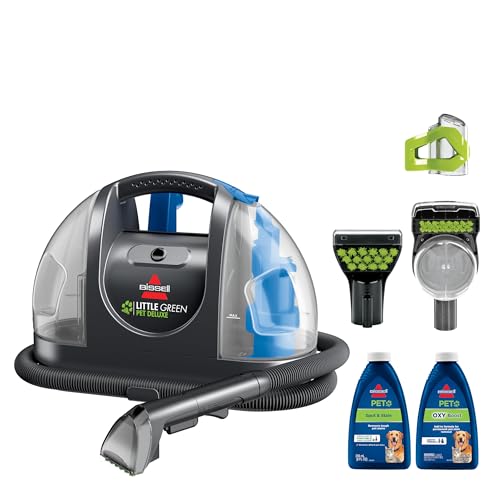
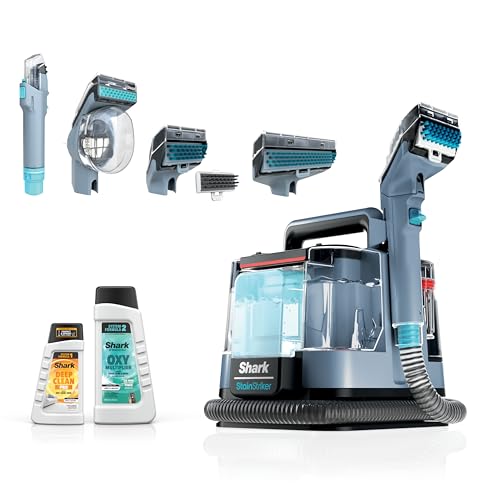



Cleaners 101: The Basics
A sofa cleaner has one job: loosen soil from fabric fibers so it can be blotted away with a cloth or pulled out with water. Most formulas rely on surfactants that lift everyday dirt, while enzyme based products break down food, drink and pet stains over a short dwell time. Solvent based products work differently and dissolve greasy marks such as body oils on armrests, which is why no single bottle handles every mess.
Bottled cleaners come in three rough classes: ready mixed sprays for quick spot work, foams that sit on the surface of delicate fabrics, and concentrates that you dilute with water before use. If you want the bottled side compared in more depth, see our guide to the best upholstery cleaner for sofas once you know which class your fabric allows. That is why the best cleaner for sofas for one household can be a poor pick for the next: the fabric, not the marketing, decides.
Machines are the other fork in the road. Portable extraction machines spray a measured amount of solution and vacuum the dirty water back in the same pass, and they suit whole sofa cleans and homes with kids or pets. Steam machines use heat and very little water instead, and our guide to the best steam cleaner for sofas explains where that approach fits and where it does not. For a once a year deep clean, rental machines from a local store are an honest third route that skips storage and upkeep entirely.
Key Specs Explained in Plain English
Labels throw around terms like concentrate, enzyme and streak free without explaining them. The five points below translate the label language into what it means for your cushions.
Features That Matter for Sofas
Start with the fabric care code printed on the tag under your seat cushions or on the frame. A W code means water based cleaners are allowed, an S code means solvent based cleaners only, a WS code allows either, and an X code means vacuum only with no wet cleaning at all. This code decides which cleaner classes are even safe to buy, so check it before scent, brand or price. If the tag is missing, treat the fabric as delicate and test everything with extra care.
Effectiveness on the Specific Mess
Fresh spills usually blot up well with a mild solution, while set stains such as old coffee or darkened armrest areas respond slowly and may only lighten. Be realistic about the ceiling here: a cleaner manages appearance and odor, and it cannot restore fabric that is faded, worn thin or torn. Greasy soil needs solvent action rather than more scrubbing, and mineral scale removers belong on bathroom fixtures, never on upholstery.
Eco Friendly Packaging
Concentrates and refill pouches cut the plastic you throw away, because one small bottle can make many spray bottles of working solution. Biodegradable on a label refers to the formula breaking down after use, and fragrance free versions suit homes that dislike lingering scent. Check the dilution ratios before you judge a price, since a concentrated product that looks expensive per bottle is often the cheapest per cleaning.
Ingredients and Safety
Look for formulas without bleach for colored upholstery, and treat the EPA Safer Choice label as a useful signal that a product meets a stricter ingredient standard. Whatever you buy, follow the product label exactly, work with a window open or a fan running, and keep children and pets off treated fabric until it is fully dry. Never mix cleaning products, because combinations such as bleach with ammonia or acids can release harmful fumes.
Cost per Use and Value
Judge a bottled cleaner by its cost per mixed quart, not its shelf price. A concentrate at about $10 to $20 that dilutes into many quarts can cost pennies per spot clean, while a ready mixed spray at about $8 to $15 is paying for convenience. Machines flip the math: a portable extractor at about $100 to $200 competes with rental fees of roughly $30 to $50 a day, so ownership starts to win after a few whole sofa cleans.
Residue and Drying Time
More product is not more cleaning. Surfactants that are not blotted or rinsed out stay in the fibers and attract fresh soil, which is why a cushion cleaned with a heavy hand can look dirty again within weeks. Extraction machines leave the least residue because they pull the solution back out, while sprays ask you to blot thoroughly with a clean, damp cloth. Drying time matters too: a light spot clean dries within the hour, while a full machine clean can take most of a day before the sofa is ready to sit on.
Leather Sofas Need a Different Branch
Leather is skin rather than woven fabric, so the rules change. Fabric sprays can dry leather out or leave discoloration, while leather specific products clean and condition in one step and keep the surface supple. If your sofa is leather, shop that branch instead, and see our guide to the best leather cleaner for sofas for the details. Keep steam away from leather unless the sofa maker clearly allows it.
Rookie Mistakes to Avoid
- Skipping the fabric code and using a water based spray on an S code sofa, which can leave water rings and shrinkage that no second product can undo.
- Scrubbing a spill hard instead of blotting, which pushes the stain deeper into the fibers and frays the surface.
- Drowning the cushion with solution, which soaks the padding underneath and can leave a musty smell as it dries slowly.
- Mixing two cleaners together to make a stronger one, which can create harmful fumes and damage the fabric at the same time.
- Judging a test patch while it is still wet, which makes colors look darker and can trick you into a full cleaning you should not do.
Getting Started: Setup and First Use
Read the label from start to finish before the first use, because dwell times and dilution ratios differ between products. Vacuum the whole sofa first, since loose grit turns into mud the moment it gets wet. Then test the cleaner on a hidden area, such as the back of a cushion or the fabric under the sofa, and let that patch dry completely before you judge the result.
Work on one small section at a time, blotting with a clean cloth and rinsing the cloth often so you lift soil instead of spreading it. Open a window or run a fan while you work, and keep children and pets out of the room until the fabric is dry. Store concentrates closed, upright and out of reach, and write the dilution ratio on the spray bottle so the next use starts correctly.
Let the sofa dry fully before you put the cushions back or let anyone sit down, because sitting on damp upholstery presses remaining moisture deep into the padding. A fan pointed at the cleaned area shortens the wait, and standing cushions on edge exposes both faces to the air. Rotate and flip loose cushions every few months as well, since even wear keeps one seat from fading and sagging ahead of the rest.
Cleaners: Your Questions Answered
What features matter most in cleaners for sofas?
Matching your fabric care code matters most, because the code decides which formulas are safe on your sofa at all. After that, look at whether the product targets your actual mess, such as enzyme formulas for food and pet stains or solvent action for grease. Buy the smallest size first, test it on your fabric, and only stock up once you know it suits your upholstery.
What should never be mixed together?
Bleach should never be mixed with ammonia or with acids such as vinegar, because those combinations release gases that can injure your lungs. The safer rule is broader: never mix any two cleaning products, and never layer a second product over a spot you just treated with a first one. If a stain needs a different approach, rinse the area with plain water, let it dry fully, and only then start again.
Is it safe to use around kids and pets?
Yes, sofa cleaners are safe around kids and pets when you follow the label and let the fabric dry completely before anyone sits or lies on it. Ventilate the room while you clean, and keep children and animals out until the surface is dry to the touch. Store bottles closed and out of reach between uses, since the concentrated form is the one that needs care. Fragrance free formulas are a sensible pick if your household dislikes lingering scents.
How often should I use it?
Spot clean spills the same day they happen, because fresh stains lift far more easily than set ones. A whole sofa deep clean roughly every 6 to 12 months suits a busy family sofa, while a rarely used guest room sofa needs it far less often. More is not better: over cleaning wears fabric, fades color and leaves residue that attracts new soil faster.
Are natural cleaners as effective?
For light, everyday soil, plant based and enzyme cleaners are just as effective as conventional formulas. Heavy grease, old set stains and large areas may still need a stronger conventional product or the extraction power of a machine. Natural on the label does not override your fabric code, though, so an S code sofa still needs a solvent based approach no matter how gentle the marketing sounds.
Wrapping Up
Three habits carry most of the result: check the fabric code before you buy, decide honestly between a bottle and a machine based on how much soil you deal with, and follow the label with a proper spot test every time. Choose with those in mind and the best cleaner for sofas for your home is simply the one that fits your fabric, your mess and your routine. Look back at the product table above to compare the classes side by side before you order.


