
Best Classic Sofas: Types Compared and How to Choose for 2026
Disclosure: We may earn a commission when you buy through links on this page, at no extra cost to you. As an Amazon Associate I earn from qualifying purchases. Learn more

The best classic sofas compared by type, with pros and cons, ideal households, and price ranges, plus a clear guide to frame, size, and fabric.
Classic sofas come in more types than most shoppers expect. Rolled arms, tufted backs, tailored track arms, and deep lounge styles all sit under the same classic label, and each type behaves differently in a real living room.
This guide compares best classic sofas by type, with honest pros, cons, typical price ranges, and the rooms each type suits best. Start with the comparison table below for a fast overview, then read the sections for the types that fit your space, your household, and how you actually sit, read, and host.
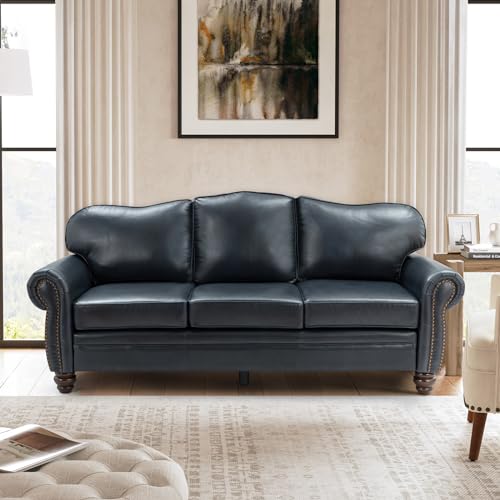


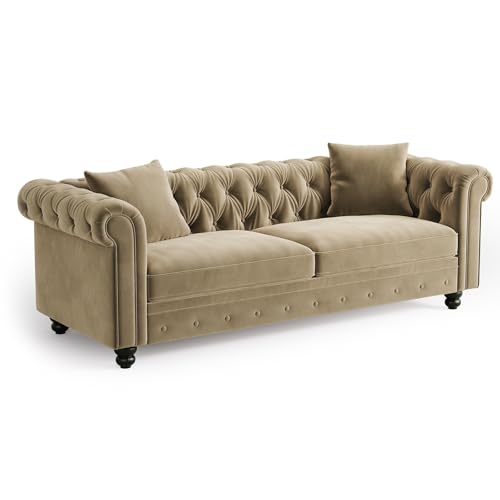
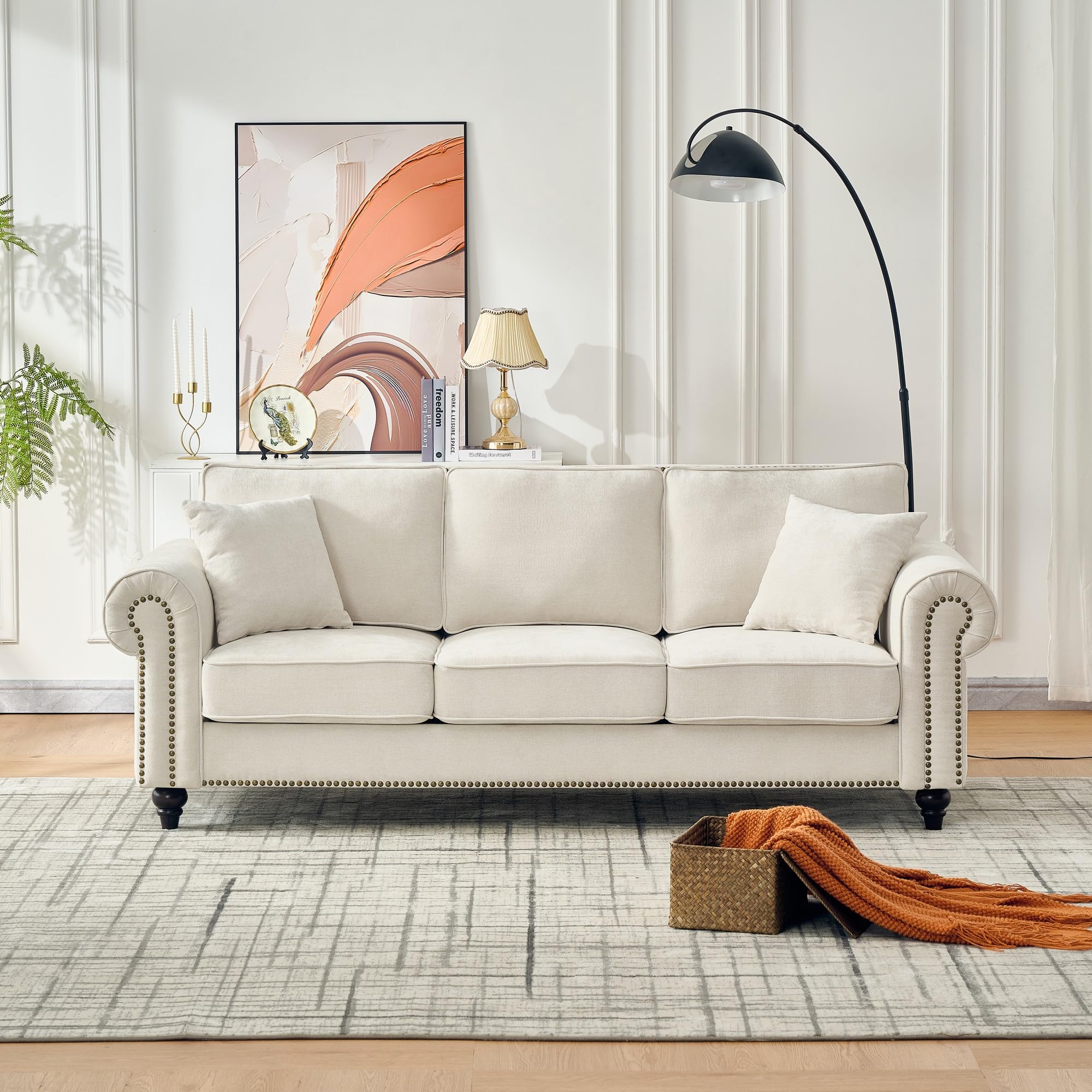
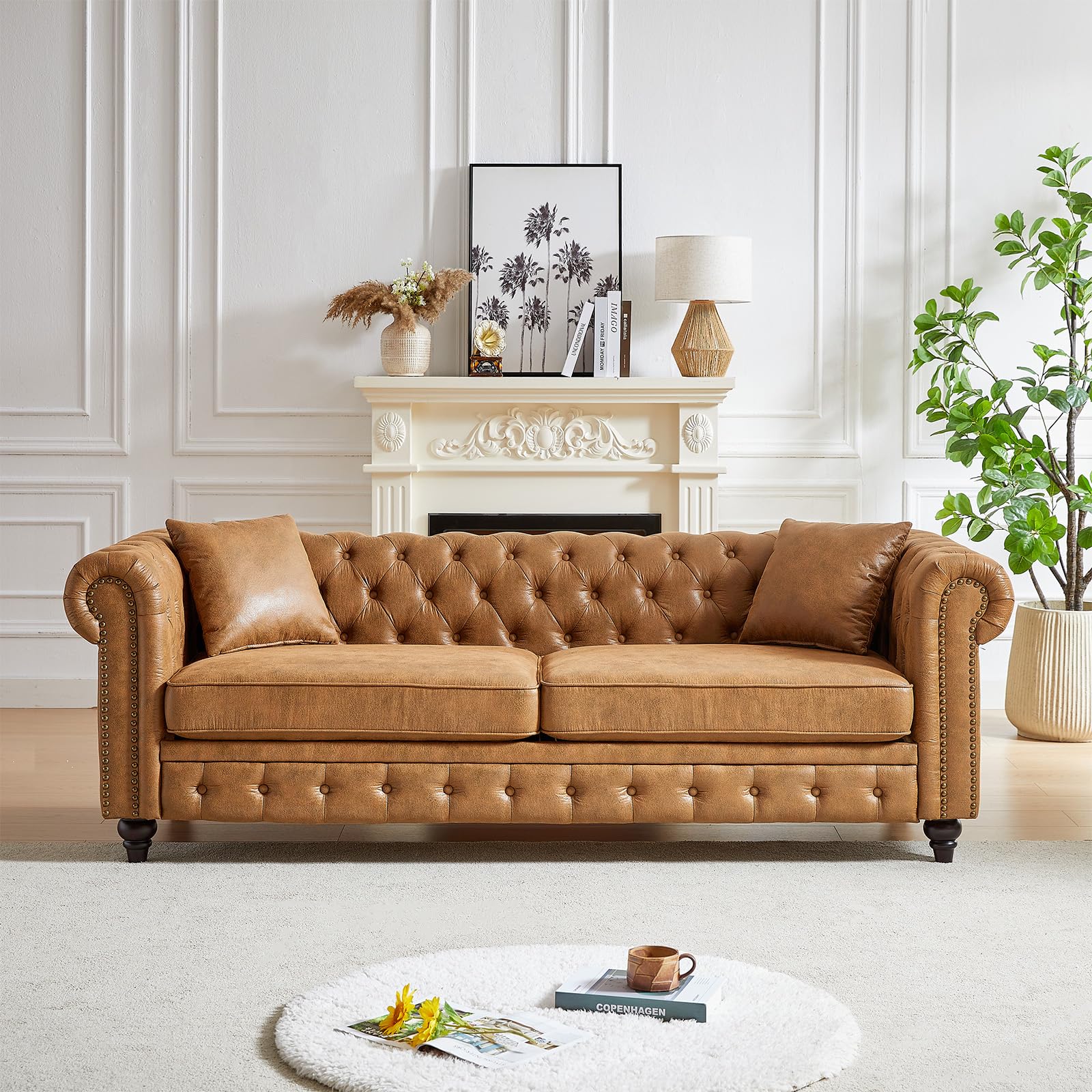

Types of Classic Sofas Compared
The four types below divide the best classic sofas by size, comfort focus, and build level. Many sofas blend two types, so treat these as guides for what to check rather than strict labels. Households that host overnight guests often compare these standard types with our guide to the best bed sofas before deciding whether a sleeper function matters.
Compact and Space Saving Models
Compact models keep the classic look in a smaller footprint, usually with a shorter width, slimmer arms, and raised legs that let light and sight lines pass underneath. That raised profile makes a small room feel less crowded. Prices often run around $500 to $1,200 depending on fabric and frame quality.
Choose this type for apartments, small living rooms, and secondary seating in a bedroom or study. The trade off is seat room: two adults sit comfortably, but three will feel close, and the seat depth is often shallower, so tall loungers may want a deeper model.
Premium and Executive Style Models
Premium and executive style models are the large, formal end of the classic range, built for spacious living rooms and rooms where the sofa is the visual anchor. Expect thicker cushions, full grain leather or rich woven fabrics, detailed stitching, and sturdy hardwood frames. Prices often run around $2,000 to $5,000 or more.
Choose this type when you entertain often, want a formal look that lasts for many years, and have the floor space to give the piece breathing room. In a small room, the same sofa can overwhelm the layout and block easy movement.
Budget Models
Budget models deliver the classic shape at the lowest cost, often around $300 to $800. Frames may use more engineered wood, cushions tend to be simpler foam, and fabrics focus on easy care blends. Assembly at home is common at this level, which keeps delivery simple.
Choose a budget model for a first apartment, a rental, or a room that gets light use. Be realistic about lifespan: heavy daily use can soften cushions within a few years. Shoppers comparing this level can find more options in our guide to the best inexpensive sofas.
Ergonomic Models
Ergonomic models in sofa terms means designs shaped for long, comfortable sitting rather than pure looks. Look for a supportive back angle, seat height that lets your feet rest flat, firm seat cores that hold their shape, and arm height that supports reading or laptop use without lifting your shoulders.
Choose this type if you read, work, or watch films for hours at a time, or if an older family member needs a seat that is easy to rise from. Very deep, soft lounge sofas look inviting but can be hard to get out of, so try the rise as well as the sit.
Compact and Space Saving Models vs Premium and Executive Style Models: Which Should You Choose?
Compare them on five points. Size: compact models fit widths under about 80 inches, while premium models often need 90 inches or more plus clearance. Comfort: compact seats are firmer and shallower, premium seats are deeper and plusher.
Build: premium frames and fabrics are made for a longer service life. Price: the gap is wide, often around $700 versus around $3,000. Room role: compact sofas support a flexible layout, while premium sofas define the room.
If your room is small or doubles as a guest space, choose compact. If the sofa is your main daily seat in a large room and you plan to keep it for a decade, the premium route is easier to justify.
How to Choose the Right Classic Sofa
Build Quality and Frame
The frame decides how long a sofa stays solid. Kiln dried hardwood frames resist warping and hold joints tight, and corner blocks plus strong joinery stop the wobble that cheaper frames develop.
Under the cushions, eight way hand tied springs give the most even support, while sinuous steel springs are common, durable, and more affordable. For a deeper look at construction standards, see our guide to the best quality sofas. Sit down firmly and listen: a good frame feels quiet and steady.
Style and Room Fit
Match the sofa style to the room you have, not a photo you love. Rolled arms and tufting read traditional, while clean track arms lean transitional and suit mixed decor. Measure your wall length, leave walking space of about 30 to 36 inches where people pass, and tape the sofa footprint on the floor to judge scale.
Our guide to the best couches and sofas gives more layout ideas for mixed seating. Light fabrics brighten small rooms, while darker tones hide daily wear in busy family spaces.
Comfort and Support
Comfort comes from measurements, not guesswork. Seat height around 18 to 20 inches suits most adults and makes standing up easier. Seat depth around 21 to 23 inches supports your back without a pile of pillows, while deeper seats favor loungers who sit with legs tucked up.
High density foam cores hold shape longer than soft loose fill alone. Sit for at least ten minutes in the store if you can, in your normal posture, and check that your lower back feels supported without effort.
Assembly and Delivery
Measure before you order: door widths, hallway turns, stair landings, and elevator size if you have one. Many classic sofas arrive with legs removed or in two parts, which helps tight entries, but large premium models may come fully built. Ask about room placement and packaging removal, because carrying a heavy sofa up stairs is a two or three person job. Keep the delivery window in mind too, since made to order fabrics can take weeks, while stocked models arrive much sooner.
Materials and Upholstery
Fabric sofas offer the widest color range and a soft feel, and performance fabrics resist stains and fading for homes with kids and pets. Leather looks rich, wipes clean, and ages with character, but it costs more and can feel cool in winter and warm in summer. Under the cover, solid wood legs outlast thin composite legs, and cushion covers with zippers make washing and fluffing far easier. Choose the material by your daily life first and by looks second, because you will touch it far more than you admire it.
Setup and Care Tips
Set the sofa on a level floor and adjust the legs so it sits steady, with your feet resting flat when you sit at the front edge. Rotate and flip cushions every few weeks so wear and sunlight spread evenly. Tighten leg bolts every few months, because small movements loosen them over time. Vacuum upholstery weekly with a soft brush tool, wipe leather with a dry or slightly damp cloth, and keep the sofa out of harsh direct sun to slow fading.
Frequently Asked Questions
What features matter most for long hours on a classic sofa?
Seat support matters most, so look for a firm foam core, a back angle that keeps your lower back in contact with the cushion, and arm height that lets your shoulders relax. Seat depth is next: too deep and your feet dangle, too shallow and you perch. If you read or use a laptop, a slightly higher seat also makes standing breaks easier on your knees.
How long should a good classic sofa last?
A well built classic sofa with a hardwood frame should last about 7 to 15 years of regular use. Cushions usually soften first, often around year five, and many owners refresh foam inserts instead of replacing the whole sofa. Budget frames tend to give a shorter life of about 3 to 6 years. Rotating cushions and keeping pet claws trimmed are small habits that add real years.
Is an expensive classic sofa worth it?
It is worth it when you sit on it daily and the higher price buys a hardwood frame, better springs, and fabric or leather that ages gracefully. The value shows up in year six, when a cheap sofa sags but a good one still feels supportive. For a spare room or a short term rental, a modest sofa makes more sense, because you will not stay long enough to collect the long term value.
How do I choose the right size classic sofa?
Start with your wall and your group. A sofa should take up about two thirds of the wall it sits against and seat your usual group without squeezing. Leave about 18 inches between the sofa and a coffee table so legs and passing feet have room. Measure your entry path as carefully as the room, because the most common size mistake is a perfect sofa that cannot get through the front door.
Our Verdict
Decide by frame first, size second, and fabric third. A kiln dried hardwood frame in the right size for your room will serve you longer than any styling detail, and the fabric should match your household as it really is. When you weigh best classic sofas that way, the right type stands out quickly. Check your finalists against the product table above, confirm your doorway measurements, and choose the sofa your family will use happily every day.


