
Best Christmas Throw Blankets in 2026: Which Type Is Right for You?
Disclosure: We may earn a commission when you buy through links on this page, at no extra cost to you. As an Amazon Associate I earn from qualifying purchases. Learn more

A clear guide to the best christmas throw blankets by fabric, warmth and care, so you can match the right throw to your sofa.
A Christmas throw does three jobs at once: it warms you on the couch, it carries the holiday pattern that makes a plain sofa feel festive, and it has to survive a season of hot cocoa, cookie crumbs, and frequent washing. Cotton, fleece, wool, and down alternative versions all do those jobs differently, which is why shoppers comparing the best christmas throw blankets can feel stuck between fabrics that sound similar in a listing.
This guide compares the main types by warmth, breathability, and care, then shows you how to match a fabric to your climate and your couch. Start with the comparison table below, and keep your washing machine habits in mind as you read, because care is where most throws disappoint.


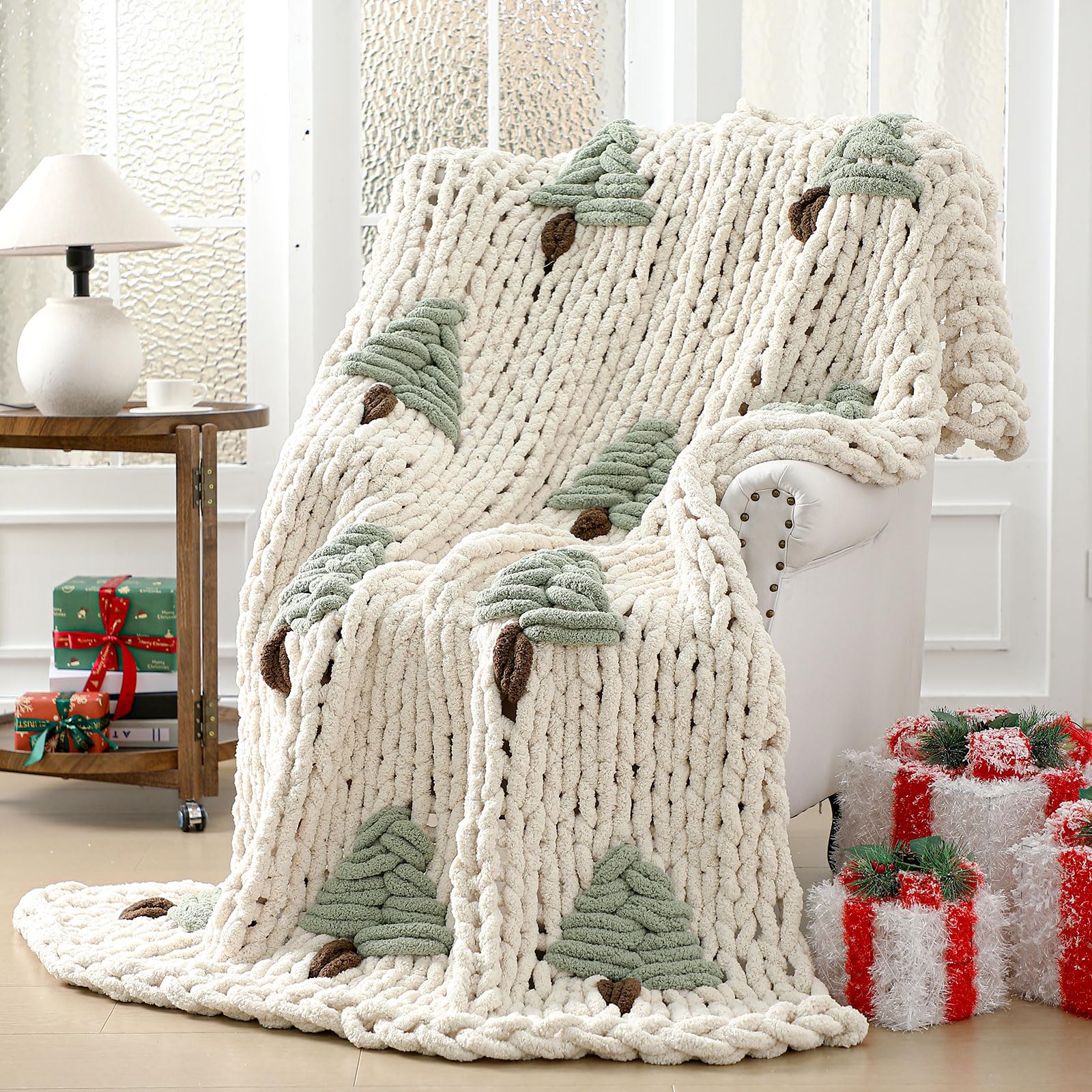
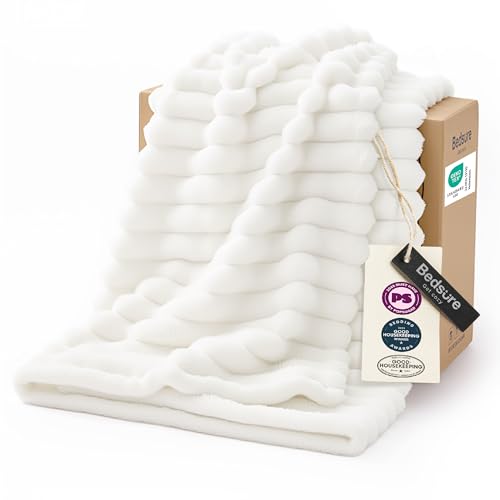
Types of Christmas Throw Blankets Compared
No single fabric wins every category. Cotton breathes and washes easily but adds modest warmth. Synthetics feel plush and resist stains at low prices. Wool and down alternative fills trap the most heat for cold rooms. Prices overlap more than you might expect, with cotton and fleece throws commonly around $20 to $50, and wool or premium filled throws often around $60 to $120. Judge each type against your winters and your laundry routine.
Cotton Throws
Cotton throws are woven or knitted from natural cotton yarn, in weaves such as plain percale style weaves for a crisp feel or smoother, denser weaves with a slight sheen. The fabric breathes well, so a cotton throw warms you without the stuffy feeling some synthetics create. It also layers nicely over a heavier blanket on a bed.
Cotton is the easiest type to wash often, and it softens with use. Its weakness is insulation: a single cotton layer will not satisfy a cold sleeper in a drafty room. Choose cotton if your home runs warm, if you want a throw that works from late fall through winter, or if anyone in the house dislikes the feel of synthetic plush against skin.
Fleece and Microfiber Throws
Fleece throws are knitted polyester with a brushed surface that traps air, which is why they feel warm the moment you pull one over your legs. Microfiber versions push that plush feeling further and print holiday patterns with sharp color, so most of the bold Christmas designs you see are fleece. They resist stains, dry fast, and shrug off the heavy use that guest rooms and kids deliver.
The trade offs are static, occasional pilling after many washes, and warmth that can tip into overheating for hot sleepers. Fleece also holds odors more than cotton if it sits unwashed. Choose fleece if you want maximum coziness per dollar, bright patterns, and a throw that forgives spills during movie nights and parties.
Wool and Down Alternative Throws
Wool throws insulate even when slightly damp and regulate temperature better than any synthetic, warming you in a cold room without cooking you when the fire gets going. Down alternative throws use polyester fill inside a stitched shell, giving a puffy, quilted feel closer to a light comforter. Both types sit at the warm end of the throw category.
Wool usually needs gentler washing or dry cleaning and costs more, while filled throws can bunch if the stitching is sparse. Choose this family if your living room runs cold, if the throw will double as an extra bed layer for holiday guests, or if you simply prefer substantial weight. Shoppers who want year round couch options beyond the holidays can compare styles in our guide to the best throws and blankets.
Cotton vs Fleece: Which Should You Choose?
Compare the two most common types on five points. Warmth goes to fleece, which traps air in its brushed pile. Breathability goes to cotton, which lets heat escape and suits warm sleepers. Care is close: both machine wash well, but cotton tolerates hotter water while fleece prefers cool cycles to protect its pile. Feel is personal, since cotton is smooth and cool at first touch while fleece is soft and warm instantly. Price slightly favors fleece at the budget end.
So the decision is really about your room and your skin. Pick cotton for warm homes, sensitive skin, and a classic woven look that folds neatly over a chair. Pick fleece for cold rooms, bold printed patterns, and households that wash throws weekly. If your couch hosts both kinds of people, one of each solves the argument, and our guide to the best christmas blankets covers larger blanket sizes for beds.
How to Choose the Right Christmas Throw Blanket
Beyond fabric type, five details decide whether a throw becomes a favorite or ends up folded in a closet. Work through warmth, care, household needs, fill and weave, and the way the throw feels against your body and your furniture.
Breathability and Warmth Balance
Warmth ratings on throws are vague, so judge by fabric weight and construction instead. A dense fleece or a filled throw suits a chilly room, while a single layer cotton weave suits a heated apartment. Think about layering: a breathable cotton throw over your legs plus a sweater often beats one heavy throw that makes you alternate between sweating and chilling. If you run hot, avoid thick synthetic plush no matter how soft it feels in the store.
Durability and Care
Read the care label before the pattern. A throw you cannot machine wash will get washed less, and holiday throws collect food and drink spills by design. Cotton and fleece handle weekly washing best. Wool lasts for years but asks for gentle cycles or professional cleaning. Check edge stitching too, because frayed binding is the most common way throws fail. Generous return windows and sleep trial style policies matter less here than with mattresses, but a seller that stands behind stitching quality is still a good sign.
Sharing, Noise, and Movement
Size decides whether two people share comfortably. A standard throw around 50 by 60 inches covers one adult well; oversized throws around 60 by 80 inches cover two people and a sleeping pet. Rustle matters on quiet movie nights: filled throws with crisp shells make more noise when you shift, while knitted cotton and fleece stay silent. If the throw will live on a couch where people nap, silent and wide beats puffy and narrow. Our guide to the best throw blankets for couch use focuses on exactly these sizing questions.
Material and Fill
For woven throws, the fiber is the story: cotton for breathability, wool for warmth with temperature control, acrylic for low cost color that resists fading. For filled throws, down alternative polyester fill gives even warmth and easy washing, while real down is rare in throws and adds care demands without much benefit at this size. Weave density matters as much as fiber. A loose knit looks airy and stretches, but it snags on rings and pet claws; a tight weave survives family life.
Weight and Drape
A throw should drape over your legs and stay put without sliding to the floor. Very light throws feel insubstantial and creep off the couch, while very heavy ones can feel like a weighted blanket, pleasant for some people and too much for others. Most adults settle happily in the middle, around one to two pounds for a standard size. If pressure comforts you, lean heavier; if you toss and adjust often, lean lighter so the throw moves with you instead of fighting you.
Tips to Get the Most From Your Christmas Throw Blanket
Wash a new throw once before use to remove loose fibers and soften the fabric, and wash fleece separately the first few times because it sheds lint onto other laundry. Shake throws out weekly and fold them loosely rather than compressing them into a tight bin, which keeps fills and piles springy. Rotate two throws through the season if your household uses them daily, so each one rests between washes.
Store holiday throws clean at the end of the season, fully dry, in a breathable cotton bag rather than sealed plastic. A cedar block in the storage box discourages moths for wool. Kept this way, a good throw comes out next December smelling neutral and looking bright, ready for the couch without a rescue wash.
Frequently Asked Questions
Are cooling christmas throw blankets worth it for hot sleepers?
They can be, if the term means a breathable cotton or open weave design rather than a gel gimmick. Hot sleepers do best with a single layer cotton throw that adds a sense of cover without trapping heat. Skip thick fleece and filled styles. One extra trick: choose a lighter color and a smooth weave, which feel cooler at first touch than dark, high pile fabrics.
Is a higher thread count always better in a christmas throw blanket?
No, thread count is only one part of how a cotton throw feels, and very high counts can make a fabric stiff and less breathable. For throws, weave type and yarn quality matter more than the number on the package. A moderate count cotton weave that feels smooth and tight will outlast a fragile high count cloth, and knitted throws do not use thread count at all.
What christmas throw blanket weight is best for comfort?
Most people find a standard throw around one to two pounds the most comfortable for couch use. Lighter throws suit warm rooms and people who adjust position often. Heavier throws, including filled styles, suit cold rooms and anyone who likes steady pressure while reading or watching films. If you share with a partner, size up in dimensions before you add weight, since coverage solves more complaints than heaviness.
How do I wash christmas throw blankets safely?
Most cotton and fleece throws wash well in cool to warm water on a gentle cycle, then tumble dry on low. Wash dark holiday prints alone the first time in case dye transfers. Wool throws need a wool cycle, a mesh bag, or dry cleaning depending on the label. Never use hot water or high dryer heat on fleece, because heat is what makes the pile turn rough and flat.
How often should I replace my christmas throw blanket?
Replace a throw when it stays thin, pilled, or rough after washing, or when the edge binding frays beyond a quick repair. Cotton and fleece throws in weekly use often serve three to five seasons, while wool can serve far longer with gentle care. Because use is seasonal, judge condition rather than age: a stored throw that still feels soft and full has plenty of life left.
Wrapping Up
Choose the fabric for your room temperature first, the size for how you share second, and the care routine you will honestly follow third. Cotton breathes, fleece cozies, and wool or filled throws bring serious warmth. Compare weights and sizes in the product table above, and the best christmas throw blankets for your home will be easy to spot. If you prefer a heated option for very cold nights, our guide to the best electric throw blankets explains the safety features to check.


