Best Cleaner for Monitors in 2026: Budget, Midrange, and Premium Picks
Disclosure: We may earn a commission when you buy through links on this page, at no extra cost to you. As an Amazon Associate I earn from qualifying purchases. Learn more

Learn how to choose the best cleaner for monitors by format, coating safety and price, with a simple checklist for streak free results at home.
Prices for screen cleaners range from a few dollars for a small spray to much more for large refill kits, and the label rarely tells you if a formula suits your display. The best cleaner for monitors should lift fingerprints and dust without harming the coating and leave the screen clear. This guide uses price, format and coating safety to help you read the comparison table below.
Think first about the screen you clean most often and the mess you see there. A work monitor collects dust and light finger marks, while a shared family screen collects skin oil and food smudges. Your answers point to the right bottle size and cloth type.
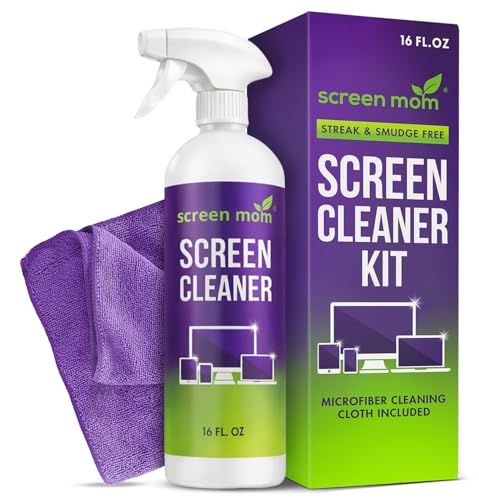
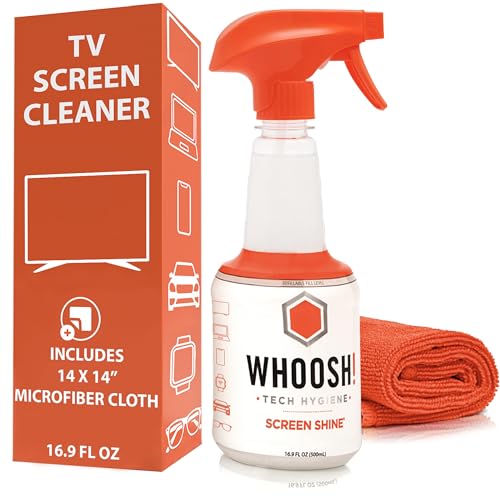
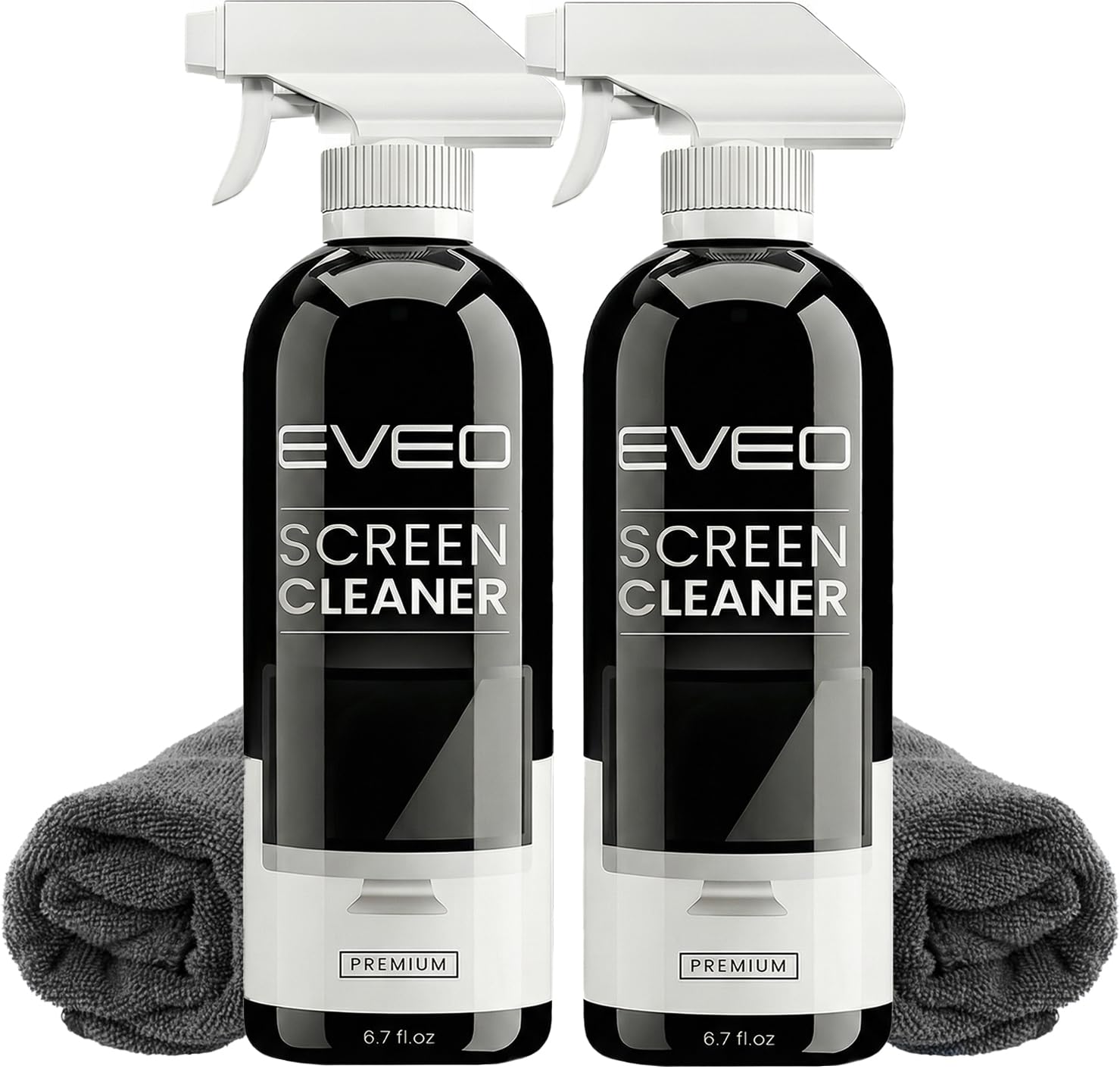
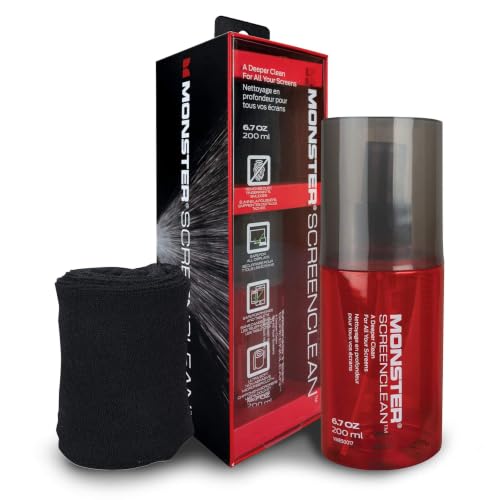


Who Should Buy a Cleaner Made for Monitors?
Buyers differ by screen type, cleaning frequency and sensitivity to scent. Match your group below first, then compare features and price.
Home Office Workers With Daily Dust
You clean the same desk screen each week and need a routine that takes two minutes. Choose a spray with a fine mist and one large microfiber cloth you can wash and reuse. A medium bottle suits this pace because it lasts for months. If your screen sits on a desk you clean often, see our guide to the best cleaner for computer monitors for a closer look at desk setups.
Gamers and Creators With Coated Displays
You likely own a matte, glossy or high resolution panel where streaks show at once under bright light. Choose a formula that states it is safe for coated screens and contains no alcohol and no ammonia. A gel helps you place liquid on the cloth rather than on the panel. If you are also comparing panels, see our guide to the best gaming monitors to understand the finishes you may clean.
Households Sharing Screens With Kids and Pets
You deal with sticky finger marks and more frequent cleaning than a single user desk. Choose wipes or a spray with a sturdy cloth for quick passes, and pick a fragrance free option if scent lingers in a small room. Store the bottle out of reach of young children and pets. Value matters here because frequent cleaning uses more product.
Key Features to Compare
Choosing the best cleaner for monitors comes down to five factors that affect the coating, the finish and the cost per use.
Coating Safety and Ingredients to Avoid
Coating safety matters most because many displays carry a thin anti glare layer that harsh chemicals can wear away. Look for a label that states the formula is safe for LCD, LED and OLED screens and contains no ammonia and no alcohol. Avoid everyday cleaners made for windows or counters, since those products often include solvents that can leave a cloudy patch. If a label hides its ingredients, choose a clearer option instead.
Streak Free Finish and Residue
A good monitor cleaner dries evenly and leaves no film that catches light at an angle. Thin, water based formulas tend to dry cleanly when you use a small amount and buff lightly with the dry side of the cloth. Thick formulas and scented oils can leave residue that looks like a new smudge, especially on matte panels. Judge the result in daylight as well as under a desk lamp, because residue shows first in strong side light.
Format: Spray, Gel, Wipes and Concentrate
Format shapes control and waste. A spray with a fine mist suits most desks because you can mist the cloth and wipe once. A gel clings to the cloth and reduces drip risk near ports and bezels. Wipes offer speed for shared screens but create ongoing cost and waste. A concentrate refill lowers cost per use for offices with many screens, but you must follow the dilution ratio on the label exactly.
Cloth Quality and Static Control
The cloth does half the work, so judge its weave, size and edges as closely as the liquid. A dense microfiber cloth with soft, finished edges lifts oil without dropping lint and is less likely to trap grit. Larger cloths fold into fresh sections during one cleaning, which helps on wide displays. Some cleaners also claim static reducing effects that slow dust return. Treat that claim as a small bonus rather than a reason to pay much more.
Scent, Sensitivity and Safer Labels
Scent is a practical choice, not just a preference. A fragrance free cleaner suits small rooms, shared offices and users who react to strong smells. If you prefer a scented option, check that the scent fades fast and leaves no oily film. Buyers who want a lower impact option can look for the EPA Safer Choice label and for biodegradable ingredients on the package. A monitor cleaner is made to clean, not to disinfect.
What Your Money Gets You at Each Price Level
Price differences buy bottle size, cloth count and refill options more than cleaning power. Use the levels below to set a budget.
Simple Sprays for About $8 to $13
At this level you usually get one small spray bottle and sometimes one basic cloth. That setup suits a single laptop or one desk monitor cleaned each week. The trade off is value per ounce and cloth quality, since a thin cloth may leave lint.
Larger Kits for About $14 to $22
This level often adds a larger bottle, two cloths or a pack of wipes for travel. It suits most home offices because you can keep one cloth in use while the other dries after washing. Cost per use drops, and you gain a spare cloth for wide or dual screen setups. For many buyers, this level covers every real need.
Refill and Multi Screen Kits for About $23 to $35
Higher priced kits focus on volume, with large refills, concentrate bottles, several cloths or wipes for more than one room. They make sense for offices and homes with four or more screens to clean each week. Readers building a multi screen desk may also want to see our guide to the best computer monitors for gaming for panel choices that shape cleaning needs.
Common Mistakes to Avoid
Most damage and streaks come from method errors rather than from the cleaner itself.
- Spraying liquid straight onto the screen lets drips run into the bezel and ports, where moisture can cause lasting harm.
- Using paper towels or rough tissues leaves lint behind and can drag grit across a delicate coating.
- Cleaning while the monitor is on and warm makes liquid dry too fast and leaves visible streaks.
- Pressing hard on an LCD panel to remove a spot can damage pixels and spread the smudge wider.
- Reaching for a disinfecting wipe for daily dust can wear the coating because those wipes are made for hard surfaces.
- Using too much cleaner floods the cloth and leaves residue that needs a second cleaning.
How to Clean a Monitor and Care for Your Cloths
Turn the monitor off and let the screen cool so smudges show clearly against the dark panel. Mist the cloth lightly, never the screen, and wipe in slow, overlapping passes from top to bottom. Turn the cloth to a dry section and buff gently until the surface looks even. For a stubborn spot, hold a damp section of cloth on the spot for a few seconds before wiping.
Wash microfiber cloths on their own with mild detergent, skip fabric softener, and let them air dry, because softener coats the fibers and reduces how well they lift oil. Store cloths in a clean pouch so they do not collect grit. Replace a cloth when its edges fray or it still leaves lint after washing. Keep bottles upright, capped and away from heat.
Frequently Asked Questions
What features matter most in a cleaner for matte and glossy monitors?
Coating safety matters most for both matte and glossy monitors. Choose a formula that names your screen type, contains no ammonia and no alcohol, and pairs with a dense microfiber cloth. Matte finishes show residue as a dull haze, while glossy finishes show streaks as bright lines. Test any new cleaner on one lower corner first before you clean the full screen.
Is a cleaner for monitors safe to use around kids and pets?
A cleaner for monitors is safe around kids and pets when you follow the label and keep the product out of reach. Clean when children and pets can stay clear of the wet cloth, and let the screen dry fully before normal use resumes. Never let a child spray the product. If a child or pet swallows the liquid, contact a doctor, a veterinarian or poison control.
What should you never mix with a cleaner for monitors?
You should never mix a cleaner for monitors with any other cleaning product. Mixing can create fumes or produce a liquid that harms a screen coating. Keep monitor cleaner separate from bleach, ammonia based glass cleaner and vinegar in use and in storage. If you switch products, use a fresh cloth for the new product.
How often should you clean a monitor with a screen cleaner?
Clean a monitor when dust or finger marks affect your view, which for most desks means once every one to two weeks. Touch screens and shared screens may need a light pass twice a week. Dust with a dry cloth between wet cleanings. Cleaning more often wastes product and adds needless friction on the coating.
Are natural cleaners as effective for monitors as standard sprays?
Natural cleaners can be as effective as standard sprays for dust and light finger marks when the formula is made for screens. Check for clear safety claims and full ingredient lists, since the word natural alone does not prove a product is gentle. Plain water handles fresh dust well. Avoid homemade vinegar mixes, because acid can harm coatings.
Final Thoughts
Start with coating safety, then choose a format you will use with care, and let price follow bottle size and cloth quality. A simple spray and a good cloth cover most desks, while larger kits earn their cost only when you clean many screens. Use the product table above to compare size, format and price.
When you judge the best cleaner for monitors by those points, you protect the coating and get a clear screen with less effort. Buy the simplest option that suits your display and keep the cloth clean.