Best Clean PC Cases: Everything to Know Before Your First Purchase for 2026
Disclosure: We may earn a commission when you buy through links on this page, at no extra cost to you. As an Amazon Associate I earn from qualifying purchases. Learn more

Shopping for the best clean pc cases for the first time? Learn the key terms, compare sizes and cooling, and avoid common rookie mistakes with ease.
A clean build is not only about looks. When you choose best clean pc cases for your first system, you are really choosing how easy the build will feel, how tidy the cables will stay, and how simple cleaning will be later. This guide starts with plain language basics, then moves to size, cooling, and parts fit so you can decide with confidence.
Use the comparison table below to compare sizes, panel styles, and included features side by side. As you read, focus on your desk space, your graphics card length, and how much room you want for future upgrades rather than on decoration alone.



Clean PC Cases 101: The Basics for New Buyers
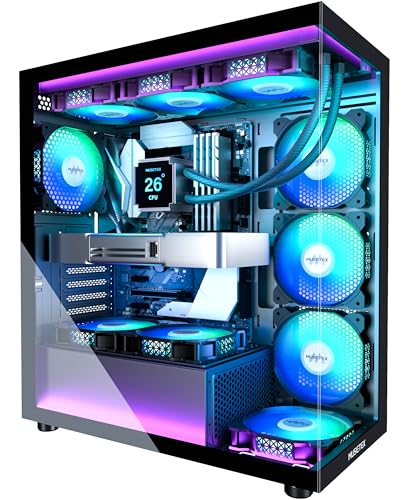
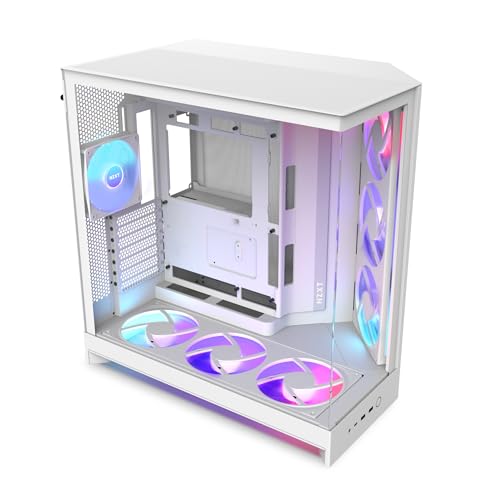
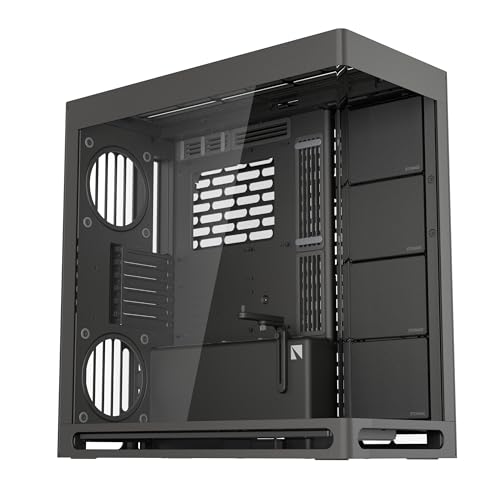
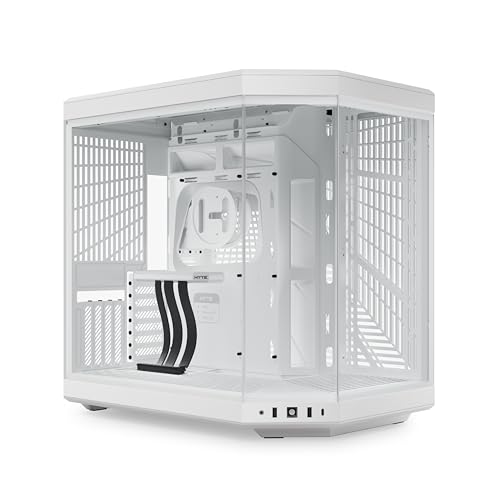
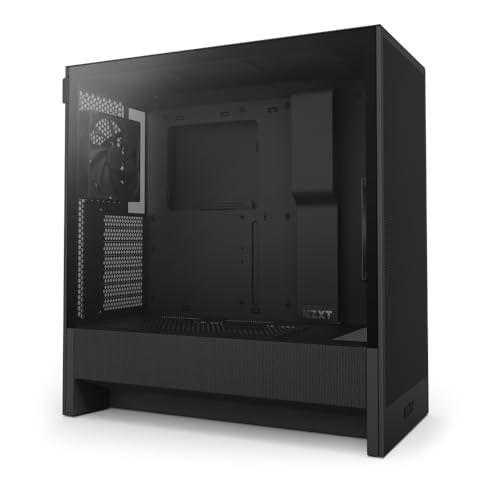
The best clean pc cases are designed to hide clutter and keep airflow paths clear. Most use a power supply shroud to cover cables at the bottom, covered channels behind the motherboard tray for routing, and a glass or solid side panel that shows a neat interior instead of a tangle of wires. The details decide whether tidiness lasts after you add drives and fans.
Size is the first basic to settle. Full tower cases give generous room but take a lot of desk or floor space. Mid tower cases suit most standard ATX boards and are the easiest starting point for most people. Smaller options narrow your board and cooler choices, so if you are comparing compact options, see our guide to the best ITX PC cases for builds that use a mini ITX board and careful parts planning.
Between the two sits the micro ATX format, which keeps a build compact while allowing a slightly larger board and more expansion slots than mini ITX. If that middle ground sounds right for your desk, see our guide to the best mATX PC cases and compare the footprint against a standard mid tower before you commit.
Builders have valued tidy routing, quiet panels, and sensible layouts for decades, long before glass panels became common. If you enjoy seeing how those priorities evolved, see our guide to the best PC cases of all time for designs that stayed popular because they were practical.
Key Specs Explained in Plain English
Only a handful of spec sheet numbers affect your daily experience. Look first at supported motherboard sizes, graphics card clearance in millimeters, CPU cooler height, radiator support, and fan mounts. Then check storage for an NVMe SSD and larger drives, plus front panel ports you will actually use.
CPU and GPU Pairing and Clearance
Your case does not set your frame rate, but it does decide whether the CPU and GPU you want will fit and breathe. Measure the graphics card length listed by its maker and compare it with the case clearance after a front fan or radiator is installed, because that installed clearance is often shorter than the headline number. For 1440p play, many buyers choose a midrange GPU that runs longer and thicker than entry cards, so leave spare room rather than buying a case that barely fits.
Also check cooler height for a tower air cooler or radiator thickness for liquid cooling. Balanced pairing matters too. A very powerful GPU paired with an older CPU can limit performance in some games, while a modest card in a large airy case leaves you paying for space you do not need yet.
Upgradability and Standard Parts
Standard parts make a first build easier to change later. Cases built around common ATX, micro ATX, or mini ITX boards use standard mounting holes, standard power supply sizes, and widely available fans and radiators. That means you can move the same case into your next build or replace a single part without starting over. Custom built PCs benefit most from this approach because each upgrade can be planned one part at a time.
Be cautious with cases taken from some prebuilt gaming desktops. A few use unusual board shapes, unusual front panel wiring, or power supplies with nonstandard sizes that limit swaps. If you reuse a case you already own, check the board standoff pattern and power supply dimensions before ordering anything.
Cooling and Thermals
Cooling keeps noise down as much as it keeps temperatures down. A case with a mesh front or generous side and top vents lets fans spin slower for the same result, and slower fans are quieter fans. Closed front panels can look very tidy, but they need side gaps wide enough to feed the front fans. Check how many fans are included, where they sit, and whether the case supports 120 mm or 140 mm sizes in the positions you plan to use.
Fan choice shapes the result as much as fan count. Blade design, bearing type, and speed range all affect noise at your desk, so read fan specs as carefully as case specs when quiet matters to you. If you plan to add or replace fans later, see our guide to the best PC case fans for a clear look at sizes and speed control options that match common case mounts.
Placement matters too. Front fans usually bring cool air in, while rear and top fans push warm air out. Keep cables tucked into the rear channels instead of letting them hang across the main chamber.
Warranty, Support, and Build Quality
Build quality shows up in small places. Look for panels that feel firm, edges that are folded or smoothed so hands and cables are not cut, and a side panel that closes without forcing it. Cable channels should be deep enough for the main power cable, and included straps should hold bundles without crushing them.
Warranty terms for cases are usually simple and often run about one to three years, covering defects rather than damage from a drop or a forced panel. Keep the receipt and the box for the first weeks in case a fan or port arrives faulty. A maker that ships a small replacement part quickly can save you from returning the whole case.
Power Supply Quality
Most clean cases hide the power supply under a shroud, but you still need to choose that unit well. Check the supported size, usually standard ATX, and confirm the length fits with room for cables to bend below the shroud. Wattage should match your CPU and GPU with sensible headroom for upgrades, often about 100 to 200 watts above your expected draw, so the unit runs calmly instead of near its limit under load.
Efficiency ratings help you compare waste heat and running cost. A unit carrying the 80 Plus Gold efficiency label offers a good balance of price and efficiency for most gaming builds, and it tends to produce less extra heat inside the lower chamber. Modular cables also suit a clean build because you connect only the leads you need and leave the rest in the box. Fewer loose cables behind the tray means the rear panel closes easily and stays flat.
Rookie Mistakes to Avoid
- Buying by looks alone and ignoring graphics card clearance, so the card you want does not fit once front fans are installed.
- Choosing a case that is too small for your board size, so ports, slots, and mounting holes never line up.
- Stuffing every cable into the main chamber instead of the rear channels, so airflow drops and the glass panel shows the mess.
- Adding fans without a plan for direction, so intake and exhaust fans fight each other and noise rises without better cooling.
- Forgetting to check front panel ports before buying, so a headset, controller, or fast external drive has no suitable place to plug in.
Getting Started: Setup and First Use
Start on a clear table with good light. Lay the case on its side, remove both panels, and plan cable routes before any part goes in. Install the power supply first and feed its cables through the nearest openings, then fit the motherboard with its rear shield in place. Add storage, the graphics card, and cooling in an order that keeps your hands free, and leave the side panel off until the system starts correctly for the first time.
Once the system runs, tidy in stages. Bundle the rear cables loosely, check that no cable touches a fan blade, and only then tighten straps and close the rear panel. Update GPU drivers from the maker site after Windows is installed, and treat BIOS updates with care by following the board maker steps exactly and never cutting power during the process.
Care is simple and specific to the case itself. Every three months or so, shut the system down, remove the front and bottom dust filters, and rinse or brush them clean before refitting them fully dry. Wipe the glass with a soft cloth and check that fans spin freely. Dust left on filters forces fans to work harder, so this routine keeps noise and temperatures steadier.
FAQ
How much GPU clearance do clean PC cases need for 1440p gaming?
Clean PC cases for 1440p gaming should offer at least 20 to 30 mm more graphics card clearance than the length of the card you plan to buy. That spare room covers front fan depth and lets power cables bend without pressing on the side panel. Also check card thickness in slots, because many current cards occupy close to three slots and can crowd a smaller case.
Should clean PC cases use air cooling or an AIO cooler for the CPU?
Either air cooling or an AIO cooler can work well in a clean PC case, so choose based on fit and the look you prefer. A tower air cooler keeps things simple with no pump or hoses, while a 240 mm or 360 mm AIO cooler gives a very open view around the CPU socket. Confirm radiator support at the top or front before buying, because not every tidy case fits both positions.
How long do clean PC cases stay useful across new builds?
A clean PC case built around standard parts can stay useful through two or three full system builds, often many years of service. Cases do not age the way processors do, since board sizes and power supply mounts change slowly. The parts most likely to date a case are its front ports, so choosing USB C on the front panel helps it feel current for longer.
How often should dust filters on clean PC cases be cleaned?
Dust filters on clean PC cases should be cleaned about every three months, and more often in homes with pets or carpet near the case. A quick check takes a minute: hold the front filter up to the light and clean it if the mesh looks dull or gray. Cleaning on schedule also gives you a regular chance to spot a loose cable or a fan that has stopped spinning.
Is it cheaper to build in a clean PC case or buy a prebuilt gaming desktop?
Building in your own case is often cheaper when you catch parts on sale, while a prebuilt gaming desktop can cost less during deep promotions and saves assembly time. The bigger difference is control. Your own case choice guarantees standard parts, tidy routing, and easy upgrades later, and it lets you reuse the case and power supply in the next build, which lowers long term cost further.
Final Thoughts
The right choice comes down to fit, airflow, and routing you can live with. Check board size, graphics card clearance, and cooler support first, then look at cable channels, dust filters, and front ports. The product table above pulls those details together so you can compare your shortlist without opening a dozen tabs.
For a first build, a standard mid tower with a power supply shroud, honest vents, and room to grow is hard to beat. Choose the best clean pc cases that match your parts and your desk today, and the build will stay tidy, quiet, and easy to upgrade for years.