
Best Cases for PC Build for 2026: A First Time Guide
Disclosure: We may earn a commission when you buy through links on this page, at no extra cost to you. As an Amazon Associate I earn from qualifying purchases. Learn more
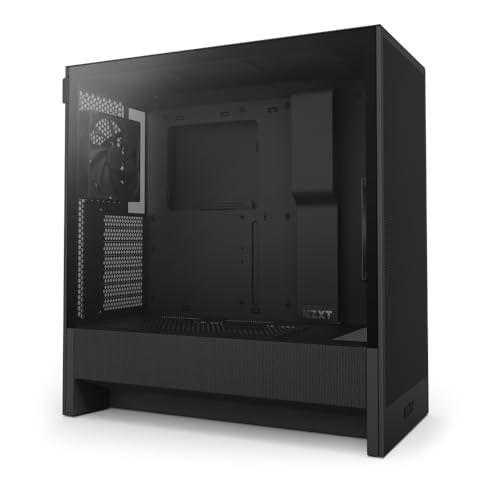
Learn how to choose among the best cases for pc build with plain explanations of size, airflow, cable space, and fit, plus first time buyer mistakes to avoid.
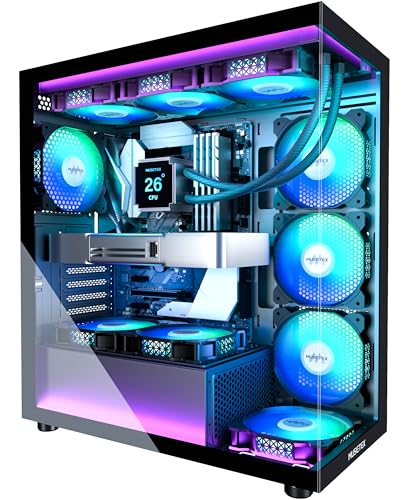
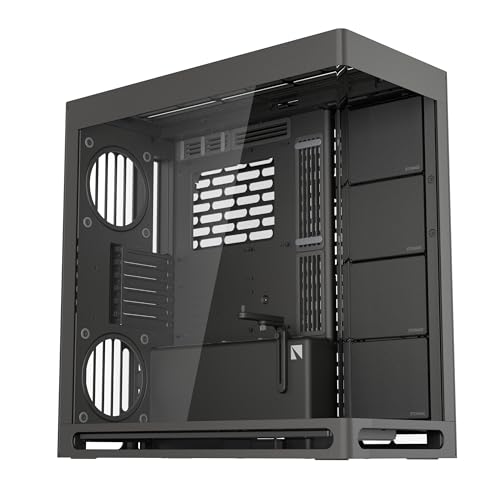
Choosing among the best cases for pc build projects can feel harder than it should, because a case shapes cooling, noise, cable routing, and how easy the build feels from the first screw to the last cable tie. This guide explains the basics in plain language and helps you match a case to your parts, your desk, and your budget, and the comparison table below can help you compare the main types side by side.
A good case does not need to be large, flashy, or expensive. It needs to fit your motherboard, leave room for your graphics card and cooler, move air in a sensible path, and let you reach every connector without forcing cables into tight bends. Keep those four tests in mind.




Who Should Buy Which PC Case?
First Time Builders Who Want Room to Learn
If this is your first build, choose a case with clear cable channels, removable panels, and generous room behind the motherboard tray. Extra space forgives small routing mistakes and makes it easier to fix a cable or reseat a connector later.
Builders Planning a Compact Desk Setup
A compact build suits a small desk or a shared room, but it demands careful checks before you buy. Measure the graphics card length, cooler height, and power supply length, then compare each number with the case limits. See our guide to best itx pc cases if you want a small footprint, and be ready to plan cable routing before parts go in.
Builders Who Expect to Upgrade Later
If you plan to add storage, a larger cooler, or a longer graphics card later, buy headroom now. Extra drive bays, fan mounts, and radiator support cost little at the start and save a full case swap later. A case that fits only your current parts can make an upgrade costly.
Key Features to Compare
Features That Matter for a PC Build
A build focused case should give you a clear path for air, tool free drive trays or simple screws, and a power supply shroud or basement that hides cables. Front panel connections should be easy to reach, and the side panel should come off without a struggle. These details affect every build session, not just the first day.
Intended Use and Who It Is For
Office builds need quiet airflow and dust control more than extra fan mounts. Gaming builds need stronger intake, room for a long graphics card, and space for a tall air cooler or a radiator. A home server build needs drive capacity and steady airflow over storage. Name your main use first, then judge every feature against it.
Size, Weight, and Fit for Your Space
Measure your desk depth, floor space, and the clearance for side panels before you order. A tall case may block a shelf, while a deep case may push against a wall and starve rear exhaust.
Safety and Certifications
Look for sturdy panels, smooth edges, and a power supply mount that holds the unit firmly. Follow maker guidance for electrical parts, keep liquids away from the open case, and keep small screws and panels away from children during a build. If a panel feels sharp or a mount feels loose, treat that as a warning sign, not a minor flaw.
Key Performance Specs
Focus on supported motherboard sizes, maximum graphics card length, maximum cooler height, fan sizes, and radiator support. Fan count alone tells you little, because placement and intake area matter more than a raw total. A case with a mesh front and two well placed intake fans often cools better than a closed front with four fans fighting for air.
Maintenance and Long Term Costs
Dust filters, removable panels, and easy fan access lower long term effort. A case with filters you can rinse or wipe will stay quieter and cooler than a case that traps dust inside. Also check whether spare filters, screws, or front panel cables are easy to replace, because small parts are the ones most likely to go missing during a move.
Measuring Fit and Checking Compatibility
Start with the motherboard form factor, then check graphics card length, cooler height, power supply length, and drive count. Compare each limit in the case specs with the matching dimension on your parts list, and leave a small margin for cables and connectors. See our guide to best matx pc cases if you want a middle ground between a large tower and a very small case.
Also check radiator thickness if you plan liquid cooling, because a radiator plus fans needs more depth than fans alone. A quick written checklist prevents most fit surprises and saves a return.
Common Mistakes to Avoid
- Buying for looks first and discovering that the graphics card does not fit, which can force a costly swap.
- Ignoring front intake, so warm air recycles inside the case and fans run louder than they should.
- Choosing a case with no cable space behind the tray, which makes the side panel hard to close and can press on cables.
- Forgetting drive needs, so a planned storage upgrade has nowhere sensible to mount.
- Skipping dust filters, which lets dust coat fans and heatsinks and shortens the time between cleanings.
Getting Started: Setup and First Use
Read the manual before first use, then lay out screws, standoffs, and cables on a clean surface. Install the power supply and route its main cables first, then fit the motherboard, cooler, and graphics card in an order that keeps your hands free. See our guide to best pc case fans when you plan intake and exhaust, and test fans and front panel buttons before you close both side panels.
Clean and inspect regularly, and check that no cable touches a fan blade after you move the computer. Close the case only after temperatures look stable and every panel sits flush.
Spending Levels: What Changes as You Spend More
At a modest spend, expect solid steel panels, a mesh front, and enough room for a standard build. In the middle band, you often gain better cable channels, removable filters, quieter fan mounts, and more radiator options. At a higher spend, you may gain thicker panels, refined airflow design, and more flexible mounting, but those gains matter most for large or hot builds.
Do not pay extra for lighting or glass if your budget is tight, because airflow and fit affect daily use far more. Spend first on size, cooling, and cable space, then treat appearance as a bonus.
How to Make Your Case Last Longer
Read the manual before first use, clean filters on a regular schedule, and inspect fans and cables when you open the case. Store the computer in a dry place, keep vents clear of books and fabric, and avoid moving it while it is running. Small habits like these keep panels, mounts, and fans in good shape for years.
Cases: Your Questions Answered
What features matter most in cases for pc build?
The features that matter most are fit, airflow, and cable space, because those three decide whether your parts install cleanly and stay cool. Check motherboard support, graphics card length, and cooler height first, then look at intake area and filter access. One extra point many first time buyers miss is front panel cable length, since short cables can force awkward routing in a deep case.
How long does a case last?
A well made case can last through several builds, often far longer than a graphics card or a power supply. Panels, mounts, and filters wear out slowly if you clean dust and avoid forcing panels. One point worth checking is whether the front panel connectors use a standard layout, because a nonstandard connector can limit reuse with a future motherboard.
How much should I spend on a case?
Most first time builders do well in the range of about $60 to $120, where fit and airflow are usually solid without paying for show features. A smaller or simpler office build can cost less, while a large cooling focused build may cost more. A useful extra check is the cost of extra fans, since a case that ships with few fans may need added fans to reach the airflow you want.
Are expensive cases worth it?
Expensive cases are worth it when you need their specific strengths, such as extra radiator room, very quiet panels, or flexible mounting for a complex build. For a standard build, the gains are often small, and the money may serve you better in cooling or storage. An extra point to weigh is weight, because heavier premium panels can make a computer harder to move for cleaning.
How do I maintain a case?
Maintain a case by cleaning filters, wiping panels, and checking fans and cables on a regular schedule. Power down before you open the case, and keep screws in a small tray so none go missing. One point many builders skip is checking the rear exhaust for dust buildup, since a blocked exhaust can raise temperatures even when intake filters look clean.
Final Thoughts
Pick size first, then airflow, then cable space, and let appearance follow those choices. A case that fits your parts, moves air sensibly, and lets you work inside it without a fight will make every future upgrade easier. Use the product table above to compare types, then choose the best cases for pc build option that matches your parts, your desk, and your budget.

