Best Clawfoot Tubs: A Practical Buying Guide for 2026
Disclosure: We may earn a commission when you buy through links on this page, at no extra cost to you. As an Amazon Associate I earn from qualifying purchases. Learn more

Learn how to choose best clawfoot tubs with confidence, covering fit, features, costs, and care for a sound daily choice. Read the checks before you order.
Choosing the best clawfoot tubs can feel confusing at first, because options often look similar in photos and listings. This guide explains the choices in plain language, so you can compare material, size, plumbing, and floor support with confidence.
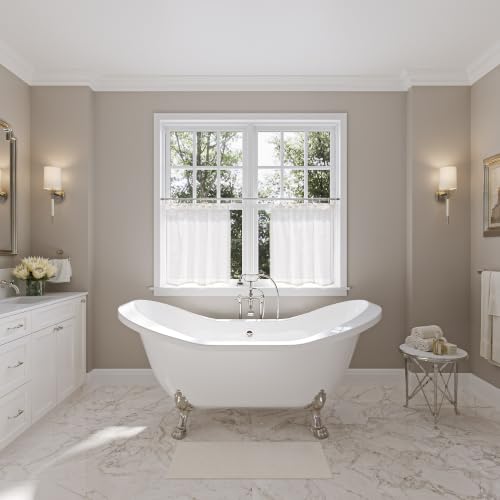
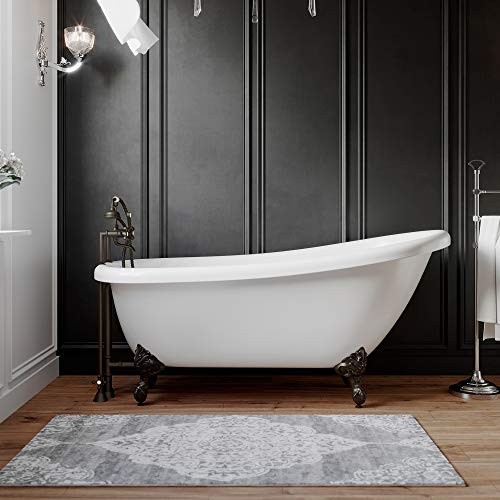
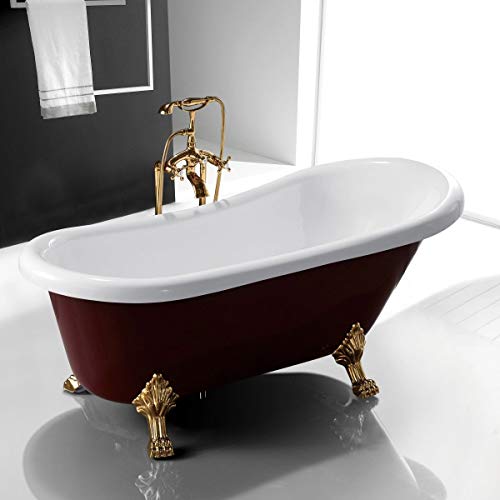
Clawfoot tubs bring a freestanding, vintage look to a bathroom, with deep soaking space and feet that lift the tub off the floor. The comparison table below can help you scan options quickly, while the sections that follow explain what each feature means once the tub is installed and in daily use.





Who Should Buy a Clawfoot Tub
Different buyers need different strengths from a clawfoot tub, so start with your own bathroom and routine rather than a general ranking. The groups below cover the most common situations.
Renovation Buyers
Renovation buyers who restore an older home often want a tub that matches period style, and a clawfoot tub anchors that look better than any other fixture. Cast iron suits a house with original floors that were built for heavy tubs, while a reproduction in acrylic gives the same silhouette to a house whose joists were never meant to carry one. Before ordering, confirm the floor strength, the drain position, and the width of every door and stair turn on the delivery path.
Soaking Focused Buyers
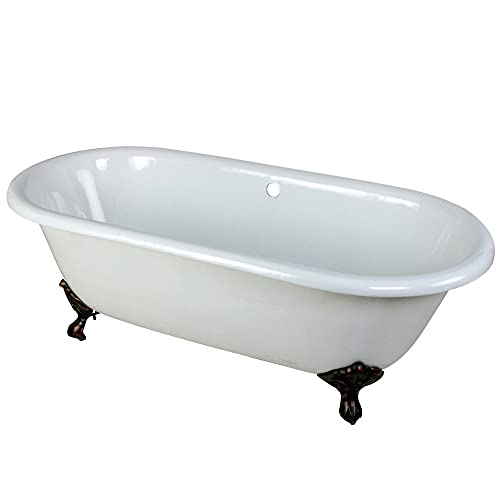
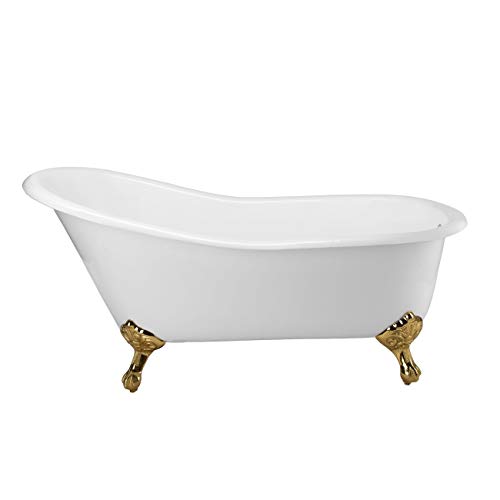
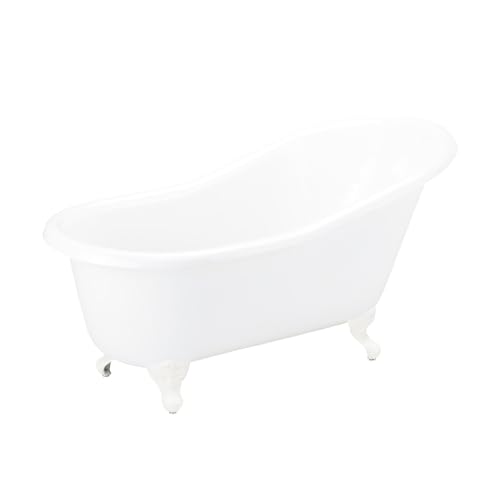
Soaking buyers want depth, length, and a shape that supports the back during long baths. A slipper tub, with one end raised, props the shoulders and suits a single bather who likes to recline. A double slipper raises both ends so two people can face each other, and a double ended roll rim tub keeps the drain in the center so either end is comfortable. Look at the overflow height as well as the length, because overflow height sets the real water depth.
Small Bathroom Buyers
Small bathroom buyers need a compact tub that still offers a comfortable soak without crowding the room. Tubs of about 54 to 60 inches fit where a standard alcove tub sat, and a smaller tub still needs about 4 to 6 inches of clearance on every side for cleaning and for the exposed plumbing. A wall mounted or tub mounted filler saves the floor space that a freestanding floor filler would take.
Key Features to Compare
Features matter only when they change daily use, so judge each one against your bathroom and your bathing habits.
Material and Heat Retention
Cast iron with a porcelain enamel surface holds heat for the whole bath, feels solid underfoot, and can be refinished decades later. The cost is weight: an empty cast iron tub commonly weighs about 250 to 400 pounds, before any water or bather. Acrylic is a fraction of that weight, warms to the touch quickly, and is easier to carry up a staircase, but it cools faster and thin shells can flex under a standing adult. Fiberglass costs the least and weighs the least, yet its gel coat dulls and scratches sooner, so it suits a guest bath more than a daily soaking tub.
Size and Soaking Depth
Length, width, and interior depth together decide whether you can stretch out without water spilling over. Common lengths run about 54, 60, 66, and 72 inches, and the right one is set by the tallest regular bather first and the room second. Interior depth to the overflow, often about 14 to 18 inches, matters more than the exterior height, so look for that figure in the listing. Measure the tallest user from the back of the knee to the shoulder, and compare that number with the interior length rather than the overall length, which includes the rolled rim.
Plumbing and Drain Position
A freestanding tub needs a drain and a filler that line up with the plumbing in your floor and wall, with access left for future repairs. Tubs come with the drain at one end or in the center, and a tub whose drain sits over a joist or far from the existing waste line adds plumbing work before it adds any comfort. Fillers come in three styles: wall mounted, floor mounted beside the tub, and deck or rim mounted through drilled holes in the tub itself. Confirm whether the tub arrives with faucet holes drilled or undrilled, since that decision locks in the filler style.
Floor Strength and Support
A filled cast iron tub is heavy. Add the empty weight to about 8 pounds per gallon of water, often 40 to 60 gallons, plus the bather, and the total rests on four small feet rather than a flat base. Ask a contractor or structural professional to check the joists and subfloor before ordering, especially in older homes or on an upper floor. Acrylic tubs put far less load on the floor, which is the main reason they dominate second floor installations.
Feet, Finish, and Hardware
The feet are the detail that gives the tub its name, and they come in ball and claw, lion paw, and plain cannonball styles, finished in chrome, brushed nickel, oil rubbed bronze, matte black, or polished brass. Match the foot finish to the filler, drain, and supply lines so the exposed metal reads as one set. Check whether the feet bolt to the tub or slot into cast lugs, because bolted feet are easier to level on an uneven floor. The exterior paint on a cast iron tub can be ordered in color or painted later, which is a cheap way to make a standard tub feel custom.
Types and Options to Consider
The best clawfoot tubs fall into a few broad types, each with its own trade offs. Knowing the type narrows the field before you compare smaller details.
Cast Iron Clawfoot Tubs
Cast iron tubs offer the best heat retention, a solid feel, and a service life measured in decades. They suit buyers who prioritize soaking comfort and whose floor can carry the weight. Prices run about $1,200 to $2,500 for the tub alone, and delivery often needs two or more people and a clear path through the house. Chips in the enamel can be touched up, and a worn surface can be reglazed rather than replaced.
Acrylic Clawfoot Tubs
Acrylic tubs are lighter, easier to install, and available in more shapes and colors, including deep double slippers and compact 54 inch models. They suit upper floors and renovations where weight or access rules out cast iron, and they commonly cost about $600 to $1,200. Look for a reinforced base and a stated wall thickness, since those two details separate a firm tub from one that creaks underfoot.
Copper and Specialty Tubs
Copper, brass, and stone resin tubs offer a distinctive look and a warm feel, and they suit statement bathrooms where the tub is the centerpiece. Copper develops a living patina unless it is sealed, stone resin holds heat well but is heavy, and both cost far more than cast iron. Check the cleaning guidance before you buy, because many of these finishes forbid the bathroom cleaners you already own.
Common Mistakes to Avoid
Many disappointing purchases come from a few avoidable errors. Watch for these traps while you shop, and slow down when a deal pressures you to decide quickly.
- Ordering a tub without checking door width and stair access for delivery.
- Ignoring floor strength for a filled cast iron tub on an upper floor.
- Assuming the existing drain will line up with a freestanding tub.
- Choosing length from photos without checking interior depth and overflow height.
- Forgetting that the filler, drain kit, and supply lines are usually sold separately and can add several hundred dollars.
How to Choose Step by Step
A short, ordered process keeps the choice calm and consistent. Work through these steps in order, and keep notes so you can compare options fairly.
- Measure the bathroom, doorways, and stair route for delivery, and tape the tub footprint on the floor.
- Check floor strength and drain position with a professional.
- Choose material for weight, heat retention, and care.
- Pick the filler style, then confirm the tub comes drilled or undrilled to match it.
- Confirm the drain kit, supply lines, and foot finish before ordering, so the exposed hardware arrives as one matching set.
Care and Long Term Use
Clean the tub with a gentle, non abrasive cleaner and rinse after each use to protect the finish. Enamel tolerates most bathroom cleaners, acrylic needs non abrasive formulas only, and copper and stone need the products their makers name. Dry the feet and the floor around them, because standing water at the feet is what starts rust spots on cast iron and dark rings on wood or tile floors. Our guide to the best cleaners for tubs sorts cleaners by tub material.
Inspect the drain joint, the supply connections, and the floor under the tub during routine bathroom cleaning, since a freestanding tub hides nothing and a slow drip shows up early if you look. If you notice leaks, soft flooring, or a tub that rocks on its feet, stop using it and have a plumber check the connections and the leveling before the next bath. Readers comparing finishes and build quality across all tub styles can also see our guide to the best quality tubs.
A Final Check Before You Order
Before you order, read your notes again and check that the tub you favor matches your main need, whether that is a long soak, a period look, or a compact fit, rather than a minor feature. Confirm the interior length against your tallest bather, the empty weight against your floor check, and the drain position against your waste line.
Add up the whole project, not the tub price alone. The filler, drain kit, supply lines, any floor strengthening, and the plumber's time commonly add about $500 to $1,500 to the tub itself, and a tub that needs the floor opened to move the drain adds more. Confirm delivery timing, who carries the tub to the bathroom, and who is responsible if it arrives chipped, so a heavy tub never waits in a hallway while plumbing work is unfinished.
If you can, visit a showroom and sit in a tub of a similar length and depth. A short sit reveals more about back support and legroom than any photo, especially for taller bathers, and it settles the slipper versus double ended question in a minute.
Frequently Asked Questions
Are clawfoot tubs hard to install?
They can be, because delivery access, floor strength, and drain alignment all need checking before the tub arrives. The tub itself simply stands on its feet, but the exposed supply lines and drain need careful alignment and leveling, so professional installation is wise, especially for heavy cast iron models.
Do clawfoot tubs hold heat well?
Cast iron holds heat well once the enamel warms, while acrylic cools faster but is lighter and warmer to the touch at the start. A warm bathroom, a quick rinse of hot water over the tub before filling, and a tub filled near the overflow all help any material stay comfortable longer.
Can I put a clawfoot tub upstairs?
Yes, if the floor can support the filled weight and the delivery route allows it. Have a professional check the joists before ordering a cast iron model, and consider acrylic for upper floors, since it carries the same look at a fraction of the weight.
How do I clean a clawfoot tub?
Use a gentle cleaner suited to the tub material, rinse well, and avoid abrasive pads that dull enamel and scratch acrylic. Dry the feet and the surrounding floor after each bath to prevent rust spots and water damage, and wipe the painted exterior monthly so dust does not hold moisture against it.
Are they good for small bathrooms?
A compact 54 or 60 inch model can work, but you still need space to clean around the feet and reach the plumbing. Measure carefully, choose a wall or rim mounted filler to save floor space, and prioritize drain access over a slightly larger tub.
Final Thoughts
The product table above gives a quick overview, but the best choice comes from matching material, size, and plumbing to your bathroom. Take time to confirm fit and floor support, compare a small number of strong options, and price the whole installation rather than rushing toward the first listing.
When you are ready, choose the best clawfoot tubs candidate that fits your needs, your space, and your budget. A careful, unhurried choice will serve you for decades of long baths.