Best Clawfoot Bathtubs: What Actually Matters Before You Buy in 2026
Disclosure: We may earn a commission when you buy through links on this page, at no extra cost to you. As an Amazon Associate I earn from qualifying purchases. Learn more

Before you buy, the best clawfoot bathtubs pass four checks: floor load, drain position, fill time, and size. Compare cast iron and acrylic classes and costs.
Most clawfoot tub listings lead with photographs of feet and rim shapes, but the tubs that disappoint are almost never the ugly ones. They are the ones that arrive before anyone checked the floor, the drain, or the water heater. This checklist for best clawfoot bathtubs runs in the order a bathroom demands: structure first, plumbing second, bathing comfort last. The comparison table below collects the main classes and price bands so you can check each candidate against the list as you read.
Work through the sections in order and a heavy, permanent fixture becomes a calm purchase. Skip the early checks and even a beautiful tub can turn into a cracked ceiling or a cold bath.





The Checks That Matter Most
Floor Load Comes First
A clawfoot tub is a floor load decision before it is a style decision. Add the numbers up honestly: a cast iron tub can weigh about 250 to 400 pounds empty, 50 gallons of water adds about 415 pounds, and the bather adds their own weight on top, all resting on four small feet. That load lands on a few square inches of floor, so joist direction, joist condition, and the subfloor under the feet matter more than the tile pattern. On an upper floor or in an older house, have a builder or structural professional confirm the floor can carry the filled tub before you order.
Drain and Supply Positions
Plumbing position decides the install class. Some clawfoot tubs drain at one end, some at the center, and the waste line in your floor has to meet the drain you choose, or the floor has to open to move it. Filler choice splits the same way: freestanding floor mounted, wall mounted, and tub mounted fillers each need supply lines in different places. Exposed pipes are part of the classic look, so price them as part of the look: the visible pipework, filler, and drain kit can add a few hundred dollars to the tub itself.
Size, Weight, and Fit for Your Space
Length classes run about 54, 60, 66, and 72 inches, and the right one is set by the tallest bather and the room, in that order. A 72 inch tub that leaves no space to clean behind it will annoy you weekly, while a 60 inch tub the main bather cannot stretch in will annoy you daily. Measure the delivery path as carefully as the bathroom: door widths, stair turns, and landing space decide whether a cast iron tub can reach the room at all. Acrylic versions weigh a fraction as much and forgive a tight staircase.
Material and Heat
Material decides both the weight problem and the bath itself. Reading a guide to the best material for bathtubs side by side with this one helps, because the trade is simple: cast iron holds heat longest and shrugs off decades of use, but it creates the floor load above; acrylic is light and easier on the floor, but it can flex underfoot and loses heat faster. A clawfoot design is one branch of the wider best freestanding bathtubs family, and this section applies whether the feet are ornate or the base is a modern plinth.
Fill Time and Water Heating
Fill time is a volume problem hiding in plain sight. Clawfoot tubs are deep, and many hold about 40 to 70 gallons to the overflow. A standard 40 or 50 gallon tank heater can empty itself filling one large tub, leaving the last third of the fill running lukewarm and the bath cooling from the moment you step in. Match the tub volume to your heater capacity before you buy: choose a tub size your heater can fill with hot water to spare, or budget for a larger heater as part of the same project.
Safety and Getting In and Out
Clawfoot tubs stand tall, with rim heights often around 24 to 27 inches, so every bath starts with a high step over the side. That step is easy at thirty and worth planning for at seventy, or for anyone with a healing knee. A wall mounted grab bar beside the tub, a step that lives by the side, and a mat with real grip inside the tub are cheap additions that belong in the first budget.
Price Versus Value
Acrylic clawfoot tubs run about $600 to $1,200, cast iron versions run about $1,200 to $2,500, and installation with plumbing changes commonly adds about $500 to $1,500 on top. Shoppers comparing the wider shelf of best quality bathtubs will find the same pattern: the tub is only part of the bill, and the filler, drain kit, and floor work decide the real total. Value sits in the middle band for most homes, where you get sound castings or thick acrylic and proper fittings without paying for decorative finishes.
Three Build Classes That Pass the Checklist
Among the best clawfoot bathtubs, the classic cast iron class, around $1,200 to $2,500, suits a ground floor bathroom with strong joists and a bather who takes long soaks. Its strengths are heat retention and a service life measured in decades, since the enamel surface can be refinished rather than replaced. Its honest limit is logistics: the weight drives the floor check, the delivery plan, and the install cost all at once.
The acrylic class, about $600 to $1,200, suits upper floors, tighter budgets, and any staircase that argues against cast iron. Reinforced bases keep modern acrylic tubs firm underfoot, and two people can carry one. The limit is heat and feel: the bath cools sooner, and thin examples flex at the bottom, so wall thickness and base reinforcement are the details to confirm first.
The deep soaking class, about $900 to $2,000 depending on material, is built around water depth rather than length, with a high overflow that lets the water reach the shoulders. Readers comparing best bathtubs for soaking will see the same principle across shapes: depth, not length, makes a soak. It suits compact bathrooms and devoted bathers, and its limit is the fill check, because deeper water means more gallons.
Quick Buyer Checklist
- Has someone confirmed the floor can carry the tub filled, with a bather, on its four feet?
- Does the drain position on the tub match the waste line in your floor?
- Can your water heater fill the full volume with hot water to spare?
- Does the tub length fit the tallest bather and still leave room to clean around it?
- Can the tub physically travel the doors and stairs to reach the bathroom?
- Is there a grab bar and a safe way over the high rim in the plan?
Red Flags to Watch For
- No stated weight for the empty tub, which usually means the maker does not want the floor question asked.
- A drain kit and filler sold separately with no mention in the headline price, so the real total hides until checkout.
- Acrylic described with no wall thickness or base reinforcement details, a common sign of a tub that will flex.
- A warranty that covers the shell for years but the enamel or surface finish for only a few months.
Care and Maintenance Tips
Rinse the tub after each bath and wipe it dry weekly, because soap film and standing water at the feet are what dull enamel and invite rust at the fittings. Use non abrasive cleaners only, and treat any chip in enamel quickly before water reaches the iron beneath. Sealant choice is a separate consumable topic: our guide to the best caulk for bathtubs covers bathroom sealant classes, which matter at the wall and floor joins around the tub rather than at the tub itself. Once a season, check under the tub for slow drips at the drain and supply joins, when a small leak is still a cheap fix.
Frequently Asked Questions
How do I maintain a clawfoot bathtub?
Maintain a clawfoot bathtub with gentle, regular cleaning and quick repairs. The part most owners miss is the exterior: painted outer walls collect dust and bathroom moisture, so wipe them down monthly and touch up scuffs before rust spots form at the feet. Keep stored items from sitting against the outer wall, because trapped damp air is what starts paint bubbling between the feet.
Are expensive clawfoot bathtubs worth it?
Expensive clawfoot bathtubs are worth it mainly when the extra money buys cast iron and better fittings. A premium acrylic tub and a mid range acrylic tub bathe almost identically, so the jump shows up in casting quality, enamel thickness, and brass fittings that can be repaired rather than replaced. Run the cost per year instead of the sticker: a tub kept for thirty years shrinks even a large price difference.
How long does a clawfoot bathtub last?
A cast iron clawfoot bathtub can last 30 to 50 years or more, and many survive the houses around them. Acrylic versions usually serve about 10 to 15 years before the surface tires. In both classes the fittings die first: fillers, drain seals, and exposed pipe finishes typically need attention within the first decade. Buying standard fitting sizes at the start keeps later repairs cheap, because a plumber can source parts the same day.
How much should I spend on a clawfoot bathtub?
Most buyers should plan about $900 to $2,000 for the tub and fittings together, then add installation on top. Below that range you are choosing thin acrylic or accepting vague specifications, and above it you are paying for finish and presence more than function. Hold back part of the budget for the unglamorous lines: the drain kit, the filler, and any floor strengthening. Compare totals, not tub prices, against the product table above.
What features matter most when buying clawfoot bathtubs?
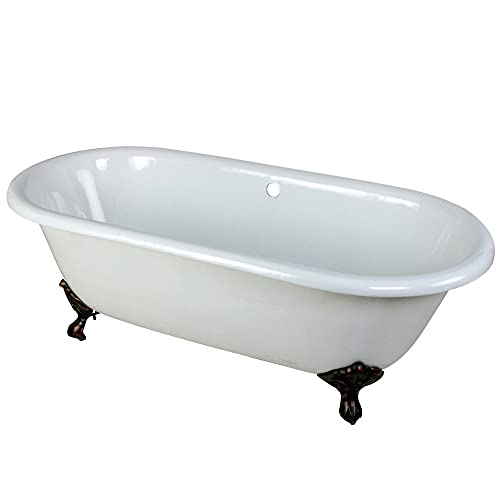
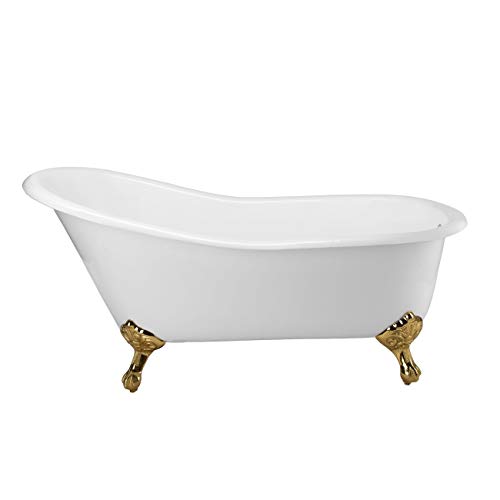
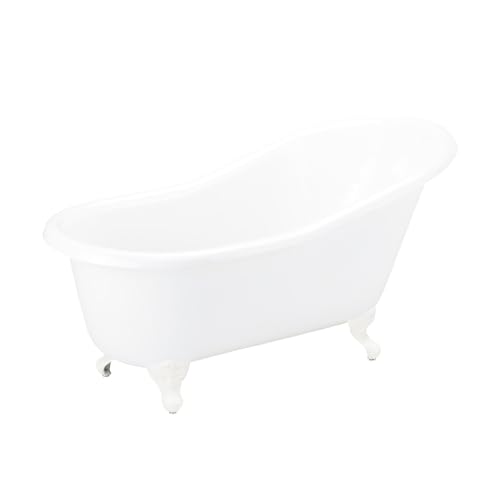
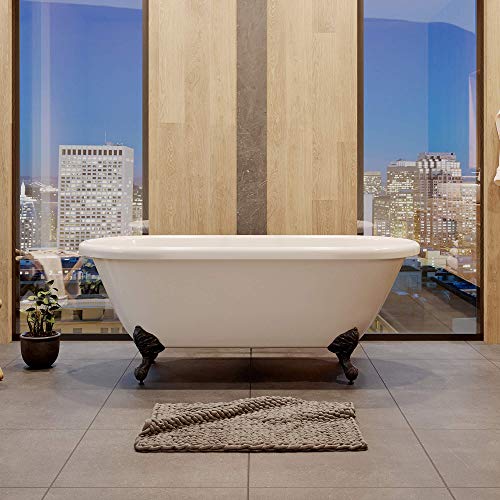
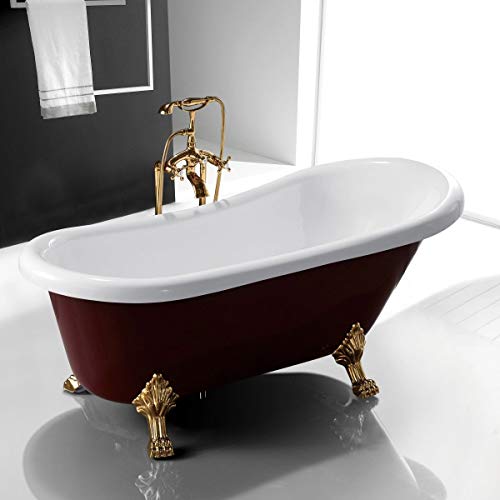
Drain position, tub volume against your heater, and foot and base construction matter most. Beyond the checklist, look at the overflow height, because it sets the true soaking depth, and at the rim shape: a rolled rim is comfortable against the back and arms, while a flat rim gives glasses and books a place to rest. Slipper shapes, with one raised end, support a reclined bather; double ended shapes let you bathe facing either way.
Final Thoughts
Buy in the order the bathroom demands: prove the floor, place the drain, size the heater, and only then fall for a rim shape. If those three checks pass, the best clawfoot bathtubs in the middle band will serve for decades, in cast iron or in sound acrylic. The product table above gathers the classes and totals side by side, so price the whole install, tub, fittings, and floor work together, before you commit.