
Best Bathtubs for Soaking: A Buying Guide for 2026
Disclosure: We may earn a commission when you buy through links on this page, at no extra cost to you. As an Amazon Associate I earn from qualifying purchases. Learn more
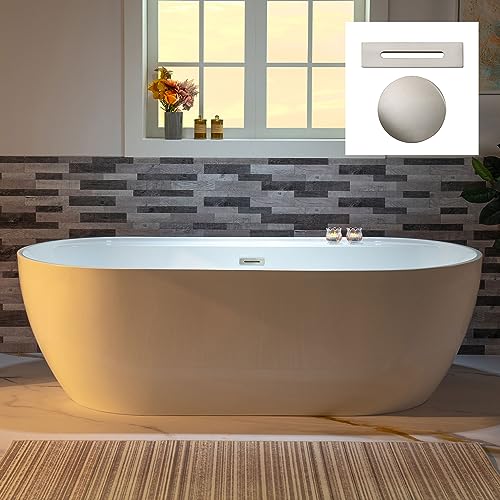
Choose the best bathtubs for soaking by true water depth first, then shape, material and floor weight, with clear notes on heaters and install costs.
A soaking tub is not a standard tub with better marketing. The best bathtubs for soaking are built around one number, the depth of water your body actually sits in, and that number is set by the overflow drain rather than by the height of the rim. Two tubs with the same outside size can leave one bather soaked to the shoulders and another soaked only to the waist.
This guide puts depth first, then shape, material, weight, and install cost, so you can match a tub to your bathroom, your floor, and your budget. The product table below shows the picks side by side, and the sections after it explain how to read the figures makers print.


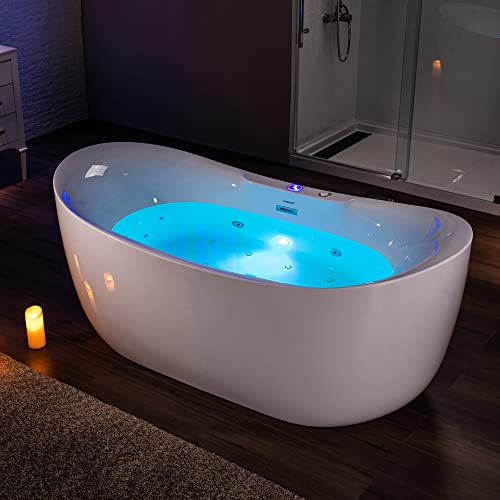
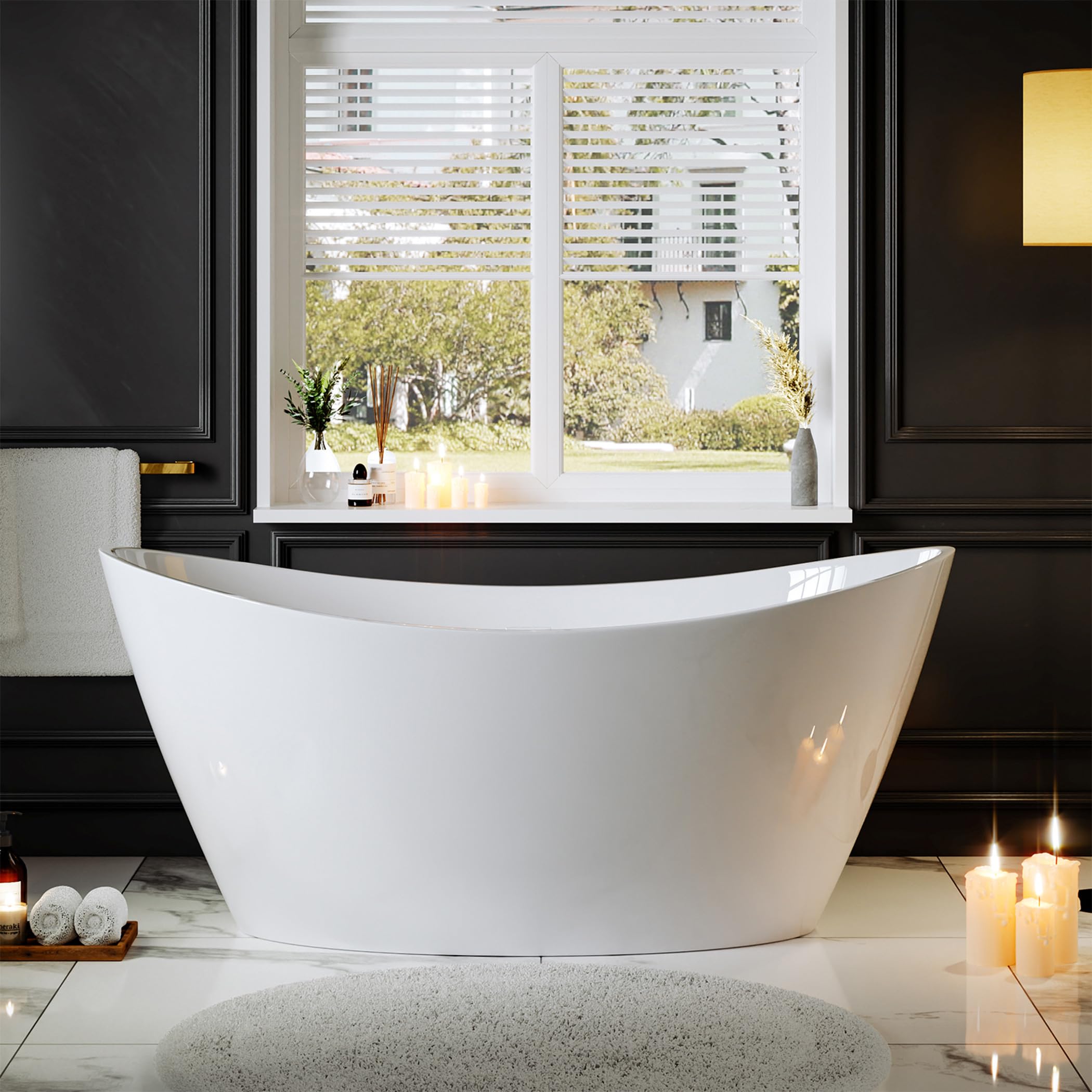


Soaking Depth: The Number That Decides the Tub
Water depth is measured from the floor of the tub up to the overflow drain, because water above that line simply runs away. Stated plainly: a soaking tub is bought on its soaking depth, and the rim height is not the water depth. A tall rim with a high tub floor can hold less water than a modest rim with a low floor, so compare the depth figure, not the silhouette. Standard tubs hold about 9 to 12 inches of water; soaking classes hold about 14 to 20 inches.
Measure yourself before you shop. Sit on the floor against a wall with your legs out and measure from the floor to your chest; that figure is the water depth that will cover you. Shoppers who want the deepest class compared on its own can look at the best deep soaking bathtubs, where water depth starts where standard tubs stop. Depth also raises capacity, so read the next sections on weight and heating with your depth figure in mind.
Shapes and Layouts: How Form Changes the Soak
Freestanding Tubs
A freestanding tub stands away from the walls, which lets makers slope the interior for a reclined soak and lets you place the tub where the room, not the plumbing alone, suggests. The trades are price and access: the filler usually stands on the floor or mounts on the tub rim, and cleaning behind the tub takes effort. Our guide to the best freestanding bathtubs covers shapes and placement in more detail. Choose this form when the bathroom has the floor space to let the tub read as furniture.
Alcove and Drop In Tubs
An alcove tub fits between three walls and carries a front apron, which makes it the simplest and cheapest form to install in a standard bathroom. A drop in tub sits inside a framed deck, so the rim rests on the frame and the deck gives you a ledge for candles, books, and the filler. Both forms can be deep inside even when the outside looks ordinary, because the walls hide the shell. Choose these forms when you are replacing a tub in an existing space and want the plumbing to stay where it is.
Deep Tubs With a Small Footprint
Some soaking tubs trade length for depth: a shorter tub with a raised seat and near vertical walls lets you sit upright in deep water. This style, often called a Japanese soaking tub, suits small bathrooms where a long tub will not fit and suits bathers who prefer sitting to reclining. The soak is different, knees bent and shoulders covered, and many owners prefer it. Check the entry height carefully, because a deep small tub asks you to step over a high side every day.
Key Features of the Best Bathtubs for Soaking
Material and Heat Retention
Material decides how the tub feels at first touch and how fast the water cools. Acrylic is light, warm to the touch, and the common choice in the middle price bands. Cast iron holds heat longest and feels the most solid, but it is by far the heaviest class. Stone resin sits between them, with a matte finish and strong heat retention at a middle weight. Our guide to the best material for bathtubs compares the classes in full. When you shop for the best bathtubs for soaking, treat material as a heat and weight decision, not a style one.
Water Weight and Your Floor
A deep tub is a heavy tub. A soaking tub holds about 60 to 90 gallons, water weighs about 8 pounds per gallon, and the tub plus a bather can pass 800 pounds on the floor. Stated plainly: water weight plus bather weight is a floor question, not a detail. Ground floor bathrooms on a slab rarely raise concern; upper floors and older joists deserve a check by a builder or structural engineer before the tub arrives. Spread matters too, since feet and frames concentrate the load on a few points.
Keeping a Long Soak Warm
A long soak cools; that is simple physics, and no plain tub escapes it. A deep tub starts with more hot water, and a heat holding material slows the fall, but a soak past half an hour will still drift cooler. An inline heater class exists for exactly this problem: fitted to jetted and air bath systems, it holds the water at the set temperature as it circulates. Note the limit honestly: a heater maintains temperature, it does not rescue a tub filled too cool, and it belongs to systems with pumps rather than to plain soaking tubs.
Quality, Warranty and Finish
Shell quality shows in thickness, in how the surface resists scratches and stains, and in the drain hardware supplied. The best quality bathtubs class earns its price through rigid shells that do not flex underfoot, finishes that clean without harsh chemicals, and warranties that cover the surface for a decade or more rather than a single season. Read what the warranty excludes, especially stains from bath products and damage from abrasive cleaners. A cheap tub with a thin shell can drum and flex in ways that shorten its life.
Getting In and Out: Rim and Interior Shape
Depth cuts both ways: the same high side that holds deep water is a side you must climb over daily. A wide flat rim gives you a place to sit and swing your legs across, which suits older bathers and anyone with stiff knees. Inside, a sloped back end supports a reclined soak while a flat end suits sitting upright, and a textured floor adds grip where it matters. If anyone in the home has limited mobility, weigh entry height and rim width alongside depth before ordering, and plan for a grab bar on the wall beside the tub.
Drain Position and Install Cost
A tub is a plumbing fixture, and the install bill follows the drain. If the new tub's drain lands where the old drain sits, the job stays simple. Move the drain, choose a freestanding tub far from the wall, or add a floor standing filler, and plumbing work grows quickly. Stated plainly: drain position and access decide the install cost as much as the tub price does. Budget the filler and drain hardware separately, because many tubs ship without them, and ask any installer to price the whole job, tub in place and water running, before you order.
Price Bands: What Each Class Buys
Budget Band: Simple Acrylic Soakers
From about $400 to $800, expect acrylic alcove and drop in tubs with honest depth and basic drain hardware. This band is the value route for a bathroom remodel that keeps the plumbing in place. Finishes are simpler and shells thinner than the bands above, but the soak itself, deep water in a warm to the touch shell, is fully present. Choose this band when depth matters more than presence.
Middle Band: Deeper Shells and Better Materials
From about $800 to $1,800, the money buys thicker acrylic, stone resin options, deeper interiors, and better supplied hardware. Freestanding shapes appear here in force, and warranties lengthen. This is the band most buyers should shop first, because it balances depth, heat retention, and install simplicity. A middle band tub on a checked floor will out soak a premium tub bought without regard to depth.
Premium Band: Cast Iron, Heaters and Air Systems
From about $1,800 to $4,000, cast iron and high grade stone resin dominate, joined by air bath and jetted classes with inline heaters. The gains are heat retention, surface life, and long warm soaks without topping up from the tap. Install costs climb in this band too, since weight and extra plumbing both grow. Choose it when the tub is the centerpiece of a long term bathroom, not a quick refresh.
Care and Maintenance
Most soaking tub care is gentle cleaning and joint care. Use non abrasive cleaners matched to the material, since cast iron enamel, acrylic, and stone resin each dislike different chemicals. Rinse after baths with oils or salts, which can dull a finish over time. Resealing the joint where the tub meets the wall or floor is a small job with the best caulk for bathtubs class of mold resistant sealant, and it keeps water out of the wall. If your tub has jets or an air system, run the cleaning cycle the maker describes, because standing water in lines is where odors start.
Soaking Tub Questions Answered
What water depth should I look for in a soaking tub?
Look for at least about 14 inches of water depth, measured to the overflow, and more if you are tall. The useful check is personal: sit against a wall and measure from the floor to your chest, then match that figure to the tub's stated depth. Tubs that advertise rim height instead of water depth are hiding the number that matters. A deep tub you can fill to the overflow beats a taller tub with a high floor every time.
How much water does a soaking tub use?
A soaking tub typically holds about 60 to 90 gallons, against about 40 to 50 gallons for a standard tub filled for a bath. The extra water is the point of the product, but it has a side effect worth planning for: a small water heater can run cool before the tub is full. Check your heater capacity against the tub's gallon figure, especially in the premium band, where the largest tubs pair best with larger or tankless heaters.
Does a soaking tub need extra floor support?
Often it does not, but the honest answer depends on total weight and joist condition. A full soaking tub with a bather can pass 800 pounds, spread across its feet or base. Ground floors and modern framing usually carry this without changes. Older homes, long joist spans, and upper floor bathrooms deserve a professional check before installation, because adding support is cheap with the floor open and costly after the tub is set.
Are air bath and jetted tubs better for soaking?
They are different rather than better. Jetted tubs push water for a massage effect, air baths release gentler bubbles, and both can carry an inline heater that keeps a long soak warm. A plain deep tub soaks in silence, has no lines to clean, and costs less to run. Choose the system tubs if you value warmth over a long soak; choose the plain tub if depth and quiet are the point. Noise is the trade many buyers forget to weigh.
How much should I spend on a soaking tub?
Budget for the tub and the install as one figure. A middle band tub at about $800 to $1,800, plus a filler, drain hardware, and plumbing that stays in place, is the sensible spend for most homes. Money moved from the tub price into installation is rarely wasted, because a deep tub plumbed badly will annoy you daily. Reserve the premium band for cast iron heat retention or a heater system you know you will use.
Final Thoughts
Buy on depth first, because water depth to the overflow is the whole product. Then check the floor against the filled weight, choose a material for how it holds heat, and price the install with the drain position in mind. Work through those four checks and the best bathtubs for soaking for your home picks itself: the deepest tub your floor, your heater, and your budget can honestly support. The picks in the table above make a handy place for a final comparison.


