Best Classic Watches for Ladies by Budget: Smart Choices for 2026
Disclosure: We may earn a commission when you buy through links on this page, at no extra cost to you. As an Amazon Associate I earn from qualifying purchases. Learn more

Compare the best classic watches for ladies by budget tier, case size, strap, and movement with a clear guide to where extra spending truly pays off.
Prices for a classic ladies watch range from under $50 to many thousands, and the listings rarely explain what the extra money actually buys. Some upgrades change daily comfort and durability, while others only change the logo on the dial. This guide to the best classic watches for ladies sorts those differences by budget tier.
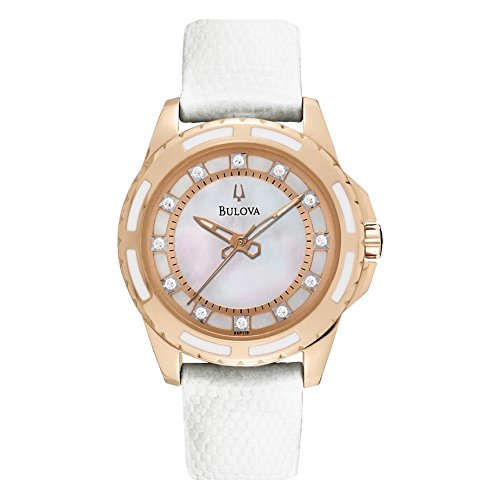
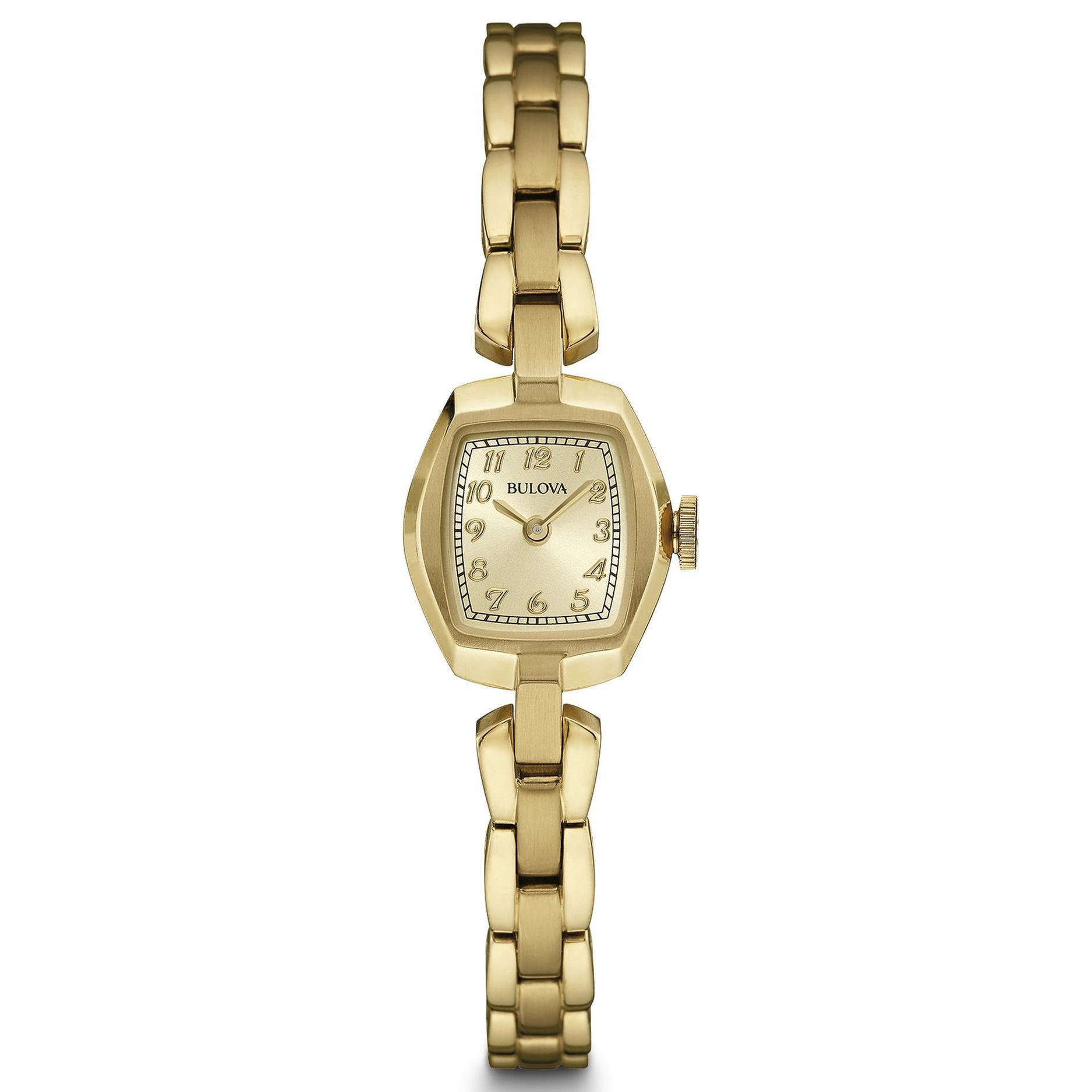
Use the comparison table below for a quick scan of sizes and prices, then read the tier sections to decide where your money works hardest. Fit and strap comfort come first, because a beautiful watch that pinches or spins will stay in its box.




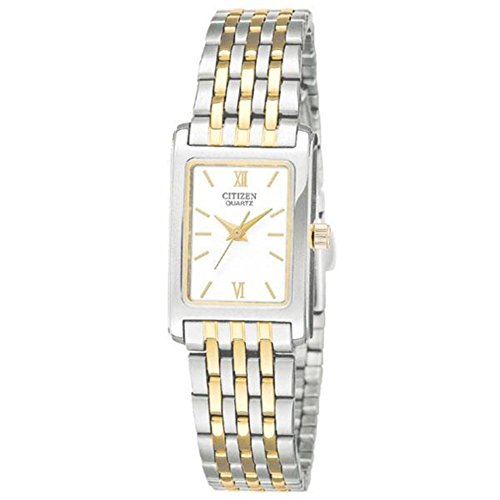


How to Shop by Budget: Three Tiers to Compare
Think of each tier of the best classic watches for ladies as a package of materials, movement, and finishing rather than a single watch. The notes below describe what a strong choice looks like at each level, what it does well, and where it gives something up. Use them as a filter when you scan the product table above.
Budget Tier Choice: Simple, Slim, and Easy to Wear
A good budget choice, usually around $50 to $100, gives you a slim quartz case, a clean dial with clear markers, and a strap that feels soft from the first day. It suits daily office wear, school runs, and anyone buying a first classic watch. The strengths are low weight, accurate time, and no worry about knocks or loss.
The limits show up in materials. Expect mineral glass rather than sapphire, a basic clasp, and water resistance suited to splashes only. Straps are often the first part to wear out, so a model with a standard lug width and a quick release strap earns points because replacements are cheap and easy to fit at home.
Midrange Tier Choice: Better Materials and a Finished Feel
A strong midrange choice, usually around $150 to $400, adds sapphire crystal on many models, solid case finishing, and bracelets with solid links instead of folded ones. It suits someone who wears one watch most days and wants it to look sharp with both work clothes and evening outfits. Dial details, hand length, and lume usually improve in visible ways.
The trade off is choice overload and some weight. Metal bracelets feel substantial but can feel heavy on a small wrist by late afternoon. Look for micro adjustment in the clasp or half links in the sizing kit, because a bracelet that fits between link sizes will annoy you every single day.
Premium Tier Choice: Craft, Service, and Long Life
A premium choice, often around $600 and above, buys refined case work, better movements, and brand service that can keep the watch running for decades. It suits a milestone gift, a collector, or anyone who wants one lasting piece rather than a rotation. Finishing on the dial and hands rewards a close look, and resale demand is stronger.
The honest limit is value for money on pure timekeeping. A premium quartz watch is not more accurate than a budget one, and an automatic needs paid service every five to seven years. Spend at this level for craft, heritage, and service support. Our guide to the best ladies luxury watches explains those ownership costs in more depth.
What Your Money Gets You at Each Price Tier
Budget Tier: What to Expect
At the budget level you get reliable quartz timekeeping, light cases often under 32 mm, and straps in leather look materials, fabric, or simple steel. Water resistance usually covers rain and hand washing only. What you give up is scratch resistance, bracelet solidity, and long term spare parts support.
This tier fits fashion led buying, a backup watch for travel, or a gift where taste is still uncertain. Spend your limited budget on fit and a readable dial rather than decorative stones or extra subdials. A plain, well sized watch looks more expensive than a busy one with cheap finishing.
Midrange Tier: The Sweet Spot for Most Buyers
Midrange money buys the upgrades you can feel: sapphire crystal, smoother second hands on some movements, better water resistance, and bracelets that close with a solid click. Cases gain polished and brushed surfaces that catch light in a more refined way. Many buyers also gain longer warranties and easier access to brand service.
For most women buying one classic watch to wear for years, this tier offers the best balance. You avoid the fragility of the cheapest straps and clasps without paying for brand prestige alone. If you also browse broader styles, our guide to the best watches ladies covers sport and fashion designs beyond classic shapes.
Premium Tier: When Spending More Pays Off
Premium spending pays off in movement quality, case finishing, and aftercare. Automatic movements gain longer power reserves and smoother operation, quartz models gain finer dial work, and brands offer service centers that stock parts for many years. Precious metal cases and diamond markers live at this level, and their price reflects materials as much as watchmaking.
It does not pay off if the watch will sit unworn or if the size is wrong. A costly watch in the wrong diameter is still the wrong watch. Confirm the return policy, try the lug to lug length against your wrist, and factor service costs into the real price before you commit.
Features Worth Paying For (and Ones to Skip)
Strap and Bracelet Options
Leather suits dress wear and small wrists, metal bracelets suit daily wear and water, fabric straps suit casual and warm weather use, and silicone suits sport. A quick release strap system lets you change looks in seconds without tools, which stretches one watch across more outfits. Pay for a second strap before you pay for a second watch.
Check lug width before ordering spare straps, since ladies models use narrower widths than most unisex watches. Also check strap length ranges if your wrist is very small or large. A strap with holes that miss your size will never feel secure, no matter how nice the case looks.
What Women Should Look For
Start with case diameter and thickness, because many classic designs for women sit between 26 and 36 mm and wear very differently within that range. Weight matters over a full day, so a slim quartz on leather often beats a heavy bracelet for desk work. Crown size matters too, since tiny crowns are hard to grip when setting the time.
Consider your daily routine. If you wash hands often, type all day, or care for small children, choose smooth case edges, a secure clasp, and water resistance you can trust. Decorative stones look lovely but can snag on knitwear. Practical details decide whether the watch becomes a habit.
Legibility and Style
A classic watch should read at a glance under office light and evening light alike. Look for contrast between hands and dial, markers that catch light, and lume on the hands if you check the time at night. Silver hands on a pale silver dial are a common trap that photos hide well.
Style wise, a white or cream dial with simple baton markers pairs with the widest range of clothes. Gold tone suits warm wardrobes, steel suits cool tones, and two tone finishes split the difference. If you compare shapes more broadly, our guide to the best classic watches shows how dress, tank, and round cases differ.
Movement Type (Quartz, Automatic, Solar, Smart)
Quartz dominates ladies classic watches because it allows slim cases and low prices, and it stays accurate within seconds per month. Automatic models exist in smaller sizes but add thickness and need regular wear to stay running. Solar removes battery changes and suits a single watch routine. Each choice trades effort, thickness, and long term service in a different way.
Ask how you will actually wear the watch. A watch worn twice a month will stop if it is automatic, and resetting it becomes a small chore before every event. For occasional dress wear, quartz or solar is the calmer choice. For daily wear with an interest in craft, a small automatic can be a joy.
Smart and Fitness Features
Some classic styled models add step counting, notifications, GPS, or heart rate tracking behind a traditional dial or a small hidden screen. These features help if you want gentle activity prompts and phone alerts without a sporty look. Battery life varies widely, from about a day to several weeks, so read that spec closely.
Treat health data as general guidance for daily habits, not as medical information. If you have a health concern, talk with your doctor rather than relying on a watch reading. For fully featured options, see our guide to the best smart watches for ladies and compare screen size and charging needs.
Long Term Costs to Factor In
The purchase price is only part of ownership. Budget for a battery change every two to three years for quartz, a service every five to seven years for automatic, and strap replacements as leather wears. Bracelet sizing, spare links, and a simple spring bar tool add small one time costs that make the watch fit and feel better.
Warranty length changes the math. A brand with United States service and a clear two year or longer warranty lowers your risk, while a fashion label with no service path can turn a small fault into a full replacement. Readers drawn to named brands can compare service and warranty norms in our guide to the best branded watches for ladies before spending at the premium tier.
FAQs
What makes classic watches for women different?
Size, weight, and strap proportions make the biggest difference, with cases commonly from 26 to 36 mm and narrower straps that balance a smaller wrist. Dial designs also favor finer markers and slimmer hands. The movements and materials are the same as in larger watches, so judge quality the same way and let fit, not gender labels, guide your final choice.
How long does a watch battery last?
Most quartz batteries last about two to three years, and slim dress models with small cells can run closer to two years. A second hand that jumps in long steps often warns that the battery is low. Replace it promptly, because a dead battery left inside can leak and damage the movement, and ask for a seal check if the watch carries a water rating.
Quartz or automatic: which is better?
Quartz is better for slim cases, low prices, and grab and go accuracy, while automatic is better for craft and battery free wear. In ladies sizes, automatics run thicker, which matters on a small wrist. If the watch is for occasional dress wear, quartz wins on convenience. If it is a daily companion and you love mechanical objects, automatic earns its upkeep.
Is a smartwatch worth it over a classic watch?
It is worth it if notifications and activity tracking will genuinely shape your day and you accept regular charging. It is not worth it if you want a piece that stays ready for years with almost no attention. Hybrid designs with classic dials and hidden tracking offer a middle path, though their apps still depend on phone support over time.
What case size fits my wrist?
Measure your wrist and match the lug to lug length first, keeping the lugs within the width of your wrist. Wrists under about 6 inches usually suit 26 to 32 mm cases, while larger wrists can carry 34 to 38 mm classic designs. Thickness under about 10 mm slips under cuffs best. When torn between two sizes, the smaller one usually looks more classic.
Our Verdict
Let fit, strap comfort, and movement effort guide your budget, not the logo. Most buyers get the happiest long term result in the midrange tier, where sapphire, solid bracelets, and real warranties appear. Budget tiers serve fashion and backup roles well, and premium tiers reward buyers who value craft and service.
Compare the best classic watches for ladies in the product table above, check the lug to lug length against your wrist, and choose the tier that matches how often you will truly wear it.